In the rolling hills and quaint villages of rural landscapes, a rich tapestry of traditions and customs continues to thrive. These unique cultural practices, passed down through generations, play a vital role in shaping the identity and sense of community in these rural areas. Unfortunately, with the increasing influence of modernization, many of these customs are in danger of being lost forever. As a result, it’s essential to recognize the importance of preserving rural traditions and cultural heritage. This article will explore the significance of these customs and provide guidance on how you can get involved in preserving them. By learning about and participating in these unique practices, you’ll be able to contribute to the preservation of rural traditions and cultural heritage.
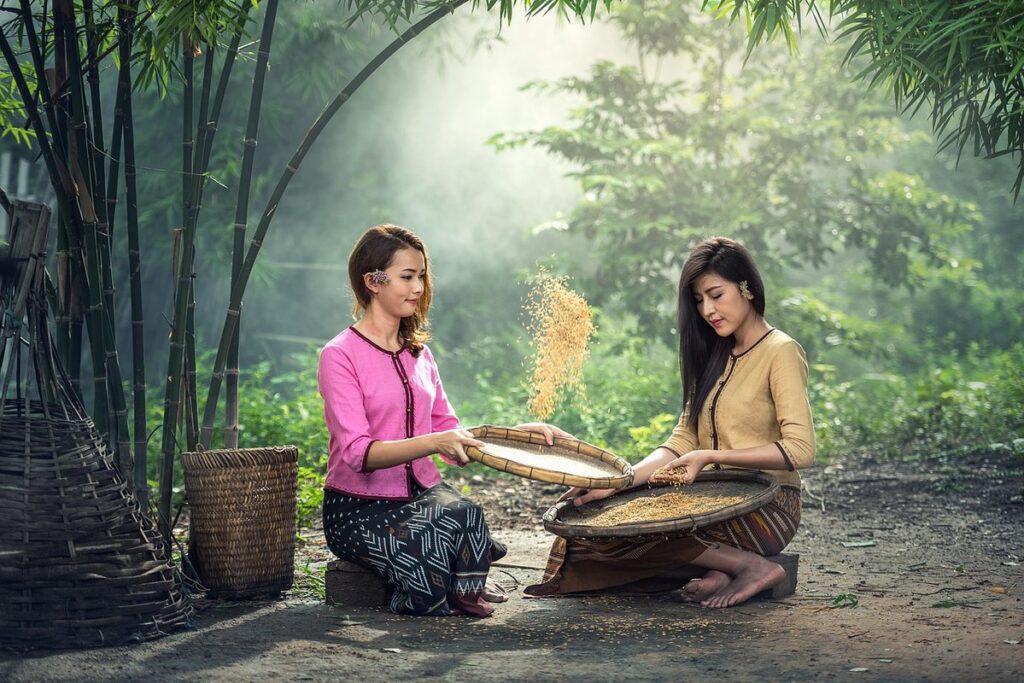
Introduction to Rural Traditions
Rural traditions and customs are often passed down through generations, weaving a rich tapestry of community identity and heritage that’s unique to the countryside. We’ll start by exploring these essential customs.
Defining Rural Traditions
Rural traditions are a distinctive blend of customs, practices, and values that have been cultivated and refined over generations in rural communities. These traditions often arise from the unique social, cultural, and environmental contexts of rural areas, where people have learned to adapt and thrive in the face of challenges such as isolation, limited resources, and harsh weather conditions.
For example, in many rural areas, the tradition of community-supported agriculture (CSA) programs has become a vital part of local food systems. These programs bring together farmers, consumers, and the broader community to promote sustainable agriculture, preserve open spaces, and support local economic development. In contrast, the tradition of Appalachian storytelling, which has its roots in oral history and folk music, has helped preserve the cultural heritage of the region.
To identify and understand rural traditions, consider the following key elements: the historical context, the cultural significance, and the practical applications. What customs and practices have been passed down through generations? How do they reflect the unique characteristics of the rural community? How can these traditions be preserved and adapted for the modern era? By examining these questions, you can gain a deeper appreciation for the rich cultural tapestry that underlies rural traditions.
Importance of Preserving Rural Traditions
Preserving rural traditions is essential for maintaining cultural heritage and community identity. As rural areas face the challenges of modernization and urbanization, it’s crucial to prioritize the preservation of these traditions. By doing so, communities can safeguard their unique cultural identities and ensure that their history and customs are passed down to future generations.
Rural traditions provide a sense of continuity and belonging, connecting community members to their ancestors and the land. Preserving these traditions helps to maintain social cohesion, foster a sense of pride, and promote cultural resilience. Moreover, rural traditions often hold practical value, such as teaching important skills and promoting sustainable practices.
To preserve rural traditions, communities can start by documenting and recording their customs, stories, and practices. This can be done through oral histories, photographs, and videos. Additionally, community members can work together to revitalize traditional practices, such as language preservation, folk music, and traditional crafts. By taking proactive steps to preserve their cultural heritage, rural communities can ensure that their unique traditions continue to thrive and remain an integral part of their identity. This, in turn, can help to maintain a sense of place and community in the face of rapid change.
Challenges in Preserving Rural Traditions
Rural traditions are often fragile and vulnerable to disruption by external forces. Urbanization, in particular, can erode the connections between rural communities and their traditional ways of life. As cities grow and draw people away from their rural roots, the cultural practices and customs that once defined these communities begin to fade. For example, the decline of rural industries such as farming and textiles has led to the loss of traditional skills and crafts.
Additionally, modernization can also bring about changes in values and attitudes that are at odds with traditional rural ways of life. For instance, the increasing emphasis on individualism and consumerism can undermine the sense of community and shared responsibility that is often at the heart of rural traditions. Furthermore, the rise of global media and technology can also have a homogenizing effect, threatening the unique cultural identities of rural communities.
To preserve their traditions, rural communities must be proactive in identifying and addressing these challenges. This may involve documenting and sharing their cultural practices, as well as finding ways to adapt and evolve in response to changing circumstances. By taking a deliberate and intentional approach to preserving their traditions, rural communities can help ensure their continued relevance and vitality.
Folk Music and Dance in Rural Communities
In rural communities, folk music and dance often play a vital role in preserving cultural heritage and bringing people together through lively festivals and intimate gatherings. Traditional songs and dances are often passed down through generations.
Origins and Evolution of Folk Music and Dance
Folk music and dance have a rich and varied history in rural communities, with roots dating back to ancient times. In many cultures, music and dance were used to tell stories, convey emotions, and bring people together. For example, in ancient Greece and Rome, music and dance were an integral part of festivals and celebrations. Similarly, in medieval Europe, minstrels and troubadours traveled from town to town, performing music and dance for audiences. As European settlers arrived in the Americas, they brought their folk traditions with them, adapting them to their new surroundings. Over time, these traditions evolved and merged with the music and dance of indigenous cultures, creating unique styles such as Appalachian folk music and dance. Today, folk music and dance continue to thrive in rural communities, often as a way to connect with heritage and tradition. For those interested in preserving and learning about folk music and dance, attending local festivals and workshops can be a great starting point.
Types of Folk Music and Dance
Rural communities have a diverse array of folk music and dance traditions. Ballads, for example, are a staple in many rural areas, often passed down through generations as a way to tell stories and preserve history. These narrative songs typically feature a strong rhythmic pattern and are frequently sung a cappella. Hymns, on the other hand, are an essential part of rural church gatherings, providing a sense of community and spiritual connection.
Folk dances are another integral aspect of rural folk music and dance. These dances often involve traditional steps and movements that have been passed down through oral tradition. The Appalachian square dance, for instance, is a classic example of a folk dance that has been preserved in rural communities. It typically involves a caller directing the group through a series of steps and movements, often accompanied by live music.
In rural areas, folk music and dance often serve as a means of cultural expression and preservation. By participating in these traditions, community members can connect with their heritage and honor their ancestors. As a result, it’s essential for rural communities to continue promoting and celebrating their folk music and dance heritage.
Role of Folk Music and Dance in Rural Culture
Folk music and dance serve as a bridge between the past and present, connecting rural communities to their heritage and traditions. In rural settings, folk music and dance are often used to share stories of history, mythology, and cultural values. For instance, in Appalachian communities, ballads and folk songs tell tales of love, loss, and hardship, while dance styles like the clog and square dance convey a sense of community and social bonding.
Folk music and dance also play a crucial role in preserving cultural heritage. By passing down traditional songs and dances from one generation to the next, rural communities ensure the continuation of their unique cultural identity. This preservation is not only a matter of cultural significance but also a means of promoting social cohesion and community engagement.
In rural communities, folk music and dance are often tied to specific occasions and events, such as harvest festivals, weddings, and funerals. By participating in these traditional music and dance practices, community members not only honor their cultural heritage but also strengthen social bonds and create a sense of belonging.
Festivals and Celebrations in Rural Areas
From ancient harvest festivals to modern-day county fairs, rural areas are filled with vibrant traditions and celebrations that bring communities together. These events often hold deep cultural significance.
Types of Rural Festivals and Celebrations
Rural areas are a treasure trove of unique festivals and celebrations, each reflecting the community’s history, culture, and values. These events are often deeply rooted in local traditions and customs, making them an integral part of the community’s identity. Some of the most common types of rural festivals and celebrations include harvest festivals, which typically occur during the autumn season and celebrate the bounty of the land. These events often feature traditional music, dance, and food, as well as activities such as corn shucking and apple pressing.
Another type of rural festival is the summer fair, which usually takes place in the warmer months and showcases local craftsmanship, agriculture, and livestock. These events often include competitions for things like baking, gardening, and animal husbandry, as well as live music and entertainment. Some rural areas also host cultural festivals that celebrate their heritage, such as Celtic or Mexican festivals, which feature traditional music, dance, and cuisine.
In addition to these larger events, rural communities often have smaller, more intimate celebrations, such as church picnics, town fairs, and community potluck dinners. These events foster a sense of community and connection among residents, and often feature traditional foods, games, and activities that have been passed down through generations.
Examples of Rural Festivals and Celebrations
Rural festivals and celebrations are a vibrant reflection of local culture and heritage. The Tomatina festival in Buñol, Spain, is a prime example of this, where participants engage in a massive tomato-throwing spectacle. In Japan, the Aomori Nebuta Matsuri showcases colorful, giant floats that light up the evening sky. Meanwhile, the Louisiana Crawfish Festival in the United States celebrates the region’s iconic seafood with live music, cooking competitions, and crawfish-eating contests.
In India, the Makar Sankranti festival honors the harvest season with kite-flying competitions, traditional games, and sacred rituals. Similarly, the Icelandic Secret Solstice festival in Reykjavik combines music, art, and cultural events to celebrate the country’s unique summer solstice. Each of these festivals offers a unique glimpse into the customs and traditions of their respective regions, showcasing the creativity and resilience of rural communities.
The diversity of these events highlights the importance of preserving rural traditions and cultural heritage. By embracing and celebrating their unique festivals and celebrations, communities can strengthen their identity and foster a sense of belonging.
Significance of Rural Festivals and Celebrations
Rural festivals and celebrations provide a unique platform for rural communities to come together and strengthen social bonds. These events often take place in picturesque rural settings, such as village squares or countryside meadows, and are typically marked by traditional food, music, and dance. By attending these festivals, community members can forge connections with one another and develop a sense of belonging. This communal aspect is essential in rural areas, where geographic isolation and limited social opportunities can make it difficult for people to meet and engage with others.
Rural festivals and celebrations also play a vital role in preserving cultural heritage. Many of these events commemorate historical events, mythological figures, or traditional practices, and help to keep these stories and customs alive through music, dance, and other forms of performance. By participating in these festivals, community members can learn about and appreciate the rich cultural history of their area. Furthermore, these events often provide opportunities for local artisans and craftspeople to showcase their skills, promoting the preservation of traditional crafts and skills.
Food and Cuisine in Rural Traditions
In rural areas, food and cuisine often play a significant role in bringing communities together and preserving traditional ways of life. We’ll explore the unique culinary customs that are woven into the fabric of rural culture.
Traditional Rural Foods
Rural communities have a rich culinary heritage, with traditional foods that are often passed down through generations. Heirloom vegetables like carrots, beets, and potatoes are staples in many rural areas, where they’re often grown in backyard gardens or small plots. In some regions, wild game meats like deer and rabbit are also common, particularly in areas with abundant hunting. Homemade bread and preserves are also hallmarks of rural cuisine, with many families relying on these staples for daily meals.
In terms of specific dishes, rural communities often have their own unique variations of traditional recipes. For example, in the Appalachian region of the United States, dishes like fried green tomatoes and chicken and dumplings are popular, while in rural Japan, traditional meals like nabe (hot pot) and onigiri (triangular rice balls) are staples. When preparing traditional rural foods, it’s essential to use fresh, locally sourced ingredients whenever possible. This not only ensures the best flavor but also supports local farmers and helps preserve the community’s culinary heritage. By incorporating these traditional foods into your meals, you can experience the rich flavors and cultural traditions of rural communities firsthand.
Cooking Techniques and Methods
In rural communities, traditional cooking techniques and methods are often passed down through generations, reflecting the region’s cultural heritage. Many rural households still rely on wood-fired ovens, cast-iron pots, and clay cooking vessels, which not only add flavor to the food but also embody the community’s history. For instance, in some Appalachian regions, cooks use a process called “smoking” to preserve meats, where the food is hung in a smokehouse to absorb the rich flavors of the smoke.
Smoking is just one of the many techniques used in rural cooking. Another technique is “braising,” where tough cuts of meat are slow-cooked in liquid to make them tender. Braising is often used in rural stews and soups, where the slow-cooked meat and vegetables are simmered together in a rich broth. Recipes like these are often shared through oral tradition, with cooks adapting and modifying them to suit their family’s tastes.
When trying these techniques at home, it’s essential to note that patience is key. Cooking times can be longer than in modern cooking, but the results are often well worth the wait. For those looking to try their hand at rural cooking, start with simple recipes and gradually experiment with different techniques and ingredients.
Role of Food in Rural Traditions
Food plays a vital role in rural traditions, serving as a means of socializing, preserving cultural heritage, and promoting community spirit. In rural communities, meals are often a time for gathering and sharing stories, news, and experiences. Traditional dishes are often passed down through generations, and the preparation and consumption of these foods are steeped in cultural significance.
For instance, in many rural communities, Sunday lunch is a time-honored tradition where families come together to share a meal. This tradition not only brings people together but also serves as a way to preserve cultural heritage. The food itself often reflects the community’s history, with ingredients and recipes handed down through generations.
In addition to socializing, food also plays a significant role in preserving cultural heritage. Traditional rural foods are often made with locally sourced ingredients, which helps to preserve the community’s connection to the land. For example, in some rural communities, traditional bread-making techniques are still practiced, using ancient grains and traditional methods.
By incorporating traditional foods into their daily lives, rural communities can promote community spirit and preserve their cultural heritage. This can be achieved by hosting community meals, learning traditional cooking techniques, and using locally sourced ingredients in cooking.
Art and Craftsmanship in Rural Communities
Rural communities often thrive on a rich tapestry of traditional arts and crafts, passed down through generations and infused with local character. We’ll take a closer look at some of these unique artisanal traditions.
Traditional Rural Crafts
Rural communities have a long history of traditional craftsmanship, with skilled artisans passing down their skills through generations. In rural areas, you’ll often find skilled woodcarvers, blacksmiths, and weavers who continue to create handmade items using traditional techniques. These artisans may work in small workshops or studios, or even on the streets, selling their wares to locals and tourists alike.
Some examples of traditional rural crafts include woodworking, where artisans create intricate furniture and decorative items using techniques passed down from their ancestors. You may also find traditional textiles, such as hand-woven blankets and clothing, which are often made using locally-sourced materials. In addition, many rural communities are home to skilled metalworkers, who create tools, hardware, and decorative items using traditional blacksmithing techniques.
When it comes to preserving these traditional crafts, rural communities often rely on a combination of local knowledge, traditional methods, and modern technology. For example, some artisans may use digital tools to create patterns and designs for their textiles, while others may rely on traditional methods to create intricate wood carvings. By supporting local artisans and purchasing handmade items, you can help preserve these traditional crafts and keep them alive for future generations.
Types of Traditional Crafts
Textiles are a fundamental aspect of traditional crafts in rural areas, with many communities relying on hand-woven fabrics for clothing, bedding, and other essentials. In some regions, intricate patterns and designs are used to signify status, while in others, the focus is on functionality. Woodworking is another crucial craft, with rural communities often relying on handcrafted furniture and tools. The process of woodworking in rural areas is often passed down through generations, with each craftsman adding their own unique touches and techniques.
Pottery is a third type of traditional craft found in rural areas, with many communities relying on handcrafted ceramics for cooking, storing, and serving food and drink. The process of creating pottery involves a combination of skill and tradition, with each craftsman carefully selecting and preparing the clay, shaping it into the desired form, and firing it in a kiln. In some rural areas, pottery is not only a practical craft but also an art form, with intricate designs and patterns adding to the beauty and functionality of each piece.
Role of Art and Craftsmanship in Rural Traditions
In rural traditions, art and craftsmanship serve as a vital means of preserving cultural heritage and promoting community spirit. Traditional crafts such as woodworking, weaving, and pottery are often passed down through generations, with each family adding their unique touch to the craft. These traditional crafts not only provide a sense of continuity with the past but also offer a way for communities to express their identity and values.
In rural areas, art and craftsmanship are often closely tied to the natural environment and the community’s way of life. For example, woodcarving may be used to create decorative pieces that reflect the local flora and fauna, while weaving may be used to create textiles that are both functional and beautiful. These traditional crafts are often used in everyday life, from making furniture to creating clothing and home decor.
By preserving and promoting traditional crafts, rural communities can not only maintain their cultural heritage but also develop a sense of pride and ownership in their unique traditions. This can be achieved by supporting local artisans, attending craft fairs and workshops, and learning traditional crafts oneself. By doing so, individuals can contribute to the preservation of rural traditions and help keep these important cultural practices alive.
Conclusion
As we conclude our exploration of rural traditions and customs, let’s summarize the unique aspects we’ve learned about these fascinating cultural practices.
Summary of Rural Traditions
Rural traditions and customs are a vital part of the cultural heritage of rural communities. From folk music and dance to festivals and celebrations, these traditions bring people together and provide a sense of identity and belonging. Preserving these traditions is essential to maintaining the unique character of rural areas and passing them down to future generations.
A key takeaway from this blog post is the importance of preserving traditional rural foods and cooking techniques. These not only provide a connection to the past but also offer a sustainable and environmentally-friendly way of living. The role of food in rural traditions is multifaceted, serving as a source of community building, cultural expression, and economic development.
In addition to preserving traditional food and cooking methods, it’s also crucial to protect and promote traditional crafts and artistry in rural communities. This can be achieved by supporting local artisans, attending workshops and classes, and incorporating traditional crafts into daily life.
Ultimately, preserving rural traditions requires a collective effort from individuals, communities, and governments. By working together, we can ensure the continuation of these valuable cultural practices and maintain the rich heritage of rural areas.
Call to Action
As you’ve learned about the rich tapestry of rural traditions and customs, we encourage you to take the next step and become an active participant in preserving these cultural heritage. Consider visiting rural communities during their festivals and celebrations, immersing yourself in the sights, sounds, and flavors of these unique events. Engage with local artisans and craftsmen, learning about their techniques and methods, and perhaps even taking a workshop to try your hand at traditional crafts.
Join local preservation efforts, volunteering your time and skills to help document and promote rural traditions. You can also start by exploring online resources, such as museums, archives, and cultural centers, which often provide a wealth of information on rural customs and traditions. When exploring rural traditions, be mindful of cultural sensitivity and respect the local customs and practices. Start by asking questions, listening to stories, and learning from the community members who have preserved these traditions for generations. By doing so, you’ll not only gain a deeper understanding of rural traditions but also contribute to their preservation for future generations.
Frequently Asked Questions
How Can I Get Involved in Preserving Rural Traditions?
You can get involved in preserving rural traditions by attending local festivals and events, volunteering with cultural organizations, and learning traditional skills such as music, dance, or craftsmanship. You can also support local artisans and farmers by purchasing their products and promoting their work online. Additionally, you can participate in cultural exchange programs and workshops that allow you to learn from and share your own traditions with others.
What If I Don’t Have a Rural Background or Connection to the Community?
You don’t need a rural background or connection to the community to get involved in preserving rural traditions. Many organizations and cultural events welcome visitors and volunteers from urban areas. You can also learn about rural traditions through online resources, books, and documentaries. By showing interest and respect for rural customs, you can build bridges between communities and foster greater understanding and appreciation.
Can I Use Folk Music and Dance in Modern Contexts?
Yes, folk music and dance can be adapted and incorporated into modern contexts such as festivals, concerts, and educational programs. Many artists and performers are successfully blending traditional styles with contemporary themes and technologies to create innovative and engaging works. By doing so, they are helping to keep rural traditions alive and relevant for new generations.
How Can I Preserve Rural Traditions in a Way That Respects Their Cultural Significance?
To preserve rural traditions in a way that respects their cultural significance, it’s essential to approach the process with sensitivity and respect. This means learning about the specific traditions and customs you’re interested in, understanding their historical and cultural context, and working with local community members and organizations to ensure that your efforts are authentic and meaningful. By doing so, you can help to preserve the integrity and cultural significance of rural traditions.
What If I’m Unsure About How to Preserve a Specific Tradition or Custom?
If you’re unsure about how to preserve a specific tradition or custom, it’s best to start by consulting with local community members and cultural experts. They can provide valuable insights and guidance on how to approach preservation efforts and ensure that they are respectful and effective. You can also seek out online resources and educational materials to learn more about the specific tradition or custom you’re interested in. By taking a thoughtful and collaborative approach, you can help to ensure the long-term preservation of rural traditions.