
Mexico is a country with a rich cultural heritage, where family ties are strong and community spirit runs deep. However, as you plan to visit or even just live there for a while, understanding social customs in Mexico can make all the difference between being warmly welcomed and unintentionally causing offense. From the warm greetings that start every interaction to the vibrant festivals that fill the streets with music and color, Mexican culture is full of nuances that are easy to overlook but crucial to appreciate.
You may think you know what it means to be respectful in a foreign country, but Mexico has its own set of unwritten rules governing social interactions. This guide aims to equip you with essential etiquette guidelines, covering everything from greeting locals to navigating complex family relationships. By the end of this article, you’ll have a deeper understanding of Mexican culture and know how to behave like a true amigo (friend) in any situation that comes your way.
Understanding the Importance of Social Customs
Understanding social customs is crucial when traveling to Mexico, where cultural norms and expectations can greatly impact your experience. By grasping these unwritten rules, you’ll feel more confident navigating everyday situations.
Cultural Significance and History
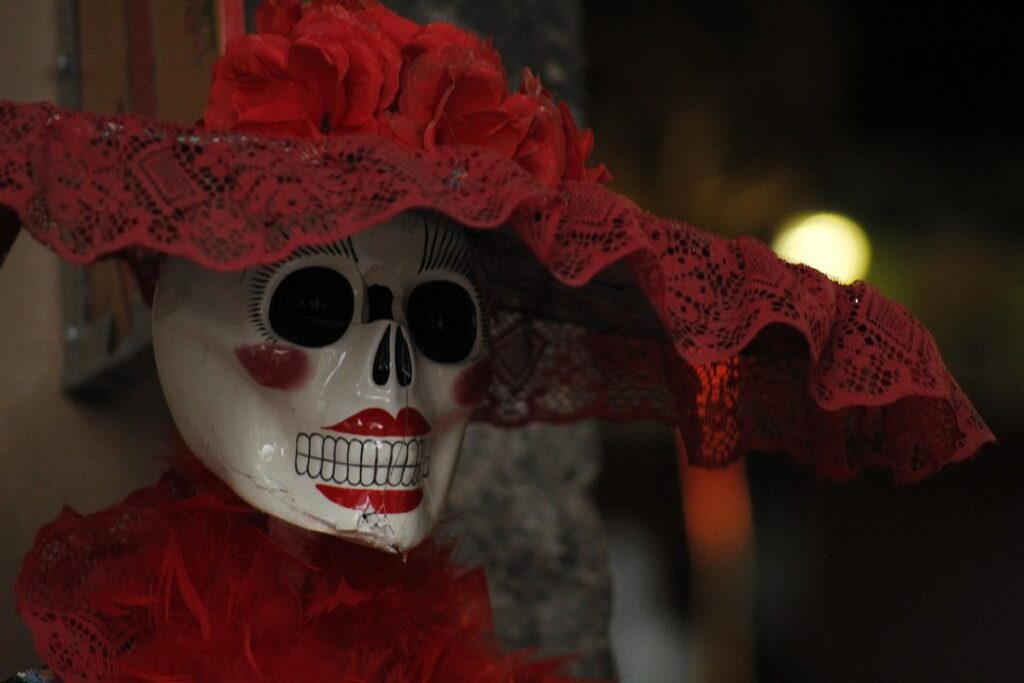
Mexican social customs have their roots in the country’s rich cultural heritage, influenced by its indigenous and Spanish colonial past. The Aztecs and Mayans, for example, had elaborate rituals and traditions surrounding birth, marriage, and death, which were later adapted and modified by European colonizers. These early customs continue to shape modern-day practices, such as the significance of family gatherings during holidays like Día de los Muertos (Day of the Dead) or Semana Santa (Holy Week). The importance of honoring ancestors is still deeply ingrained in Mexican culture, evident in the elaborate altars and offerings made during these celebrations. Understanding this historical context helps visitors appreciate the depth of cultural significance behind everyday customs. For example, the use of formal titles like “Señor” or “Señora” when addressing older individuals or those in positions of authority is a nod to the country’s colonial past. Similarly, the importance placed on mealtimes and family gatherings reflects the values of community and respect that are deeply ingrained in Mexican culture.
Regional Variations and Influences
Mexico’s diverse regions have been shaped by a rich tapestry of cultures, resulting in distinct social customs. The indigenous peoples of Mexico, such as the Aztecs and Mayans, brought their own traditions and practices to the table, influencing the way people interact with one another. European colonization had a profound impact on regional customs, introducing Catholicism and European courtly etiquette. For example, in the Yucatán Peninsula, the traditional Mayan greeting of “buenos días” (good day) has been adapted to incorporate elements of Spanish culture.
Meanwhile, African influences can be seen in the cuisine and music of regions like Veracruz and Oaxaca. The Afro-Mexican community, which emerged as a result of the transatlantic slave trade, has contributed significantly to Mexico’s cultural heritage. In some areas, such as the coastal town of Veracruz, you’ll notice the strong presence of African rhythms in traditional music and dance. Understanding these regional variations is crucial for navigating social customs in different parts of Mexico. For instance, when visiting Oaxaca, it’s essential to show respect for the indigenous Zapotec culture by learning a few basic phrases in their language and participating in local traditions.
Greetings and Formalities
When interacting with locals, understanding basic greetings and formalities is crucial for building trust and avoiding unintended offense. Learn how to greet Mexicans correctly, including when to use formal titles and affectionate nicknames.
Traditional Greetings: “Buenos días” and Beyond
When interacting with locals, a well-timed greeting can go a long way in establishing a positive relationship. In Mexico, formal greetings are an essential part of daily interactions, and mastering them will make you feel more confident when engaging with people.
You’ll commonly hear “Buenos días” (good morning), “Buenas tardes” (good afternoon), or “Buenas noches” (good evening). These greetings are more than just polite phrases; they set the tone for a respectful interaction. When addressing someone, use their title and last name until they invite you to use their first name. For example, if you’re talking to a shopkeeper, say “Buenos días, Señor García” (good morning, Mr. García).
In addition to verbal greetings, body language plays a significant role in showing respect. When greeting someone, stand up straight and make eye contact. Avoid loud or boisterous behavior, as this is considered impolite. If you’re unsure which greeting to use, observe how locals interact with each other and follow their lead. Remember that formalities are relaxed in informal settings, but always err on the side of caution when interacting with strangers.
The Importance of Titles and Respect
In Mexican culture, using titles such as Señor, Señora, and Señorita is a sign of respect and courtesy when addressing someone you don’t know well. This practice is deeply rooted in the country’s history and is still widely observed today. When interacting with a stranger or someone you consider to be older or in a position of authority, using their title is essential for building rapport and avoiding unintentional offense.
The implications of not using titles can be significant. For example, failing to address someone as Señor or Señora can come across as rude or dismissive, especially if they are older or in a position of respect. On the other hand, using the correct title shows that you value and respect the person’s dignity.
In practice, using titles is relatively straightforward. When meeting someone for the first time, it’s customary to address them with their formal title followed by their surname (e.g., Señor García). As relationships develop, you can transition to using their first name, but initially, it’s best to err on the side of caution and use the more formal title.
Table Manners and Mealtime Customs
When dining with Mexicans, knowing what’s considered polite table behavior can make a big difference in making a good impression, as well as enjoying your meals. Basic etiquette guidelines for mealtime interactions are essential to navigating social situations.
Understanding Mealtimes: When to Eat and How to Engage
In Mexican culture, mealtimes are a time for connection and community. Typically, lunch is the main meal of the day, eaten between 2-4 pm, while dinner is eaten later, around 8-10 pm. You should plan to arrive at least 15 minutes before your scheduled mealtime to show respect for your hosts.
When engaging with others during mealtimes, remember that meals are often seen as opportunities to catch up and strengthen relationships. The conversation may start slowly, but it’s expected to pick up pace once everyone is comfortable. Avoid interrupting or dominating the conversation, as this can be perceived as rude.
Some important rules to keep in mind: do not eat on the go, as this is considered impolite; wait for everyone to receive their food before starting to eat; and avoid finishing a meal completely, as this implies that the host did not provide enough food. By following these customs, you can create a positive and respectful atmosphere during mealtimes in Mexico.
Traditional Dishes and Ingredients
Mexican cuisine is a vital part of social gatherings and celebrations. Traditional dishes such as mole poblano, chiles rellenos, and carnitas are staples at family reunions, weddings, and other special occasions. These complex sauces and flavors not only tantalize the taste buds but also represent a deep connection to heritage.
In many regions, corn is a fundamental ingredient in traditional cooking. You’ll find it in the form of tortillas, tamales, or even grilled on the cob. For instance, in Yucatecan cuisine, cochinita pibil features slow-roasted pork marinated in citrus juice and spices, often served with steamed corn and beans.
When participating in a traditional Mexican meal, don’t be afraid to ask about ingredients and cooking methods. This not only shows interest but also respect for the culture. Familiarize yourself with local specialties, such as Oaxacan mole or Veracruz-style arroz a la tumbada. By engaging with the food and its stories, you’ll forge deeper connections with your hosts and gain a richer understanding of Mexican social customs.
Festivals and Celebrations
Mexico is known for its vibrant festivals and celebrations, which are deeply rooted in the country’s rich cultural heritage. From Day of the Dead to Guelaguetza, we’ll explore some of the most iconic events you need to experience firsthand.
Overview of Major Festivals: Day of the Dead to Independence Day
Mexico’s festivals are a kaleidoscope of color, music, and tradition. Among its most significant celebrations is Día de Muertos (Day of the Dead), where families honor their deceased loved ones with altars, offerings, and feasts. This ancient ritual dates back to pre-Hispanic times and has become an integral part of Mexican identity.
In contrast, Día de la Independencia (Independence Day) commemorates Mexico’s struggle for freedom from Spain on September 16, 1810. The anniversary is marked by patriotic parades, traditional food, and live music performances in cities across the country. Visitors can experience this festive atmosphere firsthand in Mexico City’s Zócalo or other public squares.
To participate respectfully, consider attending a local celebration and embracing the customs of each event. For Día de Muertos, bring a small offering to an altar, such as flowers or photographs. On Independence Day, join in the singing of the national anthem and try traditional foods like tacos al pastor or elote. By engaging with these celebrations, you’ll not only have a deeper understanding of Mexico’s cultural heritage but also forge unforgettable memories with locals.
Traditional Clothing and Accessories
Mexico’s vibrant festivals are a kaleidoscope of color and culture, where traditional clothing and accessories play a significant role. During celebrations like Dia de los Muertos (Day of the Dead), you’ll often see women wearing colorful huipiles, intricately embroidered blouses that showcase their family’s heritage. These traditional garments are not just beautiful but also hold deep meaning.
Men typically wear charro suits, adorned with intricate embroidery and silver accents, which reflect their status and occupation. For example, a charro suit with a distinctive rose pattern might indicate the wearer is from a specific region or has a certain level of expertise in equestrian skills.
In addition to clothing, accessories like sombreros, rebozos (long shawls), and sarapes (colorful blankets) add a pop of color and cultural flair. When attending festivals, consider incorporating these traditional elements into your outfit as a sign of respect for the local culture. If you’re not sure what to wear, observe how locals dress and follow their lead. Remember, dressing traditionally is not only about aesthetics but also shows appreciation for Mexico’s rich heritage.
Family and Relationships
When interacting with Mexican families, it’s essential to understand the strong emphasis on close-knit relationships and respect for elders. Building genuine connections with locals relies heavily on these cultural values.
The Importance of Familia in Mexican Culture
Family ties are deeply ingrained in Mexican culture, influencing social interactions and relationships. In Mexico, family is not just a unit of related individuals; it’s an integral part of one’s identity. The concept of “familias” extends beyond biological relatives to include close friends and neighbors who become like family.
This emphasis on familia is rooted in the country’s history and cultural heritage. Mexico’s indigenous roots and colonial past have shaped its social dynamics, placing a high value on interdependence and mutual support within families. This sense of responsibility towards one another is reflected in everyday interactions, from sharing meals to offering emotional support during difficult times.
In Mexican culture, respect for elders and ancestors is also deeply ingrained. Children are often encouraged to show deference to their abuelos (grandparents), who are revered for their wisdom and life experience. This tradition of intergenerational respect contributes to a strong sense of family unity and social cohesion.
Building Rapport: Trust and Respect in Personal Relationships
Building trust and respect is essential for establishing strong personal relationships in Mexico. When interacting with locals, it’s crucial to show genuine interest in their culture and customs. Start by learning a few basic Spanish phrases, such as “¿Cómo estás?” (how are you?) and “Me llamo [name]” (my name is). This simple gesture demonstrates your willingness to communicate and build connections.
In Mexico, physical touch is an integral part of communication, especially between friends and family. You may notice locals using gentle gestures like hand on the shoulder or a light pat on the back while speaking. While it’s essential to respect personal space, adopting these nonverbal cues can help you connect with your Mexican counterparts.
To avoid misunderstandings, be mindful of direct vs. indirect communication styles. Mexicans often prioritize group harmony over individual opinions, so it’s vital to listen actively and consider multiple perspectives before sharing your thoughts. By embracing these cultural nuances and showing genuine respect for traditions, you’ll be well on your way to building strong relationships in Mexico.
Etiquette and Taboos
When interacting with locals, it’s essential to be aware of the cultural nuances that can make all the difference in avoiding unintended offense. Familiarizing yourself with Mexico’s etiquette and taboos will go a long way in building strong relationships with the people you meet.
Understanding Cultural Taboos: Avoiding Offense
When interacting with Mexican culture, it’s essential to be mindful of certain taboos and etiquette guidelines. For instance, discussing politics or sensitive topics like poverty and crime can be a delicate matter. Avoiding these subjects altogether will help you build rapport with locals and steer clear of uncomfortable conversations.
In Mexico, it’s also considered impolite to show public displays of affection, especially in conservative areas. Refrain from kissing or holding hands in public, as this may raise eyebrows among the local population.
Moreover, be cautious when discussing or handling certain topics related to death and the afterlife. While Mexicans have a unique reverence for their deceased loved ones during holidays like Día de Muertos (Day of the Dead), it’s best to approach these subjects with sensitivity and respect.
When in doubt, observe how locals behave around you and follow their lead. This will not only avoid unintended offense but also help you develop a deeper understanding of Mexico’s rich cultural heritage.
Some topics are best avoided altogether:
- Discussing politics or sensitive issues like poverty and crime
- Showing public displays of affection, especially in conservative areas
- Handling or discussing topics related to death and the afterlife with insensitivity
Dress Code and Modesty: Showing Respect in Public
When interacting with the local community in Mexico, dressing appropriately is crucial to show respect and avoid unintended offense. This means being mindful of dress codes for different occasions and adapting to the local culture’s norms around modesty.
For women, this often means covering shoulders and knees when visiting churches or attending cultural events. A lightweight scarf or shawl can be a versatile accessory to add an extra layer of coverage. In contrast, beach towns like Cancun or Puerto Vallarta tend to have more relaxed dress codes, allowing for swimsuits and shorts in public areas.
In general, it’s best to err on the side of caution and dress conservatively when visiting smaller towns or rural areas. Avoid revealing clothing that might be considered risqué or attention-seeking. For men, dressing modestly is less about covering specific body parts and more about avoiding overly flashy or bold styles.
When in doubt, observe what locals are wearing and try to blend in. You can also ask your host or a trusted friend for guidance on dress code expectations for specific events or activities. By being respectful of local customs around dress and modesty, you’ll be better able to connect with the community and avoid unintended offense.
Frequently Asked Questions
How can I apply social customs in Mexico to my everyday life?
You can start by incorporating traditional greetings into your daily interactions, such as using the formal address “Señor” or “Señora.” Additionally, making an effort to learn basic phrases like “¿Cómo estás?” (how are you?) and responding with a nod or smile can go a long way in building rapport. Practice these customs regularly to make them feel more natural.
What if I accidentally offend someone by not using the correct title?
If you unintentionally use an incorrect title, apologize sincerely and explain that you’re still learning about Mexican customs. In most cases, people will appreciate your effort to adapt and will forgive minor mistakes. To avoid similar situations in the future, it’s essential to pay attention to body language and verbal cues from the locals.
Can I participate in traditional festivals without being invited?
While it’s possible to join in on the festivities, it’s generally considered more respectful to be invited by a local or attend with a group of friends. This way, you can show appreciation for their cultural heritage and avoid unintentionally causing offense. If you do decide to attend alone, make sure to dress modestly and follow local customs.
How long does it take to develop genuine relationships in Mexico?
Building trust and respect takes time, but being consistent in your effort to learn and adapt to Mexican culture can help establish strong relationships quickly. Focus on actively listening to locals, asking respectful questions, and showing genuine interest in their lives. With patience and an open mind, you’ll find that building rapport becomes more natural over time.
What if I encounter a situation where traditional customs clash with modern values?
If you come across a cultural contradiction, try to approach it with empathy and understanding. Remember that Mexican culture is diverse and constantly evolving. In some cases, it’s better to prioritize modern values, especially when interacting with younger generations or in professional settings. Use your discretion and adapt to the situation, always being mindful of local norms and expectations.

