
South Korea is often described as a country where tradition meets innovation. From its rich cultural heritage to its cutting-edge technology, South Korean culture has something for everyone. You may have heard about the intricate etiquette that governs traditional Korean dining or the elaborate festivals that take place throughout the year. But beyond these familiar aspects of South Korean culture lies a vibrant and complex society that’s also given birth to global phenomenon K-pop and gaming innovations like League of Legends. In this article, we’ll explore the many facets of South Korean culture, delving into its customs, history, and modern trends. We’ll examine how traditional etiquette coexists with the influence of Western pop culture, and what makes South Korea a leader in technology and innovation. By the end of this journey through South Korea’s rich cultural landscape, you’ll have a deeper understanding of the country’s unique blend of tradition and progress.
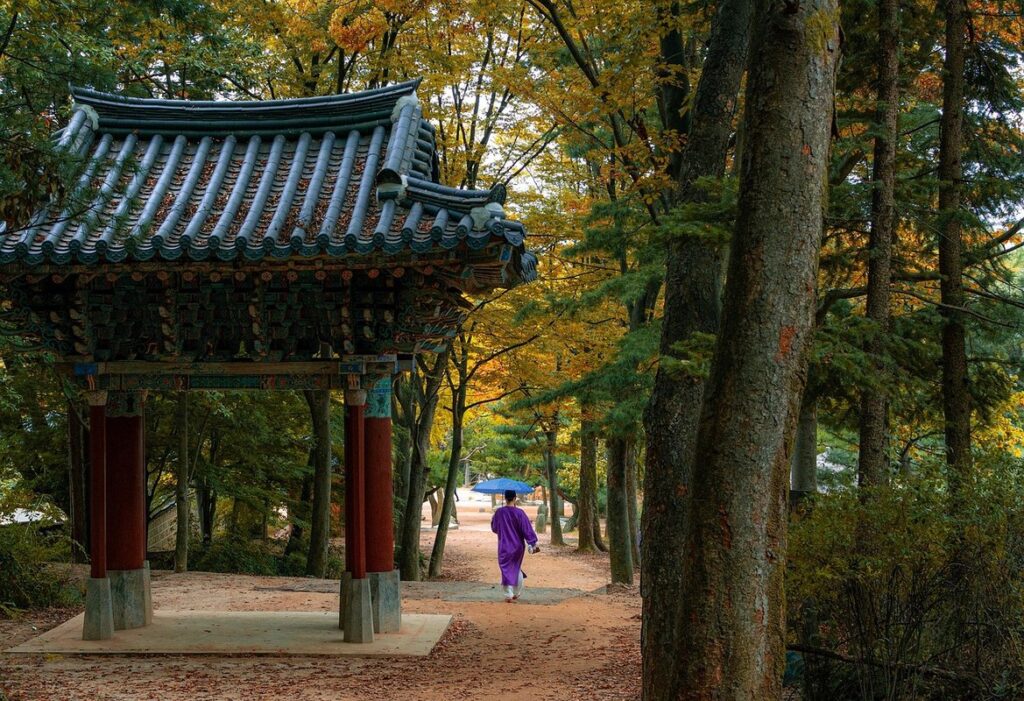
The History and Influences of South Korean Culture
South Korea’s rich cultural heritage is shaped by its ancient traditions, Buddhist influences, and centuries-long dynastic rule. We’ll explore how these historical forces have molded the country’s unique customs and practices today.
Early Traditions and Confucianism
Ancient Korean traditions such as shamanism and Buddhism significantly influenced the country’s cultural identity. However, it was Confucianism that eventually became a dominant force in shaping Korea’s social hierarchy and values. Confucianism arrived in Korea from China through the Silk Road trade route and was gradually integrated into the existing cultural fabric. The philosophy emphasized respect for authority, social hierarchy, and moral character. Koreans adopted many of its core principles, including the importance of education, filial piety, and self-cultivation.
The intersection of Confucianism with shamanism and Buddhism resulted in a unique blend of spiritual practices. Koreans would often visit Buddhist temples to pray for blessings and wisdom, while also honoring their ancestors through shamanic rituals. This syncretic approach allowed different traditions to coexist and influence one another. The influence of Chinese culture on Korea is evident in the adoption of Confucian rituals and ceremonies, such as the Seokga Jeol, a traditional ceremony honoring the Buddha’s birthday.
The legacy of this cultural fusion continues to impact modern Korean society, with its emphasis on education, social hierarchy, and community values. Understanding these early traditions provides insight into the country’s complex history and ongoing cultural evolution.
Japanese Colonization and its Impact
Japan’s colonization of Korea from 1910 to 1945 had a profound impact on Korean culture. The Japanese sought to erase traditional practices and replace them with their own customs, suppressing native identity. This is evident in the forced adoption of Shintoism, which replaced Buddhism as the dominant faith. Many temples were destroyed or converted into Shinto shrines, while Buddhist artifacts were confiscated.
The introduction of new customs was also swift. The Japanese imposed their language, writing system, and calendar on Korea, replacing the traditional Korean script with the Japanese one. This led to a decline in the use of the Korean language and a loss of cultural heritage. Traditional practices like folk music and dance were discouraged, while Western-style education and entertainment were promoted.
The colonization period also saw the rise of social hierarchy, with Koreans being forced into a rigid class system similar to Japan’s own social structure. The Japanese exploited Korea’s natural resources and labor, further exacerbating economic disparities within Korean society. This tumultuous period in Korean history has left lasting scars, influencing the country’s cultural identity and values to this day.
Post-War Reconstruction and Modernization
After World War II, South Korea embarked on a significant transformation, reconstructing its culture to incorporate modern values while maintaining its heritage. Christianity played a crucial role in this process, as missionaries introduced Western education and healthcare systems, which gradually gained popularity among the population. As a result, many Koreans began to adopt Christian customs and traditions, blending them with their existing Confucian practices.
The influx of Western influence also brought about significant changes in social norms and values. Women’s rights, in particular, saw considerable improvement as they became more involved in education and the workforce. The introduction of modern education systems enabled girls to pursue higher education, leading to increased literacy rates among women. This shift towards greater equality paved the way for Korea’s subsequent economic growth and development.
In addition to these changes, Western art and literature also began to influence Korean culture. Traditional arts such as calligraphy and painting adapted to incorporate new styles and techniques, resulting in a unique blend of Eastern and Western aesthetics. The rise of Christianity and Western influence during this period laid the groundwork for Korea’s subsequent cultural evolution, shaping its identity into what it is today.
Social Etiquette and Customs in South Korea
When interacting with locals, understanding social etiquette and customs is crucial to avoid unintended offense and build meaningful connections. Let’s explore some key rules to keep in mind when navigating everyday situations.
Respect for Elders and Ancestors
In Korean culture, showing respect to elders and ancestors is deeply ingrained. This reverence for age and tradition manifests in various customs, including Seonip (food offerings) and Charye (ancestral rituals). When visiting a Korean home, you may notice a designated area for Seonip, where families offer traditional foods such as rice cakes, tea, or fruits to their ancestors. These offerings are often made during significant life events, like birthdays or holidays.
Charye is another important tradition that honors the deceased. During these rituals, family members gather to pay respects and offer food, incense, and drinks to their ancestors. It’s customary for younger generations to bow and show respect to their elders before participating in Charye.
To demonstrate respect during interactions with elderly Koreans, remember to use formal titles such as “halmoni” (grandmother) or “ajusshi” (older gentleman). Physical gestures like bowing upon greeting or parting are also appreciated. Additionally, be mindful of your tone and language when speaking to elders; avoid using slang or making loud noises that may be considered impolite. By showing respect in these ways, you can build positive relationships with the Korean elderly.
Table Manners and Dining Etiquette
Using chopsticks correctly is a fundamental aspect of dining etiquette in Korea. You should hold the top chopstick between your thumb and index finger, while resting the bottom chopstick between your middle finger and ring finger. This may take some practice to master, but it’s essential for showing respect during meals.
Mealtimes are significant events in Korean culture, often used as opportunities to bond with family and friends. When dining with others, wait for the oldest person at the table to start eating before you begin. Also, try not to leave your chopsticks standing upright in your rice bowl, as this is reminiscent of a funeral ritual.
Table manners are equally important. Try to keep your hands visible on the table, with your wrists resting on the edge. Avoid speaking with your mouth full or burping at the table, as these behaviors can be seen as impolite. Additionally, never leave a meal unfinished – it’s considered wasteful and disrespectful. This may seem daunting for foreign visitors, but understanding these customs will help you navigate mealtimes in Korea more comfortably.
Gift-Giving Customs and Traditions
When giving gifts in Korea, it’s essential to consider the occasion and recipient. For birthdays and special holidays, a small gift is typically sufficient, but for major life events like weddings, graduations, or promotions, more substantial presents are expected. When choosing a gift, opt for something with thought and effort put into it, rather than just a generic item.
Consider traditional Korean items such as hanji (Korean paper) crafts, handmade jewelry, or beautifully crafted ceramics. These unique gifts not only show your appreciation but also support local artisans. Some popular gift-giving occasions include Chuseok (Harvest Festival), Seollal (Lunar New Year), and the Lunar New Year’s first three days.
When receiving a gift, it’s crucial to express gratitude graciously. A simple “gamsahamnida” (thank you) or “yeonghwa hamnida” (thank you for your kindness) is sufficient. Avoid opening gifts in public, as this can be seen as impolite. Instead, save the unwrapping for a private setting where you can fully appreciate the gift and express your gratitude sincerely.
Traditional Arts and Entertainment in South Korea
As we explore the rich cultural heritage of South Korea, traditional arts and entertainment play a significant role in showcasing the country’s unique history and identity. From vibrant folk performances to intricately crafted masks, discover how these age-old customs continue to captivate audiences today.
Music and Dance: Traditional Instruments and Styles
Korean traditional music is characterized by its unique blend of instruments and styles. The gayageum, a 12-stringed zither, is one of the most iconic instruments in Korean classical music. Its melodic sound is often accompanied by the geomungo, a six-stringed harp-like instrument that adds depth to the overall harmony. In ensemble settings, these instruments are frequently used alongside others like the gayageum’s smaller cousin, the geomungo’s larger counterpart, the gayegeum.
Traditional Korean dance styles often feature intricate hand gestures and footwork, as seen in samulnori performances. This style typically involves four percussionists who create a dynamic rhythm with their drums, while dancers move to the beat using precise body movements. Pansori is another highly stylized form of traditional music and dance that showcases vocal acrobatics and dramatic storytelling.
These styles have been passed down through generations in Korea, often as part of cultural celebrations or ceremonies. Watching a live performance of these traditional arts can be an immersive experience for visitors to South Korea. Attendees are encouraged to participate by joining the audience during performances like pansori singing competitions.
Visual Arts: Painting and Calligraphy
Korean painting techniques are characterized by their use of natural pigments derived from minerals and plants. Artists often foraged for materials like vermilion, which is made from cinnabar ore, to create vibrant hues. This focus on natural ingredients reflects the country’s emphasis on harmony with nature. Calligraphy also plays a significant role in Korean art, as it combines painting techniques with the written word. The brushstrokes used in calligraphy are often bold and expressive, while the choice of ink colors can convey meaning and emotional depth.
In traditional Korean art, calligraphy is not merely an accompaniment to painting but an integral part of the composition. Many pieces feature intricate calligraphic inscriptions that add layers of meaning to the artwork. To appreciate these nuances, it’s essential to understand the cultural context in which they were created. When viewing traditional Korean paintings and calligraphy, pay attention to the balance between the natural world and human expression.
To gain a deeper understanding of Korean art, consider visiting museums or galleries that showcase traditional works. Some notable pieces feature elaborate floral motifs and abstract landscapes, while others incorporate symbolic elements like dragons and phoenixes.
Storytelling and Folklore: Hyangga and Sijo Poetry
Korean oral tradition is rich and diverse, with various forms of storytelling and folklore that have been passed down through generations. Two notable examples are hyangga and sijo poetry. Hyangga is a type of ancient Korean poem that expresses the beauty of nature and the human experience. These poems often contain elements of mythology and symbolism, making them unique and captivating.
Sijo poetry, on the other hand, consists of short, three-line verses that convey a sense of balance and harmony. Typically written in a 3-4-5 syllable pattern, sijo poems explore themes such as love, nature, and human emotions. They often contain subtle wordplay and imagery, making them both beautiful and thought-provoking.
One way to appreciate the beauty of hyangga and sijo poetry is to listen to traditional Korean music, which often accompanies recitations of these poems. You can find recordings online or visit cultural festivals in Korea where live performances are held. By immersing yourself in the sounds and rhythms of traditional Korean music, you’ll gain a deeper understanding of the country’s rich oral tradition.
Modern South Korean Culture: Trends and Innovations
From K-pop sensations to cutting-edge technology, modern South Korea is a cultural melting pot that’s hard to ignore, with trends and innovations shaping its vibrant identity. Let’s explore some of these exciting developments up close.
K-Pop and the Rise of Global Popularity
K-pop’s ascent to global stardom is a testament to its unique blend of catchy melodies, intricate choreography, and high-energy performances. At the heart of K-pop’s success lies its ability to adapt and evolve, incorporating diverse styles and themes that resonate with international audiences. From BTS’s genre-bending fusion of rock and hip-hop to Blackpink’s edgy, experimental soundscapes, K-pop groups continually push boundaries and defy expectations.
One key factor contributing to K-pop’s global appeal is its emphasis on visuals and production quality. Music videos often feature elaborate sets, intricate costumes, and meticulously choreographed dance routines, creating a visually stunning experience that captivates viewers worldwide. Furthermore, K-pop idols are often trained in both music and acting, allowing them to seamlessly transition between performances and dramas.
The rise of social media has also played a significant role in K-pop’s global popularity. Platforms like TikTok and YouTube have enabled fans to easily access and share K-pop content, creating a viral feedback loop that propels new artists and songs into the spotlight. As a result, K-pop has transcended geographical boundaries, becoming a cultural phenomenon that inspires fans across the globe.
Fashion and Beauty Standards in Korea
In modern Korea, a highly competitive society with strong emphasis on social status and appearance, beauty standards have become increasingly rigid. The pursuit of flawless skin is particularly intense, with many Koreans devoting hours each day to skincare routines that involve multiple products and layers. This has led to the rise of “glass skin” as an idealized beauty standard, where skin appears smooth, luminous, and translucent.
Makeup is also highly valued in Korean culture, with a focus on achieving a natural-looking base tone that perfectly matches one’s skin color. The country’s thriving cosmetics industry offers a vast array of products designed to help individuals achieve this look, from foundation to concealers. Fitness is another crucial aspect of modern beauty standards in Korea, where maintaining a lean physique is seen as essential for social and professional success.
This high-pressure environment has led to a growing trend of “beauty fatigue” among young Koreans, who feel overwhelmed by the constant need to conform to these unrealistic expectations. Some are pushing back against this culture by embracing their natural features and promoting body positivity through social media campaigns. Others are seeking alternative beauty standards that prioritize individuality and self-expression over societal norms.
Technology and Gaming Culture in South Korea
South Korea’s tech-savviness is on full display in its thriving gaming culture. The country’s e-sports industry is one of the most developed in the world, with professional teams and leagues attracting massive audiences. The popular online game “League of Legends” has a huge following in South Korea, where players can compete in virtual tournaments and even earn scholarships to play professionally.
Mobile payments are also ubiquitous in South Korean daily life. Services like T-Money and Cashbee allow users to pay for everything from public transportation fares to restaurant meals using their mobile devices. E-commerce is another booming sector, with online shopping malls and platforms like Gmarket and 11th Street offering a vast range of products.
South Koreans are also known for their love of gaming PCs and high-end electronics. The country’s capital city, Seoul, has numerous specialized stores selling the latest gaming gear and accessories. For tourists, visiting these stores can be a fun way to experience the local culture and shop for unique souvenirs. To get a feel for South Korea’s tech scene, consider visiting the COEX Mall in Seoul, which is home to a massive e-sports arena and a variety of electronics retailers.
Education System and Values in South Korean Society
South Korea’s education system is highly competitive, emphasizing rigorous studying from a young age, and it plays a significant role in shaping its values around hard work and achievement. This dedication to academic excellence permeates every aspect of South Korean society.
The Importance of Education in Korean Culture
In Korean culture, education is considered a key factor in determining an individual’s social status and future prospects. Academic achievement is highly valued, and students are often pushed to excel from a young age. This emphasis on academic rigor is reflected in the country’s education system, which is designed to prepare students for highly competitive entrance exams that determine their admission to top universities.
The Korean concept of “jeong” – or deep emotional connection – plays a significant role in motivating students to study hard and achieve academic success. Parents often invest substantial time and resources into ensuring their children receive the best possible education, as it is seen as essential for securing a good job and maintaining social standing. As a result, many Korean students spend long hours studying outside of school, with some reportedly logging up to 16 hours per day during peak exam periods.
For foreigners looking to understand South Korean culture, recognizing the importance placed on education can help navigate everyday interactions and relationships with locals. It’s essential to be aware that academic achievement is a significant aspect of a person’s identity in Korea, and it may be necessary to adapt teaching or learning styles when interacting with Koreans who place high value on education.
Hierarchy and Discipline in Schools
In Korean schools, a strict hierarchy is deeply ingrained. Teachers and principals hold positions of authority, with students addressing them using honorific titles such as “sunsaeng-nim” (teacher) or “gyoseong” (principal). The respect for elders is carried over from traditional Confucian values, emphasizing the importance of obedience and deference to those in higher positions. This hierarchy extends beyond just teachers and principals; students are also ranked within their own grade level, with the top-performing students often receiving special treatment and recognition.
To maintain discipline, schools often use a system of rewards and punishments. Students who excel academically or demonstrate good behavior may be rewarded with privileges such as extra homework-free days or special outings. Conversely, misbehaving students may face public reprimand, detention, or even expulsion in severe cases. This emphasis on discipline is designed to prepare students for the highly competitive academic environment and high expectations placed upon them by their families and society.
Teachers play a crucial role in enforcing this hierarchy, often serving as models of behavior and etiquette for their students. They are expected to be strict but fair, maintaining a firm but approachable demeanor that commands respect without being overly intimidating.
Extracurricular Activities and Sports
Extracurricular activities and sports play a vital role in shaping the values of South Korean students. From elementary school to high school, these activities are highly emphasized as a means of developing teamwork and leadership skills. Students typically participate in team sports like basketball, soccer, or volleyball, which require coordination, strategy, and communication among teammates.
In addition to promoting physical fitness, extracurricular activities also foster social connections and emotional intelligence. Many schools place a strong emphasis on cultivating “hagwon spirit,” encouraging students to work together towards common goals and develop a sense of belonging within their school community.
To succeed in these team-based environments, South Korean students often adopt a collectivist mindset, prioritizing the needs of their group over individual achievements. This approach is reflected in the cultural value of “jeong,” or deep emotional connections with others, which is highly valued in South Korean society. By participating in extracurricular activities and sports, students can develop these essential skills and become well-rounded individuals prepared to contribute to their communities.
Frequently Asked Questions
Can I apply Confucian values in my own life even if I’m not Korean?
Yes, the principles of Confucianism, such as respect for elders and ancestors, can be applied universally to promote harmony and balance in any culture. Understanding these values can help you develop a deeper sense of empathy and community.
What if I struggle with the strict hierarchy and discipline in South Korean schools? Can I still learn from their education system?
Yes, while the emphasis on discipline may seem rigid, it’s designed to foster a strong work ethic and self-motivation. You can adapt these principles to your own learning style by setting clear goals and expectations for yourself.
How do I navigate gift-giving customs in Korea if I’m not familiar with them? What are some common gifts?
When giving gifts in Korea, it’s essential to choose items that show respect and thoughtfulness. Consider gifting traditional items like tea sets or handmade crafts, especially when visiting elderly relatives or attending special occasions.
Can I use chopsticks correctly even if I’ve never held them before? Are there any specific rules for using them in formal settings?
Yes, learning proper chopstick etiquette takes practice, but it’s not difficult to master. Start by holding the top chopstick between your thumb and index finger, with the bottom chopstick resting on the base of your middle finger.
How do I balance learning about traditional Korean culture with modern innovations like K-pop and gaming? Can they coexist?
Yes, understanding both traditional and modern aspects of South Korean culture is essential to appreciating its rich heritage. You can explore K-pop and gaming while still respecting and learning from the country’s historical customs and values.

