
As you sit down with your steaming cup of tea, have you ever stopped to think about where the different cultures you’re familiar with get their unique traditions from? The significance of tea in various regions is a fascinating topic that can transport us across continents and time zones. From the birthplace of tea itself – China – to Europe’s love affair with Earl Grey, each country has its own distinct tea culture shaped by history, climate, and social norms. In some cultures, like Japan’s Chanoyu or Sado, tea is an intricate ritual that combines aesthetics, spirituality, and social bonding. Meanwhile, in the Middle East, tea is often infused with spices to create a unique flavor profile that reflects local tastes. By exploring these diverse traditions, we can gain a deeper appreciation for the complex history and cultural significance of tea around the world, allowing you to appreciate the nuances of tea-making in different regions.
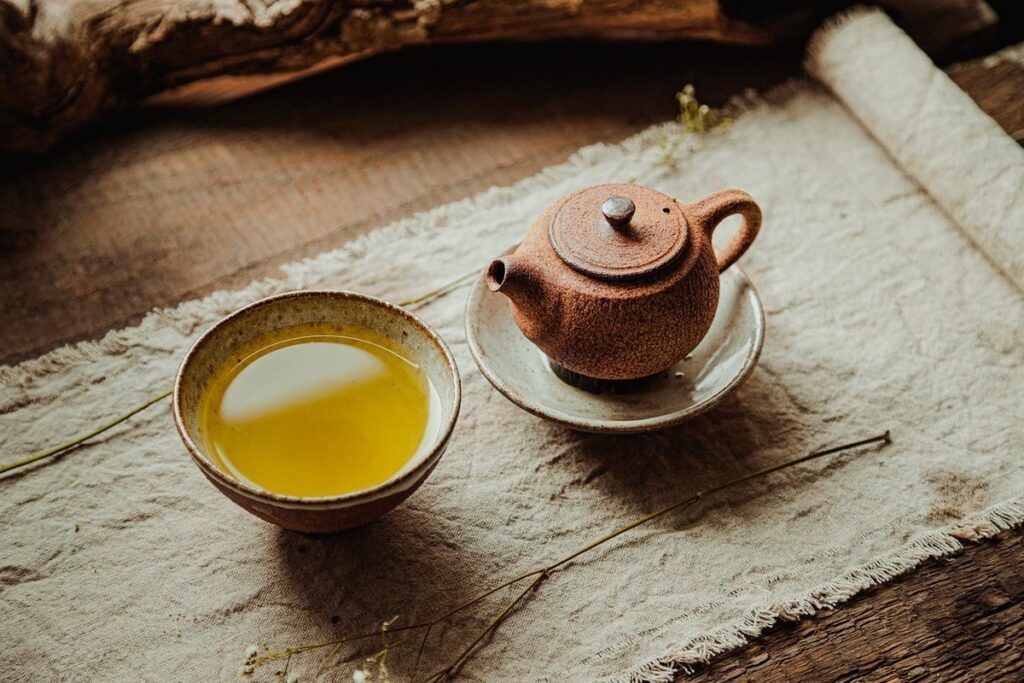
The Origins of Tea Culture
Tea has a rich history that spans thousands of years, originating in ancient China where it was first revered as a medicinal elixir. From its humble beginnings to its modern-day global popularity, tea’s evolution is a fascinating story.
Ancient China and the Birthplace of Tea
In ancient China, tea originated over 4,000 years ago as a medicinal drink. Legend has it that Emperor Shennong, also known as the “Divine Farmer,” discovered tea when leaves from a nearby tree fell into boiling water. The resulting brew was said to have various health benefits and was soon adopted by Chinese royalty and eventually spread throughout the country.
Tea played a significant role in Chinese culture, particularly during the Tang Dynasty (618-907 CE). Tea houses became popular gathering places for scholars, poets, and artists, where they would engage in lively discussions and debates. The art of tea-making became an intricate process, with different regions developing their own unique techniques and flavors.
The significance of tea in Chinese culture extends beyond its taste and health benefits. It’s also deeply rooted in the country’s spiritual and philosophical traditions. In Taoist and Buddhist rituals, tea is often used as a symbol of mindfulness and meditation. Today, China remains one of the world’s largest consumers of tea, with tea ceremonies still an integral part of Chinese tradition and hospitality.
From China to Japan: The Influence of Zen Buddhism
When Zen Buddhism was introduced to Japan from China in the 12th century, it had a profound impact on Japanese tea culture. The traditional Japanese tea ceremony, known as Chanoyu, Sado or Ocha, is deeply rooted in Zen principles of mindfulness and simplicity. The ceremony’s emphasis on harmony with nature, respect for tradition, and attention to detail reflects the Buddhist concept of “suchness” (tathata), which seeks to transcend the mundane and attain a state of spiritual purity.
In the traditional Japanese tea house, the tea master’s role is not only to prepare and serve the tea but also to create an atmosphere of tranquility and mindfulness. The ceremony involves meticulous attention to detail, from the selection of ceramics to the arrangement of flowers, all designed to promote a sense of awareness and presence. For those interested in incorporating Zen principles into their own tea practice, consider adopting a similar approach: pay attention to the simple, mindful act of preparing and savoring your tea, and cultivate an appreciation for the beauty of nature that surrounds you.
Key elements of the traditional Japanese tea ceremony include:
• A carefully selected matcha bowl
• A small amount of perfectly prepared green tea
• Simple yet elegant decorations
• The deliberate, ritualistic movement of the tea master
Tea Culture in Europe: A History of Colonization and Assimilation
As we travel through the history of tea culture, it’s essential to acknowledge how European colonization shaped the continent’s love affair with this beloved beverage. Tea drinking in Europe was heavily influenced by colonial powers who imposed their own traditions on native cultures.
British Tea Culture: From Colonial Exploitation to National Pride
The British are known for their love of tea, but its ubiquity belies a complex history marked by colonial exploitation. Tea was introduced to Britain through trade with China during the 17th and 18th centuries, when the East India Company dominated the Indian subcontinent’s tea production. This led to widespread addiction and social changes among the British upper class.
As the Industrial Revolution took hold, tea became a symbol of status, with only the wealthy able to afford it. The working classes turned to alternatives like coffee or gin. However, by the mid-19th century, tea had become an integral part of British culture, particularly in the context of social etiquette and afternoon tea.
The legacy of colonialism still lingers, with many arguing that Britain’s addiction to tea was facilitated by exploitation of Indian labor and resources. Today, this complicated history is acknowledged through initiatives like fair trade certifications and more nuanced discussions around national identity. When hosting a traditional British-style tea party, consider the historical context behind the tradition: opt for high-quality, sustainably sourced tea, and take a moment to appreciate the complexities that have shaped this beloved beverage.
French Tea Culture: Luxury and Sophistication
In France, tea culture is a reflection of the country’s emphasis on luxury and sophistication. Fine china is de rigueur for afternoon tea, with delicate patterns and intricate designs adding to the overall aesthetic. Tea etiquette is also deeply ingrained, with rules governing everything from the order in which tea cups are filled to the precise amount of sugar that should be added.
One notable aspect of French tea culture is its focus on loose-leaf teas, particularly those sourced from high-end estates in Asia and Africa. These premium teas are often infused using a traditional method called “à la gai,” where the leaves are steeped for a short time to preserve their delicate flavors. This attention to detail is mirrored in the elaborate tea sets used by French hosts, which can include intricately designed teapots, infusers, and sugar bowls.
To incorporate these elements into your own tea experience, consider investing in high-quality loose-leaf teas and using fine china cups and saucers. You may also want to learn basic tea etiquette rules, such as not stirring the tea until it’s been poured from a height of at least 12 inches. By paying attention to these details, you can create a more authentic French-style tea experience at home.
The Middle East and North Africa: A Region Rich in Tea Traditions
From Morocco’s iconic mint tea to Turkey’s robust Turkish tea, the Middle East and North Africa are home to a diverse array of traditional tea customs that reflect local flavors and hospitality. Let’s take a closer look at some of these unique traditions.
Morocco’s Strong Tea Culture: Minty Fresh and Socially Significant
In Morocco, strong tea culture plays a vital role as a social lubricant. For Moroccians, mint tea is more than just a refreshing beverage – it’s an integral part of daily life and social interactions. When guests arrive, hosts typically offer them a glass of sweet mint tea, signaling respect and hospitality. This custom is deeply ingrained in Moroccan culture, where relationships are built over time and conversation flows as freely as the tea.
Mint tea is often served at family gatherings, weddings, and other celebrations. Its preparation is an art form in itself, with fresh mint leaves and green tea leaves being carefully measured to achieve the perfect balance of flavors. The process of making mint tea is a social occasion, where friends and family gather around the table to chat and bond over a steaming pot.
As a guest, it’s customary to accept the offer of mint tea with both hands, signaling gratitude and respect for your host’s hospitality. When drinking mint tea, be sure to finish each glass completely, as leaving even a small amount would imply that you’re not enjoying it. By embracing these customs, visitors can participate in and appreciate the rich social significance of Moroccan tea culture.
Turkey’s Whirling Dervishes and the Role of Tea in Sufi Rituals
In Turkey, tea plays a significant role in Sufi rituals, particularly among the whirling dervishes of the Mevlevi Order. These spiritual dancers use tea as a sacrament to facilitate a deeper connection with their faith and the divine. During their mesmerizing performances, they often drink strong black tea made from leaves grown in the Rize region of eastern Turkey.
As they whirl, the dervishes believe that the bitter flavor of the tea helps to purify their souls and prepare them for spiritual enlightenment. The ceremony is a sensory experience, with the dancers’ whirling motion accompanied by the sound of traditional instruments and the aroma of tea wafting through the air.
In Sufi tradition, tea is seen as a symbol of hospitality and generosity. By sharing tea with others, the dervishes embody the principles of their faith, which emphasizes compassion, love, and selflessness. When attending a whirling dervish performance, visitors are often offered a cup of tea as a gesture of welcome and respect.
In this context, tea is not just a beverage but an integral part of the spiritual experience. By participating in the ritual, observers can gain a deeper understanding of Turkish Sufi culture and its emphasis on community, compassion, and spiritual growth.
India: A Country with a Vibrant and Varied Tea Culture
From the spicy Assam tea of eastern India to the delicate Darjeeling of the Himalayas, the country’s diverse regions each bring their own unique flavor profiles. Let’s explore how this diversity shapes India’s rich and varied tea culture.
Chaiwallahs and Street Vendors: The Heartbeat of Indian Tea Culture
Indian tea culture is a vibrant and varied entity, but perhaps no aspect better embodies its spirit than the humble street vendors and chaiwallahs. These unsung heroes bring flavor to the streets with an array of spices, from the classic cinnamon, cardamom, and ginger to more adventurous options like saffron and rose petals. The tea leaves themselves can be black, green, or a blend of the two.
The role these vendors play in daily life cannot be overstated. They often set up shop on street corners, outside offices, or near public transportation hubs, making it easy for people to grab a cup on their way to work or during a lunch break. For many Indians, chai is not just a drink but an integral part of social interactions. It’s common to see groups gathered around a vendor’s stall, chatting and laughing over steaming cups.
In terms of flavors and ingredients, Indian tea culture is incredibly diverse. You can find vendors specializing in specific types, like masala chai or elaichi chai (cardamom tea). Some even offer unique variations, such as the popular ‘kadak chai,’ a strong and sweet brew typically served at train stations.
South India’s Spiced Tea Traditions: A Unique Blend of Flavor and Spice
In southern India, spiced tea traditions are a unique blend of flavor and spice. The region is home to several distinctive regional specialties, each with its own set of spices and ingredients. One popular variation is the Masala Chai from Tamil Nadu, which typically includes a combination of cinnamon, cardamom, ginger, and black pepper. In Kerala, the Chaiyude is a spiced tea made with green tea leaves, ginger, and a hint of nutmeg.
The use of spices in southern Indian tea culture is influenced by the region’s history as a major trading hub for spices and other commodities. The unique blend of flavors has also been shaped by the local cuisine, which often incorporates a variety of spices and herbs into its dishes. For example, the tea stalls in Chennai often serve a sweet and spicy Chai made with black tea leaves, ginger, and jaggery (unrefined cane sugar).
When trying southern Indian spiced teas, it’s worth noting that the strength and flavor can vary depending on the region and individual vendor. To get the most out of your experience, try visiting local tea stalls or restaurants to sample a variety of different blends.
The Americas: A Region of Hybrid Tea Cultures
From the vibrant streets of Rio to the bustling cities of New York, we’ll explore how tea culture has merged with local traditions in the Americas. This fascinating blend is a true reflection of the region’s diverse heritage.
American Tea Culture: A Melting Pot of Influences
American tea culture is a vibrant reflection of the country’s history as a melting pot. From colonial times to modern-day trends, various immigrant groups have left their mark on the way Americans enjoy and experience tea. The early British colonizers brought with them their love for strong black tea, which became an integral part of American daily life, particularly in the Northeast. However, it wasn’t long before other cultures, such as the Chinese, Japanese, and Indians, introduced their unique tea traditions to the United States.
Today, you can find a diverse array of teas being served in American cafes and homes. Many Americans are discovering the joys of loose-leaf tea and specialty blends, while others continue to prefer traditional black tea or iced tea with lemon. The rise of tea culture in America has also led to the creation of unique fusion styles, such as matcha lattes and chai-spiced teas.
To experience American tea culture firsthand, try visiting a local tea house or attending a tea festival. Many cities now host annual tea festivals that celebrate the diversity of tea traditions from around the world. By embracing these various influences, Americans can appreciate the rich tapestry of tea culture that has been woven together over time.
South American Tea Culture: A Blend of European and Indigenous Traditions
In Argentina, Chile, and Brazil, tea culture reflects a unique blend of European and indigenous influences. The Spanish conquest brought European-style tea to South America, but it was the Portuguese who introduced tea to Brazil, where it became an integral part of the country’s traditional coffee breaks. However, as tea gained popularity, local customs and flavors were incorporated into the brewing process.
In Argentina, for instance, yerba mate, a traditional Paraguayan tea, has become a staple among locals. While not strictly a European-style tea, its strong, earthy flavor has been adopted by many who enjoy it with milk and sugar. In Chile, on the other hand, black tea is often served at social gatherings, infused with local herbs like lemon verbena.
In Brazil, where tea consumption has grown significantly in recent years, you’ll find a mix of European-style brews alongside traditional South American flavors. Try pairing a strong black tea with guava or passionfruit syrup for a taste of the country’s vibrant culture. Whether served at family gatherings or enjoyed on the go, South American tea culture is all about fusion and creativity – so don’t be afraid to experiment with local ingredients and brewing methods!
Frequently Asked Questions
Can I apply the principles of Japanese tea ceremony to my everyday life?
Yes. The mindfulness and attention to detail inherent in the traditional Japanese tea ceremony can be applied to any daily activity, promoting a sense of calm and presence. Focus on the present moment, appreciate the simplicity of the experience, and cultivate gratitude for the people and surroundings involved.
How do I navigate cultural differences when hosting guests from different tea cultures?
Be respectful of local customs and traditions, but also don’t be afraid to share your own unique tea culture practices with guests. Ask about their preferences and incorporate them into your hosting, making sure to communicate clearly and politely. This way, you can create a welcoming atmosphere for everyone.
What if I’m not familiar with the ingredients or flavors used in a particular tea culture? How do I adapt?
Start by learning about the local ingredients and flavor profiles associated with that culture’s tea traditions. Experiment with small quantities and blends to find something that suits your taste buds. Don’t be afraid to ask questions or seek guidance from experts, as this will not only enhance your experience but also deepen your understanding of the culture.
Can I adapt tea culture practices for people with dietary restrictions or allergies?
Yes. Many tea cultures already incorporate flexible ingredient options and adaptations for guests with special needs. Look into creative substitutions and flavor combinations that can cater to various dietary requirements, ensuring everyone feels included and comfortable during a tea experience.
What if I want to establish my own unique tea culture tradition within my community? How do I begin?
Start by engaging your local community in discussions about tea culture and its many forms. Identify what elements resonate with you and your community, then experiment with incorporating these into your daily life and social gatherings. Be patient, as building a new cultural tradition takes time, but with persistence and creativity, you can create something truly unique and meaningful.

