As you squeeze into your crowded morning train or sit stuck in traffic, you can’t help but feel like the daily commute is sucking the life out of you. The daily grind of getting to work on time is not only a hassle, but it’s also taking a toll on our mental health and productivity. Cities around the world are facing similar challenges, with congestion and environmental impact reaching crisis levels. But what if your daily commute could be transformed into a more enjoyable, sustainable experience? With innovative transportation systems, urban planning strategies, and emerging technologies like smart traffic management and electric vehicles, cities are finding new ways to reduce congestion and minimize their carbon footprint while boosting mental well-being and work efficiency. By the end of this article, you’ll understand how your city is tackling these challenges and what changes you can expect in the future.
Defining the Daily Commute
The daily commute is a universal experience that affects millions of people worldwide, from busy city streets to quiet suburban roads. Let’s start by understanding what we mean by “commute” and how it varies across different contexts.
What Constitutes a Daily Commute?
A daily commute can take many forms, but at its core, it involves regular travel between a person’s residence and their place of work or study. The defining characteristics of a daily commute typically include distance – whether walking to the local coffee shop, cycling to a nearby office, or driving to a suburban workplace – as well as mode of transportation. While walking and cycling are considered active modes, cars, buses, trains, and other vehicles also fall under this category.
Frequency is another crucial aspect of what constitutes a daily commute. This can range from occasional trips for specific events, such as concerts or conferences, to regular travel for work or education. In urban areas, commuters often rely on public transportation systems like buses, subways, or trains, while in suburban and rural regions, personal vehicles are more prevalent.
In addition to these factors, the time spent commuting can also play a significant role in determining whether an individual’s travel qualifies as a daily commute. For instance, someone who works from home part-time but commutes to their office for the remaining hours may be considered a commuter.
Impact on Daily Life
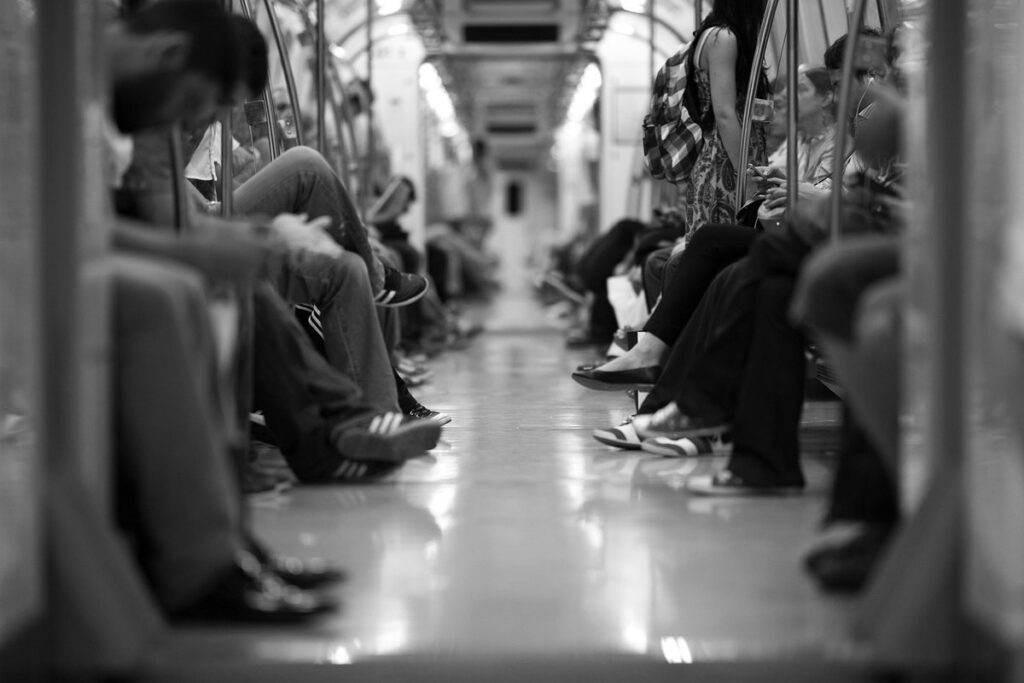
For many people, the daily commute is a significant part of their daily routine. Beyond just getting from one place to another, it can have a profound impact on individuals’ lives. One major area affected by the daily commute is stress levels. Long commutes, especially those involving rush hour traffic or crowded public transportation, can be a significant source of anxiety and stress.
Research has shown that long commutes can lead to feelings of frustration, irritability, and even depression. This can have a ripple effect on personal relationships, work performance, and overall well-being. In fact, studies have found that individuals who spend more than an hour commuting each day are more likely to experience mental health issues.
In addition to stress levels, the daily commute can also impact productivity. Commuters often report feeling rushed or time-constrained due to the need to fit in a long commute before starting their workday. This can lead to feelings of burnout and decreased motivation. To mitigate these effects, some commuters are turning to flexible work arrangements or adjusting their daily routines to better manage their time.
A small but significant minority of people have reported increased productivity during their commutes due to listening to audiobooks, podcasts, or working remotely while on public transportation.
The History of Urban Planning and Commuting
The evolution of urban planning has significantly impacted how we commute, from ancient cities to modern-day megacities, each period offering unique insights into transportation challenges. Let’s take a closer look at this fascinating history.
Early Development of Cities and Transportation Systems
Urban planning has undergone significant transformations since ancient civilizations first established cities. As populations grew, so did the need for efficient transportation systems. In ancient Mesopotamia and Egypt, canals and waterways were constructed to facilitate trade and commerce. These early networks laid the groundwork for future urban development.
In Europe during the Middle Ages, cities like Venice and Amsterdam built extensive canal systems, enabling merchants to transport goods along the waterways. This reliance on waterborne transportation contributed to the growth of city centers and the emergence of commercial districts.
As cities expanded, land-based transportation systems began to take shape. In 18th-century England, horse-drawn omnibuses revolutionized public transportation, connecting suburbs to urban centers. Later, the introduction of railroads further transformed the way people moved around cities, leading to the growth of suburbs and the development of commuter patterns.
These early innovations in transportation and urban planning set the stage for modern commuting practices. Understanding how our ancestors adapted to growing populations and expanding cities can provide valuable insights into addressing contemporary challenges in urban mobility.
The Rise of Suburbanization and Car Culture
After World War II, a massive suburbanization trend swept across the United States, with millions of Americans leaving cities for quieter, more spacious surroundings. This shift had far-reaching consequences for urban planning, transportation, and daily commutes. As cities sprawled outward, roads were built to accommodate the growing number of drivers, leading to the dominance of car culture.
The construction of highways like the Interstate Highway System enabled easier travel between suburbs and city centers, but it also created a dependence on personal vehicles. Suddenly, commuting became a necessary evil for many workers, with lengthy drives becoming the norm. The rise of suburbanization led to a decline in public transportation usage, as buses and trains were often underfunded or inefficient.
The effects of this trend are still felt today. Many cities struggle with traffic congestion, air pollution, and urban sprawl. However, some cities have begun to adapt, incorporating alternative modes of transportation, such as bike-share programs and pedestrian-friendly infrastructure, into their planning strategies. By learning from the past, we can work towards creating more sustainable and equitable daily commutes for the future.
Environmental Impact of Daily Commuting
As you probably already know, driving or taking public transportation to work each day can have a significant impact on our planet. Let’s examine the environmental consequences of daily commuting in more detail.
Greenhouse Gas Emissions from Transportation
Greenhouse gas emissions from transportation are a significant contributor to climate change. The production of gasoline and diesel fuels for cars and trucks releases carbon dioxide, methane, and nitrous oxide into the atmosphere. These gases trap heat and contribute to global warming.
The average American commuter emits around 4.6 metric tons of CO2 per year, primarily due to driving to work or school. This may seem like a small amount, but it adds up when considering the cumulative effect of daily commutes across the country. In urban areas, air pollution from transportation is also a major concern, with pollutants like particulate matter and ozone contributing to respiratory problems.
To put this into perspective, consider that the transportation sector accounts for nearly 30% of total greenhouse gas emissions in the United States. This is more than any other sector, including industry or electricity generation. By adopting alternative modes of transportation, such as carpooling, biking, or taking public transit, commuters can significantly reduce their carbon footprint. Even small changes, like driving electric or hybrid vehicles, can make a difference when combined with other sustainable practices.
Alternative Modes of Transportation
Public transit systems are a viable alternative to solo driving. They offer efficient transportation options for large numbers of people, reducing the overall number of vehicles on the road. A well-designed public transit system can significantly decrease greenhouse gas emissions and alleviate traffic congestion.
Cycling is another environmentally friendly option that’s gaining popularity in many cities. Bike-sharing programs and infrastructure improvements have made it easier for commuters to pedal to work. Cities like Copenhagen and Amsterdam have successfully integrated cycling into their transportation networks, reducing carbon emissions and promoting healthier lifestyles.
Walking is also an underutilized mode of transportation. With urban planning that prioritizes pedestrian-friendly design, walking can be a convenient and enjoyable way to commute short distances. Many cities are adopting policies to promote walkability, such as creating dedicated pedestrian zones and implementing traffic calming measures.
In addition to these individual alternatives, carpooling and ride-sharing services can also reduce the number of vehicles on the road. By incentivizing people to share rides, these services can decrease emissions and alleviate congestion. Some companies even offer rewards programs for frequent riders, further encouraging this behavior.
Psychological and Social Factors Affecting Daily Commutes
Your daily commute is influenced by more than just traffic jams and road conditions, as psychological and social factors can significantly impact your experience. From stress and anxiety to social connections and community dynamics, these factors play a significant role.
Stress and Anxiety Associated with Commuting
Daily commuting can have a profound impact on mental health, particularly when it comes to stress and anxiety. Research suggests that commuters experience higher levels of cortisol, the hormone associated with stress, than non-commuters. This is likely due to the uncertainty and unpredictability of daily commutes, which can be affected by factors such as traffic congestion, public transportation delays, and inclement weather.
A survey conducted in urban areas found that 60% of commuters reported feeling anxious or stressed during their commute, with many citing concerns about being late for work or feeling trapped in crowded vehicles. Moreover, a study on job satisfaction revealed that daily commuting can negatively impact employees’ overall well-being, leading to decreased motivation and productivity.
To mitigate the negative effects of commuting on mental health, employers can consider flexible work arrangements, such as telecommuting or compressed workweeks, which allow employees to avoid the commute altogether. Additionally, cities can invest in public transportation infrastructure that prioritizes comfort, safety, and efficiency, reducing stress and anxiety for commuters. By acknowledging the psychological toll of daily commuting, we can begin to develop more supportive and sustainable transportation systems.
Commuter Culture and Social Networks
Commuter culture is a unique phenomenon that arises from the shared experience of daily commutes. As people travel to and from work, they inevitably interact with fellow commuters, forming social networks and influencing one another’s behavior. On public transportation, you might strike up conversations with neighbors or coworkers, exchanging pleasantries or discussing the day’s events.
However, these interactions can also be superficial, and many commuters feel disconnected from their fellow travelers despite being in close proximity. To build more meaningful relationships, try engaging with your surroundings by reading a book or listening to music while on public transportation. You might even strike up conversations with others who share similar interests.
The formation of social networks during commutes is also influenced by factors like commute duration and mode of transport. For example, long-distance commuters may form close bonds with their colleagues over shared daily experiences, whereas short-distance commuters may prioritize efficiency and minimize interactions. By understanding these dynamics, you can intentionally cultivate connections with fellow commuters and make your daily commute more enjoyable and meaningful.
Innovative Solutions for Smarter Daily Commutes
Whether you’re a daily commuter or just looking for ways to reduce your carbon footprint, we’ll explore innovative transportation solutions that are changing the game. From ride-sharing apps to electric vehicles, discover what’s making commutes smarter and more sustainable.
Emerging Technologies in Transportation
Autonomous vehicles are being tested on public roads, with companies like Waymo and Cruise already offering self-driving taxi services. Smart traffic management systems use real-time data to optimize traffic light timing, reducing congestion and travel times. These systems can also integrate with other technologies, such as sensors and cameras, to provide more accurate traffic information.
Mobility-as-a-service (MaaS) platforms are another emerging technology that’s changing the way people commute. MaaS combines public, private, and shared transportation options into a single app or platform. Users can plan their trip, pay for fares, and track their journey all from one place. Examples of MaaS include Moovit in Israel and Whim in Finland.
These technologies have the potential to significantly reduce congestion, emissions, and travel times. However, they also raise important questions about equity and accessibility. For example, will these systems prioritize carpoolers or solo drivers? Will they be affordable for low-income commuters? Cities are experimenting with different approaches to address these concerns and ensure that emerging technologies benefit all members of the community.
Urban Planning Strategies for Reduced Congestion
Urban planning strategies can significantly contribute to reducing congestion by rethinking how we design our cities. Mixed-use development is a key approach, where residential, commercial, and recreational spaces are integrated within walking distance of each other. This reduces the need for lengthy commutes and promotes a more walkable environment. For instance, the city of Portland’s Pearl District transformed an underutilized industrial area into a vibrant mixed-use neighborhood with shops, restaurants, and housing.
Another strategy is transit-oriented development (TOD), which focuses on creating high-density neighborhoods around public transportation hubs. This encourages residents to rely on buses, trains, or bike-share systems rather than personal vehicles. Cities like Vancouver have successfully implemented TOD by building dense residential areas near major transit stations. Pedestrian-friendly infrastructure is also crucial in reducing congestion. This includes features like wide sidewalks, crosswalks, and dedicated bike lanes that prioritize the needs of walkers and cyclists.
Cities can also adopt a more flexible approach to zoning regulations, allowing for a mix of land uses within neighborhoods. This promotes a more nuanced understanding of what constitutes residential or commercial areas and encourages innovation in urban design.
Case Studies: Cities Leading the Way in Commuter Innovation
Cities like Singapore and Barcelona are pioneering innovative solutions to make commuting faster, cheaper, and more sustainable for their citizens. We’ll examine the strategies behind their success.
City Examples of Successful Commuter Initiatives
Cities like Copenhagen, Barcelona, and New York have successfully implemented bike-share systems to reduce congestion and promote sustainable transportation. For example, Copenhagen’s “Bycyklen” system provides 20-minute bike rentals for a small fee, making it an affordable option for short trips. Similarly, Barcelona’s Bicing program has reduced car traffic by 10% since its launch in 2007.
In terms of carpooling apps, cities like Singapore and San Francisco have seen significant reductions in congestion through the use of ride-sharing services. In Singapore, the government launched a carpooling app called “Carpool Buddy” to encourage citizens to share rides. The city has also implemented a dynamic pricing system for parking, which has led to a 15% reduction in traffic.
Another innovative solution is congestion pricing schemes, such as London’s Congestion Charge and Stockholm’s City Toll Scheme. These systems charge drivers a fee to enter certain areas of the city during peak hours, reducing traffic and increasing air quality. By studying these examples, cities can learn how to create more efficient and sustainable transportation systems that benefit both residents and visitors alike.
Lessons Learned for Other Cities and Communities
Cities like Copenhagen, Stockholm, and Vancouver are redefining urban mobility with innovative solutions. The success of these cities’ commuter initiatives offers valuable insights for other metropolises to improve their transportation systems. One key takeaway is the importance of integrating public transport with alternative modes of travel, such as cycling and walking.
For instance, Copenhagen’s bike-sharing system has significantly reduced congestion and emissions. Similarly, Vancouver’s electric bus fleet has decreased greenhouse gas emissions by a notable margin. These cities have also prioritized pedestrian-friendly infrastructure, making it easier for residents to walk or cycle to work.
Another crucial lesson learned is the need for data-driven decision-making. Cities like Stockholm use real-time traffic monitoring systems to optimize public transport routes and reduce congestion. By embracing technology and data analysis, urban planners can create more efficient transportation networks that benefit both commuters and the environment.
Key takeaways from these case studies include:
- Integrating multiple modes of transportation
- Prioritizing pedestrian-friendly infrastructure
- Embracing data-driven decision-making through real-time traffic monitoring
Frequently Asked Questions
How Long Does It Take to See Significant Reductions in Congestion?
Yes, it can take anywhere from several months to several years for cities to see significant reductions in congestion, depending on the scope and complexity of the implementation. Factors such as the quality of infrastructure, community engagement, and policy support play a crucial role in determining the speed of progress.
What If My City Doesn’t Have the Budget or Resources for Large-Scale Infrastructure Projects?
Cities with limited budgets can still implement smaller-scale initiatives like bike-share programs, pedestrian-friendly infrastructure, or smart traffic management systems. These projects can have a significant impact on reducing congestion and improving air quality while being more cost-effective.
Can Autonomous Vehicles Be Used as a Direct Replacement for Human Drivers in Daily Commutes?
No, autonomous vehicles are not yet ready to replace human drivers entirely due to technical limitations such as navigation complexities and edge cases like construction zones or extreme weather conditions. They can, however, be integrated into existing transportation systems to improve safety and efficiency.
How Can I Get Involved in Urban Planning Efforts in My Community?
Start by attending local city council meetings, joining community groups focused on urban planning, and participating in online forums discussing transportation issues. You can also volunteer for initiatives like bike-share programs or clean-up efforts, which can provide valuable hands-on experience and help build relationships with key stakeholders.
What If I Live in a Rural Area with Limited Public Transportation Options?
In rural areas where public transportation is scarce, alternative solutions such as ride-sharing services, carpooling apps, or community-led shuttle programs can be effective. Additionally, advocating for improved public transportation infrastructure through local advocacy groups can lead to better connectivity and reduced reliance on personal vehicles.