Do you often feel like your words get stuck in your throat, or that you struggle to express yourself effectively? This is where the ancient practice of Throat Chakra Mudra comes in. By stimulating the fifth energy center in our body, located at the base of the neck, we can unlock our true potential and become more confident communicators. This comprehensive guide will walk you through the simple yet powerful technique of Throat Chakra Mudra, which has been used for centuries to reduce stress and anxiety, improve communication skills, and enhance self-expression. Through a series of easy-to-follow steps and tips, we’ll explore how this mudra can help you tap into your inner voice and speak from the heart. By the end of this guide, you’ll be able to use Throat Chakra Mudra to unlock your full potential and communicate more effectively with others.
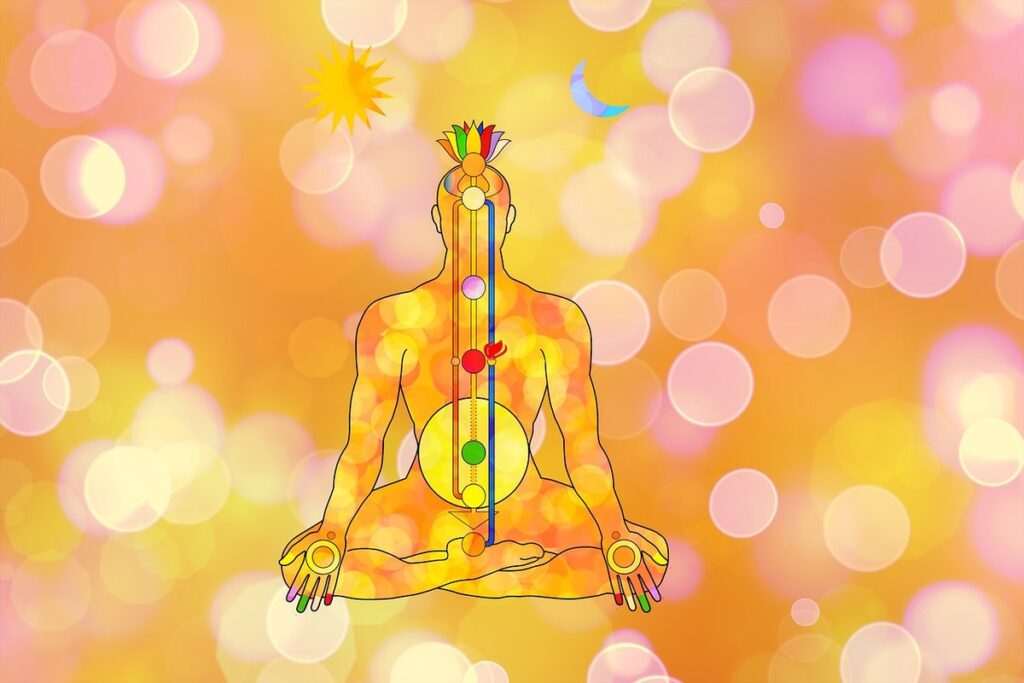
Understanding the Throat Chakra
The throat chakra, located at the base of the neck, is a vital energy center that governs communication and self-expression. Let’s explore its functions and significance in more detail to understand its role in mudra practices.
What is the Throat Chakra?
In yoga philosophy, the throat chakra is known as Vishuddha, which translates to “purification” or “refining.” It’s located at the base of the neck and is associated with communication, self-expression, and authenticity. This energy center governs our ability to convey thoughts, emotions, and intentions effectively, whether through spoken words or written language.
When functioning optimally, the throat chakra enables us to express ourselves truthfully and confidently, fostering healthy relationships and personal growth. Conversely, an imbalance in this chakra can lead to difficulties in articulating one’s needs, wants, and feelings, resulting in miscommunication, misunderstandings, and inner conflict.
In yogic tradition, the throat chakra is also linked to creativity, intuition, and spiritual connection. It’s said to be responsible for transmitting divine wisdom from higher realms to our physical bodies. By acknowledging and understanding the significance of the throat chakra, we can begin to appreciate its vital role in our overall well-being and spiritual development.
In practical terms, recognizing the throat chakra’s importance can encourage us to cultivate self-awareness, honesty, and effective communication in our daily lives. This, in turn, can help us express ourselves more authentically and build stronger connections with others.
Importance of the Throat Chakra in Modern Life
In modern life, the throat chakra plays a crucial role in facilitating effective communication and self-expression. This energy center is responsible for processing and conveying emotions, thoughts, and ideas through verbal and non-verbal means. When balanced, the throat chakra enables individuals to express themselves authentically, assert their needs and boundaries, and form meaningful connections with others.
A well-functioning throat chakra also fosters personal growth by allowing us to clarify our values, intentions, and desires. This clarity helps us make informed decisions that align with our goals and aspirations. In contrast, an imbalance in the throat chakra can lead to difficulties in articulating one’s needs, which may result in feelings of frustration, resentment, or even physical symptoms like a sore throat.
To cultivate a balanced throat chakra, prioritize open and honest communication in your relationships. Practice active listening by giving others your undivided attention, and express yourself clearly and assertively without fear of judgment. By doing so, you’ll not only enhance your personal relationships but also develop greater self-awareness and confidence in your ability to express yourself authentically.
History and Origins of Throat Chakra Mudra
The concept of throat chakra mudra has its roots in ancient Indian yoga and meditation practices, where it was used for spiritual growth and self-expression. Its origins are deeply connected to Hinduism and Buddhism.
Ancient Roots of the Practice
Throat chakra mudra has its roots in ancient Eastern spiritual traditions, including Hinduism and Buddhism. In Hinduism, the practice is associated with the Vedic tradition and the concept of prana, or life force energy. The throat chakra, or Vishuddha, is considered a vital center for communication, self-expression, and personal truth. In Buddhist tradition, the practice is linked to the concept of mantra and the use of sound vibrations to awaken the mind and balance the energies.
In these traditions, the practice was often performed as a spiritual discipline to cultivate inner wisdom, clarity of thought, and effective communication. The mudra itself is believed to stimulate the throat chakra, allowing for the free flow of energy and facilitating self-expression. By practicing throat chakra mudra, individuals can tap into this ancient wisdom and experience its transformative power.
Key elements of the practice include the use of specific hand positions, breath awareness, and meditation techniques to awaken the throat chakra. These elements work together to create a powerful tool for personal growth, spiritual development, and self-awareness. By understanding the ancient roots of the practice, practitioners can deepen their connection to its true potential and unlock their inner wisdom.
Evolution of the Practice Over Time
As the practice of Throat Chakra Mudra has spread globally, its interpretation and application have undergone significant changes. In traditional Tibetan Buddhism, the mudra was performed with a specific sequence of finger positions to balance the Throat Center’s energies. However, modern practitioners often adapt this sequence or experiment with new variations. Some yoga teachers combine Throat Chakra Mudra with other practices like pranayama and meditation to enhance its effects.
In contemporary Western approaches, Throat Chakra Mudra is sometimes used as a standalone technique for vocal expression and creativity. Others incorporate it into their daily routines to boost confidence and self-expression. A notable shift in the practice’s focus has been from solely spiritual development to also addressing emotional blockages and relationships issues.
Practitioners can observe this evolution by exploring different finger configurations, breathing patterns, or incorporating the mudra into various activities like writing, speaking, or singing. As individuals adapt the practice to their unique needs, they may discover new aspects of its transformative power. By embracing these adaptations, one can unlock a more comprehensive understanding of Throat Chakra Mudra’s benefits and cultivate a deeper connection with this powerful tool for personal growth.
Benefits of Throat Chakra Mudra for Physical and Emotional Well-being
Practicing throat chakra mudra can have a profound impact on both your physical and emotional health, leading to increased vitality and inner balance. You’ll discover how this simple yet powerful technique can transform your well-being.
Reducing Stress and Anxiety
When you practice throat chakra mudra regularly, one of its most significant benefits is a reduction in stress and anxiety. This mudra works by calming the nervous system and promoting relaxation, allowing you to feel more centered and balanced. By doing so, it enables you to respond to challenging situations more effectively, rather than getting caught up in emotional turmoil.
As you practice throat chakra mudra, focus on releasing any tension in your neck and shoulders. Take slow, deep breaths, and allow the weight of your body to be supported by the earth beneath you. This physical release can help quiet the mind and promote a sense of calm.
Regular practice also helps regulate emotions, which is particularly beneficial for individuals who struggle with anxiety or stress. By activating the throat chakra, you begin to tap into your inner wisdom, allowing you to make more informed decisions that align with your values and needs. This clarity can be incredibly empowering, helping you navigate life’s challenges with greater ease and confidence.
Incorporate throat chakra mudra into your daily routine, ideally at times when you feel most overwhelmed or stressed, and notice how it helps calm your nervous system and reduce anxiety.
Improving Communication Skills
When practicing Throat Chakra Mudra, you may notice improvements in vocal expression and assertiveness. This is because the mudra helps to balance and align the energies of the throat chakra, which governs communication and self-expression. As a result, you may find that your words carry more weight and conviction, and you’re better able to express yourself clearly and effectively.
One way Throat Chakra Mudra can improve communication skills is by reducing vocal tension and nervousness. When we feel anxious or stressed, our voice often conveys this emotion through tightness or tremors. By calming the throat chakra with mudra practice, you can relax your vocal cords and speak with greater confidence.
Another benefit of Throat Chakra Mudra for communication is its ability to enhance assertiveness. By cultivating a sense of inner strength and self-expression, you’re better able to set healthy boundaries and communicate your needs clearly. This, in turn, can lead to more harmonious relationships and greater personal empowerment.
To further develop your communication skills with Throat Chakra Mudra, try incorporating mindfulness and intention into your practice. As you hold the mudra, focus on speaking from a place of truth and authenticity, rather than trying to impress or manipulate others. With regular practice, you may find that your words become more impactful and meaningful, leading to deeper connections and greater personal growth.
How to Practice Throat Chakra Mudra: A Step-by-Step Guide
To practice throat chakra mudra effectively, start by finding a quiet and comfortable seated position, with your back straight and hands in a specific arrangement. This simple yet powerful technique is now within your reach to master.
Preparing for the Practice
Find a quiet space where you can sit comfortably without distractions. Ideally, choose a room with minimal noise and few interruptions, such as a peaceful corner of your home or a serene outdoor spot. You may also want to consider practicing early in the morning or before bed when the atmosphere is typically more calming.
Take a few moments to set intentions for your practice. What do you hope to achieve through this exercise? Are there specific emotions or thoughts you’d like to release or cultivate? Be as specific as possible, and write down your intentions if it helps you stay focused. This simple act of intention-setting can help you center yourself and get the most out of your practice.
Sit comfortably with your back straight, feet planted firmly on the ground, and hands in a relaxed position. Close your eyes and take a few deep breaths to calm your mind and relax your body. As you inhale, imagine fresh energy entering your body; as you exhale, envision any tension or stress leaving your system. With each breath, feel yourself becoming more centered and receptive to the practice ahead.
The Actual Practice
To perform Throat Chakra Mudra, begin by sitting comfortably with your back straight and hands placed on your knees. Close your eyes and take a few deep breaths to calm your mind. Place the tip of your tongue behind your upper teeth, pressing it gently against the gum. This is crucial for activating the throat chakra.
Next, place the tips of your index fingers into the center of your palms, creating a circle with your thumbs on top. The pressure should be gentle but firm, allowing you to feel the energy flowing through your body. As you inhale, imagine fresh, vibrant energy entering through the crown of your head and flowing down to your throat chakra.
Hold this position for 3-5 minutes, breathing naturally and focusing on the sensation in your hands and throat. You can also visualize a bright blue light emanating from your throat, filling your entire being with confidence and self-expression. When you’re ready to release, slowly open your eyes and take a few deep breaths before returning to your daily activities.
Advanced Techniques and Variations for Deepening Your Practice
Now that you’ve mastered the basics of Throat Chakra Mudra, it’s time to take your practice to the next level by exploring advanced techniques and variations that can help you connect more deeply with your inner truth.
Combining with Other Yoga Practices
Combining throat chakra mudra with other yoga practices can amplify its effects and create a more comprehensive practice. One way to combine these practices is by integrating asana sequences that target the neck, throat, and chest areas. For example, practicing shoulder stands or plow poses can help open up the chest and prepare the body for the subtle energies of the mudra.
Pranayama techniques such as alternate nostril breathing, Kapalabhati, or Bhastrika can also be used in conjunction with throat chakra mudra to balance and harmonize the breath. By synchronizing the breath with the mudra, you can more effectively clear blockages and restore balance to the throat chakra.
In meditation practices, combining throat chakra mudra with visualization techniques can help you focus your intention and connect with the subtle energies of the practice. Imagine a bright blue light at the center of your throat, symbolizing truth and authenticity, as you perform the mudra. This combination can also enhance the effects of mantra repetition, making it easier to connect with the sounds that resonate within your being.
Incorporating these practices into your routine will allow you to tap into the deeper potential of throat chakra mudra, unlocking greater self-expression and communication in all aspects of life.
Tips for Enhancing the Experience
To truly unlock the potential of throat chakra mudra, consider incorporating advanced techniques and visualization exercises into your practice. Start by finding a quiet, comfortable spot to sit with your eyes closed, focusing on the sensation of the breath moving in and out of your body. As you inhale, imagine fresh energy entering through the crown of the head, flowing down to the throat center, where it awakens creativity and self-expression.
Next, try repeating specific mantras related to communication and authenticity, such as “I speak my truth” or “I express myself freely.” Repeat these phrases several times, allowing their vibrations to resonate within your body. Alternatively, you can write down your thoughts, feelings, and intentions in a journal after practice, reflecting on how the experience has shifted your perspective.
For an added layer of depth, experiment with incorporating other yoga practices into your throat chakra mudra routine. For example, try combining it with shoulder rolls or neck stretches to release tension and open up the energy pathways in this area. By integrating these techniques, you can create a more immersive and transformative practice that enhances your overall experience.
Common Challenges and Troubleshooting: Overcoming Obstacles in Your Practice
As you continue to explore the transformative power of throat chakra mudra, it’s natural to encounter obstacles that hinder your progress. Let’s address some common challenges and troubleshooting tips to help you overcome these hurdles.
Physical Discomfort or Pain
When practicing throat chakra mudra, you may experience physical discomfort or pain. This is often due to tension in the neck and shoulder muscles, which can be exacerbated by incorrect posture or overexertion. Common areas of discomfort include the base of the skull, the neck, and the shoulders.
Some practitioners report feeling a sharp stabbing sensation or a dull ache in these areas. Others may experience numbness or tingling in the fingers or hands. These sensations are usually temporary and can be alleviated by adjusting your posture or taking regular breaks during practice.
To address physical discomfort or pain while practicing throat chakra mudra, try the following: Take slow, deep breaths to relax your muscles and calm your nervous system. Adjust your posture to ensure you’re seated comfortably with good support for your back and neck. You can also use a supportive pillow or cushion to help maintain proper alignment.
Avoid overexerting yourself by starting slowly and gradually increasing the duration of your practice. Listen to your body and stop if you experience any severe pain or discomfort.
Emotional Blockages and Resistance
Emotional blockages and resistance can arise when practicing throat chakra mudra, especially if you’re working with unresolved emotional issues. You may feel a sense of discomfort, numbness, or even physical tension in the neck and shoulders. This is because the practice is designed to release pent-up emotions and facilitate authentic expression.
One common blockage is a fear of speaking truthfully or expressing oneself authentically. You might find yourself holding back or censoring your words, even if it’s just internally. To overcome this, try practicing throat chakra mudra in front of a mirror. Observe how your body responds as you speak your truth, and work on cultivating a sense of self-acceptance.
Another blockage is past trauma or emotional pain associated with the throat or neck area. If you experience physical sensations or memories arising during practice, acknowledge them without judgment. Take slow, deep breaths, and allow yourself to release any stored emotions. You can also try combining throat chakra mudra with gentle neck stretches or other yoga practices to help ease tension.
In these moments, remember that the goal is not to force expression but to cultivate awareness and authenticity. By acknowledging and releasing emotional blockages, you’ll be better equipped to unlock your true potential and communicate from a place of truth and clarity.
Conclusion: Integrating Throat Chakra Mudra into Your Daily Life
Now that you’ve learned how to practice Throat Chakra Mudra effectively, it’s time to integrate this powerful tool into your daily routine for lasting benefits. This final section will guide you through simple ways to incorporate mudra into your daily life.
Making it a Habit
To make throat chakra mudra a habit, consider scheduling it into your daily routine. Set aside a specific time each day, ideally at the same hour, to practice the mudra. Start small by committing to a short practice, such as 5-10 minutes, and gradually increase the duration as you become more comfortable with the exercise.
Identify opportunities throughout the day to incorporate the mudra into your daily activities. For example, practice it while waiting in line, during your morning meditation, or before meals. Consistency is key to integrating the mudra into your daily life.
Be mindful of your energy levels and schedule the practice when you feel most alert and focused. Aim to practice at a consistent time each day, such as first thing in the morning or right before bed. This will help regulate your body’s internal clock and make it easier to stick to the routine.
By prioritizing regular practice, you’ll begin to notice the long-term benefits of throat chakra mudra, including improved communication skills and reduced stress levels.
Long-term Benefits and Transformations
Regular practice of throat chakra mudra can lead to profound long-term benefits and transformations. As you continue to cultivate awareness and balance in your throat center, you may notice a shift in your ability to express yourself authentically and assertively. Your words become more potent, carrying the weight of truth and vulnerability. This newfound confidence can radiate into other areas of your life, influencing relationships, work, and personal growth.
Some people experience a significant reduction in anxiety and stress as they develop greater self-expression and self-awareness. Others notice improvements in their communication skills, effortlessly articulating complex ideas and emotions with clarity and precision. With regular practice, you may find yourself more inclined to speak your truth, even when it’s difficult or uncomfortable. This can be particularly empowering for those who have struggled with assertiveness or self-expression in the past.
In time, the benefits of throat chakra mudra can extend beyond individual improvements, radiating outward to positively impact those around you. As you embody greater authenticity and confidence, you may find that your relationships become more genuine and meaningful.
Frequently Asked Questions
Can I Practice Throat Chakra Mudra During My Period?
Yes, you can practice throat chakra mudra during your period, but it’s recommended to listen to your body and modify the practice if needed. You may need to adjust your breath or position to avoid discomfort.
How Long Does It Take to See Results from Regular Practice?
The time it takes to see results from regular practice of throat chakra mudra can vary depending on individual factors, such as consistency, intention, and overall well-being. With regular practice, you may start noticing improvements in communication skills and emotional expression within a few weeks.
Can I Use Throat Chakra Mudra for Other Purposes, Like Healing Emotional Trauma?
Yes, throat chakra mudra can be used to help process and heal from emotional trauma. By combining the practice with intention, visualization, or mantra repetition, you may find that it facilitates emotional release and healing. However, consider seeking guidance from a qualified yoga therapist or practitioner for specific needs.
Is It Possible to Practice Throat Chakra Mudra in Public?
While it’s not uncommon to see people practicing yoga or meditation in public spaces, practicing throat chakra mudra may draw attention due to the hand position or vocalizations involved. If you choose to practice in a public space, be mindful of your surroundings and consider using discretion.
Can I Practice Throat Chakra Mudra with Other Health Conditions, Like Thyroid Issues?
Yes, you can practice throat chakra mudra with thyroid issues, but it’s essential to consult with a healthcare professional or qualified yoga therapist before starting the practice. They can help you modify the practice to accommodate your specific needs and ensure safe execution.