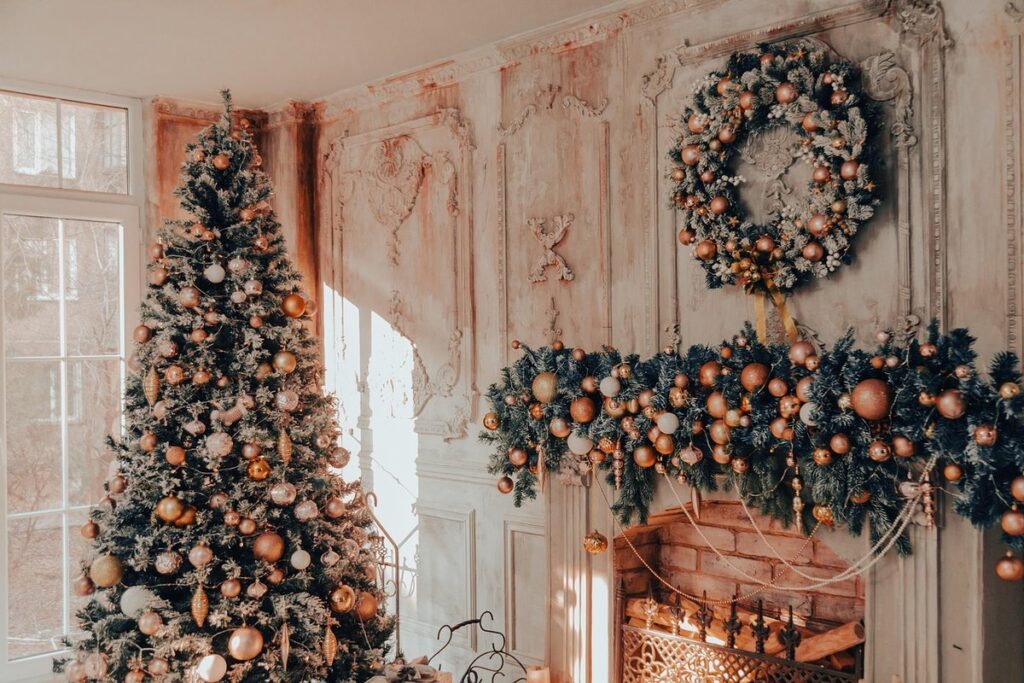
Traditional Christmas trees have been a staple of holiday decor for centuries, evoking a sense of nostalgia and warmth in our homes. However, with modern tastes and concerns about sustainability, many of us are seeking fresh inspiration to elevate our tree’s look and feel. You’re not alone if you’re looking for ways to create a more authentic and eco-friendly Christmas display. From classic evergreen trees adorned with traditional ornaments to vintage and rustic designs that add a touch of uniqueness, there’s a wealth of ideas to explore. In this article, we’ll delve into the world of traditional Christmas tree ideas, covering everything from DIY projects to sustainable options that can help you create a stunning centerpiece for your holiday celebrations, allowing you to craft a truly memorable and eco-friendly Christmas display by the end.
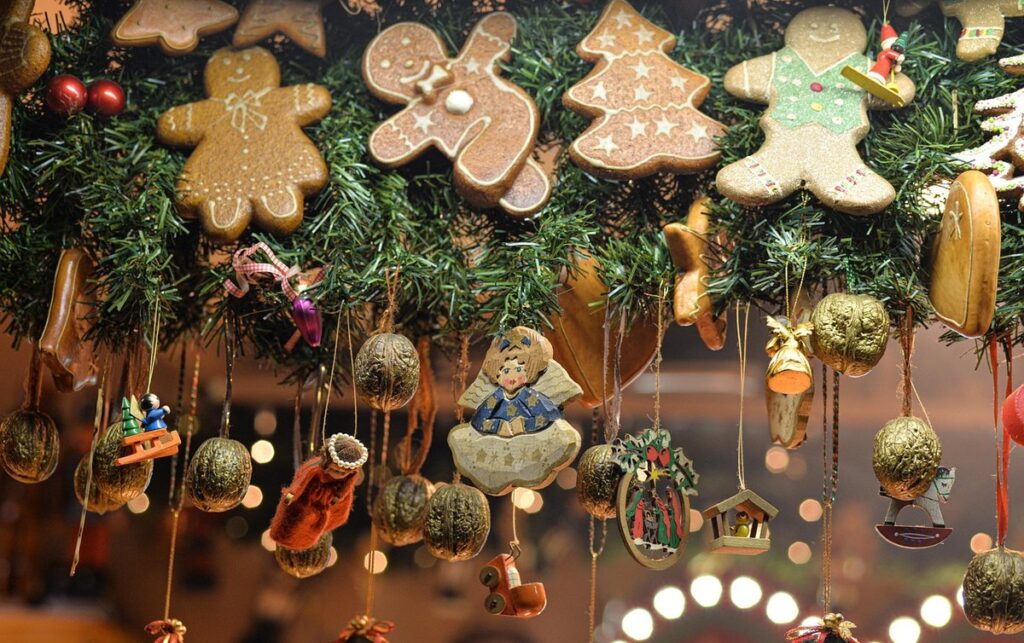
Classic Evergreen Trees
For a timeless and elegant look, consider classic evergreen trees that have been a staple of holiday decor for centuries. From fir to spruce, these iconic trees are sure to impress.
Choosing the Perfect Tree Species
When selecting an evergreen tree for your Christmas decorations, the type of species can greatly impact the overall experience. Consider fragrance, as some trees like Fraser Firs and Douglas Firs have a pleasant scent that fills the room, while others like Balsam Firs and Colorado Blue Spruces may be less aromatic.
Another key factor is needle retention. Some trees, such as Nordmann Firs and Canaan Firs, tend to hold their needles well, making them ideal for indoor use. Others, like White Pines and Scotch Pines, may shed more needles, requiring more frequent cleaning. Durability is also essential, particularly if you plan to reuse your tree in the future.
To help narrow down your options, evaluate your priorities: do you want a fragrant tree or one that holds its needles well? Are you willing to deal with regular cleaning or would you prefer a low-maintenance option? Consider visiting a local nursery or Christmas tree farm to see and smell different species firsthand. This hands-on approach will help you make an informed decision and choose the perfect tree for your holiday decor.
Traditional Tree Shapes and Sizes
When selecting a traditional Christmas tree, the shape and size of the tree are crucial considerations. A full and lush tree can add warmth and depth to a room, while a slender and compact tree is ideal for smaller spaces or apartments.
For larger rooms, consider a tree with a full canopy, typically 7-8 feet tall, to create a dramatic focal point. In contrast, for smaller spaces, opt for a more compact tree, often around 4-5 feet tall, to avoid overwhelming the area. When choosing between these options, remember that a taller tree can be easily trimmed or topped if needed.
Another consideration is the width of the tree. A wider tree can provide a lush, full appearance, but may not fit through narrow doorways or hallways. Conversely, a narrower tree may require more frequent decorating to achieve the same visual impact as a wider one.
When selecting a tree shape and size, consider your space, decor style, and personal preference. Take note of the ceiling height, room dimensions, and doorways before making your final decision. This will ensure that your chosen tree fits comfortably in its new home and creates the desired ambiance for the holiday season.
Vintage and Rustic Christmas Trees
If you’re looking for a unique twist on traditional Christmas tree styles, vintage and rustic trees offer a charming alternative to modern designs. Think distressed finishes and natural textures for a cozy holiday feel.
Repurposed Wooden Trees
Repurpose old wooden pallets or crates into one-of-a-kind Christmas trees by adding a star or angel atop a stack of stacked planks. You can also use wooden dowels to create a lattice base for the tree, attaching strings of fairy lights and evergreen branches to create a rustic centerpiece. For a more intricate design, disassemble the pallet and reassemble it into a geometric shape, such as a triangle or square.
To add visual interest, incorporate decorative elements like twine-wrapped garlands, pinecones, or dried flowers. You can also repurpose old doors, windows, or shutters to create a unique tree silhouette. For example, use an old door as the base and attach wooden dowels or branches to form the tree’s shape.
When choosing materials for your repurposed wood tree, consider using reclaimed or sustainable woods to reduce waste and support eco-friendly practices. To maintain your tree’s rustic charm, avoid over-accessorizing with too many ornaments or lights – instead, focus on a few statement pieces that complement the natural beauty of the wooden structure.
Distressed Finishes and Decorations
Distressed finishes and decorations can add a unique touch to your vintage and rustic Christmas tree. To achieve a distressed finish, you can use techniques like sanding, staining, or painting. For example, you can lightly sand the tree’s surface to reveal the underlying wood grain, or apply a stain that accentuates its natural texture. Painting is another option, but be sure to choose a color that complements the tree’s original hue.
When it comes to decorating your distressed Christmas tree, consider using vintage ornaments, such as mercury glass balls or antique silver snowflakes. These add a touch of nostalgia and whimsy to your tree. You can also incorporate natural elements like pinecones, holly berries, or eucalyptus branches into your decor.
If you want to create a more rustic look, try using burlap ribbons or twine to wrap around the tree’s trunk. This adds a homespun feel and helps conceal any imperfections in the distressed finish. Finally, don’t be afraid to mix and match different textures and materials – like combining glass ornaments with natural elements – to create a truly one-of-a-kind look.
Unconventional Christmas Tree Ideas
If you’re feeling adventurous, consider swapping out your traditional evergreen for a tree that’s truly one-of-a-kind. We’ll explore some bold and beautiful alternatives to the classic Christmas tree.
Living Trees and Planters
Consider placing a living tree in a planter or container as an unconventional yet elegant Christmas tree display. This idea brings the outdoors in and allows you to enjoy a real tree without the hassle of disposing of it after the holiday season.
For a small space, choose a compact evergreen species like a dwarf Alberta spruce (Picea glauca ‘Conica’) or a pygmy juniper (Juniperus sabina). Make sure the planter is at least 12-18 inches deep to accommodate the tree’s roots. You can also use self-watering planters with built-in reservoirs to minimize watering needs.
To care for your living Christmas tree, keep it away from direct sunlight and heat sources, which can dry out the soil quickly. Water thoroughly after potting and check the soil moisture regularly. Fertilize sparingly during the holiday season, as over-fertilization can cause more harm than good. With proper care, your living tree will thrive and become a beautiful focal point in your home for years to come.
Alternative Materials and Shapes
When it comes to pushing the boundaries of traditional Christmas tree ideas, exploring alternative materials and shapes can be a fun and creative way to elevate your holiday decor. Consider using cardboard as a sustainable option – simply cut out a tree shape from a large box, decorate with paint or markers, and add some twinkling lights for a unique look.
Paper-based alternatives like paper mache or origami trees are another great option. You can create intricate designs or patterns on the paper to give it a more festive feel. For a more high-tech approach, try using 3D printing to create custom tree shapes in various materials, from plastic to metal.
You can also get creative with everyday objects by upcycling them into unique Christmas trees. Old CDs can be strung together to form a sparkly tree shape, while cardboard tubes or paper towel rolls can be transformed into mini trees with some decorative paint and glue. Consider repurposing items like old picture frames, wire coat hangers, or even book spines to create a one-of-a-kind Christmas tree.
DIY Project: Creating Your Own Tree
Creating your own Christmas tree from scratch can be a fun and rewarding experience, allowing you to customize it perfectly to your holiday style. In this DIY project, we’ll walk you through each step of creating a beautiful tree.
Step-by-Step Instructions
To create a unique and personalized tree for your holiday decor, follow these step-by-step instructions. Begin by choosing a sturdy base material such as cardboard, foam core, or even a vintage ladder. This will serve as the foundation of your tree.
Next, cut out triangular shapes from green paper or cardstock to create the individual branches. You can also use wire hangers or craft sticks to add texture and dimension. For a more rustic look, wrap twine or jute rope around the base for added depth.
For decorating, consider using fairy lights, which can be wrapped around the tree’s structure or tucked between the branches for a warm glow. Alternatively, hang garlands made from dried flowers, ribbons, or even popcorn strings to add color and texture. To complete your design, scatter ornaments in a mix of shapes, sizes, and textures to create visual interest.
For added whimsy, try using unconventional materials like vintage books, maps, or music sheets as decorative elements. You can also repurpose old CDs or bottle caps for a quirky touch.
Tips and Variations for Different Skill Levels
For beginners, consider starting with a simple branch structure using wire frames or wooden dowels. This provides a stable base for adding ornaments and lights without requiring advanced carpentry skills. Alternatively, use pre-made tree forms or kits specifically designed for DIY projects. These often come with easy-to-follow instructions and minimal materials to simplify the process.
For more experienced crafters, you can experiment with mixed media techniques by incorporating natural elements like pinecones, twigs, and dried flowers into your design. This adds depth and texture to your tree without requiring extensive woodworking expertise. To adapt these projects for specific themes or styles, think about the color palette, materials, and overall aesthetic of your desired look.
Consider a coastal theme with driftwood, shells, and nautical accents, or create a winter wonderland scene with frosted glass ornaments and snowflake-patterned ribbons. Tailor the scale, shape, and embellishments to suit the space where your tree will reside – for instance, a compact, intricately decorated tree might fit perfectly in a small apartment, while a larger, more elaborate design suits a spacious living room.
History and Cultural Significance of Christmas Trees
Christmas trees have been a beloved holiday tradition for centuries, carrying rich cultural significance and history that spans across continents. Let’s take a look at how this iconic symbol has evolved over time.
Origins and Evolution
Christmas trees have a rich history that spans across European traditions. The modern Christmas tree tradition is often attributed to 16th-century Germany, where it’s said that Martin Luther, a Protestant reformer, decorated a small fir tree with candles to remind his children of the importance of faith and the light of Christ.
The evergreen fir tree was seen as a symbol of life and hope during the cold and dark winter months. The tradition quickly spread throughout Europe, with different countries adding their unique twists and customs. In some regions, like Scandinavia, Christmas trees were decorated with fruits, nuts, and other edible treats, while in others, like Italy, they were adorned with ornaments made from glass and ceramics.
As European immigrants traveled to the Americas, they brought their Christmas tree traditions with them. The modern American Christmas tree tradition was further popularized by Prince Albert, the German-born husband of Queen Victoria, who introduced the custom to the British court. Today, Christmas trees are a beloved part of holiday celebrations worldwide, often decorated with a mix of traditional and modern ornaments.
Symbolism and Meaning
The Christmas tree has become an iconic symbol of the holiday season, transcending its origins as a simple evergreen plant. Its association with life and hope is rooted in ancient cultures, where evergreens were seen as a reminder of continuity during the harsh winter months. This symbolism is still palpable today, as people choose trees that evoke feelings of renewal and rejuvenation.
To incorporate these themes into your tree decorations, consider using natural elements like pinecones, branches, and ribbons in earthy tones. These organic materials can create a warm and inviting atmosphere, reminiscent of the forest from which the tree originated. You can also use lights to represent hope and guidance, as they twinkle like stars on a clear winter night.
Incorporating these symbolic elements into your tree design is not only aesthetically pleasing but also meaningful. For example, you can hang ornaments that represent personal milestones or memories, such as photos of loved ones or special events. By doing so, the tree becomes more than just a decorative centerpiece – it becomes a reflection of your own story and experiences.
Maintenance and Sustainability
To keep your tree looking its best all season long, we’ll discuss simple maintenance tips for a fresh and healthy Christmas tree. This includes advice on watering, pruning, and preventing pests.
Tips for Tree Care and Longevity
To keep your Christmas tree fresh and thriving throughout the holiday season, it’s essential to focus on proper watering. Check the tree’s water level daily, and ensure the trunk is fully submerged. Aim for a water level that’s about an inch above the base of the tree. You can also use a tree stand with a built-in water reservoir to make monitoring easier.
When it comes to lighting, avoid overloading your tree with too many strings or using fragile lights that may break easily. Opt for LED lights instead, as they’re energy-efficient and produce minimal heat. If you notice any warm spots on the tree, reduce the number of lights in those areas.
Pest control is another critical aspect of maintaining a healthy Christmas tree. Check your tree regularly for signs of pests like spider mites, mealybugs, or scale insects. Use insecticidal soap or neem oil to treat any infestations promptly.
After the holiday season, consider repurposing your tree as mulch or composting it in your garden. You can also donate it to a local nursery or gardening organization that will use it for future plantings.
Eco-Friendly Options and Sourcing
When it comes to decorating and maintaining a traditional Christmas tree, sustainability is often an afterthought. However, with a little creativity and planning, you can have a beautiful and eco-friendly holiday display.
Choose locally sourced materials for your tree’s stand or decorations whenever possible. Not only does this reduce carbon emissions from transportation, but it also supports local businesses and the community. Consider repurposing old items like vintage vases or wooden crates to create unique decorative pieces.
Opt for sustainable Christmas tree options, such as real trees grown on environmentally friendly farms or sustainably sourced artificial trees. When shopping for ornaments, select those made from natural materials, recycled glass, or high-quality ceramic. Avoid purchasing products with excessive packaging and opt for refillable containers instead.
To further reduce waste, reuse your decorations each year by cleaning and storing them properly. You can also create new decorations using natural materials like pinecones, twigs, and dried flowers. By making a few simple changes to your holiday decorating routine, you can enjoy a beautiful and environmentally responsible Christmas tree display for years to come.
For many people, the traditional Christmas tree is a beloved holiday tradition that brings joy and festivity to their home.
Frequently Asked Questions
Can I use a real tree every year and reuse it?
Yes, with proper care and maintenance, a well-chosen evergreen tree can be reused for several years. Regularly inspect the tree for signs of wear and tear, and perform tasks like pruning and repotting as needed to keep it healthy.
How do I choose between a living tree and a artificial one if I have pets?
Consider your pet’s safety and behavior when deciding between a living or artificial tree. If you have pets that tend to chew on branches or knock over decorations, an artificial tree may be a better option to prevent damage and ensure your pet’s safety.
What if I don’t have enough space for a large tree? Can I still create a festive atmosphere?
Yes, even with limited space, you can still create a festive atmosphere using smaller trees or alternative materials like cardboard or paper. Get creative with your decorating ideas and consider vertical space to maximize your holiday decor.
How do I know when my living tree is no longer healthy and should be replaced?
Monitor your living tree’s health by checking for signs of decline, such as yellowing needles, dryness, or pest infestations. If you notice any significant issues, it may be time to consider replacing the tree with a new one to ensure your holiday decor remains fresh and healthy.
Can I use recycled materials to decorate my Christmas tree and still achieve a cohesive look?
Yes, incorporating recycled materials into your Christmas tree decorations can add a unique and eco-friendly touch to your holiday decor. Mix and match different textures, colors, and patterns to create a cohesive look that reflects your personal style and theme.