Traditional folklore stories have long been an integral part of human culture, passed down through generations in various forms. These stories, often tied to specific regions and communities, hold significant cultural and historical value. From European tales of mythical creatures to African folktales that explain natural phenomena, and from Asian stories of supernatural beings to the teachings embedded within them, folklore offers a unique window into the past. Unfortunately, many of these traditional stories are at risk of fading away due to globalization and urbanization. However, through festivals and educational programs, efforts are being made to preserve and revive these rich cultural heritage assets. This article will explore some examples of traditional folklore stories from Europe, Africa, and Asia, highlighting their preservation and revival through these initiatives, ultimately equipping you with a deeper understanding of the importance of preserving our collective cultural identity.
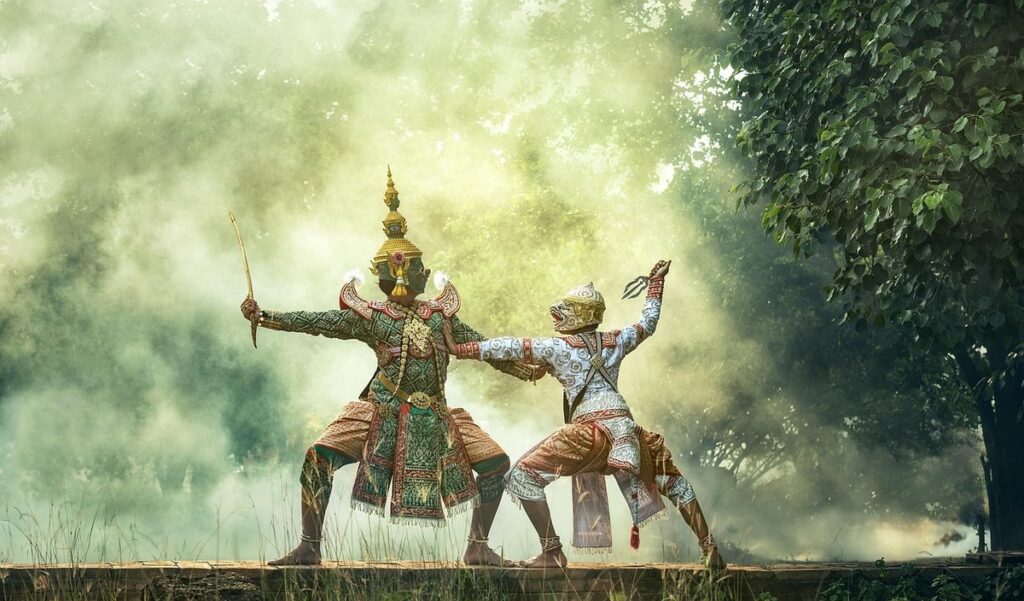
Origins and Evolution of Folklore
Traditional folklore stories have been passed down through generations, shaped by cultural, social, and historical contexts that continue to evolve over time. Let’s examine how these stories originated and adapted throughout history.
The Role of Oral Tradition
Oral tradition has played a vital role in preserving folklore stories across generations. When passed down through word of mouth, these tales undergo subtle changes with each retelling, yet remain distinctively rooted in their cultural context. This process allows for flexibility and adaptation, as storytellers weave new meanings into the fabric of existing narratives.
In many societies, oral tradition serves as a means to convey complex moral lessons, historical events, and mythological explanations. For instance, African griots (oral poets) have long used storytelling to honor ancestors and share tales of migration and settlement. Similarly, European folklore traditions rely heavily on oral retellings of epic stories, such as Beowulf.
The significance of oral tradition lies in its ability to preserve cultural identity by capturing the essence of a people’s collective experience. By passing down stories through generations, communities maintain a living connection to their heritage. However, with the advent of written records and mass media, oral tradition faces challenges in preserving its relevance. Efforts to document and record these stories are essential for safeguarding cultural heritage and ensuring that folklore continues to thrive in modern times.
Early Written Records and Influence
As written records emerged in ancient civilizations, they had a profound impact on the development and dissemination of folklore stories. In Greece, for example, Homer’s epic poems, such as The Iliad and The Odyssey, not only captured existing oral traditions but also helped to standardize and disseminate them more widely. Similarly, Roman writers like Ovid and Virgil drew upon earlier folktales, adapting and reworking them into new forms that reflected the cultural values of their time.
The influence of written records on folklore can be seen in several key areas. Firstly, they provided a means for stories to be recorded and preserved, safeguarding them from the ephemeral nature of oral tradition. Secondly, written records allowed for greater experimentation with narrative form and style, enabling writers to explore new themes and motifs. Thirdly, they facilitated the exchange of ideas between cultures, as stories were adapted and translated into new languages.
This process can be seen in the Roman adaptation of Greek myths, which often added their own twists and interpretations. By examining these examples, we can gain a deeper understanding of how written records influenced the evolution of folklore, and what this means for preserving cultural heritage today.
Folklore Genres and Archetypes
Folklore genres and archetypes offer a rich framework for understanding the diversity of traditional stories, from heroic quests to romantic tragedies. Let’s explore some of these key categories together.
Tales of Magic and Wonder
Mythical creatures like dragons and unicorns, magical powers wielded by wizards and witches, and supernatural events such as prophetic dreams and curses – these fantastical elements are staples of traditional folklore stories. They add a layer of enchantment to the narrative, making it more engaging and memorable for listeners.
In many cultures, mythical creatures serve as symbols or manifestations of natural phenomena. For example, the Japanese kappa is said to inhabit rivers and ponds, embodying the power of water. Similarly, European folklore features dragons that breathe fire, often representing the destructive force of volcanic eruptions.
Magical powers are frequently tied to specific individuals, such as wise women who can heal with a touch or shape-shifters who assume various animal forms. Supernatural events like curses and prophecies underscore the idea that the world is governed by unseen forces beyond human control.
These fantastical elements not only entertain but also convey deeper meanings and values. They remind listeners of the importance of respecting nature, honoring tradition, and acknowledging the mysteries of life.
Heroic Quests and Epic Battles
Heroic figures and their quests are a cornerstone of traditional folklore stories. These narratives often revolve around brave warriors, mythical heroes, and legendary leaders who embark on perilous journeys to achieve great deeds. The significance of these heroic quests lies not only in the excitement and drama they evoke but also in the values and ideals they represent.
Epic battles and heroic deeds are often woven into the fabric of folklore tales as a means of conveying cultural heritage and moral lessons. For instance, the legend of Beowulf tells the story of a mighty warrior who battles a monster to save his people, illustrating the importance of bravery and loyalty in Anglo-Saxon culture. Similarly, the Celtic hero Cú Chulainn is celebrated for his unwavering commitment to protecting his kin and defending their honor.
In folklore, heroic quests and epic battles serve as more than just entertainment – they provide a window into the values, traditions, and history of a particular culture. By examining these stories, we can gain insight into the cultural context in which they were told, allowing us to better appreciate the richness and diversity of traditional folklore.
Regional Folklore Traditions
Folklore traditions vary greatly from one region to another, reflecting the unique cultural heritage and customs of each community. Let’s take a closer look at some regional folklore stories that have been passed down through generations.
European Folk Tales
European folklore is a treasure trove of magical tales and whimsical creatures. In Germany, the Brothers Grimm collected stories like “Hansel and Gretel,” where children outwit a witch in the forest. French folklore features the cunning Reynard the Fox, who often finds himself at odds with the clever Wolf. Meanwhile, English folklore is home to the mischievous Puck from Shakespeare’s A Midsummer Night’s Dream.
These tales not only showcase European folklore’s rich diversity but also its shared themes and motifs. For example, many European stories feature a strong connection between nature and the supernatural. In “The Snow Queen,” a classic German fairy tale, a wicked queen is said to have created a snowman that comes to life. This blend of natural elements with fantastical creatures is a common thread throughout European folklore.
When exploring these tales, it’s essential to consider their cultural context. Understanding the historical and social factors that influenced the development of each story can provide valuable insights into the values and beliefs of the people who created them. By delving deeper into these stories, we can gain a deeper appreciation for the complex tapestry of European folklore.
African and Asian Folklore
African and Asian folklore share a rich diversity of stories that have been passed down through generations. In Africa, tales often feature supernatural beings and spirits, such as Anansi the spider trickster from West African folklore. These stories frequently explore themes of community, social hierarchy, and moral lessons. For example, in some Yoruba oral traditions, the god Eshu is depicted as a mischievous figure who tests the characters’ intentions.
In contrast, Asian folklore often emphasizes the importance of filial piety and ancestral worship. Japanese tales, such as those collected by Lafcadio Hearn, frequently feature spirits and supernatural creatures that embody the virtues of loyalty and duty. Similarly, in Hindu mythology, stories like the Mahabharata explore complex moral themes and highlight the consequences of human actions.
While there are distinct characteristics to each region’s folklore, common threads run through both traditions. Many stories feature animals as protagonists or teachers, illustrating the interconnectedness of humans and nature. By examining these shared elements, we can gain a deeper understanding of the cultural heritage behind traditional folklore stories and appreciate their continued relevance today.
Symbolism and Themes in Folklore
Let’s explore how folktales use symbolism and themes to convey deeper meanings and values, revealing layers of cultural significance beneath their surface-level stories. These subtle elements add richness and depth to traditional tales.
Nature and the Seasons
In folklore stories, nature and the changing seasons are often used as metaphors or symbols to convey deeper meanings and themes. For example, spring can represent new beginnings, renewal, and growth, while autumn might symbolize harvest, decay, and transformation. These seasonal associations can be seen in tales like “The Twelve Months,” a Russian folktale where each month is personified and must navigate the challenges of its own season.
In many cultures, folklore stories also draw on specific natural phenomena to convey moral or spiritual lessons. For instance, storms might represent turmoil or chaos, while sunrises could symbolize hope or illumination. By tapping into these natural associations, storytellers can create vivid, memorable narratives that engage their audience and convey complex ideas.
When interpreting folklore stories, readers should pay attention to how nature is used as a symbolic backdrop for human experiences. What do the seasons represent in the story? Are they associated with specific emotions, events, or themes? By examining these symbolic connections, readers can gain a deeper understanding of the cultural and historical contexts that shaped the story.
Folklorists often note the use of seasonal motifs in folklore stories as a way to connect with nature and the cycles of life.
Love, Morality, and Social Hierarchy
Folkloric tales often explore complex social dynamics through the lens of love, morality, and social hierarchy. In Japanese folklore, for instance, the story of Tamamo-no-Mae highlights a samurai’s struggle with his own desires and societal expectations. The tale showcases how ancient Japan perceived love as both a personal and public concern.
In European folklore, Cinderella tales frequently illustrate the consequences of social status on relationships. These stories often depict women from lower classes rising above their circumstances through marriage or other means, underscoring the limited agency afforded to them in premodern societies.
The Grimm brothers’ “Snow White” exemplifies a recurring motif: the threat posed by those who do not conform to established social norms. The queen’s jealousy is ultimately driven by her own sense of inadequacy and fear of being surpassed by Snow White, serving as a warning against the dangers of social ambition.
These examples demonstrate how folklore can serve as a commentary on social issues, providing insight into the values and concerns of past cultures. By examining these recurring themes, readers can gain a deeper understanding of the cultural context in which these stories emerged.
Preservation and Revival
Traditional folklore stories are at risk of fading into history, so it’s crucial that we focus on preserving their essence. This involves respecting their original context while adapting them for a modern audience.
Modern Folklore Revivals
Folk festivals and storytelling events are springing up around the world, celebrating traditional folklore with music, dance, and spoken word performances. These gatherings often feature retellings of classic tales by local storytellers, as well as workshops on folkcrafts like woodcarving or weaving. Some notable examples include the annual Celtic Connections festival in Scotland, which showcases Gaelic music and storytelling, and the Albuquerque International Balloon Fiesta’s folkloric dance performances.
Educational programs are also playing a key role in folklore revival efforts. Many schools and universities now offer courses on folklore studies, where students can learn about the history and cultural context of traditional tales. Some institutions even partner with local communities to create interactive exhibitions and displays that highlight regional folklore heritage. These initiatives not only help preserve folklore but also foster community engagement and pride in local culture.
Community-driven projects are also helping to revive interest in traditional folklore. For example, some towns have established “storytelling circles,” where locals gather regularly to share oral traditions and hear retellings of classic tales. Online platforms and social media groups have also emerged as spaces for people to connect with others sharing an interest in folklore, share stories, and learn from one another.
Challenges and Opportunities for Folklore Preservation
Folklore preservation is a complex task that requires collaboration between governments, institutions, and local communities. One challenge lies in balancing traditional storytelling methods with modern digital formats, ensuring that cultural heritage remains accessible to new generations without compromising its authenticity. For instance, many folklore collections are stored on analog materials like cassette tapes or handwritten manuscripts, which can deteriorate over time.
To mitigate this risk, digitization efforts have gained momentum worldwide. However, the lack of standardization in data formats and metadata poses a significant hurdle for long-term preservation. Moreover, folklore is often tied to specific geographic locations, making it difficult to adapt to urban migration patterns and cultural exchange.
Despite these challenges, there are opportunities for innovation and collaboration. For example, digital platforms can facilitate access to folklore collections while allowing communities to maintain control over their cultural heritage. Crowdsourcing initiatives and community-led projects have also shown promising results in engaging local populations with preservation efforts. By embracing technology and fostering partnerships between stakeholders, we can ensure that traditional folklore stories continue to thrive as a vital part of our collective cultural heritage.
Frequently Asked Questions
How Can I Incorporate Traditional Folklore into My Own Writing?
Incorporating traditional folklore into your writing can be as simple as drawing inspiration from the themes, motifs, and characters found in these stories. You might use mythical creatures, magical powers, or supernatural events to add depth and richness to your narrative. Alternatively, you could explore the cultural context of a particular tradition and use that as a backdrop for your story. The key is to be mindful of cultural appropriation and to approach these traditions with respect.
What if I’m Not a Writer? How Can I Preserve Folklore in My Community?
There are many ways to preserve folklore beyond writing, such as through oral storytelling, music, or visual arts. You might consider hosting a storytelling event at your local library, school, or community center. Alternatively, you could work with a local artist or musician to create a piece inspired by traditional folklore. The most important thing is to find a way that feels authentic and engaging for you.
Can I Use Folklore from Different Cultures in the Same Story?
While it’s technically possible to combine elements from different cultures, this can be a complex and sensitive issue. When incorporating folklore from multiple traditions, it’s essential to approach each culture with respect and understanding. This might involve doing extensive research on each tradition or consulting with experts from those cultures. Ultimately, the goal is to create a story that honors and celebrates the diversity of human experience.
How Can I Adapt Traditional Folklore for Modern Audiences?
Adapting traditional folklore for modern audiences often involves finding ways to make these stories feel relevant and relatable to contemporary concerns. This might involve updating settings, characters, or themes to reflect current issues or values. For example, a classic tale about environmental degradation might be retold in the context of climate change. The key is to find a balance between honoring the original story while also making it accessible to new readers.
Are There Any Online Resources for Preserving and Learning About Folklore?
Yes! There are many online resources available for learning about and preserving folklore, including digital archives, academic journals, and community websites dedicated to traditional storytelling. Some popular options include the Internet Archive’s collection of folktales, the Journal of American Folklore, and the Smithsonian Folklife Program’s website. These resources can provide valuable insights into the cultural context of folklore traditions as well as practical advice for preservation and adaptation.