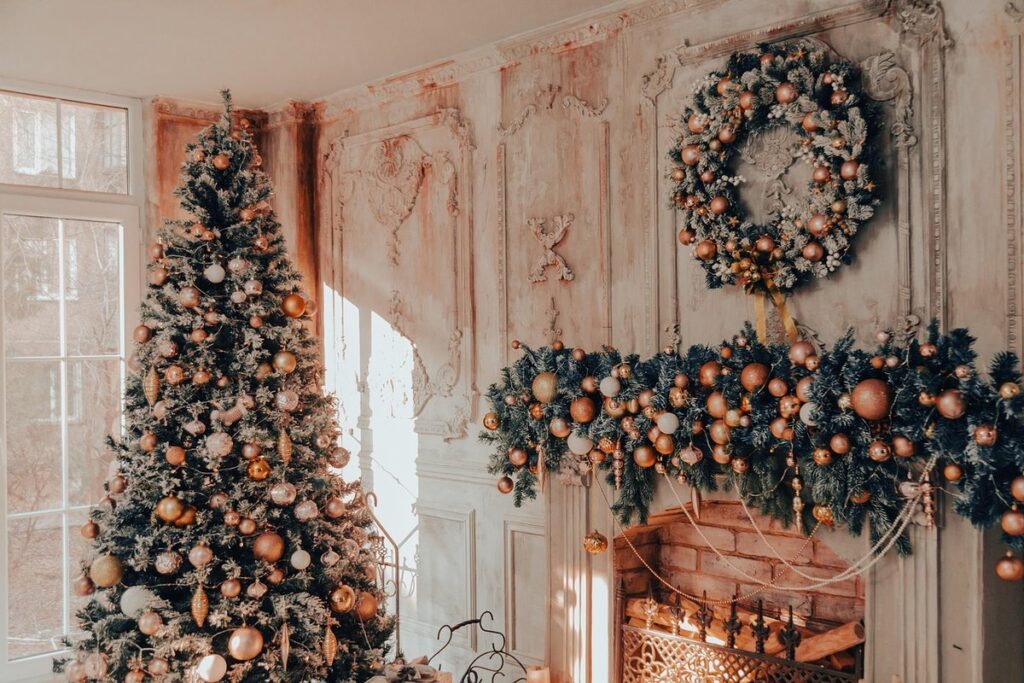
French celebrations are a world apart from our own, steeped in tradition and rich in history. Whether it’s the twinkling lights of Christmas markets or the defiant spirit of Bastille Day, each holiday is a unique reflection of the French culture. You might have noticed that French celebrations often feel more like immersive experiences, rather than just a day off from work. This is because every aspect of the celebration, from the food to the decorations, is carefully curated to create a sense of community and shared joy. In this article, we’ll take a closer look at the unique customs and traditions of French celebrations, from Christmas to Bastille Day, and explore ways to incorporate them into your own life for a more festive experience.
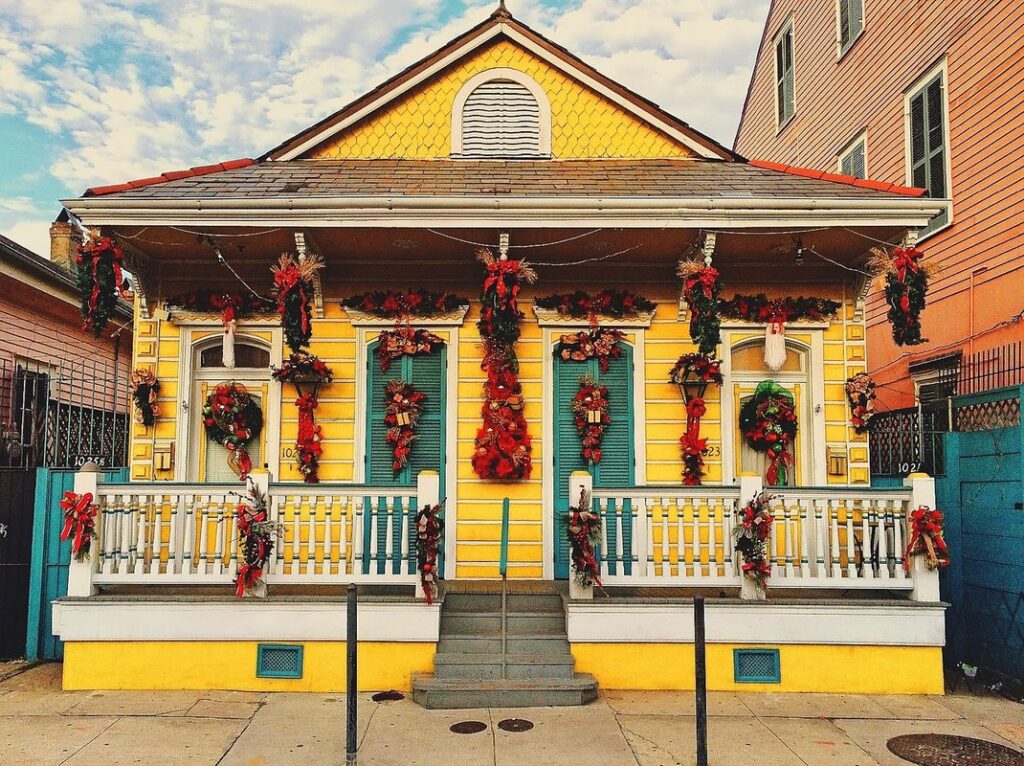
The Essence of French Celebrations
French celebrations are steeped in tradition and romance, from elegant wedding banquets to intimate family gatherings. Let’s take a closer look at the heart of these special occasions.
Understanding the Importance of Fêtes in French Culture
In French culture, celebrations play a vital role in fostering a sense of community and preserving tradition. Fêtes, or festivals, are an integral part of this cultural heritage, bringing people together across different regions and socioeconomic backgrounds. By participating in these celebrations, individuals honor the past while forging connections with their neighbors and fellow citizens.
One of the primary functions of fêtes in French culture is to commemorate significant events and anniversaries. For instance, the annual Fête de la Musique celebrates the power of music to unite people, while the Bastille Day celebrations honor the nation’s independence and the spirit of revolution. By participating in these events, individuals become part of a larger narrative that transcends personal experiences.
Moreover, fêtes in France often feature traditional foods, drinks, and music, which serve as a connection to the country’s rich history. The emphasis on local ingredients and home-cooked meals underscores the importance of communal gatherings and the sharing of resources. When attending a French fête, visitors can expect to be enveloped in a warm, convivial atmosphere that showcases the country’s love for celebration and conviviality.
Key Differences Between French and American Celebrations
One of the most striking differences between traditional French celebrations and their American counterparts is the level of formality and intimacy. French festivities often take place in small, close-knit communities, where neighbors and friends gather together to share in the joy of the occasion. In contrast, American celebrations tend to be more sprawling and commercialized, with a focus on grand decorations, elaborate entertainment, and mass production of food and drink. For example, while American Fourth of July celebrations often feature fireworks displays and backyard barbecues, French Bastille Day celebrations are typically marked by intimate gatherings, street performers, and impromptu picnics.
Another key difference lies in the approach to food and drink. French celebrations often center around traditional, locally-sourced cuisine, such as escargots, baguettes, and wine. In contrast, American celebrations often feature a more eclectic mix of international flavors and fast food options. This difference in culinary approach is reflective of the French emphasis on slow, deliberate living and the value placed on the simple pleasures in life.
French celebrations also tend to be more low-key and less focused on gift-giving. Instead of exchanging elaborate gifts, French families and friends often focus on sharing in the celebration together, with a emphasis on quality time and meaningful connections.
Christmas Celebrations in France
From the twinkling lights of Paris to the snow-covered Alps, Christmas celebrations in France are a truly magical experience. Let’s take a closer look at how the French traditionally observe this special time of year.
Le Noël en France: Traditions and Practices
In France, Christmas is a time for festive traditions that stretch far beyond the single day of December 25th. The country’s Christmas season, known as La Saison de Noël, begins on December 6th with St. Nicholas’ Day and continues through the Epiphany, or L’Épiphanie, on January 6th. It’s on this latter date that French children traditionally receive gifts, not on Christmas Day itself. This unique twist on Christmas traditions is a reflection of the country’s rich cultural heritage and the blending of Catholic and secular influences that has shaped its festive celebrations.
As you explore the Christmas traditions in France, you’ll notice a strong emphasis on family, food, and festive atmosphere. Many French families gather on Christmas Eve for a special dinner, often featuring dishes such as foie gras, oysters, and roasted goose. The evening is typically spent around the piano, singing carols and enjoying each other’s company. The Epiphany, on the other hand, is a time for gift-giving and a celebration of the three wise men who visited the baby Jesus.
French Christmas Food and Drink
Traditional French Christmas dishes are a symphony of rich flavors and textures, often centered around foie gras, oysters, and other luxurious ingredients. Foie gras, typically served as a terrine or pan-seared, is a staple of French haute cuisine and a popular Christmas treat. It’s often paired with sweet fig jam or a tangy fruit chutney to balance its richness. Oysters are another festive favorite, often served raw on the half shell with a dollop of caviar and a squeeze of lemon.
Vin chaud, or mulled wine, is a warming and comforting Christmas beverage that’s perfect for chilly winter nights. Made with red wine, spices, and sugar, it’s typically served in small cups or mugs and enjoyed while strolling through Christmas markets or gathered around the fireplace. For a more festive twist, try adding a splash of Grand Marnier or Cointreau to your vin chaud for a subtle orange flavor.
When planning your own French-inspired Christmas menu, consider keeping things simple yet elegant. Focus on a few high-quality ingredients and let their flavors shine. Don’t be afraid to experiment with new combinations, like pairing foie gras with a sweet and spicy fig chutney or serving oysters with a side of crusty bread and butter. Bon appétit!
Christmas Markets and Fairs
France transforms into a winter wonderland during the holiday season, with festive Christmas markets and fairs popping up in towns and cities across the country. These markets, known as “marchés de Noël,” offer a taste of traditional French Christmas magic. You can expect to find wooden chalets selling handmade crafts, local delicacies, and mulled wine to warm your hands and spirits.
Some of the most famous Christmas markets can be found in Strasbourg, where you can sample the region’s famous gingerbread and try a traditional Alsatian Christmas dish, tarte flambée. In Paris, the Champs-Élysées Christmas market is a must-visit, with its ice skating rink, festive lights, and a vast array of Christmas treats. Lyon’s Christmas market, meanwhile, boasts a unique focus on local artisans and their handmade creations.
When visiting French Christmas markets, be sure to try some of the local specialties, such as foie gras, oysters, and champagne. Don’t forget to sample the festive Christmas drinks, including vin chaud (mulled wine) and chocolat chaud (hot chocolate). With its unique blend of French charm and holiday cheer, the Christmas markets and fairs in France are a must-visit during the holiday season.
New Year’s Celebrations in France
As we count down to midnight on January 1st, France comes alive with vibrant New Year’s Eve celebrations, a time to reflect on the past year and look forward to the one ahead.
From the Eiffel Tower’s dazzling light show to intimate dinner parties with friends and family, every corner of France has its own unique way of ringing in the new year.
Le Jour de l’An: French New Year’s Traditions
In France, the last day of the year is a time for family, friends, and feasting. Le Jour de l’An, or New Year’s Day, is a celebration in its own right, with unique customs and practices that are deeply ingrained in French culture. Unlike in many other countries, where the focus is on the night before, in France, the focus is on the day after, when families gather together for a long, leisurely meal, known as le réveillon.
This meal is a time for reflection and celebration, often lasting until the early hours of the morning. It typically includes traditional dishes such as foie gras, oysters, and champagne, and is a time for reconnecting with loved ones. Many French people also visit their loved ones who are elderly or living far away on New Year’s Day, a tradition known as “les visites du Jour de l’An.” This emphasis on community and family ties is a hallmark of French New Year’s celebrations.
French New Year’s Food and Drink
On New Year’s Eve, the French traditionally gather with family and friends to share a convivial meal, often featuring champagne and oysters. Champagne, or “le Champagne” as it’s commonly referred to in France, is a quintessential part of the celebrations. It’s typically served as an aperitif, accompanied by canapés and hors d’oeuvres, to get the evening started. Oysters are another staple, often served raw on the half shell. They’re prized for their brininess and are typically enjoyed with a squeeze of lemon and a dollop of mignonette sauce.
For the main course, the French tend to opt for dishes that are rich and indulgent, such as foie gras, duck confit, or coq au vin. These hearty dishes are designed to warm the belly and satisfy the appetite after a long day. The meal is often finished off with a decadent dessert, like a rich chocolate mousse or a creamy crème brûlée.
Watching the Fireworks and Celebrating the New Year
As the clock strikes midnight on New Year’s Eve, the French gather in public spaces, squares, and along the Seine River to watch the fireworks display. The air is electric with excitement, and the atmosphere is filled with music, laughter, and the sound of champagne corks popping. You’ll see people of all ages singing along to the traditional Scottish song “Auld Lang Syne,” a nod to the country’s history of cultural exchange.
The fireworks themselves are a highlight of the evening, with displays in major cities like Paris, Lyon, and Marseille. The most impressive displays can be seen in the Champs-Élysées in Paris, where thousands of people gather to watch the sky light up with vibrant colors and patterns. To experience the full magic of the fireworks, arrive early to secure a good spot, and don’t forget to bring a blanket or chair to stay comfortable during the display. As the final fireworks fade, the party continues, with people dancing, hugging, and kissing to mark the start of the new year.
Bastille Day and Other Summer Celebrations
As summer takes hold, France comes alive with vibrant celebrations, and one of the most iconic is Bastille Day, a day of parades, fireworks, and patriotic fervor. We’ll explore this and other summer festivities.
La Fête Nationale: Bastille Day Traditions
Bastille Day, officially known as La Fête Nationale, is a day of great significance in French culture, commemorating the storming of the Bastille prison on July 14, 1789, a pivotal event in the French Revolution. This day marks the beginning of the end of the absolute monarchy and the rise of the modern French nation. The celebration is a testament to the enduring spirit of the French people, who continue to honor their revolutionary heritage.
The events of the French Revolution, which culminated in the execution of King Louis XVI, had a profound impact on European history. The ideals of liberty, equality, and fraternity, which emerged during this period, continue to shape French identity. Today, Bastille Day is celebrated across the country with military parades, fireworks, and street parties. Visitors to France can experience the festive atmosphere firsthand, attending one of the many events held in major cities, such as Paris, Lyon, and Marseille.
When attending a Bastille Day celebration, be sure to take in the sights and sounds of the military parade, which typically features the French Air Force, the French Navy, and the French Army. The parade is a poignant reminder of the country’s rich history and its ongoing commitment to the values of the French Revolution.
French Summer Festivals and Fairs
France’s summer festivals and fairs are a true highlight of the season. From music festivals to cultural events, there’s something for every interest and taste. One of the most famous music festivals is the Rock en Seine, held in the Paris region. This three-day festival features a lineup of top rock and pop bands, as well as up-and-coming artists. Another popular festival is the Rock Fest, held in the town of Arras in the north of France. This festival has been running for over 30 years and features a wide range of music genres, from rock to jazz to classical.
In addition to music festivals, France also hosts a number of cultural events during the summer months. One of the most popular is the Festival d’Avignon, which takes place in the historic city of Avignon. This festival features a wide range of cultural performances, including theater, dance, and music. Another cultural event is the Festival de la Musique, held in the city of Lyon. This festival features a wide range of musical performances, from classical to jazz to folk.
If you’re looking to experience the authentic French summer festival atmosphere, consider visiting some of the smaller, regional festivals. These often feature local food, drink, and crafts, as well as live music and dance performances. Some of the most popular regional festivals include the Fête de la Musique in the Dordogne region and the Fête du Vin in the Loire Valley.
Regional Celebrations: A Look at French Regional Traditions
French regional traditions are a treasure trove of unique celebrations and events that showcase the country’s rich cultural diversity. Take the Fête du Vignoble in Bordeaux, for example, where the grape harvest is celebrated with music, wine tastings, and festivities. This annual event is a testament to the region’s wine-making heritage and the importance of terroir in French culture.
In the southwest, the Fête de la Musique is a joyous celebration of music and community, where residents take to the streets to play music and dance together. Meanwhile, in the north, the Fête de la Gastronomie in Lille highlights the region’s culinary expertise, with food stalls, cooking demonstrations, and wine pairings.
These regional celebrations not only honor local customs and traditions but also offer a glimpse into the country’s regional identities. By exploring and participating in these events, you can experience the authentic flavors and spirit of French culture. Consider planning a trip to attend the Fête du Vignoble or another regional celebration to immerse yourself in the local atmosphere and make unforgettable memories.
Wedding Celebrations in France
As you plan your French wedding, let’s talk about the romantic and elegant wedding celebrations that are steeped in French tradition, from the ceremony to the reception.
Le Mariage Français: Traditional Wedding Customs
In France, the wedding ceremony is a beautiful and intimate affair, steeped in tradition and romance. A French wedding typically consists of two ceremonies: Le Mariage Civil, a civil wedding ceremony, and Le Mariage Religieux, a church wedding ceremony.
The civil wedding ceremony, Le Mariage Civil, is a straightforward and formal affair, usually held at the town hall or a civil registry office. This ceremony is required by law, and it’s where the couple exchanges their vows and signs the marriage contract. The civil ceremony is often brief, lasting around 10-15 minutes, and it’s typically performed by a registrar or a judge.
On the other hand, the church wedding ceremony, Le Mariage Religieux, is a more elaborate and emotional affair. It’s usually held in a beautiful church or cathedral, and it’s where the couple exchanges their vows in front of their friends, family, and a priest. The church ceremony is often more ornate, with beautiful decorations, music, and readings. Some couples choose to have both ceremonies, while others opt for just one.
French Wedding Food and Drink
At a traditional French wedding, the food and drink play a vital role in the celebration. One of the most iconic and essential components is champagne. It’s customary for the newlyweds to be toasted with a glass of champagne, often accompanied by a sweet pastry or cake. The champagne is usually served during the reception, but it’s also customary for the guests to toast the couple with a glass of champagne as soon as they arrive at the wedding venue.
Another beloved French wedding dessert is the croquembouche. This towering structure of profiteroles, held together with caramel, is a show-stopping centerpiece of the wedding reception. The croquembouche is often adorned with spun sugar and fresh flowers, adding to its majesty. Traditional French wedding food also includes a variety of sweet and savory dishes, such as macarons, madeleines, and quiche Lorraine. These delicacies are often served at the wedding reception, providing a delightful culinary experience for the guests. When planning a French-inspired wedding, consider incorporating these traditional foods and drinks to add a touch of elegance and sophistication to your celebration.
The French Wedding Reception: A Guide to the Festive Atmosphere
At a traditional French wedding reception, the atmosphere is lively and festive, with an emphasis on music, dancing, and celebration. The first dance, typically a waltz, is a cherished tradition where the newlyweds take to the floor, surrounded by their loved ones. This iconic moment is often accompanied by a live band or DJ, who play classic French tunes or modern hits with a French twist.
Guests are encouraged to join in, and the dance floor fills with laughter and joy. Traditional French wedding music often features instruments like the accordion, violin, and guitar, adding to the festive ambiance. To recreate this atmosphere at your own wedding, consider hiring a local French musician or DJ who can play traditional French music. You can also include French-inspired decorations, such as red and white balloons, and a photo booth with French-themed props.
Some popular French wedding reception activities include a champagne toast, a cake-cutting ceremony, and a special dance for the wedding party. Don’t forget to save the first dance for the newlyweds – it’s a moment they’ll treasure forever. With these tips, you can create a French-inspired wedding reception that your guests will remember for years to come.
Conclusion: Embracing the Spirit of French Celebrations
As you’ve now explored the rich tapestry of traditional French celebrations, it’s time to distill the essence of these events into a heartfelt appreciation. Embracing the spirit of French celebrations is all about capturing their joie de vivre.
Tips for Incorporating French Celebrations into Your Life
To bring a touch of French joie de vivre into your daily life, consider hosting a French-themed dinner party or gathering. Choose a specific celebration, such as Bastille Day or a French Christmas market, and decorate accordingly. Play French music, cook traditional dishes, and encourage guests to dress in festive attire.
For a more intimate celebration, try observing a French tradition like the Sunday lunch or the weekly dinner. Invite friends and family over for a leisurely meal, and make an effort to slow down and savor the experience. This can be as simple as cooking a hearty French stew or roasting a chicken with herbs and lemon.
If you’re short on time, look for local French cultural events or festivals in your area. Many cities and towns host French-themed markets, concerts, or exhibitions throughout the year. Attend one of these events and immerse yourself in the sights, sounds, and flavors of France.
Some other ideas for incorporating French celebrations into your life include:
- Setting up a French-style Christmas tree or Easter decorations in your home
- Cooking a traditional French meal on a special occasion
- Inviting friends over for a French-themed coffee hour or apéro
- Watching a French film or listening to French music to get in the mood
Conclusion: The Beauty of French Celebrations
Traditional French celebrations are a treasure trove of culture, history, and joie de vivre. As we’ve explored the various fêtes and traditions throughout this guide, it’s clear that these celebrations are more than just social events – they’re an integral part of French identity. Preserving these customs for future generations is essential, not only for their cultural significance but also for the sense of community and connection they foster.
To incorporate French celebrations into your life, start by embracing the concept of fêtes as a way of life. Attend a local French festival, try traditional French recipes, or learn a few basic French phrases to get into the spirit. You might be surprised at how easily you can adapt these customs to your own cultural context. For example, hosting a French-themed dinner party or participating in a local Bastille Day celebration can be a fun and meaningful way to connect with others.
Ultimately, the beauty of French celebrations lies in their ability to bring people together. By preserving these traditions, we not only honor the past but also create opportunities for connection, community, and joy in the present.
Frequently Asked Questions
How Can I Host a French-Style Christmas Market in My Own Neighborhood?
To host a French-style Christmas market in your neighborhood, start by gathering local vendors and artisans to sell traditional French goods such as handmade soaps, baked goods, and crafts. Partner with local restaurants to offer French-inspired food and drinks, and create a festive atmosphere with twinkling lights and music. Consider setting up a small stage for live performances and activities such as face painting and Christmas card making.
What if I Don’t Know How to Cook French Food for a Holiday Celebration?
Cooking French food can seem intimidating, but it’s actually quite accessible. Start by making a few simple dishes such as Coq au Vin or Bouillabaisse, and don’t be afraid to experiment with new ingredients and recipes. You can also consider hosting a potluck where everyone brings a dish to share, or ordering food from a local French restaurant. Remember, the key to French cooking is using high-quality ingredients and taking the time to prepare each dish with care.
How Can I Incorporate French Celebrations into My Own Wedding?
Incorporating French celebrations into your own wedding is a great way to add a unique and romantic touch to your special day. Consider having a French-inspired wedding menu, complete with dishes such as escargots and ratatouille. You could also hire a French musician to play traditional French music during the reception, or have a French-themed photo booth with props and backdrops. Don’t forget to include a French-style wedding cake, complete with intricate designs and flavors such as vanilla and chocolate.
Can I Celebrate French Holidays in a Small Town or Rural Area?
Yes, you can celebrate French holidays in a small town or rural area. While it may not be as easy to find traditional French foods and decorations, you can still create a festive atmosphere with a little creativity. Consider hosting a potluck where everyone brings a dish to share, or ordering food from a local restaurant. You could also decorate your home with French-inspired decorations such as red and white stripes and Eiffel Tower-shaped cookie jars. Don’t forget to have fun and be creative!
How Do I Know Which French Celebrations to Prioritize for My Family?
Prioritizing French celebrations for your family can be overwhelming, especially if you’re short on time or resources. Start by choosing a few celebrations that are most meaningful to you and your family, such as Christmas or Bastille Day. Consider hosting a small, intimate celebration at home, or planning a larger event with friends and family. Don’t forget to involve your children in the planning process and make sure everyone has a role in the celebration.