Greek cuisine is a rich tapestry woven from the threads of ancient traditions, Mediterranean flavors, and regional specialties. You may think you know Greek food, but there’s so much more to explore beyond the gyro shop or taverna favorites. From the souvlaki skewers of Athens to the seafood stews of the Ionian Islands, each region in Greece has its own unique culinary identity shaped by history, culture, and geography. As we embark on this gastronomic journey through time and region, you’ll discover the authentic dishes that have been passed down through generations. We’ll delve into the ancient influences that still shape Greek cooking today, from Byzantine-era sweets to Ottoman-inspired spices. By the end of our culinary adventure, you’ll be able to prepare authentic traditional Greek foods at home with confidence, bringing a taste of Greece to your table.
The Origins of Greek Cuisine
Greek cuisine has its roots in ancient Mediterranean traditions, where simple yet flavorful ingredients were combined to create hearty dishes that still influence modern cooking. From these humble beginnings, a rich culinary heritage was born.
Early Influences from Mediterranean Neighbors
Greek cuisine’s rich tapestry is woven from the threads of various Mediterranean cultures. The ancient Egyptians, with their expertise in preserving fish and meat through salting and drying, likely influenced Greek methods for preparing seafood and other protein-rich dishes. Similarly, the Romans brought their own culinary techniques, such as cooking with garum (a fermented fish sauce), which found its way into Greek cooking.
The Ottoman Empire’s impact on Greek cuisine is particularly evident in the use of spices and herbs like cumin, coriander, and paprika. These flavors, characteristic of Turkish cuisine, have become integral to traditional Greek dishes like moussaka and stews. The cross-cultural exchange was not limited to just ingredients; cooking techniques also borrowed from neighboring civilizations.
For example, the ancient Greeks adopted the method of cooking meat in a clay pot with minimal liquid, which they learned from the Egyptians and Romans. This technique remains a staple in many Greek households today. When exploring traditional Greek cuisine, it’s essential to appreciate these early influences that have shaped the country’s unique flavor profile. By understanding these historical connections, home cooks can better recreate authentic Greek dishes, incorporating the nuances of Mediterranean traditions into their own culinary repertoire.
Classical Greek Cooking Techniques
In ancient Greece, cooking techniques were rooted in simplicity and resourcefulness. Stewing was a common method for slow-cooking tougher cuts of meat over an open flame, resulting in tender and flavorful dishes like keftedes (meatballs) and kleftiko (braised lamb). Roasting was another technique used to bring out the natural flavors of meats, often served with aromatics like onions and garlic. Grilling, typically done over charcoal or wood, allowed for quick cooking of smaller portions, such as souvlaki and skewers. Steaming was also employed, particularly for delicate fish and vegetables.
These fundamental techniques have been passed down through generations and remain essential in modern Greek cuisine. Stewing is still a popular method for cooking tougher cuts of meat, while roasting is often used to prepare larger joints of meat. Grilling continues to be a favorite way to cook smaller portions, and steaming remains an ideal method for preserving the delicate flavors of seafood.
The use of clay pots and terracotta vessels in ancient Greek cooking also contributed to the development of these techniques. The slow-cooking process allowed for the absorption of flavors and the tenderization of tougher cuts of meat. By understanding and employing these classical Greek cooking methods, home cooks can create authentic dishes that showcase the rich culinary heritage of Greece.
Regional Specialties: Exploring the Diversity of Greek Cuisine
From hearty stews in Northern Greece to fresh seafood dishes on the islands, regional specialties play a significant role in showcasing the diversity of traditional Greek cuisine. Each area has its own unique flavors and cooking techniques that are worth exploring.
Northern Greece’s Hearty Meat Dishes
In northern Greece, hearty meat dishes reign supreme, offering a culinary experience that’s both rich and satisfying. Among the most popular is moussaka, a layered masterpiece of eggplant, minced beef, and creamy bechamel sauce. This classic dish has its roots in Ottoman cuisine, but it’s been perfected over time by local cooks who’ve added their own twist to the recipe.
Another beloved favorite is souvlaki, skewers of tender meat grilled to perfection and served with a side of tangy tzatziki sauce. Giouvetsi, a slow-cooked beef stew, is also a staple in northern Greece, its rich flavors and tender texture making it a comfort food for locals. These dishes aren’t just tasty; they’re also deeply ingrained in local culture.
For those looking to try these dishes at home, the key to success lies in using high-quality ingredients and allowing the meat to cook slowly over low heat. A good moussaka requires patience, but the end result is well worth the wait. When cooking giouvetsi, be sure to brown the meat properly before adding it to the pot, as this will enhance the overall flavor of the dish. By mastering these techniques and using fresh ingredients, you can bring a taste of northern Greece into your own kitchen.
Southern Greece’s Fresh Seafood and Vegetarian Delights
Southern Greece is renowned for its fresh seafood, with an emphasis on locally caught fish and shellfish. The region’s coastal location and mild climate make it an ideal place to enjoy a wide variety of seafood dishes, from grilled octopus to baked sea bream. In fact, the southern Greek island of Crete is famous for its succulent moussaka made with fresh squid.
Vegetarians will find plenty of options in Southern Greece as well, including hearty stews and salads made with locally grown produce such as eggplant, zucchini, and bell peppers. The town of Nafplio on the Peloponnese peninsula is particularly popular for its vegetarian cuisine, with many restaurants offering innovative dishes like stuffed portobello mushrooms.
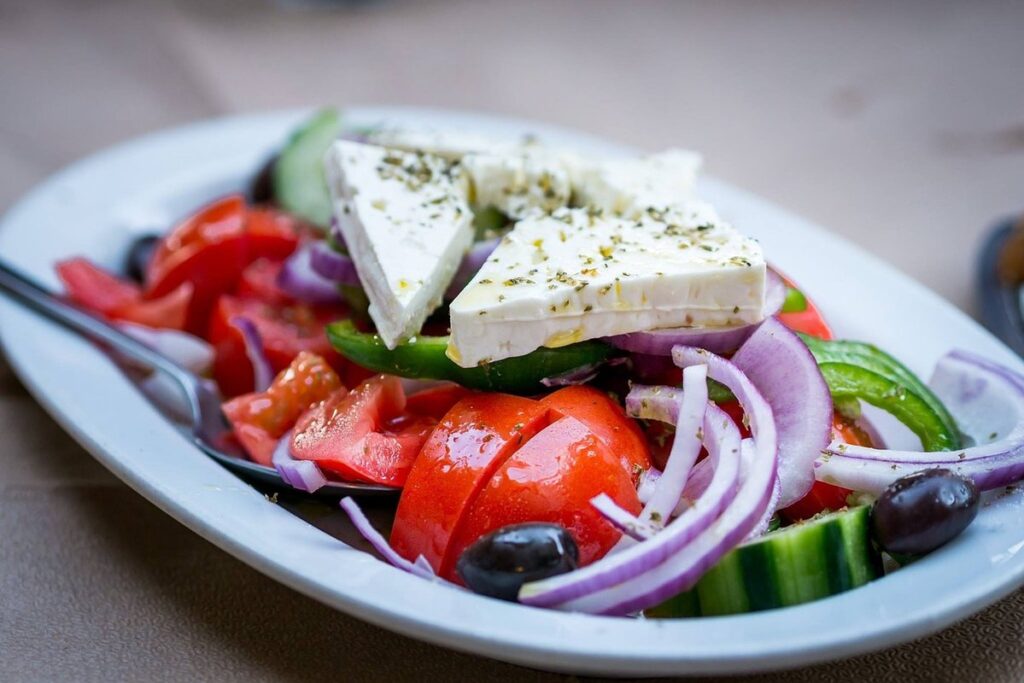
Some iconic dishes from Southern Greece include froutalia, a salad made with fresh tomatoes, cucumbers, and feta cheese, as well as melitzanosalata, a smoky eggplant dip. When dining out in Southern Greece, be sure to try some of the local specialties like grilled sea bass or vegetable skewers, often served with a side of creamy hummus or tzatziki sauce.
Classic Greek Dishes: Staples of Every Traditional Meal
No meal in Greece is complete without some beloved classic dishes that have been passed down through generations, and we’re excited to share a few of them with you. These timeless staples are an integral part of Greek cuisine.
Main Course Favorites: Moussaka, Souvlaki, and Stifado
Moussaka, a layered dish of eggplant, minced meat, and béchamel sauce, is often considered Greece’s national dish. Its name is derived from the Turkish word “musakka,” which refers to a dish made with minced meat and eggplant. The traditional recipe consists of sliced eggplant, cooked until tender, then layered with a rich meat ragù and topped with a creamy béchamel sauce. This hearty dish is often served at special occasions and is a staple in Greek tavernas.
Souvlaki, on the other hand, is a classic Greek street food made from skewers of marinated pork or chicken grilled to perfection. The name “souvlaki” comes from the Greek words for “suckling pig,” but modern souvlaki typically consists of thinly sliced meat, often served with a side of creamy tzatziki sauce and pita bread.
Stifado, a beef stew made with onions, garlic, and a sweet and spicy sauce, is a beloved regional specialty in Northern Greece. The name “stifado” comes from the Greek word for “stewed,” and this dish is often served as a comfort food during the winter months. Its rich flavor profile, which combines the sweetness of onions with the spiciness of cinnamon and cloves, makes it a favorite among locals and visitors alike.
Side Dish Staples: Gigantes, Spanakopita, and Dolmades
Gigantes, Spanakopita, and Dolmades are staples of traditional Greek cuisine, often accompanying main courses with their unique flavors and textures. Gigantes, large white beans stewed in a rich tomato sauce, add a comforting element to meals, while their creamy texture helps balance the heartiness of meat dishes like moussaka or stifado.
Spanakopita, on the other hand, is a spinach and feta pastry that brings a tangy freshness to the table. Its flaky crust and gooey filling provide a satisfying contrast to denser main courses. Dolmades, stuffed grape leaves typically filled with rice, herbs, and sometimes meat or fish, contribute a burst of flavor and color to meals.
These side dishes play crucial roles in balancing traditional Greek meals, which often feature rich flavors and bold ingredients. By incorporating these staples into your cooking repertoire, you can recreate the harmony found in authentic Greek cuisine. For optimal results, be sure to use high-quality ingredients, such as fresh spinach for Spanakopita and tender grape leaves for Dolmades. Experiment with different fillings or sauces to make Gigantes your own.
Traditional Greek Desserts: Sweet Treats from the Heart of Greece
Greek desserts are a true reflection of the country’s rich culinary heritage, offering an array of sweet treats that showcase the region’s unique flavors and traditions. From honey-soaked pastries to creamy galaktoboureko, we’ll explore some of Greece’s most beloved sweets.
Classic Pastries: Baklava, Galaktoboureko, and Loukoumades
Baklava, Galaktoboureko, and Loukoumades are quintessential Greek pastries that embody the country’s rich culinary heritage. At their core, these classic desserts share a common thread: layers of flaky phyllo dough, carefully crafted to create a delicate balance of textures.
Baklava is perhaps Greece’s most iconic pastry, composed of layers of phyllo, nuts (typically walnuts or pistachios), and honey. Its rich flavors are often associated with special occasions and celebrations. To make baklava at home, it’s essential to layer the phyllo carefully, ensuring a smooth transition between each component.
Galaktoboureko is another beloved pastry that consists of semolina custard wrapped in phyllo, topped with a sweet syrup. Its creamy filling and crispy exterior have captivated Greeks for generations. When preparing galaktoboureko, it’s crucial to achieve the right balance between the custard’s sweetness and the phyllo’s crunch.
Loukoumades are small dough balls deep-fried in oil and drizzled with honey. These bite-sized treats are often served as a sweet indulgence or accompanied by a cup of coffee. To create authentic loukoumades, use high-quality olive oil for frying and adjust the heat level to achieve a delicate golden brown color.
When making these traditional pastries at home, remember that phyllo dough requires gentle handling to prevent it from tearing. Be patient when layering the ingredients, and don’t be afraid to experiment with different combinations of nuts or flavors to create unique variations.
Fruit-Infused Desserts and Traditional Sweets from Around Greece
In Greece’s Mediterranean climate, an abundance of fresh fruits is a hallmark of summer. This profusion of seasonal produce has naturally influenced traditional desserts, where fruits are often infused into sweet treats to create unique flavor profiles. One such example is the Galaktoboureko’s cousin, the Karidopita – a walnut cake that’s essentially a fruit-infused dessert in disguise. The use of fresh citrus zest and juice in traditional sweets like Kataifi and Amygdalopita (a walnut pie) adds an extra layer of flavor.
Some local specialties showcase regional flavors and ingredients, such as the cherry-filled pastry known as Kerasma in the Peloponnese region or the rosewater-infused sweets found in Crete. In these desserts, fruits are often paired with other local ingredients like honey, nuts, or spices to create a distinct taste experience that reflects each region’s unique terroir.
When experimenting with fruit-infused desserts at home, consider using seasonal produce to keep flavors fresh and authentic. Simply substitute traditional sugar with honey for added depth, or use rosewater instead of vanilla for an exotic twist – just be sure to adjust the amount according to the recipe.
Ingredients and Flavors: The Essence of Greek Cuisine
Greek cuisine is all about balance, where rich flavors and aromas come together to create dishes that are both simple and complex. Let’s take a closer look at the building blocks of traditional Greek cooking: its essential ingredients and flavors.
Olive Oil and Lemon Juice: Essential Components of Greek Cooking
Olive oil and lemon juice are staples in traditional Greek cooking, contributing to both flavor and nutritional value. The health benefits of these ingredients are well-documented: olive oil is rich in monounsaturated fats, which lower cholesterol levels, while lemon juice is a good source of vitamin C and antioxidants. In Greek cuisine, olive oil is used liberally as a finishing touch for dishes like salads, grilled meats, and roasted vegetables. Its distinct flavor enhances the natural taste of ingredients without overpowering them.
Lemon juice, on the other hand, adds brightness and acidity to sauces, marinades, and dressings. It’s a key component in classic Greek recipes such as spanakopita (spinach pie) and moussaka (eggplant casserole). When using lemon juice, it’s essential to balance its acidity with sweetness or richness – a pinch of sugar or a sprinkle of feta cheese can help achieve this harmony.
In traditional Greek cooking, olive oil and lemon juice are not just flavor enhancers but also reflect the country’s rich cultural heritage. The use of these ingredients is deeply rooted in the Mediterranean diet, which emphasizes whole foods, fresh produce, and healthy fats. By incorporating olive oil and lemon juice into your cooking repertoire, you can experience a taste of Greece firsthand.
Spices, Herbs, and Cheese: Adding Depth to Traditional Dishes
Greek cuisine relies heavily on a combination of spices, herbs, and cheeses to add depth and complexity to traditional dishes. A staple in Greek cooking is the use of aromatic herbs such as oregano, thyme, and rosemary, which are often used to season meats, stews, and soups. The most commonly used spice in Greek cuisine is paprika, which adds a smoky flavor to many classic dishes like moussaka and stifado.
Cheese also plays a crucial role in Greek cooking, particularly feta, which is made from sheep’s or goat’s milk and has a tangy, salty taste. Feta is often crumbled over salads, used as a topping for pita bread, or added to pasta dishes like pastitsio.
In addition to these staples, other notable spices and herbs include cumin, coriander, garlic, and lemon zest. These ingredients can be combined in various ways to create unique flavor profiles, such as the sweet and sour taste of a classic Greek salad dressing made with red wine vinegar, olive oil, and a pinch of sugar.
For home cooks looking to incorporate more authentic Greek flavors into their cooking, start by experimenting with different combinations of herbs and spices. Try adding a sprinkle of oregano to your next lamb dish or using feta as a topping for grilled vegetables.
Cooking Techniques for Home Chefs
To master traditional Greek cooking, it’s essential to understand and practice various techniques that will elevate your dishes from ordinary to extraordinary. We’ll share some expert tips on key methods you need to know.
Tips for Preparing Authentic Greek Meals at Home
To prepare authentic Greek meals at home, start by investing in a few essential pieces of equipment. A traditional Greek kitchen relies on heavy clay pots and pans, known as “çaydanlık,” which distribute heat evenly and retain moisture. If you can’t find these exact pieces, opt for heavy-bottomed stainless steel or cast-iron cookware instead.
Stock your pantry with staples like extra-virgin olive oil, red wine vinegar, and Kalamata olives. These ingredients form the backbone of many Greek dishes. Don’t forget to have a well-stocked spice rack, including oregano, thyme, and rosemary, which add depth to traditional recipes.
When it comes to techniques, focus on slow cooking and braising. Greek cuisine relies heavily on long-cooked meats and stews, which are typically cooked in a clay pot over low heat. Practice makes perfect, so start by experimenting with simple dishes like stews and roasts. Pay attention to the balance of flavors, using acidity from lemon juice or vinegar to cut through richness.
In addition to these tips, familiarize yourself with traditional Greek cooking techniques such as “sous chef” (stewing meat in liquid) and “kleftiko” (slow-cooking lamb on the bone). By mastering these essential skills and ingredients, you’ll be well on your way to creating authentic Greek meals that transport your taste buds to the Mediterranean.
Traditional vs. Modern Greek Cuisine: Balancing Heritage with Innovation
Greek cuisine is often characterized by a delicate balance between tradition and innovation. For chefs looking to create authentic Greek dishes at home, it’s essential to understand the nuances of this balance. Traditional Greek cooking methods emphasize simplicity, using only a few high-quality ingredients to allow each component to shine. However, modern twists can elevate these classics by introducing new flavors and techniques.
One approach is to update classic recipes with fresh, seasonal ingredients. For example, substituting traditional eggplant with heirloom varieties or adding locally sourced herbs like oregano or thyme can infuse dishes like moussaka or spanakopita with a modern twist. Another strategy is to experiment with new cooking techniques, such as grilling or roasting, which can add smoky flavors and textures to traditional Greek dishes.
Ultimately, innovation should be guided by a deep understanding of the cultural heritage that underpins Greek cuisine. Chefs who approach modernization with respect for tradition are more likely to create successful fusions that honor the past while exciting the palate.
A Taste of Greece Around the World
As we explore traditional Greek cuisine, let’s take a culinary journey to discover how beloved dishes from Greece are adapted and enjoyed around the world in unique and delicious ways. From coastal Italy to the US Midwest, Greek flavors have become an integral part of local cuisines.
The Global Reach of Greek Cuisine
Greek cuisine has traveled far beyond its Mediterranean homeland, carried by waves of migration and cultural exchange. As Greeks settled in countries like Australia, the United States, and Canada, they brought with them their culinary traditions. In cities with large Greek diaspora populations, traditional restaurants serving moussaka, souvlaki, and spanakopita have become staples.
In addition to authentic representations, many international chefs have experimented with Greek flavors in fusion cuisine. For instance, a Korean-Greek restaurant in Los Angeles serves a kimchi-stuffed souvlaki, while an Australian eatery offers a grilled octopus with a Japanese-inspired miso sauce. These innovative dishes demonstrate how traditional Greek ingredients and cooking techniques can be reinterpreted for new audiences.
If you’re looking to experience authentic Greek cuisine abroad, look for restaurants that proudly display their Hellenic roots or feature Greek chefs on their staff. Ask your server about the traditional recipes used in-house, or seek out local food bloggers who have reviewed authentic Greek eateries. You might even discover a hidden gem of a taverna serving up classic dishes made with love and care by Greek expats.
How to Experience Authentic Greek Flavors Locally and Internationally
When exploring authentic Greek cuisine abroad, start by seeking out local eateries that specialize in traditional dishes. Look for restaurants with menus featuring classic recipes like moussaka, souvlaki, and spanakopita. You can also ask locals or hotel staff for recommendations on the best places to try authentic Greek food.
To truly experience the flavors of Greece at home, consider taking a cooking class that focuses on traditional Greek cuisine. These classes often teach you how to prepare dishes like dolmades, gigantes, and baklava from scratch using fresh ingredients. You’ll also gain insight into the cultural significance of each dish and learn about the importance of olive oil, lemon juice, and herbs in Greek cooking.
For those who want to bring a taste of Greece into their own kitchens, specialty food shops are a great resource. Look for stores that import traditional Greek ingredients like feta cheese, kalamata olives, and sun-dried tomatoes. You can also find authentic Greek spices, such as oregano and thyme, at these shops. By incorporating these ingredients into your cooking, you’ll be able to create delicious, authentic Greek dishes at home.
Frequently Asked Questions
Can I make traditional Greek dishes without using olive oil?
Yes, while olive oil is a fundamental component of Greek cuisine, you can substitute it with other neutral-tasting oils like grapeseed or sunflower oil in some recipes. However, keep in mind that the flavor and nutritional profile will be slightly different. For authentic taste, use high-quality extra-virgin olive oil whenever possible.
How do I balance the flavors in a traditional Greek dish if I’m using modern ingredients or substitutions?
When working with non-traditional ingredients, focus on adjusting salt levels first, as this can greatly impact overall flavor balance. Additionally, consider adding a squeeze of fresh lemon juice to restore acidity and brightness. Taste frequently while cooking, making adjustments as needed to ensure the flavors align with your intended dish.
What are some common mistakes to avoid when preparing traditional Greek desserts?
One common error is overworking phyllo dough, which can lead to brittle or soggy pastries. To prevent this, handle phyllo gently, brush it with butter or oil sparingly, and assemble the pastry in a well-ventilated area. Also, be mindful of sugar content when substituting traditional sweeteners like honey or syrup.
Can I make Greek-style salads without fresh cucumbers and tomatoes?
Yes, while these ingredients are staples in many Greek salads, you can still create a flavorful salad using alternative vegetables like bell peppers, carrots, or zucchini. Balance the flavors with a good quality olive oil, lemon juice, and a sprinkle of feta cheese for authenticity.
How do I know if my traditional Greek meal is “authentic” enough?
Authenticity in cooking often lies in attention to detail and respect for cultural traditions. If you’ve carefully followed traditional recipes, used high-quality ingredients, and taken the time to understand the historical context behind each dish, you can be confident that your creation is a genuine representation of Greek cuisine.