Indian cuisine is one of the world’s most diverse and beloved culinary traditions, with its roots in ancient trade routes, cultural exchange, and regional variations. From spicy curries to fragrant biryanis, traditional Indian dishes have been shaped by a complex interplay of influences – including Mughal-era imperial courts, Indian subcontinent’s varied climate zones, and local agricultural practices that dictate the use of specific spices and ingredients. As you explore this rich culinary heritage, you’ll discover how regional specialties like Hyderabadi Biryani, Chettinad cuisine, and Rajasthani thalis showcase India’s incredible diversity in a single dish. This guide will take you on a journey through popular dishes, highlighting their origins, evolution, and cultural significance – so by the time you finish reading, you’ll be able to identify regional specialties and understand the nuances of traditional Indian cuisine.
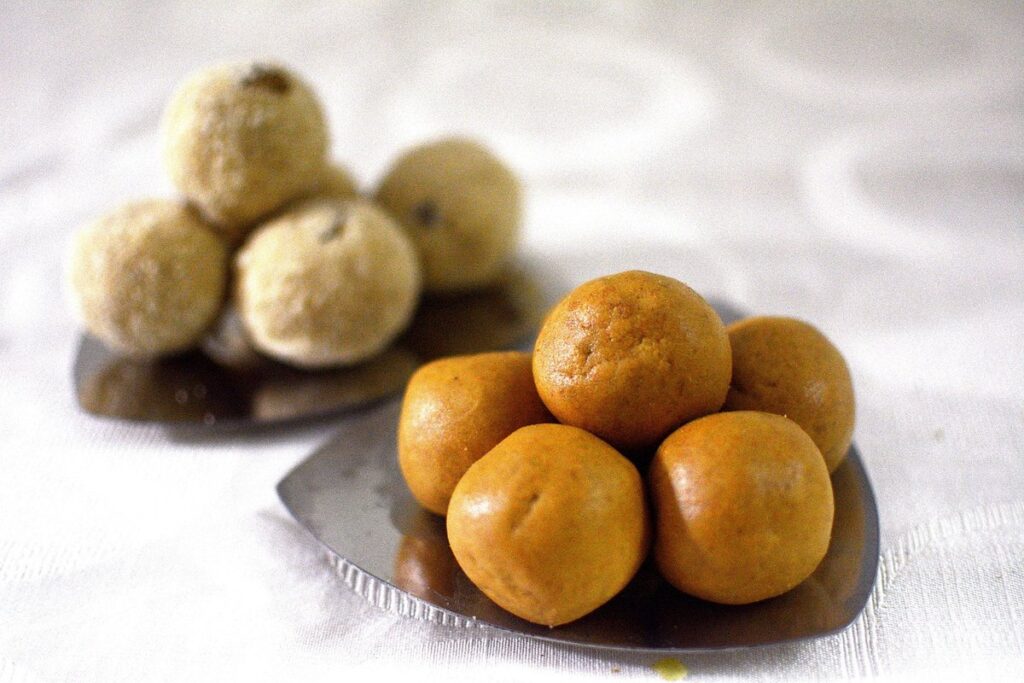
Origins and Evolution of Indian Cuisine
Indian cuisine has a rich history that spans thousands of years, shaped by various cultures and invasions, leading to its unique diversity today. Let’s take a closer look at how this complex culinary landscape came to be.
Early Influences and Trade Routes
The development of Indian cuisine is a testament to the country’s strategic location at the crossroads of ancient trade routes. The Silk Road, which connected China with the Mediterranean region, facilitated the exchange of goods, ideas, and culinary techniques between Middle Eastern, Central Asian, and Southeast Asian cultures. As a result, Indian cuisine absorbed and adapted various flavors, ingredients, and cooking methods from these regions.
For instance, the use of spices such as cumin, coriander, and turmeric, which are staples in Indian cuisine today, was introduced by traders from the Middle East and Central Asia. Similarly, the technique of slow-cooking meats in rich sauces, characteristic of many Indian curries, was influenced by Persian and Mongol invaders.
The impact of Southeast Asian cuisine is also evident in Indian dishes like biryani, which combines aromatic spices with fragrant basmati rice, a staple in both India and Pakistan. The fusion of these different culinary traditions has resulted in the unique flavors and diversity of traditional Indian cuisine. By understanding the historical influences on Indian food, cooks can appreciate the complexity and richness of its various regional styles.
Regional Variations and Specialties
India’s diverse regions have given rise to a multitude of distinct cuisines. North Indian cuisine is characterized by rich and creamy sauces, often featuring ingredients like paneer, koftas, and naan bread. In contrast, South Indian cuisine emphasizes rice, lentil-based dishes, and chutneys made with coconut and tamarind. East Indian cuisine, meanwhile, showcases a strong influence from Bengali culture, with popular dishes like jhol (a fish stew) and kosha (a rich meat curry). West Indian cuisine is notable for its use of seafood and coconut milk.
The unique flavor profiles of each region are often attributed to the local availability of ingredients and spices. For instance, North India’s love affair with ghee (clarified butter) is due in part to the abundance of dairy products in the region. Similarly, South Indian cuisine relies heavily on coconut and tamarind for added acidity and depth.
Understanding these regional variations can help you tailor your cooking to suit local tastes. When exploring traditional Indian recipes, it’s essential to consider the specific ingredients and flavors associated with each region. By doing so, you’ll be able to create authentic dishes that showcase the diversity of India’s culinary landscape.
Impact of Religion and Culture on Indian Food
Indian cuisine is a melting pot of diverse influences, with major religions playing a significant role in shaping traditional dishes. Hinduism, Islam, and Sikhism, among others, have contributed to the country’s rich culinary heritage. For instance, Hinduism’s emphasis on vegetarianism has led to the creation of numerous plant-based curries and stews, such as chana masala and saag paneer.
In contrast, Muslim communities follow halal practices, which dictate that meat be slaughtered according to specific guidelines. This is reflected in popular dishes like biryani and kebabs. Sikhism’s emphasis on equality and community has also influenced the preparation of communal meals, such as langar food.
Cultural taboos surrounding food are another important aspect of Indian cuisine. For example, many Hindus avoid consuming beef due to its association with sacred cattle, while Muslims often abstain from pork and alcohol. In some regions, certain foods are considered impure or inauspicious for consumption during specific times or occasions.
To appreciate the nuances of traditional Indian cuisine, it’s essential to understand these cultural and religious influences. By acknowledging and respecting these differences, home cooks can create authentic and delicious meals that honor India’s rich culinary diversity.
Popular Traditional Dishes from Around India
Let’s take a culinary journey through India, exploring some of its most beloved and iconic traditional dishes that showcase the country’s rich cultural heritage. From North to South, each region has its own unique flavors and specialties.
North Indian Classics: Tandoori Chicken and Naan Bread
Tandoori chicken and naan bread are two quintessential North Indian dishes that have gained immense popularity worldwide. The origins of tandoori chicken date back to the Mughal Empire, where cooks would marinate chicken in yogurt and spices before roasting it in a tandoor oven. This cooking method allowed for even heat distribution and created a tender, smoky texture.
The dish’s signature flavor profile is attributed to the use of cumin, coriander, garam masala, and cayenne pepper. A traditional recipe typically involves marinating chicken in yogurt mixed with spices overnight before baking it in a tandoor oven at high temperatures.
Naan bread, on the other hand, originated as a staple food for laborers in ancient India. Made from leavened dough, naan is often served alongside North Indian curries and stews. Its characteristic softness and slightly charred texture are achieved by cooking it in a tandoor oven or over an open flame.
When making tandoori chicken at home, the key to success lies in the marinade’s flavor profile and the even distribution of heat while roasting. A good quality tandoor oven or a conventional oven set to high temperatures can produce similar results. For those without access to a tandoor, baking in a regular oven can be an effective substitute.
South Indian Staples: Idlis and Dosas
In South India, breakfast is a sacred institution. It’s not just about fueling up for the day ahead; it’s an occasion to savor flavors and textures unique to this region. At the heart of South Indian cuisine are idlis (steamed rice cakes) and dosas (fermented lentil or rice crepes). Idlis are soft, fluffy, and slightly sweet, often served with sambar (a spicy lentil-based vegetable stew) and chutney.
Dosas, on the other hand, are a staple in South Indian breakfast traditions. Made from fermented lentil or rice batter, dosas have a delicate crunch on the outside and a soft interior. They’re typically served with sambar and chutney, just like idlis, but some variations come with spicy fillings, such as potatoes, onions, and chilies.
Regional variations abound: in Tamil Nadu, dosas are often made with a thicker batter for a more robust flavor; in Karnataka, they’re thinner and crisper. Breakfast traditions also vary across cities, with Bengaluru’s idlis and dosas being distinct from those found in Chennai or Hyderabad. To experience the authentic flavors of South Indian breakfast staples, try making them at home using traditional recipes and ingredients. Start by investing in a steamer for idlis, as this will yield the lightest, most tender results.
East Indian Delicacies: Jhol and Kosha
In Eastern India, particularly in Bengal and Odisha, two beloved dishes hold significant cultural importance: jhol and kosha. Jhol is a light fish curry made with freshwater fish, turmeric, ginger, garlic, cumin seeds, coriander powder, red chili powder, salt, and mustard oil. The mild spices allow the delicate flavor of the fish to shine through, making it a staple in Bengali cuisine.
Kosha, on the other hand, is a rich meat stew cooked with beef or mutton, onions, ginger, garlic, cumin seeds, coriander powder, red chili powder, salt, and mustard oil. The slow-cooked mixture of spices and herbs creates a thick, flavorful gravy that pairs perfectly with steaming hot rice or rotis. Both dishes have their roots in traditional Bengali cuisine, influenced by the region’s history of trade and cultural exchange.
In modern times, jhol and kosha continue to be celebrated for their rich flavors and aroma. To make an authentic jhol at home, use a mixture of freshwater fish such as rohu or katla, along with fresh ginger, garlic, and green chilies. For kosha, choose tender beef or mutton pieces and cook them slowly with cumin seeds and coriander powder to bring out the flavors.
Vegetarian and Vegan Dishes in Traditional Indian Cuisine
While many people assume traditional Indian cuisine is meat-heavy, there’s a rich history of vegetarian and vegan dishes to explore in India. From spicy curries to flavorful biryanis, we’ll look at some iconic options.
Popular Vegetable-Based Curries and Stews
Vegetable-based curries and stews are an integral part of traditional Indian cuisine. The diversity of plant-based options is evident in various regional specialties. In North India, popular dishes include Chana Masala, a chickpea curry from Punjab, and Baingan Bharta, a roasted eggplant mash from Delhi.
In South India, the coconut-rich curries are a staple. Sambar, a lentil-based vegetable stew, is a common accompaniment to idlis and dosas. In addition, the spicy Chettinad-style vegetable curry from Tamil Nadu is renowned for its bold flavors. East Indian cuisine also boasts an array of vegetarian options, such as the Bengali-style Vegetable Bhaja, a crispy fried dish made with a variety of vegetables.
Some popular vegetables used in these curries and stews include bell peppers, cauliflower, carrots, and potatoes. The use of ghee or coconut oil adds richness to the dishes. When preparing vegetable-based curries, it’s essential to balance flavors by adjusting spice levels according to personal preference. Experimenting with different combinations of spices and herbs can elevate the taste of these traditional Indian curries and stews.
Some key ingredients to consider when making a traditional Indian-style curry include cumin seeds, coriander powder, turmeric, and red chili powder.
Street Food Favorites: Vada Pav and Misal Pav
Vada Pav and Misal Pav are two beloved street food favorites in India, both of which happen to be vegetarian and vegan-friendly. Vada Pav originated in Mumbai as a snack for textile mill workers, consisting of a deep-fried potato dumpling served in a bread bun with chutney. The dish is often attributed to Ashok Vaidya, who in 1969 began selling vadas from a cart on the streets of Dadar. Today, you can find vendors selling vada pav all over India, each with their own twist on the classic recipe.
Misal Pav, another popular street food, hails from the state of Maharashtra. The dish typically consists of a spicy curry made with sprouted lentils, served over farsan (a type of crunchy snack) and accompanied by pav (bread buns). Misal Pav is often associated with the city of Pune, where it’s been a staple since the 1970s. When trying either of these dishes, look for vendors who use fresh ingredients and traditional cooking methods to get an authentic experience. Be sure to try both the vada pav and misal pav with chutney, as this adds an essential layer of flavor to each dish.
The Role of Spices and Herbs in Traditional Indian Cuisine
Spices and herbs play a crucial role in traditional Indian cuisine, adding depth and complexity to dishes that have been passed down through generations. Let’s take a closer look at how they’re used to create such distinctive flavors.
Aromatic and Pungent Spices: Turmeric, Ginger, and Cumin
Turmeric is a staple spice in traditional Indian cooking, adding a vibrant yellow color and a warm, slightly bitter flavor to curries, stews, and rice dishes. Its active compound, curcumin, has potent anti-inflammatory properties, making it a valuable component of many Ayurvedic remedies. In contrast, ginger brings a spicy kick and digestive benefits to teas, chutneys, and sauces. When combined with cumin, the trio creates an aromatic and pungent flavor profile that is quintessentially Indian.
To incorporate these spices into your cooking, start by roasting whole turmeric roots or grating fresh ginger to release their full flavors. Cumin seeds can be toasted in a pan until fragrant before grinding them into a powder. A key combination for traditional Indian curries is the “garam masala” blend, which typically includes ground cumin, coriander, and turmeric, along with other warming spices like cinnamon and cardamom. When substituting store-bought garam masala with individual spices, use a ratio of 2 parts cumin to 1 part turmeric to achieve an authentic flavor profile. Experimenting with these aromatic spices will help you unlock the depth and richness characteristic of traditional Indian cuisine.
The Importance of Fresh Herbs: Coriander Leaves and Mint
In traditional Indian cooking, fresh herbs like coriander leaves and mint add a burst of flavor, aroma, and texture to various dishes. Coriander leaves, also known as cilantro, have a distinctive citrusy taste and are commonly used in chutneys, salads, and raitas (a yogurt-based side dish). They pair well with spices like cumin and coriander powder, which is why they’re often combined in sauces for grilled meats and vegetables.
Mint, on the other hand, has a cooling effect that helps balance spicy dishes. Its fragrance and flavor are particularly suited to desserts like kulfi (Indian-style ice cream) and chaas (a yogurt-based drink). In savory dishes, mint is used to add freshness to curries, biryanis, and kebabs.
To incorporate fresh herbs into your cooking, start by using them in moderation. A small handful of chopped coriander leaves or a few sprigs of fresh mint can make a big impact on the flavor of a dish. Experiment with different combinations of herbs and spices to create unique flavor profiles. For example, try pairing coriander leaves with cumin powder for a classic Indian flavor, or use mint with cilantro in a refreshing salad dressing.
Modern Twists on Traditional Indian Dishes
As we explore traditional Indian dishes, let’s not forget that modern twists and creative interpretations are breathing new life into these classic flavors. From innovative fusion recipes to clever presentation ideas, there’s plenty of inspiration to discover.
Fusion Cuisine and Contemporary Cooking Methods
Modern chefs are pushing the boundaries of traditional Indian cuisine by incorporating innovative cooking techniques and fusion cuisine. This approach involves combining Indian flavors with international ingredients and methods to create unique dishes. For instance, some restaurants now serve sushi-style naan wraps or use Korean chili flakes to add depth to their curries.
Another trend is the incorporation of modern cooking techniques like sous vide and molecular gastronomy. These methods allow chefs to precision-control temperatures and textures, resulting in a more consistent flavor profile. Some chefs are also experimenting with plant-based milks and vegan-friendly alternatives to traditional dairy products.
Fusion cuisine can be seen in dishes like chicken tikka tacos or Indian-inspired risottos. Chefs are taking classic recipes and reimagining them using global ingredients and cooking methods. This approach requires a deep understanding of flavor profiles and the ability to balance competing tastes. By embracing fusion cuisine, chefs can breathe new life into traditional Indian dishes and create exciting new experiences for diners.
Some key considerations when experimenting with modern twists include respecting the original recipe’s essence while making deliberate changes to appeal to contemporary palates. This requires a delicate balance between innovation and tradition.
Preserving Tradition: The Importance of Authentic Recipes
Preserving traditional recipes and methods is essential for maintaining the cultural heritage and culinary identity of Indian cuisine. When we tamper with tried-and-true techniques and ingredients, we risk losing the essence of a dish. Consider the case of authentic North Indian butter chicken: its rich flavor profile relies heavily on slow-cooked tomatoes, onions, and spices. To replicate this at home, use fresh, high-quality ingredients and follow traditional cooking methods.
When experimenting with modern twists or fusion cuisine, it’s crucial to understand what makes a dish truly Indian. This involves respecting the nuances of regional flavors, ingredient combinations, and cooking techniques that have been passed down through generations. For example, using store-bought curry paste in place of freshly ground spices can alter the flavor profile significantly.
To preserve tradition, cooks should focus on mastering basic techniques like tempering, layering spices, and cooking with ghee or oil. This foundation will allow them to adapt and innovate while staying true to the roots of Indian cuisine. By doing so, home cooks can ensure that their creations remain authentic and worthy of the rich culinary legacy they’re building upon.
Conclusion: Embracing Traditional Indian Cuisine Today
As you’ve reached the end of our comprehensive guide, it’s time to explore how traditional Indian cuisine can be seamlessly incorporated into your modern cooking repertoire. We’ll discuss its enduring appeal and versatility in contemporary kitchens.
Sustaining Cultural Heritage Through Food
Traditional Indian dishes are more than just a reflection of India’s rich culinary heritage; they also serve as a means to preserve and honor its cultural legacy. Each region, community, and even family has its own unique recipes, techniques, and ingredients that have been passed down through generations. These dishes often tell stories of the land, its people, and their history.
A key aspect of sustaining cultural heritage through food is recognizing the importance of preserving traditional recipes and cooking methods. This can be done by learning from elderly family members or community leaders who are knowledgeable about these practices. For instance, mastering the art of making naan bread from scratch involves not only understanding the right proportions of ingredients but also respecting the technique passed down from one’s ancestors.
Another crucial step is to appreciate and respect the ingredients used in traditional Indian dishes. Many recipes rely on locally sourced, seasonal produce, which not only ensures flavor but also supports local farmers and promotes sustainability. For example, using fresh coriander leaves in a Bengali-style kosha or selecting the right variety of rice for making idlis demonstrate an appreciation for the land’s bounty.
To incorporate traditional Indian dishes into modern life, consider hosting cultural events or potlucks where family and friends can share their favorite recipes. This not only allows for cross-cultural exchange but also helps in preserving the stories behind these dishes. Additionally, supporting local businesses that specialize in traditional Indian cuisine or products ensures that the legacy of these recipes continues to thrive.
By embracing traditional Indian cuisine, we not only honor our cultural heritage but also contribute to its survival.
Frequently Asked Questions
Can I make traditional Indian dishes without access to tandoors or specific equipment?
Yes, many traditional Indian dishes can be adapted for home cooking with minimal equipment. For example, you can use a regular oven instead of a tandoor to make naan bread, and use a skillet to cook some North Indian-style curries.
How do I balance the heat level in my traditional Indian cooking without overpowering other flavors?
Achieving the right balance between spices is key. Start by using a smaller amount of hot spices like cayenne pepper or red chili powder, and then adjust to taste. Also, use acidic ingredients like tomatoes or citrus juice to help cut through richness.
Can I substitute non-traditional ingredients in traditional Indian recipes without losing their authenticity?
While it’s tempting to experiment with new ingredients, substituting key components can alter the dish’s character. If you want to try something different, start by tweaking small elements like herbs or spices, rather than replacing main ingredients.
How do I know when a dish is “authentic” in terms of cultural and regional influences?
Authenticity is subjective, but look for dishes that reflect the cultural and geographical context described in the article. Pay attention to ingredients, cooking methods, and historical references. If you’re unsure, try making a traditional version alongside its modern adaptations.
Can I apply the principles from this guide to other international cuisines or adapt them for my own creative cooking?
Yes, many of the principles discussed here can be applied across various international cuisines. Consider how specific ingredients, spices, and cooking methods might translate between cultures, and feel free to experiment with fusion ideas in your own cooking.