Turkish cuisine is a treasure trove of flavors and traditions that have been delighting palates for centuries. From the rich stews to the sweet pastries, every dish tells a story of the country’s history and culture. The heartiness of Turkish food lies not only in its bold flavors but also in its ability to bring people together around the table. Whether you’re a seasoned cook or just starting out, exploring traditional Turkish cuisine is an exciting journey that can add a new dimension to your cooking repertoire.
If you’ve ever been to Turkey or simply fallen in love with the aromas of Turkish food, this guide is for you. Here, we’ll take you on a culinary tour of Turkey’s most beloved dishes, from classic kebabs to fragrant rice pilafs and sweet baklava pastries. By the time you finish reading, you’ll be equipped with the knowledge and confidence to incorporate these delicious Turkish treats into your own kitchen, elevating your cooking skills and sharing the joys of this rich culinary heritage with friends and family.
Understanding Turkish Food Culture
Let’s talk about what makes traditional Turkish cuisine so unique and fascinating, starting with a deeper look at its rich cultural heritage. This influences everything from mealtimes to table manners.
The Importance of Mealtimes in Turkish Society
In Turkey, mealtimes are not just a time for sustenance but also for social bonding. Family and friends often gather together to share meals, strengthening relationships and creating memories. The concept of “guest is God” – Misafir Kahramandır – is deeply ingrained in Turkish culture, emphasizing the importance of hospitality and welcoming guests into one’s home.
Turkish mealtimes are typically long and leisurely affairs, with conversations flowing as freely as the food and drink. It’s not uncommon for meals to last several hours, allowing time for storytelling, laughter, and catching up on each other’s lives. When eating with others, Turks prioritize sharing dishes and taking turns serving one another – a sign of respect and generosity.
In Turkish culture, mealtimes are also an opportunity to slow down and appreciate the simple pleasures in life. Meals are often served on intricately decorated plates, adding a touch of elegance to the table setting. The emphasis is not just on filling your belly but also on nourishing your soul through shared experiences and quality time with loved ones. By embracing this cultural tradition, visitors can gain a deeper appreciation for Turkish customs and create lasting connections with their hosts.
Traditional Turkish Table Manners
When dining with locals in Turkey, it’s essential to be aware of traditional Turkish table manners. One key aspect is the use of hands – it’s common for Turks to eat with their right hand only, as the left hand is considered unclean after using the restroom. When receiving food or drink from someone else, accept it with your right hand and take a small portion before passing it on.
Table settings are also worth noting. The most honored guest typically sits at the head of the table, and guests are expected to wait for the host to start eating before taking their first bite. It’s customary to keep your hands visible on the table, with your wrists resting on the edge of the plate. Avoid crossing your arms or legs, as this can be seen as defensive or closed-off.
When interacting with others at the table, be mindful of verbal cues. Turks often engage in lively conversation during meals, but it’s not uncommon for discussions to become animated and loud. If you’re unsure how to respond, follow the lead of your hosts – they’ll likely appreciate your willingness to participate in cultural exchange. By being respectful of these customs, you can enhance your dining experiences with Turkish locals and gain a deeper appreciation for their rich food culture.
Introduction to Popular Turkish Dishes
Let’s start by exploring some of Turkey’s most beloved dishes, from hearty stews to flavorful kebabs and fresh mezzes. These iconic dishes have been a staple in Turkish cuisine for centuries.
Classic Street Food: Doner Kebab and Lahmacun
Doner kebab and lahmacun are two quintessential street foods in Turkey, enjoyed by locals and visitors alike. Doner kebab originated from the Turkish city of Bursa, where it was served as a vertical spit-roasted meat dish. The name “doner” literally means “rotating” in Turkish, referring to the continuous spinning of the meat on the rotisserie. Thinly sliced lamb or beef is stacked on a vertical spit and served in a crispy sesame-topped bun.
Lahmacun, also known as Turkish pizza, has a thin crust topped with minced meat, onions, and spices. The ingredients are spread evenly over the dough, creating a unique flavor profile. Both dishes are typically served with a squeeze of lemon juice and a sprinkle of paprika. To try these street foods like a local, look for vendors in Istanbul’s bustling streets or popular markets. Doner kebab is often served from a mobile cart, while lahmacun is usually sold from a small food stall. When ordering, be sure to ask for “ıslak doner” for a doner kebab with extra sauce or “lahmacun sade” for a plain lahmacun without toppings.
Hearty Stews and Soups: Menemen and Çorba
Menemen is a traditional Turkish breakfast dish made with scrambled eggs, onions, garlic, and spices. Served with crusty bread or pita, Menemen is a hearty start to the day, filling the senses with its rich flavors of sautéed vegetables and savory egg mixture. The ingredients are simple yet bold, making it accessible for home cooks.
For a comforting bowl of Turkish soup, look no further than Çorba. This versatile dish can be made with an array of ingredients, including vegetables, beans, or meat. A classic variation is Tarator Çorba, a cold yogurt soup featuring cucumbers, garlic, and dill. Its refreshing flavors are perfect for warm summer days.
When preparing Menemen and Çorba, don’t be afraid to get creative with spices and herbs. Paprika adds a smoky depth to both dishes, while parsley provides a bright, fresh note. Experimenting with different combinations will help you develop your own signature recipes.
For a more substantial meal, serve Menemen with Turkish sausage or crumbled feta cheese for added protein. In Çorba, try adding some small pasta shapes or rice to make it more filling.
Regional Specialties and Ingredients
As we explore the rich flavors of Turkish cuisine, it’s essential to understand the unique ingredients and specialties that set each region apart, from the spicy flavors of Istanbul to the sweet pastries of Izmir.
The Flavors of Istanbul: Seafood and Spice Blend
Istanbul’s unique blend of cultures has shaped its cuisine, particularly when it comes to seafood and spice blends. The city’s strategic location on the Bosphorus Strait allows for an abundance of fresh fish and shellfish, which are often grilled or served raw as a ceviche-style dish called “acılı hamsi.” These delicate flavors are elevated by the liberal use of spices such as paprika, sumac, and red pepper flakes.
The influence of Middle Eastern and Mediterranean cuisines is also evident in Istanbul’s spice blends. Cumin, coriander, and cinnamon are commonly used to add warmth and depth to dishes like doner kebabs and lahmajoun. The blend of spices known as “baharat” is a staple in Turkish cuisine, with its unique combination of ground spices that can vary depending on the region.
To experience the full flavor of Istanbul’s seafood and spice blends, try visiting one of the city’s many fish markets or trying a traditional Turkish restaurant. Order dishes like grilled fish with sumac and lemon, or doner kebabs made with tender lamb and fragrant spices. Don’t be afraid to ask your server for recommendations on local specialties and spice blends – they can provide valuable insights into the culinary scene and help you navigate the menu.
The Heartland’s Rich Harvests: Cereals and Vegetables
In central Anatolia’s rich agricultural heartland, wheat, barley, and vegetables are staples of traditional Turkish cuisine. The region’s fertile plains produce an abundance of crops, including durum wheat, which is used to make bulgur – a crucial ingredient in Turkish recipes like pilafs and kebabs. Bulgur is often mixed with olive oil, onions, garlic, and spices to create a flavorful base for various dishes.
Vegetables such as eggplant, zucchini, bell peppers, and tomatoes are also grown extensively in this region. They’re frequently used in stews, soups, and salads like imam bayildi, where eggplant is stuffed with onions, garlic, and spices. In the summer months, when vegetables are at their peak freshness, they’re often grilled or roasted to bring out their natural sweetness.
In traditional Turkish cooking, cereals and vegetables are often combined in hearty stews and casseroles. For example, a classic dish from central Anatolia is menemen’s cousin, menengiç – a vegetable stew made with potatoes, carrots, onions, and sometimes meat or eggs. The region’s rich harvests provide the foundation for many comforting and flavorful Turkish dishes that are staples of the country’s culinary heritage.
Traditional Turkish Baking and Pastry
Traditional Turkish baking and pastry are an integral part of the country’s culinary heritage, with sweet treats like baklava and tulumba that are impossible to resist. Let’s take a closer look at these beloved desserts.
Sweet Treats: Baklava and Turkish Delight
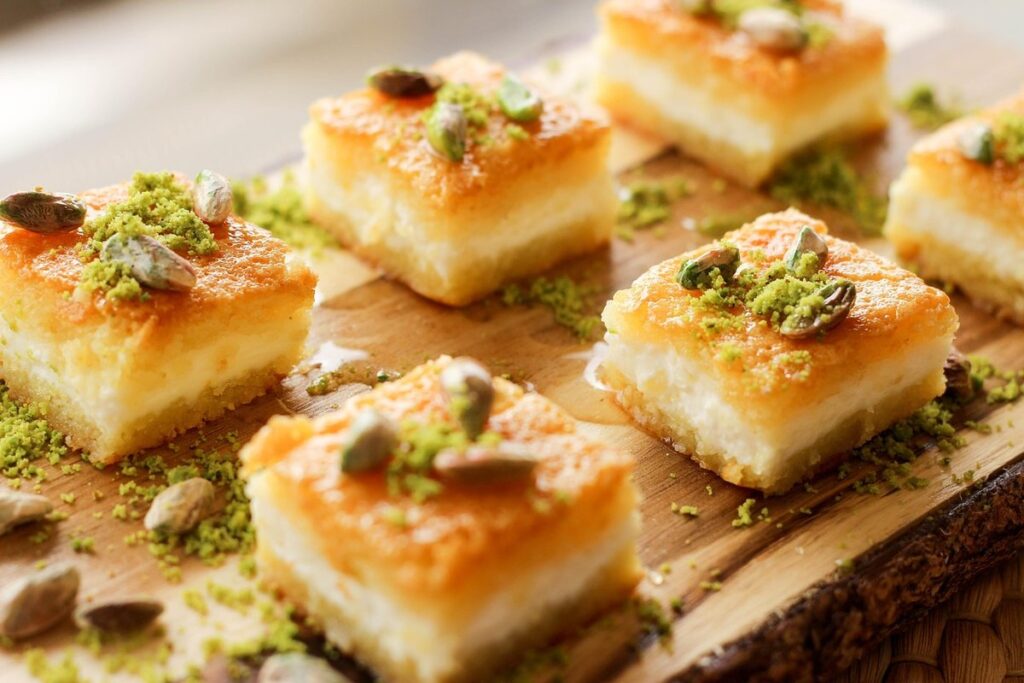
Turkish pastry-making is an art form that requires precision and patience. Two iconic desserts showcase the country’s mastery of layers and textures: Baklava and Turkish Delight. Baklava, a sweet pastry made with layers of phyllo dough and nuts, typically walnuts or pistachios, is a staple at special occasions in Turkey. The flaky, crispy texture and rich flavor profile make it a crowd-pleaser.
Turkish Delight, also known as Lokum, is a gelatinous confection that consists of sugar, cornstarch, and fruit juice or oil. Its smooth, jelly-like texture is a result of the precise balance of these ingredients. The most common flavors are rosewater and lemon, but you can find other variations like orange blossom water and pomegranate.
When making Baklava at home, it’s essential to use high-quality phyllo dough that has not been exposed to air for too long, as this can cause it to dry out. Turkish Delight is often served as a dessert or snack, but you can also find it in various flavors and shapes at street vendors and markets.
The key to mastering these desserts lies in understanding the importance of layering and texture. In Baklava, the layers of phyllo dough must be perfectly aligned to achieve the desired crunchiness. Turkish Delight’s smoothness relies on the precise balance of sugar, cornstarch, and flavorings.
Flaky Crusts and Savory Fillings: Turkish Breads and Pastries
Turkish breads and pastries are a staple of traditional cuisine, with a range of delicious options available. One popular choice is simit, a sesame-crusted bread ring that’s often enjoyed as a snack or light meal. Simit’s crispy exterior gives way to a soft interior, making it perfect for dipping in olive oil or sauces.
Another savory delight is poğaça, a flaky pastry filled with cheese, spinach, and spices. This Turkish equivalent of a quiche is both satisfying and flavorful, often served as part of a breakfast or brunch spread. You can also find variations filled with minced meat or vegetables for added variety.
Other notable mentions include borek (flaky pastry triangles filled with feta or spinach) and gözleme (stuffed pastries made with layers of dough and cheese). These traditional Turkish breads and pastries are perfect for snacking, entertaining, or even as a side dish to complement your meals. To experience their full flavor potential, try pairing them with a dollop of yogurt or a sprinkle of paprika – the combination is sure to delight your taste buds.
Desserts and Beverages
Traditional Turkish desserts are a symphony of sweetness, from creamy baklava to rich tulumba, while traditional beverages offer refreshing alternatives to rich meals. Let’s indulge in these sweet treats and drinks together!
Fruit-Based Delights: Pomegranate and Rosewater Desserts
In traditional Turkish desserts, fruit purees and extracts play a starring role. Among these, pomegranate and rosewater are particularly beloved for their sweet-tart flavor profiles. One popular dessert featuring pomegranate is the mousse-like “nar püresi”, which combines fresh pomegranate juice with whipped cream and sugar to create a light, airy treat. This refreshing dessert is perfect for hot summer days.
Another classic Turkish dessert showcasing rosewater is the creamy pudding known as “güllaç”. Made with milk, sugar, and rosewater extract, this sweet delight is often flavored with lemon zest or orange blossom water to enhance its delicate taste. When preparing these desserts at home, be sure to use high-quality pomegranate juice and rosewater for the best flavor.
When substituting rosewater in recipes, start with a small amount (about 1-2 teaspoons per cup of liquid) as its potent flavor can quickly overpower other ingredients. In traditional Turkish bakeries, these desserts are often paired with sweet pastries or cookies to create an assortment of bite-sized treats. Consider experimenting with pomegranate and rosewater in your own baking to discover the delightful flavors of traditional Turkish cuisine.
Coffee Culture in Turkey: Strong Traditions and Weak Brews
Turkish coffee is an institution in Turkey, often served at social gatherings and special occasions. Its rich history dates back to the 16th century, when it was first introduced by travelers from the Middle East. To prepare Turkish coffee, finely ground coffee beans are added to cold water and then brewed in a small pot called an ibrik or cezve.
The traditional method involves adding sugar to the coffee grounds before brewing, which is often criticized for resulting in weak brews. However, this technique allows the flavors to meld together and creates a distinct taste experience that many Turks love. Turkish coffee is typically served in tiny cups, making it easier to enjoy multiple servings throughout the day.
In Turkey, it’s customary to serve coffee after meals as a sign of hospitality. When hosting guests, Turks often take pride in brewing the perfect cup, which is considered an art form. To make traditional Turkish coffee at home, start by using high-quality Arabica beans and grind them finely. Use cold water and add sugar to taste. Experiment with different ratios of coffee to water until you achieve the desired strength.
Modern Twists on Traditional Cuisine
Modern Turkish cuisine is constantly evolving, and many chefs are putting their own spin on classic dishes, resulting in innovative flavor combinations that are worth trying. From creative takes on kebabs to reimagined desserts, we’ll explore these modern twists next.
Fusion and Innovation: Turkish-Style Dishes with a Twist
Turkish cuisine has long been a melting pot of flavors, with its unique blend of Mediterranean, Middle Eastern, and Central Asian influences. As international travel and trade increased, traditional Turkish dishes began to incorporate global ingredients and techniques, yet still maintained their distinctive character. Modern chefs are now taking this evolution a step further, experimenting with innovative twists on classic recipes.
For example, chef Nusret Gökçe’s Istanbul restaurant serves a Saffron Risotto that combines the rich flavors of Italy with the subtle spice of Turkish saffron. Similarly, some restaurants are offering vegan and vegetarian options by substituting traditional ingredients like meat and dairy with plant-based alternatives. The use of global spices and herbs has also become more prevalent, as chefs seek to create new and exciting flavor combinations.
To incorporate these modern twists into your own cooking, consider experimenting with unexpected pairings of ingredients. For instance, try combining the sweetness of Turkish apricots with the spiciness of Korean chili flakes or the tanginess of feta cheese. By pushing the boundaries of traditional Turkish cuisine, you can create unique and delicious dishes that honor the past while embracing the present.
The Role of Traditional Turkish Food in Contemporary Culture
Traditional Turkish food continues to play a significant role in contemporary culture, extending its influence beyond the realm of culinary trends. Its impact can be observed in social gatherings, where traditional dishes are often central to celebrations and events. For instance, weddings and engagement parties typically feature elaborate spreads of meze and kebabs, showcasing the rich diversity of Turkish cuisine.
In recent years, traditional Turkish food has also become a staple at modern events like festivals and concerts. Food stalls and vendors serving classic Turkish dishes have become a common sight, catering to a wide range of tastes and dietary preferences. This fusion of old and new is particularly evident in urban areas, where young chefs are experimenting with innovative twists on traditional recipes.
The significance of traditional Turkish food extends beyond the realm of social gatherings. It has also influenced modern culinary trends, with many restaurants incorporating Turkish flavors into their menus. In addition, the rise of food blogging and social media has led to a surge in interest in traditional Turkish cuisine, with enthusiasts sharing recipes and cooking techniques online.
Frequently Asked Questions
How do I incorporate traditional Turkish ingredients into my modern recipes?
Start by experimenting with spices and seasonings commonly used in Turkish cuisine, such as sumac, paprika, and cumin. Gradually introduce traditional ingredients like bulgur, chickpeas, and eggplant to your dishes. Balance flavors by combining sweet and savory elements.
Can I make baklava at home without a phyllo dough machine?
Yes, you can use store-bought phyllo dough or substitute it with homemade layers made from puff pastry or even regular flour dough. To achieve the perfect flaky texture, layer dough, brushing each sheet with melted butter and repeating the process several times.
What if I’m not comfortable cooking for a large group of people; how can I still share Turkish food with friends?
Start small by hosting intimate gatherings or potlucks. Focus on simple dishes like lahmacun or menemen that are easy to prepare in bulk. Consider setting up a buffet-style spread to allow guests to serve themselves, making the experience more manageable and enjoyable for both host and guests.
How do I know which Turkish coffee recipe is authentic?
The key to an authentic Turkish coffee lies in the balance of finely ground coffee beans, cold water, and sugar. Avoid using pre-ground coffee or overly sweetened recipes, as they can alter the flavor profile. Experiment with different roasts and grind sizes to find your perfect cup.
Can I use Turkish Delight instead of traditional desserts like baklava?
While Turkish Delight is a unique and delicious confection, it’s not a direct substitute for traditional Turkish desserts. If you want to offer a similar experience, try making homemade rosewater or pomegranate gelatin desserts using agar agar or unflavored gelatin as a base.