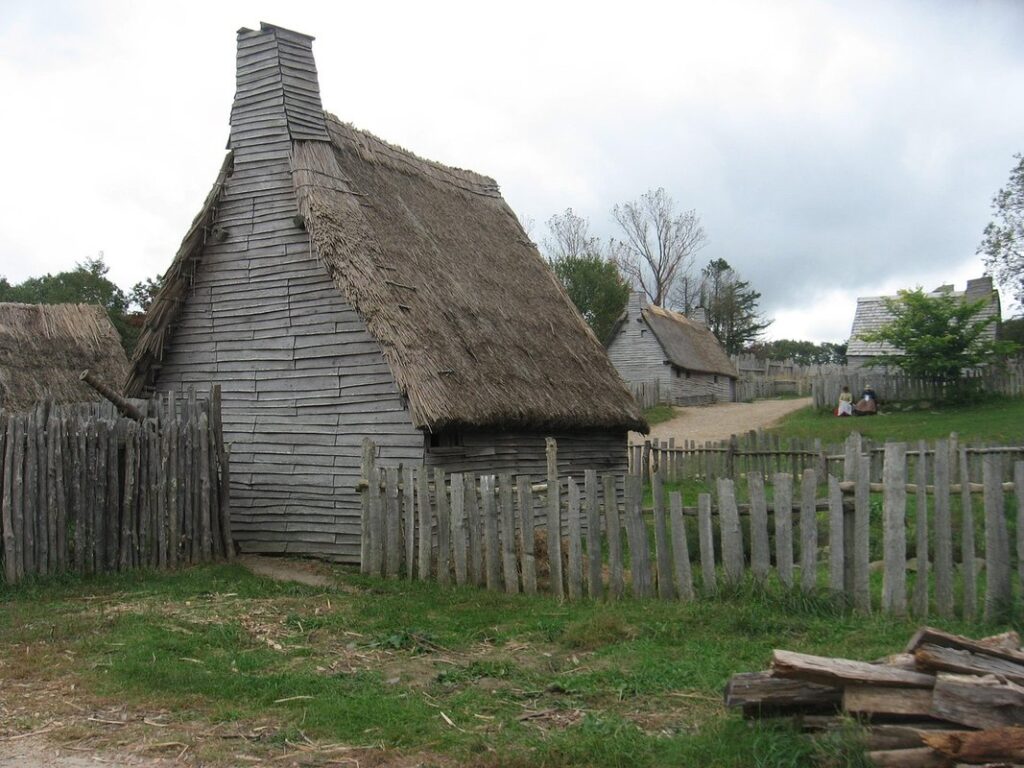
Villages have long been the backbone of rural communities, providing a sense of belonging and connection to the land. Yet, they often face unique challenges that set them apart from urban areas. For instance, villagers may rely on limited job opportunities, making economic stability a constant concern. On the other hand, village life offers many advantages, including strong community ties and a deeper understanding of traditional ways of living. As rural areas continue to evolve, initiatives are being implemented to revitalize villages and address these challenges. From improving infrastructure to promoting local businesses, these efforts aim to preserve the best aspects of village life while mitigating its drawbacks. By exploring both sides of this coin, you’ll gain a deeper understanding of what it’s like to live in a rural community and how initiatives are working to make village life more sustainable.

The History and Evolution of Villages
Villages have been a cornerstone of human civilization for centuries, evolving from small clusters of homes to thriving communities with unique cultures. Let’s take a step back in time to explore their fascinating history.
Early Settlement Patterns and Community Development
Villages originated as small settlements near natural resources such as rivers, forests, and coastlines. These early settlements often formed around a central hub, with homes, farms, and community buildings radiating outwards. As populations grew, villages began to develop distinct patterns of organization, influenced by factors like geography, climate, and available land. In many cases, villages emerged near fertile soil or abundant water sources, allowing for easy farming and irrigation.
Over time, villages developed unique cultural and social structures. For instance, in some parts of Asia, villages were organized around communal granaries and shared agricultural practices. In other regions, such as ancient Greece and Rome, villages grew into more complex urban centers with formal governance systems. The growth and development of villages often relied on the availability of nearby resources, like wood for fuel or building materials.
Villages typically developed strong social bonds through shared work, communal celebrations, and collective problem-solving. For example, villagers might come together to celebrate harvest festivals or help each other during times of drought. These patterns of community organization and cooperation helped villages adapt to environmental challenges and thrive over time.
Cultural Significance of Villages Across Different Civilizations
Villages have been a cornerstone of human civilization, serving as incubators for cultural heritage and traditional practices. In many societies, villages are where customs and ways of life are preserved and passed down through generations. For instance, the traditional Japanese village of Shirakawai is home to a thriving community that continues to practice ancient crafts like woodcarving and weaving.
In Europe, medieval villages like those found in rural Italy and France preserve the essence of agrarian lifestyles. Here, villagers tend to small plots of land, cultivating crops and raising livestock using methods that have remained largely unchanged for centuries. Similarly, in Africa, village communities like the Maasai in Tanzania and Kenya maintain a strong connection with their ancestral lands.
These cultural preserves are not limited to specific regions or continents; they can be found in various forms across the world. What’s common among them is their ability to foster a sense of belonging and continuity. By embracing their heritage, villagers contribute to the rich tapestry that defines their communities.
The Impact of Urbanization on Village Life
Urbanization has brought about significant changes to village life, affecting population dynamics, economic shifts, and cultural adaptations. As cities draw people away from rural areas, many villages experience a decline in population, leading to a shortage of skilled workers and younger generations moving away for education or employment opportunities.
Economic shifts also occur as urban centers become hubs for industry and commerce, drawing resources and investment away from rural areas. Villages often struggle to adapt to these changes, with local economies relying heavily on agriculture or small-scale industries that may not be viable in the face of global competition.
In response, villages are forced to adapt culturally, incorporating new practices and technologies to stay relevant. For instance, some villages have adopted digital tools for marketing their products or services, while others have invested in eco-tourism initiatives to attract visitors and generate revenue. These adaptations can help villages thrive in the face of urbanization, but they also require a willingness to change and innovate.
Benefits of Living in a Village
Village life offers numerous advantages, including closer relationships with neighbors and a stronger sense of community that’s hard to find elsewhere. This is especially true for those looking for a more relaxed pace of living.
Access to Fresh Produce and Local Products
Living in a village often means having access to an array of fresh produce and local products. Residents can easily visit nearby farms or gardens to pick up seasonal fruits and vegetables, ensuring they always have the freshest ingredients for their meals. This proximity to agriculture also allows villagers to purchase directly from farmers, cutting out middlemen and supporting the local economy.
Many villages also host bustling markets where artisans sell handmade crafts, such as woven baskets, pottery, and textiles. These traditional products not only make great souvenirs but also provide a unique opportunity for visitors to engage with local culture. Furthermore, buying local reduces carbon footprints associated with transportation and supports community development initiatives.
In addition to produce and crafts, villages often offer a variety of specialty foods that are difficult to find in cities. Think homemade cheeses, baked goods, or artisanal chocolates – these small-batch items add depth and variety to village cuisine. To fully experience the benefits of living in a village with access to fresh produce and local products, consider joining a community-supported agriculture (CSA) program or volunteering at a local farm. This hands-on approach not only provides a deeper understanding of food systems but also helps build connections within the community.
Stronger Community Ties and Social Bonds
Village life is often characterized by close-knit communities where neighbors become like family. This strong sense of community is fostered through regular social gatherings, shared responsibilities, and mutual support. For instance, many villages have a tradition of communal meals or potlucks during special occasions, which helps break down barriers and create lasting bonds.
In villages, residents often take on various roles to contribute to the community’s well-being. This might involve participating in local initiatives, helping neighbors with daily tasks, or joining village committees to address pressing issues. Such involvement not only strengthens social ties but also gives individuals a sense of purpose and belonging.
The pace of life in villages is generally more relaxed, allowing residents to form meaningful connections with one another. Without the distractions and anonymity often found in urban areas, villagers are more likely to engage with their neighbors, attend local events, and participate in community activities. This fosters an environment where everyone knows each other’s names, faces, and stories – a foundation for strong, long-lasting social bonds.
Regular community events, such as farmers’ markets, cultural festivals, or volunteer days, provide opportunities for residents to come together and celebrate their shared experiences. These occasions not only promote social cohesion but also help preserve local traditions and customs. By prioritizing community engagement and participation, villagers can build a more supportive and inclusive environment that benefits everyone involved.
Environmental Benefits and Sustainability Practices
Living in a village often means having a reduced carbon footprint compared to urban areas. This is due in part to the self-sufficiency and localized economies found in villages, where residents tend to produce their own food, collect rainwater, and reuse materials whenever possible. Many villagers also participate in conservation efforts such as tree planting, composting, and reducing waste.
Villages often implement sustainable practices like organic farming, agroforestry, and permaculture, which not only reduce the use of chemical pesticides but also promote biodiversity and improve soil health. These methods require less external inputs and resources, making them more environmentally friendly. Additionally, villages often rely on renewable energy sources such as solar power or biogas for cooking and lighting.
In terms of conservation efforts, villagers may work together to protect natural habitats, maintain water sources, and preserve traditional knowledge about the local ecosystem. For example, some villages have established community-managed forests where residents can harvest firewood, fruits, and other forest products while ensuring that the resources are replenished over time.
Challenges Faced by Village Residents
Living in a village comes with its own set of challenges, from limited access to amenities to difficulties in finding employment. We’ll examine some of these hurdles up close.
Limited Job Opportunities and Economic Constraints
Village residents often struggle with limited job opportunities. In many cases, the local economy is driven by a few small-scale industries such as agriculture, livestock rearing, and handicrafts. These sectors are vulnerable to fluctuations in global market prices and weather conditions, making it challenging for villagers to secure stable employment. As a result, most residents have to rely on seasonal work or migrate to cities in search of better job prospects.
Low income levels exacerbate the economic constraints faced by villagers. With limited access to education and healthcare, residents often lack the skills and resources needed to improve their socio-economic status. For instance, without proper training, young adults may find it difficult to secure jobs that pay a living wage, perpetuating a cycle of poverty.
To mitigate these challenges, some villages have initiated community-led development projects focused on skill-building and vocational training. These initiatives equip residents with the necessary skills to access better-paying jobs or start their own businesses. By investing in education and healthcare, villagers can break free from economic constraints and unlock opportunities for sustainable growth and self-improvement.
Infrastructure Deficits and Basic Services
Villages often struggle with inadequate infrastructure, which can hinder daily life and limit opportunities for growth. A major issue is the lack of roads, making it difficult to transport goods and people. This can lead to isolation, particularly for elderly residents who may rely on occasional visits from family members or healthcare professionals.
In addition to transportation challenges, villages often face shortages in basic services such as healthcare facilities. These shortages can exacerbate existing health issues, forcing villagers to travel long distances for medical attention. The absence of nearby hospitals and clinics also creates a barrier for emergency response times, which can be critical in rural areas with limited access to specialized care.
The educational system is another area where villages often fall short. Many schools lack basic amenities such as electricity, water supply, and sanitation facilities, creating an unfavorable learning environment. Furthermore, the scarcity of qualified teachers and resources can hinder students’ ability to access quality education. Addressing these infrastructure deficits requires a concerted effort from local authorities, community members, and external organizations working together to improve living conditions in villages.
Climate Change Adaptation and Vulnerability
Village residents are increasingly vulnerable to climate change impacts, which can be devastating for communities reliant on agriculture. Droughts, floods, and extreme weather events are becoming more frequent, leading to crop failures, water scarcity, and displacement of families. For instance, in many parts of the world, farmers are struggling to adapt to changing precipitation patterns, resulting in reduced yields and economic losses.
Rising temperatures also exacerbate heat stress, which can be particularly challenging for rural communities with limited access to cooling infrastructure or healthcare services. Furthermore, climate-related disasters often damage village infrastructure, including homes, schools, and community centers, leaving residents without basic amenities like electricity, sanitation, and communication networks.
To mitigate these effects, villages must prioritize adaptation measures such as implementing drought-resistant crop varieties, improving irrigation systems, and developing early warning systems for extreme weather events. Community-led initiatives can also play a crucial role in promoting climate resilience, including education programs on sustainable agriculture practices and disaster preparedness.
Revitalizing Village Life: Initiatives and Innovations
From community gardens to eco-tourism initiatives, we’ll explore the creative ways villages are revitalizing their economies and fostering a sense of belonging among residents. These innovative projects are breathing new life into rural areas.
Community-Led Development Projects
Community-led development projects have proven to be effective in revitalizing village life by addressing specific needs and priorities of the community. These initiatives often emerge from grassroots efforts, where residents come together to identify challenges and develop solutions that benefit everyone.
One notable example is the Kudumbashree program in India, which empowers rural women to manage local development projects, improve sanitation, and provide healthcare services. By giving villagers a sense of ownership and agency over their community’s future, such programs foster a culture of collaboration and collective responsibility.
In other parts of the world, community-led initiatives have focused on reviving traditional skills and industries, like craftsmanship or weaving. For instance, a village in rural Africa might establish a cooperative to promote fair trade practices and provide economic opportunities for local artisans. By supporting these types of projects, outsiders can help villages build resilience and create more sustainable livelihoods.
Innovative Agriculture Practices and Sustainable Livelihoods
Villages are adopting innovative agriculture practices to boost economic growth while minimizing environmental degradation. One notable example is permaculture, which involves designing sustainable ecosystems that work with nature rather than against it. By implementing permaculture principles, villagers can increase crop yields and reduce water usage.
Agricultural cooperatives are also on the rise in villages. These cooperatives enable farmers to share resources, knowledge, and costs, making farming more efficient and profitable. In some cases, these cooperatives have even led to the creation of value-added products such as jams, honey, and handicrafts that can be sold directly to consumers.
To reduce waste and promote sustainable livelihoods, villages are implementing composting programs and organic waste management systems. For instance, a village in India has set up a community-based composting program where residents collect food waste and convert it into nutrient-rich fertilizer for local farmers.
When adopting innovative agriculture practices, villagers should consider the following key steps:
Digital Inclusion and Access to Technology
Bridging the digital divide in villages is crucial to fostering inclusive growth and improving the quality of life for residents. Many rural areas lack access to basic technologies such as computers, smartphones, and internet connectivity, which hinders their ability to participate in the digital economy. To address this issue, several initiatives have been implemented.
Some notable examples include the rollout of public Wi-Fi hotspots and community centers equipped with computer stations and internet facilities. These hubs serve as spaces for villagers to access online resources, receive digital skills training, and connect with government services. Additionally, many organizations are working to provide low-cost or free internet plans specifically designed for rural areas.
Digital literacy programs are also being implemented in villages, offering training on basic computing skills, online safety, and job search platforms. These initiatives not only enhance the villagers’ ability to access information but also equip them with the necessary skills to participate in the digital economy, promoting economic growth and social mobility.
Frequently Asked Questions
Can I start a new village from scratch?
Yes, but it’s crucial to assess the feasibility of establishing a new village in terms of land availability, access to basic services, and potential environmental impact. You’ll need to engage with local authorities and residents to ensure that your initiative aligns with existing community needs and development plans.
How do I get involved in revitalizing an existing village?
You can start by researching community-led development projects in the region and reaching out to organizations or initiatives already working on revitalization efforts. Volunteering, donating resources, or participating in local governance can also be effective ways to contribute to a village’s growth.
What if my own village doesn’t have access to reliable internet connectivity?
In such cases, consider advocating for digital inclusion initiatives with your local government or community leaders. You might also explore alternatives like mobile hotspots or partnering with organizations offering digital literacy programs and training in rural areas.
Are there any universal best practices for sustainable agriculture in villages?
While specific practices may vary depending on climate and soil conditions, some universally beneficial approaches include crop rotation, composting, and integrating permaculture principles into farming practices. These methods can enhance soil fertility, reduce waste, and promote biodiversity within village ecosystems.
How do I address the challenge of limited job opportunities for young villagers?
Encouraging vocational training or entrepreneurship programs that cater to local needs can be a valuable step. Additionally, promoting tourism in villages by highlighting their unique cultural heritage, natural beauty, and community spirit can also create new economic opportunities for residents.