
In many Asian cultures, the simple act of extending one hand with fingers together is a powerful symbol of respect and hospitality. The wai gesture, also known as the namaste in Thailand or the sa-bai-fra in Cambodia, has been a cornerstone of traditional etiquette for centuries, conveying gratitude, friendship, and even mourning. However, as cultural exchange and globalization increase, this ancient custom is evolving to incorporate modern nuances and interpretations. As you travel through Asia or interact with people from these cultures, understanding the meaning behind the wai gesture can make all the difference in building meaningful relationships and showing respect for local customs. This article will explore the rich cultural significance of the wai gesture, its evolution over time, and provide practical tips on how to master this meaningful form of greeting.
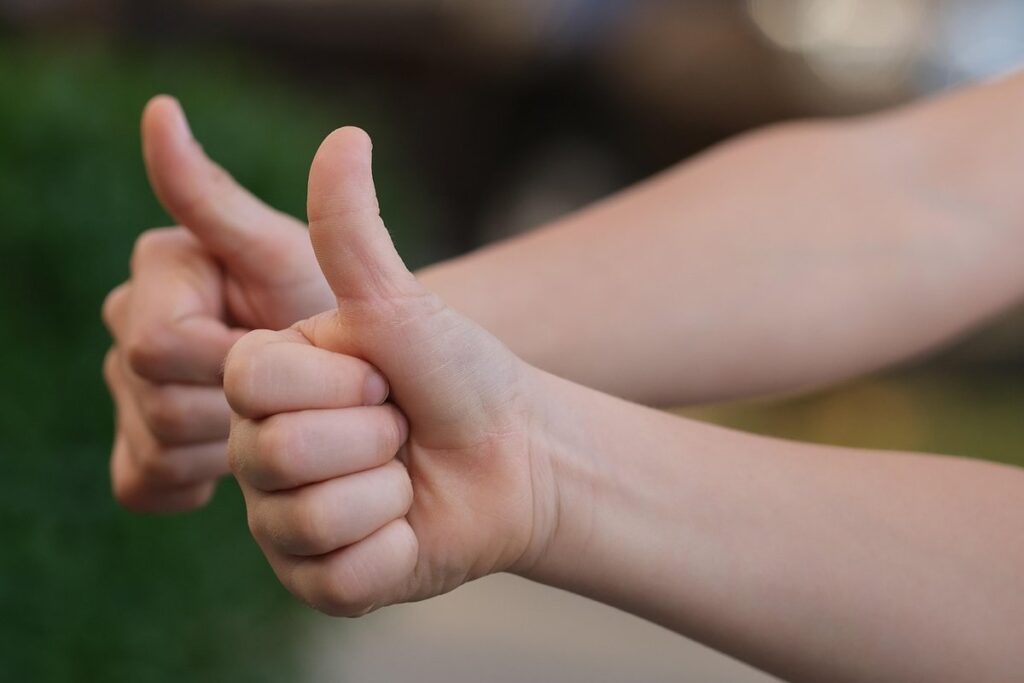
What is Wai Gesture?
The wai gesture, a traditional greeting in some cultures, involves a specific hand position and movement to show respect and kindness. This unique greeting is steeped in history and cultural significance in various parts of Asia.
Definition and Origins
Wai gesture is a deeply ingrained tradition in many Asian cultures, with roots dating back centuries. The term “wai” itself refers to the act of folding one’s arms across the chest or placing them at the sides as a sign of respect. This physical gesture serves as a vital component of communication, conveying respect, humility, and deference towards others.
In China, wai gesture has its origins in Confucianism, where it was considered essential to show respect to elders, authority figures, and those of higher social standing. The tradition has since evolved and spread throughout East Asia, with each culture adapting the wai gesture to suit their unique customs and etiquette. For instance, in Japan, the bow is a more pronounced aspect of wai gesture, often accompanied by a slight incline of the head.
Understanding the origins and evolution of wai gesture provides valuable insight into its significance across cultures. It highlights the importance of considering context and cultural nuances when interacting with others who may be unfamiliar with one’s own customs. By recognizing the historical roots of this tradition, individuals can better appreciate the complexities of cross-cultural communication and adapt their behavior accordingly.
Importance of Wai Gesture in Chinese Culture
In Chinese culture, wai gesture plays a crucial role in traditional etiquette and social hierarchy. It is a visible manifestation of respect, politeness, and humility. When interacting with someone of higher status or age, it is essential to use the right type of wai gesture to show deference. For instance, when meeting an older person for the first time, a slight bow with hands clasped together is considered respectful.
The type of wai gesture used also indicates one’s social standing and relationship with the other person. In general, the more senior or important the individual, the deeper and more prolonged the bow should be. Conversely, when interacting with someone of equal or lower status, a lighter touch or a handshake may be suitable. In Chinese culture, the wai gesture is not just about showing respect but also about building relationships and fostering harmony.
Understanding the nuances of wai gesture in Chinese culture can help individuals navigate social situations more effectively. By mastering the basics of wai gesture etiquette, one can establish trust, credibility, and goodwill with others.
Types of Wai Gestures
Wai gestures come in various forms, each conveying a unique expression of respect and gratitude. We’ll explore some of the most common types, highlighting their cultural significance and nuances.
Bowing Styles
In various Asian cultures, bowing styles play a significant role in conveying respect and politeness. In Japan, for instance, the “Soto-gaeshi” is a common bow used to acknowledge someone’s presence or to express gratitude. This bow involves bending at the waist with the hands together in a prayer-like position. In contrast, the Korean “Seje” is a more formal bow that involves placing one’s hands behind their back and bowing slightly.
In Chinese culture, the “Jiangnan” bow is often used as a greeting or to show respect to elders. This bow involves a slight inclination of the head with the hands clasped together in front. In general, Asian cultures place great emphasis on the depth and duration of a bow, with deeper bows conveying greater respect.
When engaging with people from these cultures, it’s essential to be mindful of the specific bowing style being used. For example, in Japan, it’s customary to wait for the other person to initiate the bow before responding. Similarly, in China, it’s considered polite to return a bow of equal or greater depth. By being aware of these nuances, you can show respect and build stronger relationships with people from Asian cultures.
Handshake Variations
In business settings, wai gesture has been adapted into various handshake forms, often blurring cultural boundaries. The two-handed “wai” style is commonly seen in China and Japan, while a modified version of the traditional handshake, with a slight bow, is used in some Asian cultures. In contrast, Western-style handshakes are more common in international business settings. However, this can lead to misunderstandings about cultural norms.
In East Asia, for instance, it’s customary to use both hands when shaking hands as a sign of respect and friendship. When interacting with someone from this culture, it’s essential to be aware of these variations and adjust your handshake accordingly. A simple gesture like using two hands instead of one can convey appreciation and understanding.
Understanding these handshake variations is crucial for effective cross-cultural communication in business settings. It shows that you value the other person’s cultural background and are willing to adapt to their norms. This can help build trust, foster stronger relationships, and ultimately lead to successful collaborations.
Cultural Significance of Wai Gesture
The wai gesture is deeply ingrained in Thai culture, conveying respect and gratitude through a simple yet powerful hand movement. Understanding its cultural significance helps appreciate this nuanced expression of politeness.
Respect and Hierarchy
In Asian cultures, wai gesture is a powerful reflection of social hierarchy and respect for elders or authority figures. The depth of the bow, the speed at which it’s performed, and the duration of the gesture all convey the level of deference being shown. In general, the more senior the person, the deeper and longer the bow should be. This is particularly evident in traditional Chinese culture, where the elderly are highly revered for their life experience and wisdom.
To maintain harmony and avoid conflict, it’s essential to pay attention to these social cues. If you’re unsure about how to respond, follow the lead of the most senior person present. For instance, if you’re meeting a high-ranking official, they may initiate the wai gesture by bowing slightly; in response, you should match their level of deference.
In some Asian cultures, it’s also customary for children or subordinates to use honorific language when addressing seniors or authority figures. This linguistic respect is often accompanied by the wai gesture, creating a powerful display of submission and obedience. By mastering these nonverbal cues, you can demonstrate your respect and avoid unintentionally causing offense.
Emotional Expression
When performing wai gesture, you convey emotions through subtle variations in posture and hand movement. A slight bow of the head can express gratitude, while a deeper bow conveys respect for an elder or authority figure. Apologies are often conveyed with a lowered head and hands clasped together. The wai gesture is not only a physical act but also a mental state – it’s essential to approach the gesture with sincerity.
In building relationships, the wai gesture plays a crucial role in establishing trust and rapport. When greeted with a warm wai, you’re more likely to reciprocate with kindness and generosity. For instance, during Chinese tea ceremonies, hosts use the wai gesture to acknowledge guests’ presence and create a sense of belonging.
To effectively convey emotions through wai, consider the following: maintain eye contact while performing the gesture; adjust your posture according to the situation (e.g., straighten up for respect, lean forward for interest); and be mindful of hand placement – palms facing upwards or downwards can change the tone of the gesture. By mastering these nuances, you’ll become more adept at using wai to express emotions and build stronger connections with others.
Wai Gesture in Modern Times
The wai gesture has evolved significantly over time, and its modern interpretation is often a blend of traditional customs and contemporary nuances that require sensitivity to navigate. We’ll explore how this change affects the way we understand and practice the wai gesture today.
Adaptation to Western Culture
Incorporating wai gesture into Western culture has been a gradual process, with varying degrees of success. In the business world, some companies have adopted wai as a way to show respect and build relationships with Asian clients. For instance, a study by a leading business school found that companies who used wai in their interactions with Chinese partners saw a significant increase in trust and cooperation. However, this approach can be challenging due to cultural differences in communication styles.
In educational settings, wai has been incorporated into some language programs as a way to teach students about Asian cultures. For example, at a university in the United States, students are taught how to perform different types of wai gestures as part of their Chinese language course. This approach aims to promote cross-cultural understanding and respect.
Tourism is another area where wai has become more prevalent. Many travel companies now offer cultural workshops that teach tourists how to perform wai correctly. This helps bridge the cultural divide between visitors and locals, promoting a sense of mutual respect and appreciation.
Digital Age and Virtual Wai
In the digital age, traditional wai gesture practices have undergone a significant transformation. With the rise of virtual communication tools and social media platforms, people are increasingly using digital greetings to connect with others across geographical distances. Virtual wai gestures, such as video conferencing bows or emoticon-based greetings, have become an essential part of modern communication.
While these digital adaptations aim to preserve the essence of traditional wai gesture etiquette, they also introduce new challenges and nuances. For instance, the lack of nonverbal cues in virtual interactions can lead to misunderstandings about intent and tone. As a result, it’s crucial for individuals to be mindful of their digital body language and adapt their virtual wai gestures accordingly.
When engaging in video calls or online meetings, consider using a slight bow or a gentle wave to acknowledge the other person’s presence. You can also use emojis to convey respect and friendliness. For example, 🙏 or 👋 can be used as a digital equivalent of a traditional bow. By being intentional about our virtual wai gestures, we can maintain the cultural significance and meaning of this traditional practice while navigating the complexities of modern communication.
Etiquette Guidelines for Mastering Wai Gesture
Understanding the nuances of wai gesture etiquette can be intimidating, but don’t worry, we’ve got you covered with some essential guidelines to master this cultural sign of respect.
Basic Principles
Mastering wai gesture requires attention to basic principles that respect cultural differences. When it comes to body language, maintain a relaxed yet upright posture. Avoid crossing your arms or legs, as this can be perceived as closed-off or defensive. Instead, keep your weight evenly distributed on both feet, with a slight emphasis on the back foot.
Pay close attention to hand positioning. In traditional Chinese culture, the right hand is considered more respectful when receiving or giving something. When using two hands together, place your left hand under your right, with your right palm facing upwards. This is particularly important during formal interactions, such as business meetings or ceremonial events.
Posture and hand positioning also extend to bowing styles. A slight incline of the head and torso conveys respect without being overly dramatic. Avoid deep bows, which can be seen as excessive or even insincere in certain contexts. Practice different types of wai gestures with a mirror or by observing others in cultural settings to develop your skills and avoid unintentionally offending others.
Common Mistakes to Avoid
When practicing wai gesture, it’s easy to misinterpret signals or unintentionally offend others. A slight variation in bowing depth or hand placement can significantly alter its meaning. For instance, a shallow bow may indicate respect but also hesitation, while a deep bow can signify deference but also subservience. Without proper understanding of the context and cultural nuances, these subtle differences can lead to misunderstandings.
In Chinese culture, it’s essential to be aware that wai gesture is not just about physical movement; it’s also about intent and emotional expression. A forced or insincere bow can be perceived as mocking or disrespectful. Conversely, a genuine but awkward attempt at wai gesture may still be appreciated for its effort rather than perfection.
Some common mistakes to avoid include:
- Insisting on using the same style of wai gesture in every situation
- Failing to adapt to local customs and norms when traveling abroad
- Assuming that wai gesture is universal or interchangeable with other forms of greeting
- Ignoring nonverbal cues, such as body language and facial expressions
Conclusion
As we come to the end of our exploration into the wai gesture, let’s summarize the key takeaways from the different cultures we’ve examined. We’ll recap how the significance and meaning of this greeting varies across traditions.
Recap of Key Points
Wai gesture is a complex and multifaceted aspect of various cultures, with its significance varying across different societies. In Chinese culture, for instance, wai is deeply rooted in Confucian teachings, emphasizing respect, hierarchy, and social harmony. The nuances of wai are reflected in the distinct bowing styles, such as the traditional “three-part” bow or the more modern “two-part” bow.
In other cultures, like Japan and Korea, similar gestures have evolved with unique characteristics, often reflecting their own cultural values. For example, the Japanese “bowing” style is often accompanied by a slight inclination of the head, signifying respect and deference. Meanwhile, in some South Asian cultures, handshakes are used as a greeting, albeit with varying firmness and duration.
The significance of wai extends beyond its cultural context, influencing social relationships and power dynamics within communities. Mastering wai requires an understanding of these nuances, as improper execution can lead to unintended offense or misunderstandings. It is essential for individuals to approach wai with sensitivity and awareness of the local customs, rather than imposing their own expectations.
The evolution of wai in modern times reflects changing social norms and technological advancements. As globalization and digital communication continue to bridge cultural divides, new forms of wai have emerged, such as virtual wai and digital etiquette guidelines. By embracing these adaptations, individuals can foster greater cross-cultural understanding and respect, ultimately enriching their personal and professional relationships.
In mastering the complexities of wai, it is crucial to recognize its adaptability across cultures while respecting local traditions. By doing so, we can navigate diverse social contexts with increased empathy and appreciation for the significance of this intricate gesture.
Frequently Asked Questions
What If I’m Not Sure Which Type of Bow to Use in a Specific Situation?
When interacting with people from different cultures, it’s common to feel uncertain about which type of bow is appropriate. Start by observing the other person and their surroundings. In general, a slight bow (about 10-15 degrees) is suitable for most social interactions, while deeper bows are reserved for more formal or traditional settings.
Can I Use Wai Gesture as a Substitute for Western Greetings in Business Settings?
While wai gesture can be adapted into modern business settings, it’s essential to be mindful of cultural differences. In some Asian cultures, direct eye contact and firm handshakes are also valued, so don’t assume that wai gesture is the only acceptable greeting. Be prepared to adapt your approach based on the specific culture and context.
How Can I Teach Wai Gesture to My Children or Students?
Introducing wai gesture as a cultural exchange can be a valuable learning experience for children and students. Start by explaining its significance in Asian cultures, then practice basic bowing styles together. Encourage them to ask questions and explore the nuances of different types of wai gestures.
Is It Possible to Use Wai Gesture in Virtual Communication?
While traditional wai gesture is often associated with face-to-face interactions, digital tools have made it possible to incorporate virtual greetings into online meetings and video calls. Consider using emojis or animated GIFs to convey respect and appreciation, although be aware that some cultures may view these as less sincere than physical gestures.
Can I Use Wai Gesture If I’m Not Asian or Familiar with the Culture?
While wai gesture is rooted in Asian culture, its value lies in promoting cross-cultural understanding and respect. By learning and practicing wai gesture, you can demonstrate your appreciation for other cultures and foster more harmonious relationships. Be open to feedback and willing to adapt to local customs.

