
Hebrew has been at the forefront of Israel’s identity and culture since its establishment as an independent nation in 1948. The question, however, remains: is Hebrew truly the only official language of Israel? In reality, Arabic is also recognized by law as an official language alongside Hebrew, and there are ongoing debates about promoting linguistic diversity while preserving the dominant position of Hebrew. You may be surprised to learn that Hebrew’s status as Israel’s primary language was not always a given. In fact, the country’s founders were initially divided on which language should serve as its official tongue, with some advocating for the revival of Hebrew after centuries of dormancy and others pushing for Arabic. This article will explore how Hebrew became the default choice and what challenges this has created in terms of promoting unity while preserving minority languages like Arabic. By the end of this article, you’ll have a better understanding of the complex role Hebrew plays in Israeli society and culture.
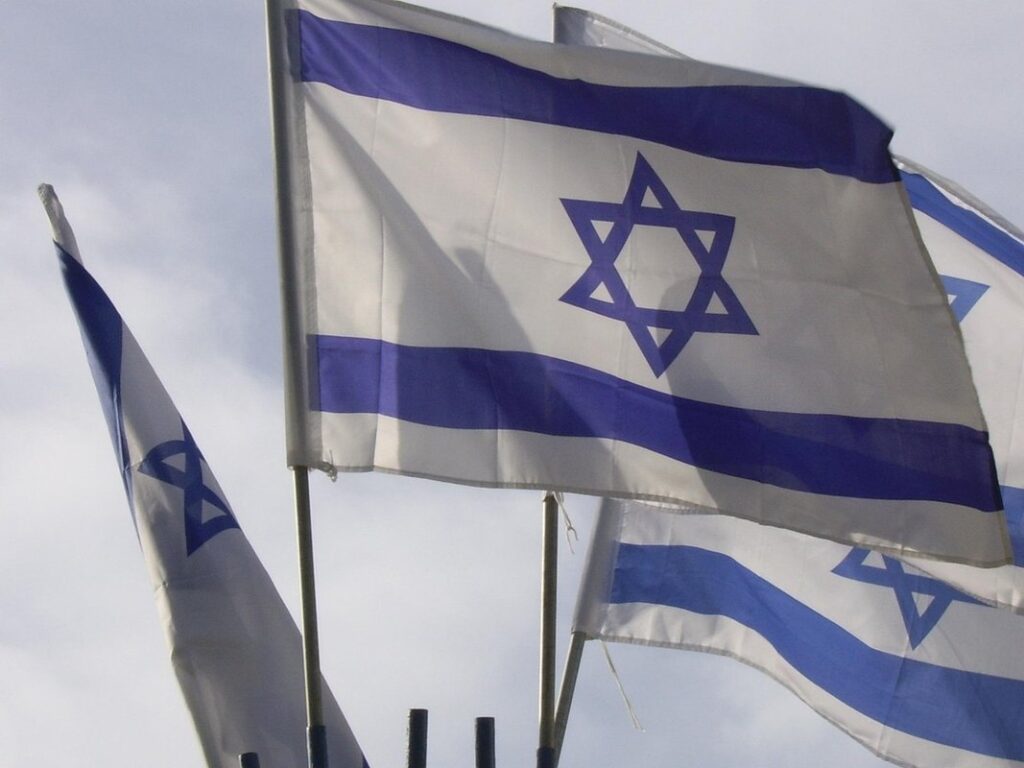
The Significance of an Official Language in Israel
As we explore what makes Hebrew a vital part of Israeli culture, let’s examine why having an official language is crucial for a nation’s identity and unity.
History and Development of Hebrew as a National Language
Hebrew was all but extinct as a spoken language by the early 20th century, relegated to liturgical use only. However, with the revival of Zionism and the push for Jewish self-governance, Hebrew began to be revitalized as a national language. In the late 19th century, Eliezer Ben-Yehuda founded the Society for the Preservation and Development of the Hebrew Language, which worked tirelessly to promote Hebrew’s use in everyday life.
One key milestone was the establishment of the first Hebrew-language newspaper, HaHavatzelet, in 1863. This marked a significant shift from Hebrew’s exclusive use as a liturgical language. As more people began using Hebrew in their daily lives, it started to take on a new role: that of a spoken language for everyday conversation.
By the early 20th century, Hebrew had gained sufficient momentum to be adopted as one of Israel’s official languages upon the country’s establishment in 1948. Today, Hebrew is widely used and accepted throughout Israeli society, from government institutions to education and media outlets. Its transformation from a liturgical language to a spoken national language has been nothing short of remarkable.
The Role of Hebrew in Israeli Identity and Culture
Hebrew plays a central role in Israeli identity and culture. It’s not just a language, but an integral part of daily life. In schools, Hebrew is the primary language of instruction, ensuring that children develop strong literacy skills from an early age. This lays the foundation for future proficiency and fluency.
In media, Hebrew dominates newspapers, TV shows, and films. Most Israeli movies are subtitled in English, making it easier for non-speakers to follow along. Hebrew-language publications also provide in-depth coverage of domestic politics, international news, and cultural events.
Politics is another area where Hebrew holds significant sway. Official government documents, speeches, and announcements are all conducted in Hebrew. Even the Knesset’s debates and discussions take place primarily in this language. As a result, those who can’t speak or read Hebrew may feel excluded from participating in civic life.
As the primary means of communication for the majority of Israelis, Hebrew has become an essential tool for social mobility and access to education, employment, and services.
The Legal Status of Hebrew as Israel’s Official Language
Hebrew is not only the most widely spoken language in Israel, but it has also been officially recognized and protected by law. Let’s take a closer look at what this means for its official status.
Legislative Framework Establishing Hebrew as Official
Hebrew was established as Israel’s official language through a series of key legislative acts. The 1948 Law of Hebrew Language in State Offices mandated the use of Hebrew as the primary language for government services, documentation, and communication. This legislation marked a significant turning point in the transition from Yiddish to Hebrew as the dominant national language.
The 2011 Public Service Regulations (Official Language) further solidified Hebrew’s status by stipulating its usage in all official capacities. The regulations outlined specific guidelines for language use in government offices, including the requirement that all public services be provided in Hebrew.
These legislative measures have been instrumental in promoting Hebrew as a unifying force within Israeli society. By establishing clear language standards, they have enabled citizens to interact with their government and access essential services in their native language. The impact of these laws extends beyond official channels, influencing everyday life through the widespread use of Hebrew in education, media, and social interactions. As a result, Hebrew has become an integral part of Israeli identity and culture.
Impact of Israeli Laws on Language Use in Government and Society
The implementation of Israeli laws establishing Hebrew as the official language has had a significant impact on language use in government offices and public services. One notable example is the 2011 law requiring all government ministries to provide at least 75% of their services in Hebrew, with Arabic also offered as an option. This shift has led to increased proficiency among government employees, particularly in the younger generation.
However, challenges remain in translating official documents, signage, and public announcements into both languages. In some cases, this has resulted in delayed or incomplete translations, affecting service delivery and communication with citizens who speak minority languages.
A 2019 survey found that while most public services now offer Hebrew as their primary language, a significant proportion of Arabic speakers still experience difficulties accessing government services due to language barriers. To address these challenges, the Israeli government has introduced initiatives such as language training programs for employees and increased funding for translation services.
Hebrew’s Position Among Other Languages in Israel
Hebrew is one of two official languages in Israel, and its status among other languages spoken in the country is a key aspect to understanding its significance. Let’s take a closer look at Hebrew’s position alongside other languages.
Coexistence with Arabic as a Recognized Language
In Israel, Arabic enjoys a unique status as an official language, recognized for the country’s Arab minority. This designation is rooted in the 1948 Israeli Declaration of Independence, which acknowledged the right of the Arab population to maintain their cultural and linguistic identity. As a result, Arabic is used in various aspects of public life.
In education, Arabic is taught alongside Hebrew as an official language in schools catering to Arab students. This bilingual approach aims to preserve the Arabic language and promote mutual understanding between Israel’s Jewish and Arab populations. Government services also offer Arabic-language support, enabling citizens to communicate with authorities in their native tongue.
The recognition of Arabic as an official language is not only a nod to Israel’s diverse cultural heritage but also a pragmatic measure to address the needs of its Arab minority. By acknowledging Arabic as a legitimate national language, the Israeli government can better serve its Arab population and foster greater social cohesion. This coexistence between Hebrew and Arabic reflects the country’s efforts to balance linguistic diversity with national unity.
Hebrew’s Relationship with English and Other Foreign Languages
Hebrew coexists with several foreign languages in Israel, including English. English plays a significant role in international relations and business, particularly in high-tech industries like software development and cybersecurity. Many Israeli companies operate in both Hebrew and English to facilitate communication with global partners.
Tourism also relies heavily on English, as most tourists visiting Israel are from English-speaking countries. As a result, many Israelis speak some level of English, especially those in the service industry, such as hotel staff, tour guides, and restaurant workers.
In education, English is widely taught alongside Hebrew, starting from elementary school. This is because proficiency in English is seen as essential for higher education and future career opportunities. Some Israeli universities even offer programs entirely in English, catering to international students.
Despite the prominence of English and other foreign languages, Hebrew remains the primary language used in government, media, and everyday life. Tensions arise when trying to balance the promotion of Hebrew with the increasing use of foreign languages, particularly in areas like education and business.
Challenges Faced by Israel’s Official Language Policy
Israel’s official language policy has faced significant challenges, particularly when it comes to balancing Hebrew’s status as a national language with the growing number of Arabic speakers. This section examines some of these complexities.
Language Barriers for Immigrants and Minority Groups
Many immigrants and minority groups face significant language barriers when attempting to learn Hebrew. For new arrivals, navigating everyday situations such as grocery shopping, accessing healthcare, and communicating with officials can be particularly challenging due to limited proficiency in the official language. To address this issue, various initiatives have been implemented to provide language support services within these communities.
Language classes specifically designed for immigrant populations are a crucial component of Israel’s efforts to promote Hebrew education. These classes often cater to diverse age groups and skill levels, with some programs even offering flexible scheduling to accommodate working adults or individuals with caregiving responsibilities. Furthermore, the Israeli government has established a range of resources, including language learning apps, online courses, and community centers, to facilitate access to language instruction.
Some notable examples include the Ulpan Etzion program, which offers intensive Hebrew courses for new immigrants, and the Ministry of Education’s initiative to provide language support in schools. These efforts aim to bridge the language gap and enable greater integration into Israeli society.
Balancing Preservation of Minority Languages with Promotion of Hebrew
Israel’s official language policy faces a delicate balance between preserving minority languages and promoting Hebrew as the national tongue. For instance, Arabic is an officially recognized language, with many public services and educational institutions offering it as a medium of instruction. However, this recognition doesn’t necessarily translate to equal use in everyday life.
In practice, this means that while schools may offer Arabic-language classes, most official business and government interactions still take place in Hebrew. To address the preservation of minority languages, some policies focus on language documentation and cultural revitalization efforts. For example, the Israeli Ministry of Education supports language projects aimed at preserving the endangered language of Judeo-Arabic.
In terms of promoting national unity through a common tongue, Israel’s education system plays a crucial role. Hebrew is the primary language of instruction in most schools, although some institutions offer bilingual or trilingual programs that incorporate Arabic and other languages. This approach aims to foster linguistic diversity while still promoting Hebrew as a unifying force within Israeli society.
The Future of Hebrew and Israel’s Language Policy
Hebrew is the official language of Israel, but the country’s language policy is constantly evolving, shaping the future of its linguistic identity. We’ll examine how this shift may impact the nation’s cultural fabric and education system.
Emerging Trends in Language Use and Education
In recent years, there has been a notable shift towards digital literacy and language education in Israel. Online platforms and language learning apps have become increasingly popular among Hebrew speakers, allowing for more flexible and accessible language training. This trend is also reflected in the growing number of English-language schools and programs, which cater to students seeking to improve their proficiency in this global language.
Moreover, the Israeli Ministry of Education has introduced initiatives aimed at promoting linguistic diversity and cultural exchange within the country’s school system. For instance, some schools now offer Arabic-language courses as part of their curriculum, while others partner with foreign universities to provide students with opportunities for international collaboration and language immersion.
As a result, Hebrew speakers are increasingly exposed to diverse linguistic influences, from English loanwords to Arabic vocabulary and phrases. This exposure is not only enriching the Israeli language landscape but also contributing to a more inclusive and cosmopolitan cultural identity.
Potential Implications for Israeli Society and Culture
As Hebrew continues to evolve and adapt to changing language policies, its impact on Israeli society and culture will likely be multifaceted. One potential implication is a shift in social cohesion, as Hebrew’s dominant status may lead to increased linguistic homogenization. This could result in a loss of cultural diversity, particularly among minority groups who may feel pressured to assimilate into the dominant language.
On the other hand, a more inclusive language policy that recognizes and promotes Arabic alongside Hebrew could foster greater social cohesion and mutual understanding between different communities. For instance, bilingual education programs or government services offered in multiple languages could help bridge the linguistic divide.
Moreover, changes in language policies may also influence how Israelis express their cultural identity. As Hebrew becomes increasingly prominent, there may be a renewed focus on preserving traditional Jewish texts and customs through the revitalization of Hebrew. Alternatively, a more pluralistic approach to language policy could lead to greater recognition and celebration of diverse cultural practices and traditions.
Conclusion
Now that we’ve explored Hebrew’s status as Israel’s de facto language, let’s summarize the key takeaways and wrap up our journey. In conclusion, here are the essential points to remember about Israel’s official language.
Recap of Key Points Regarding Israel’s Official Language
Hebrew has been formally recognized as Israel’s official language since its establishment in 1948. This status is reaffirmed by the country’s Basic Law on the Language of the State, which states that Hebrew is the sole official language. Additionally, the Israeli government has implemented various laws to promote the use and preservation of Hebrew in government services, education, and public life. Arabic also holds a special status as an officially recognized language in Israel, but its usage is limited compared to Hebrew.
In practice, this means that most government documents, street signs, and official communications are written exclusively in Hebrew. However, English is widely used in tourism, business, and international communication. To navigate everyday life in Israel, it’s essential for visitors and residents alike to have a basic understanding of Hebrew.
Some key takeaways from this article include: Hebrew has been the sole official language since 1948; Arabic is officially recognized but not as widely used; English is prevalent in tourism and business; and having some knowledge of Hebrew can greatly facilitate daily interactions.
Implications for Understanding Israeli Culture and Identity
Understanding Hebrew as Israel’s official language can significantly enrich one’s comprehension of Israeli culture and identity. This is because Hebrew is deeply intertwined with the country’s history, values, and traditions. For instance, the revival of Hebrew as a spoken language in the early 20th century was a pivotal moment in the Zionist movement, symbolizing the creation of a modern Jewish state.
By grasping the significance of Hebrew, you can better appreciate the nuances of Israeli identity and culture. You’ll notice how Hebrew is not just a language but also an integral part of Israel’s national narrative, influencing everything from politics to literature. For example, many Israeli authors write in Hebrew, exploring themes that are unique to the country’s experience.
As you delve into Israeli culture, consider engaging with native speakers, reading Hebrew-language texts, or attending cultural events. These experiences will allow you to tap into the language and its emotional resonance, broadening your understanding of Israel’s complex identity. By embracing this connection, you’ll develop a more profound appreciation for the country’s rich heritage and ongoing evolution.
Frequently Asked Questions
What If I Want to Learn Hebrew as a Foreign Language?
If you’re interested in learning Hebrew as a foreign language, there are several resources available. You can start by taking online courses or attending language classes at local institutions. Additionally, many government and private organizations offer language support services for immigrants and minority groups.
How Can I Use Hebrew in My Daily Life if I’m Not an Israeli Citizen?
While Hebrew is the official language of Israel, it’s not uncommon for non-citizens to learn and use Hebrew in their daily lives. You can start by learning basic phrases and vocabulary, which can be useful when traveling or interacting with Israelis. You can also explore online resources and language exchange programs to practice your skills.
Can I Use English in Official Government Services in Israel?
While Hebrew is the official language of Israel, Arabic is also recognized as an official language for the country’s Arab minority. However, English is widely spoken and used in many government services, particularly in areas related to tourism and international relations. You can use English in most official government services, but it’s still a good idea to learn some basic Hebrew phrases.
How Do I Balance Learning Hebrew with Preserving My Native Language?
Balancing language learning with preserving your native language can be challenging, especially for minority groups. It’s essential to prioritize your native language and cultural heritage while also making an effort to learn Hebrew. You can explore language support services that cater to immigrant and minority communities, which may offer guidance on balancing language preservation with language acquisition.
Is it Difficult for Immigrants to Learn Hebrew as a Second Language?
Yes, learning Hebrew as a second language can be challenging due to its complex grammar and writing system. However, many immigrants have successfully learned Hebrew through language classes, practice, and immersion in Israeli culture. You can also explore online resources and language exchange programs to help you overcome the challenges of learning Hebrew.

