
Switzerland is a country known for its linguistic diversity, with four official languages: German, French, Italian, and Romansh. You might be wondering which language is spoken by the majority of Swiss people, or how the country manages to maintain four official languages. The answer lies in the country’s unique history and cultural identity. For centuries, Switzerland has been a melting pot of languages and cultures, with German-speaking regions in the north, French-speaking regions in the west, Italian-speaking regions in the south, and Romansh-speaking regions in the southeastern canton of Grisons. Understanding the language landscape of Switzerland is essential to appreciating its rich cultural heritage and the policies that shape language education in the country. In this article, you’ll learn about the four official languages of Switzerland, regional dialects, and the impact of language on Swiss culture and identity.
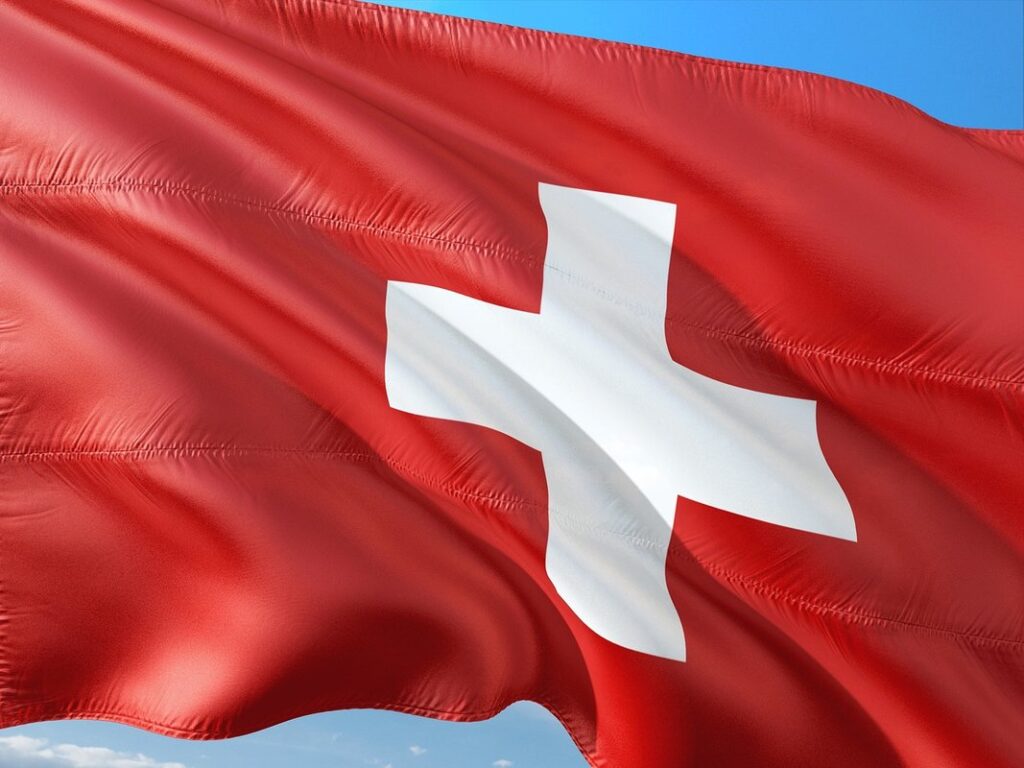
Official Languages of Switzerland
Switzerland has four official languages, a unique aspect of the country’s cultural identity and a key factor in its linguistic diversity. Let’s take a closer look at each of these languages.
Overview of the Four Official Languages
Switzerland has four official languages: German, French, Italian, and Romansh. This linguistic diversity is a direct result of the country’s history and geography. German is spoken by approximately 62% of the population, making it the most widely spoken language. French is spoken by about 23% of the population, primarily in the western part of the country. Italian is spoken by around 8% of the population, mainly in the southern canton of Ticino. Romansh, on the other hand, is spoken by less than 1% of the population, primarily in the southeastern canton of Grisons.
These languages have been recognized as official due to the country’s federal structure and the principle of cantonal autonomy. Each canton has the power to decide which language to use as the official language. This diversity has contributed to the country’s rich cultural heritage. For example, the Swiss Confederation has three official language regions: German-speaking, French-speaking, and Italian-speaking. This linguistic diversity also has practical implications, such as the use of multiple languages on official documents and in government institutions.
German in Switzerland
In Switzerland, German is one of the four official languages, spoken by approximately 63% of the population. However, Swiss German is distinct from the German spoken in Germany, with its own unique dialects and regional variations. The Swiss German dialect is not mutually intelligible with standard German, meaning that speakers of standard German may struggle to understand it. This is due to the many regional dialects and variations, such as Bernese German, Zurich German, and Basel German, each with their own distinct pronunciation, vocabulary, and grammar.
In the German-speaking regions of Switzerland, German is the primary language used in government, education, and daily life. However, the Swiss government has implemented policies to promote the use of standard German, particularly in official contexts, to facilitate communication and understanding among the different language groups. For example, many government documents and official websites are available in standard German, and some schools offer classes in standard German as a foreign language. This helps to promote linguistic diversity and facilitates communication among the different language groups in Switzerland.
French in Switzerland
In Switzerland, French is an official language spoken in the western region, particularly in the cantons of Geneva, Vaud, and Neuchâtel. This French-speaking region is the largest of the four official language areas, with approximately 23% of the population speaking French as their primary language. Swiss French, also known as Francoprovençal, has distinct differences from Standard French, with a unique accent, vocabulary, and grammar.
One notable characteristic of Swiss French is its pronunciation, which is often described as softer and more relaxed compared to Standard French. For instance, the French “r” is often pronounced as a gentle “l” or a guttural sound, which can be challenging for non-native speakers to master. Additionally, Swiss French has adopted some German loanwords, especially in the fields of technology and finance.
Understanding the nuances of Swiss French can be particularly useful for tourists and business travelers. For example, using local expressions and idioms can make a significant difference in communication and help build rapport with the locals. Visitors can also take advantage of the many French-language resources available, such as public transportation signs, menus, and tourist information.
Italian in Switzerland
The canton of Ticino, located in the southernmost part of Switzerland, is the only predominantly Italian-speaking region in the country. Here, you’ll find a unique blend of Italian culture and Swiss influence. Swiss Italian, also known as Ticinese, differs from Standard Italian in several ways. For instance, Swiss Italian has a distinct accent and pronunciation, with a more rapid speech rhythm and a tendency to simplify complex vocabulary.
The vocabulary itself is also distinct, with loanwords from other languages, such as German and French, incorporated into the Swiss Italian dialect. This is a result of the region’s history, with Ticino being a French-speaking territory until the 16th century, when it was annexed by the Swiss Confederation. As a result, many French loanwords have been retained in the dialect.
When speaking with locals in Ticino, you may notice these differences. However, Standard Italian is widely understood and used in formal situations, such as in government and education. If you plan to visit or live in Ticino, it’s a good idea to learn some basic Swiss Italian phrases to show respect for the local culture. While it’s not essential to speak fluent Swiss Italian, making an effort to communicate in the local dialect can go a long way in building relationships with the community.
Romansh in Switzerland
In the southeastern canton of Grisons, the Romansh language is still spoken by a minority of residents. This region is the only part of Switzerland where Romansh is an official language, and efforts have been made to preserve its unique character. Historically, the Romansh language emerged as a blend of Latin, Germanic, and Italian influences, reflecting the region’s strategic location between the Alps and the Mediterranean.
To this day, Romansh is primarily spoken in the lower-lying valleys and villages, particularly in the Sursilvan, Sutsilvan, and Surmeiran dialect areas. While many residents in Grisons speak multiple languages, including German, Italian, and French, Romansh remains an essential part of the region’s cultural identity. Language preservation efforts include the use of Romansh in local schools and government institutions, as well as the establishment of the Institute for Romansh Schools (IDS) to promote language education and research. The IDS also oversees the development of Romansh language standards and materials.
Regional Languages and Dialects
Switzerland has four official languages, but there are many regional dialects and variations that are unique to each area of the country. Let’s take a closer look at the diversity of languages spoken across Switzerland.
Swiss German Dialects
Swiss German dialects are a unique aspect of Switzerland’s linguistic landscape. There are several distinct dialects, each with its own distinct pronunciation, vocabulary, and grammar. Bernese German, spoken in the canton of Bern, has a distinctive sound that is often described as musical. Zurich German, on the other hand, is known for its more formal and standardized pronunciation. Basel German, spoken in the canton of Basel-Stadt, has a distinctive twang that is often described as more guttural than other Swiss German dialects.
While these dialects are distinct, they are all considered part of the larger Swiss German dialect group. This group is not a single language, but rather a collection of dialects that share a common ancestry and many similarities in vocabulary and grammar. In fact, speakers of Swiss German dialects can often understand one another to a certain extent, especially in formal situations. However, there can be significant differences in pronunciation and vocabulary that can make it difficult for speakers of one dialect to understand speakers of another.
Alemannic in Switzerland
Alemannic is a dialect of the Germanic language family, spoken in Switzerland and other parts of Europe, including Germany, Austria, and Italy. Its unique characteristics set it apart from Standard German, with distinct pronunciation, vocabulary, and grammar. In Switzerland, Alemannic is spoken primarily in the northern and eastern regions, particularly in the cantons of Bern, Zurich, and Basel.
Alemannic has a rich history, dating back to the migration of the Alemanni tribe in the 5th century. Over time, it has evolved through influences from other languages, including French and Italian. Despite its variations, Alemannic shares many similarities with other Germanic languages, such as Dutch and English. In Switzerland, Alemannic is an essential part of the country’s linguistic landscape, with many everyday conversations and cultural expressions rooted in the dialect.
Some notable features of Alemannic include its use of the second-person singular, which is used to address a single person in a more informal manner. For example, in Alemannic, “du” is used instead of the standard German “Sie” to address a friend or family member. Understanding Alemannic can be helpful for visitors to Switzerland, as it’s often used in informal settings, such as markets and festivals, where locals gather to socialize and celebrate.
Walser Dialect
The Walser dialect is a unique and distinct language spoken in the canton of Valais, Switzerland. It is a member of the Germanic branch of languages, but its origins are more closely tied to the Alemannic dialects spoken in neighboring regions. The Walser people, who originally migrated to the region from the High Rhine Valley, brought their language with them. Over time, the dialect has developed distinct features and a distinct vocabulary, including unique words for local plants and animals.
Some notable features of the Walser dialect include its use of the High German consonant shift, which sets it apart from other Alemannic dialects. Additionally, the dialect has retained many archaic features, such as the use of the verb “werden” (to become) in the present tense. The Walser dialect is still spoken by a small community of people in the canton of Valais, and efforts are being made to preserve and promote the language. Despite its relatively small speaker population, the Walser dialect remains an important part of the region’s cultural heritage and identity.
Language Education and Policy
Language education plays a crucial role in Switzerland’s linguistic diversity, with different regions having their own official languages. Let’s take a closer look at how language policies shape the country’s education system.
Language Education in Swiss Schools
Swiss schools prioritize multilingual education, reflecting the country’s linguistic diversity. Students typically learn four languages: their mother tongue, German, French, and sometimes Italian or Romansh. The emphasis on multilingualism is rooted in the Swiss Constitution, which promotes the use of all four official languages. In practice, this means students are encouraged to become proficient in at least two languages besides their native tongue.
In most Swiss schools, students begin learning a second language in kindergarten or first grade. The curriculum is designed to be flexible, allowing students to choose their second language based on their interests and the language spoken in their region. For example, a student from the German-speaking region might choose to learn French, while a student from the French-speaking region might choose to learn German.
To achieve high language proficiency, Swiss schools often employ innovative teaching methods, such as bilingual classrooms and language exchange programs. These approaches enable students to practice their language skills in real-life situations and develop a deeper understanding of the cultures associated with each language. By the end of their compulsory education, most Swiss students are proficient in at least two languages.
Language Policy in Switzerland
Switzerland’s language policy aims to promote the country’s four official languages: German, French, Italian, and Romansh. The Federal Office of Culture is responsible for implementing language planning, which involves promoting the use of official languages in public services, education, and media. This includes setting language standards for government documents, signage, and other official materials.
One key aspect of language policy in Switzerland is language rights. The country’s constitution guarantees the right to communicate with the authorities in one’s mother tongue. This means that citizens have the right to use their preferred official language when interacting with government institutions, such as when filling out forms or attending court proceedings.
To promote language use, Switzerland has implemented measures to encourage the learning of official languages. For example, the country offers language courses and certification programs for individuals who wish to improve their language skills. Additionally, many government services are available in multiple languages, making it easier for citizens to access them.
The promotion of official languages also extends to education. Schools are required to teach the four official languages, with students typically starting with their local language and adding others as they progress through their studies.
Impact of Language on Swiss Culture
Language plays a significant role in shaping Switzerland’s unique cultural identity, influencing everything from art to food to everyday interactions. In this section, we’ll explore how language has impacted the country’s rich heritage.
Language and Identity
In Switzerland, language is deeply intertwined with cultural identity. The country’s four official languages – German, French, Italian, and Romansh – each have their own unique characteristics and dialects, reflecting the distinct cultural heritage of their respective regions. For many Swiss people, their language is an integral part of their sense of self and community. For instance, in German-speaking Switzerland, the dialect spoken in the Zurich region is often distinct from that spoken in the Bern region, reflecting local traditions and customs.
Language is also a key factor in shaping regional identities. For example, the Walser dialect, spoken in the southern canton of Valais, has a unique history and cultural significance that sets it apart from other Swiss dialects. Furthermore, language is often closely tied to personal identity, with many Swiss people identifying strongly with their linguistic heritage. To gain a deeper understanding of the complex relationship between language and identity in Switzerland, it’s essential to explore the country’s linguistic diversity and the ways in which language shapes cultural identity.
Language and Tourism
Switzerland’s linguistic diversity can be a double-edged sword for the tourism industry. On the one hand, visitors from around the world can choose to interact with locals in their native language, creating a more immersive experience. For example, French-speaking visitors to the Bernese Oberland region can communicate with locals in their own language, making the experience feel more authentic.
On the other hand, language barriers can hinder communication and create frustration for tourists. Many Swiss businesses, such as hotels and restaurants, cater primarily to German-speaking visitors and may not have staff who speak other languages fluently. Additionally, navigating public transportation and accessing information in other languages can be a challenge.
To make the most of a trip to Switzerland, it’s essential to learn basic phrases in the local language, such as “Grüezi” (hello) in German or “bonjour” (hello) in French. Knowing a few key words and phrases can go a long way in breaking down language barriers and making interactions with locals more enjoyable. Consider downloading a translation app or carrying a phrasebook to help navigate language-related challenges.
Conclusion
In conclusion, the linguistic landscape of Switzerland is a complex and fascinating one. With four official languages – German, French, Italian, and Romansh – it’s not uncommon for Swiss citizens to be multilingual. As a traveler, it’s essential to be aware of the local languages and dialects to navigate everyday situations with ease. For instance, German is the most widely spoken language in Switzerland, while French is predominantly spoken in the western regions. Italian is spoken in the southern canton of Ticino, and Romansh is the official language in the southeastern canton of Grisons. To make the most of your trip, consider learning basic phrases in each language, such as greetings and directions, to show respect for the local culture. This will not only enhance your experience but also demonstrate your willingness to engage with the community.
Frequently Asked Questions
Can I learn to speak Swiss German if I’m a complete beginner?
Yes, it’s possible to learn Swiss German, but it may take time and dedication. Start by listening to native speakers and trying to mimic their pronunciation. You can also take language classes or use online resources to learn the basics. Be aware that Swiss German dialects can vary greatly, so it’s essential to focus on the dialect specific to the region you’re interested in.
How do language policies in Switzerland impact language education in schools?
Language policies in Switzerland promote multilingualism and language proficiency. In schools, students typically learn their regional language as a first language, followed by one or two other official languages. Language education policies aim to ensure that students develop language skills that allow them to communicate effectively in different languages and contexts.
Can I use English as a common language in Switzerland, especially in tourist areas?
While many Swiss people speak some English, especially in tourist areas, it’s still essential to learn some basic phrases in the local language. However, English is widely used in tourism, business, and education, so you can often get by with just English in these contexts. Still, making an effort to learn a few key phrases in the local language can go a long way in showing respect for the culture.
How do I choose which language to learn when there are so many options in Switzerland?
When deciding which language to learn, consider the region you plan to visit or live in. If you’re interested in the culture and history of a specific area, learning the local language can be incredibly rewarding. Additionally, think about the purposes for which you’ll use the language (e.g., work, travel, education) and choose the language that best fits your needs.

