
Guatemala is a country with a rich cultural heritage, and its language is a vital part of that identity. With over 22 indigenous languages spoken, Guatemala is home to a diverse array of linguistic traditions, including Mayan languages such as K’iche’ and Q’eqchi’. Spanish, the official language, is widely spoken, particularly in urban areas, while English is increasingly becoming a popular choice for tourism and business. But what language do people speak in Guatemala, and why is it so important? Understanding the languages spoken in Guatemala can provide a deeper appreciation for the country’s complex history, culture, and customs. This article will explore the languages spoken in Guatemala, including Spanish, Mayan languages, and English, and provide resources for language learning to help you connect with the local culture.
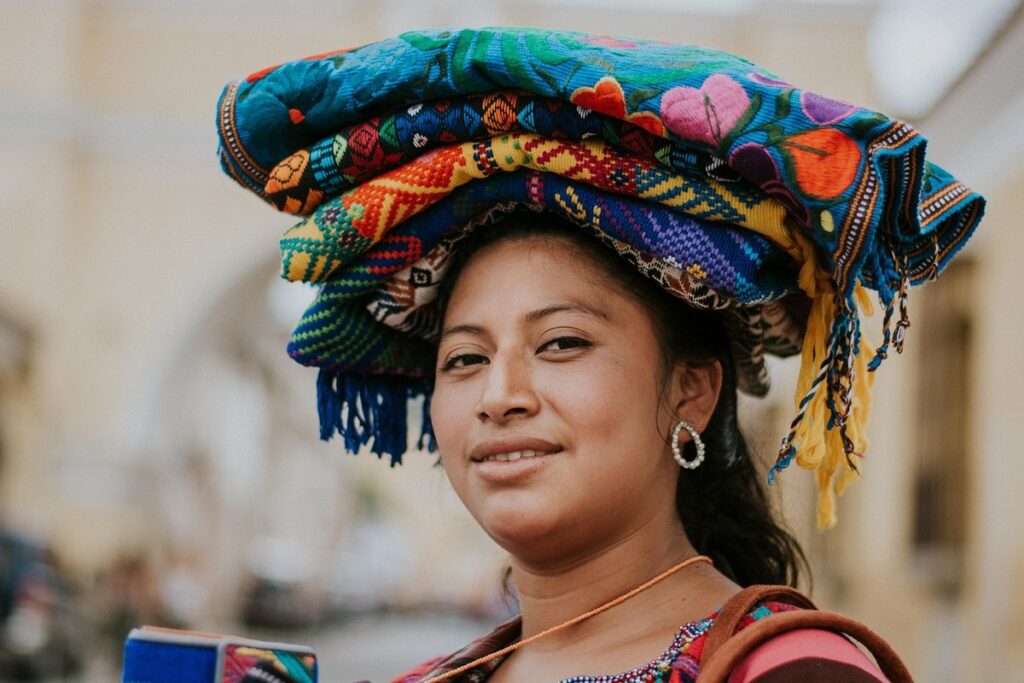
Overview of Guatemala’s Linguistic Diversity
Guatemala is home to 22 officially recognized languages, each with its own distinct dialect and cultural significance. This section will provide an overview of the country’s rich linguistic diversity.
Guatemala’s Official Language: Spanish
Spanish has been the official language of Guatemala since the country’s independence from Spain in 1821. It’s the most widely spoken language in the country, used by the majority of the population, including government officials, business leaders, and media outlets. Spanish has a significant impact on daily life in Guatemala, from education to commerce and politics.
Spanish is the language of instruction in schools, and it’s the primary language used in government, media, and business. While many Guatemalans speak indigenous languages at home, Spanish is the language used in formal settings and for communication with people from other regions. In fact, the use of Spanish is so widespread that it’s not uncommon for Guatemalans to switch between Spanish and their native language when speaking with family members or friends.
For tourists and visitors, speaking some Spanish can greatly enhance their experience in Guatemala. While many locals, particularly younger people and those in the tourism industry, speak some English, Spanish is still the most widely spoken language in the country. Knowing basic Spanish phrases and vocabulary can help visitors navigate everyday situations, such as ordering food, asking for directions, and communicating with locals.
Regional Languages and Dialects
Guatemala’s regional languages and dialects are a rich tapestry of indigenous languages, each with its own distinct grammar, vocabulary, and cultural significance. K’iche’, for example, is spoken in the western highlands, particularly in the departments of Huehuetenango, Quetzaltenango, and Sololá. This language is known for its complex system of suffixes and prefixes that indicate grammatical relationships. In contrast, Q’eqchi’ is spoken in the eastern highlands, primarily in the departments of Alta Verapaz, Baja Verapaz, and Izabal. Kaqchikel, another Mayan language, is spoken in the central highlands, particularly in the departments of Chimaltenango and Sacatepéquez. Mam, the fourth major Mayan language, is spoken in the western highlands, primarily in the departments of Huehuetenango and San Marcos.
While these languages are not as widely spoken as Spanish, they are still an essential part of Guatemala’s linguistic heritage. Visitors to Guatemala can experience the diversity of regional languages by attending a language class or workshop, which can be a great way to learn about the local culture and interact with the community. Additionally, many tour operators offer multilingual services, including guides who speak regional languages, which can enhance the tourist experience and promote cross-cultural understanding. By exploring the regional languages and dialects of Guatemala, visitors can gain a deeper appreciation for the country’s rich cultural diversity.
Mayan Languages in Guatemala
Guatemala is home to over 20 Mayan languages, each with its own distinct grammar, vocabulary, and dialect. The most widely spoken Mayan languages in Guatemala include K’iche’, Q’eqchi’, Kaqchikel, and Mam. K’iche’, with over 700,000 speakers, is the most widely spoken Mayan language in the country and is spoken primarily in the western highlands. Q’eqchi’, with over 300,000 speakers, is spoken primarily in the eastern highlands.
The Mayan languages are not mutually intelligible, meaning that speakers of one language cannot easily understand speakers of another. This is due to significant differences in grammar and vocabulary. For example, K’iche’ has a complex system of suffixes and prefixes that indicate grammatical relationships, while Q’eqchi’ has a simpler system with more emphasis on tone.
The Mayan languages have played an important role in Guatemalan culture and identity. Many Mayan speakers are proud of their linguistic heritage and work to preserve and promote their languages through language classes, cultural events, and community initiatives.
Indigenous Languages in Guatemala
In Guatemala, the majority of the indigenous population speaks one of 22 recognized languages, each with its own unique dialects and nuances. This section will take a closer look at these languages.
K’iche’ Language and Culture
K’iche’ is an ancient Mayan language that has been spoken in Guatemala for over a thousand years. With a rich cultural heritage, K’iche’ is not only a vital part of the country’s linguistic diversity but also a source of national pride. The K’iche’ language is spoken by approximately 800,000 people, mostly in the western highlands of Guatemala.
The K’iche’ language has its own unique grammar, vocabulary, and writing system. In fact, the K’iche’ writing system is one of the oldest and most complex in the Americas. It’s a testament to the ingenuity and creativity of the ancient Mayan civilization. K’iche’ is still spoken in everyday life, from marketplaces to homes, and is an essential part of the country’s cultural identity.
To learn more about the K’iche’ language and culture, visitors to Guatemala can participate in language exchange programs or take a course in K’iche’ language and history. This will give them a deeper understanding of the country’s rich cultural heritage and allow them to connect with the local communities on a more meaningful level. By embracing the K’iche’ language and culture, Guatemalans can preserve their traditions and pass them down to future generations.
Q’eqchi’ Language and Traditions
Q’eqchi’ is the indigenous language spoken by the Q’eqchi’ people, who primarily inhabit the departments of Alta Verapaz, Baja Verapaz, and El Progreso in northern Guatemala. This language is a vital part of Q’eqchi’ identity and culture. Q’eqchi’ is a Mayan language, with its own distinct grammar and syntax. It’s a polysynthetic language, which means that words are composed of many morphemes that convey different meanings.
The Q’eqchi’ language is rich in oral tradition, with a strong emphasis on storytelling and music. Q’eqchi’ speakers use a variety of musical instruments, such as the marimba and the soplador, to accompany their songs and dances. These performances often tell stories of their ancestors and the history of their people. In everyday life, Q’eqchi’ speakers use their language to communicate with one another, conduct business, and share knowledge.
Some notable features of the Q’eqchi’ language include its use of honorifics to show respect, its complex system of kinship terminology, and its rich vocabulary related to nature and the environment. To learn Q’eqchi’, students typically start with the basics of the language’s phonology and grammar, then move on to more complex structures and vocabulary. With dedication and practice, anyone can learn to speak Q’eqchi’ fluently.
Other Mayan Languages in Guatemala
In addition to K’iche’ and Q’eqchi’, there are several other Mayan languages spoken in Guatemala. Kaqchikel, spoken by around 150,000 people, is the second most widely spoken Mayan language in the country. It’s primarily spoken in the departments of Chimaltenango and Guatemala. Kaqchikel has its own distinct grammar and vocabulary, and is an official language in some municipalities. Mam, another important Mayan language, is spoken by approximately 70,000 people, mainly in the departments of Huehuetenango and Quetzaltenango. Mam is known for its complex grammar system and is considered an important language for Guatemala’s indigenous heritage.
In terms of linguistics, Kaqchikel and Mam have distinct phonetic and phonological features, such as variations in vowel pronunciation and consonant clusters. These differences reflect the unique histories and cultural practices of the communities that speak these languages. To learn more about these languages, consider consulting with linguists or language experts who specialize in Mayan languages. You can also explore online resources, such as language learning platforms and cultural exchange programs, that offer insights into the languages and cultures of Guatemala.
English in Guatemala: A Growing Presence
As you explore the linguistic landscape of Guatemala, you’ll notice a growing presence of English, particularly in tourist areas and among the younger population. English is becoming increasingly important in the country’s economy and education system.
English as a Second Language
English is increasingly becoming a second language in Guatemala, particularly among the younger generation and those in the tourism industry. Many young people are taking advantage of English language schools and programs to improve their language skills and increase their job prospects. These programs often focus on practical, real-life scenarios, such as hotel management and customer service, to equip students with the skills they need to succeed in the tourism industry.
Some popular English language schools in Guatemala include the Guatemala City-based International House and the Antigua-based Spanish and English Language School. These schools offer a range of programs, from beginner to advanced levels, and often have experienced teachers and small class sizes. For those who prefer to learn English on their own, there are also several online resources available, such as language learning apps and websites that offer interactive lessons and exercises.
In addition to formal language schools, many Guatemalans are also learning English through informal means, such as watching English-language TV shows and movies, listening to English-language music, and practicing with native English speakers. As the demand for English speakers continues to grow, it’s likely that this trend will continue to increase in the coming years.
English Language Schools and Programs
In recent years, English language schools and programs have proliferated in Guatemala, catering to the growing demand for English language skills. These programs range from intensive language courses for foreigners to vocational training for locals. For example, the Guatemala City-based English Language Institute offers a variety of courses for adults and children, including exam preparation for the TOEFL and IELTS.
Other institutions, such as the University of San Carlos, offer English language courses as part of their regular curriculum. Some schools also offer specialized programs, like English for tourism, which focus on practical language skills for the hospitality industry. Additionally, some programs are specifically designed for business professionals, such as English for work and entrepreneurship.
Some popular English language schools in Guatemala include:
- The English Language Institute in Guatemala City
- The University of San Carlos in Antigua
- Guatemala City’s Universidad del Valle
- Antigua’s La Unión University
- The English Academy in Quetzaltenango
These schools and programs offer a range of benefits, including improved job prospects, better communication with tourists, and greater access to international education and career opportunities.
Challenges and Opportunities for English Language Learners
As English gains traction in Guatemala, English language learners face unique challenges. One obstacle is the country’s diverse linguistic landscape, which can make it difficult for learners to find consistent practice opportunities. For example, a Q’eqchi’ speaker may not be able to find a language exchange partner who speaks both Q’eqchi’ and English.
Additionally, many English language schools and programs in Guatemala cater to tourists and expats, rather than locals. This can create a mismatch between the language skills learners acquire and the needs of their community. To overcome this challenge, learners can seek out programs that offer contextualized English instruction, such as business or medical English.
Opportunities for English language learners in Guatemala abound. With the growing number of tourists and expats, there is a rising demand for English speakers in industries like hospitality and international business. By developing their English skills, learners can access better job opportunities, improve their career prospects, and enhance their overall quality of life. They can also participate in language exchange programs, which can provide valuable practice and cultural exchange opportunities.
The Role of Language in Guatemalan Culture
Language plays a vital role in Guatemalan culture, serving as a means of identity, expression, and connection to the country’s rich history. Understanding this dynamic is essential to appreciating the country’s linguistic diversity.
Language and Identity
Language is a fundamental aspect of identity in Guatemala, and it plays a crucial role in shaping the country’s rich cultural heritage. In Guatemala, language is often tied to one’s indigenous heritage, with many people identifying strongly with their ancestral language and traditions. For example, speakers of K’iche’ and Q’eqchi’ often view their languages as essential to their cultural identity, and efforts are being made to preserve and promote these languages through education and cultural programs.
In many Guatemalan communities, language is also closely tied to community identity. In some cases, specific languages or dialects may be associated with particular regions or towns, and language use can serve as a marker of social status or affiliation. For instance, in some areas, speakers of Spanish may be viewed as outsiders or newcomers, while speakers of Mayan languages may be seen as more authentic or traditional.
Efforts to preserve and promote linguistic diversity in Guatemala often focus on supporting the use of indigenous languages in education, media, and public life. This can involve developing language curriculum that incorporates Mayan languages and cultures, creating media content in indigenous languages, and promoting language use in public spaces such as markets and town squares.
Language and Community
In Guatemala, language is a powerful tool for building and maintaining community. For many Guatemalans, speaking the same language as their neighbors and community members creates a sense of unity and belonging. In fact, research has shown that language is a key factor in determining social cohesion and community engagement. In Guatemala, this is particularly evident in the way that indigenous languages are used to bring people together. For example, in many rural communities, community events and celebrations are often held in the local language, such as K’iche’ or Q’eqchi’, allowing people to come together and connect with their heritage.
This emphasis on language and community is also reflected in the way that language is taught in schools. Many Guatemalan schools offer language classes that focus on teaching students about their local language and culture. This approach not only helps students to develop their language skills but also fosters a sense of pride and connection to their community. By learning about and using their local language, students are able to connect with their peers and community members in a way that is authentic and meaningful.
Language and Education
Guatemalan schools place a strong emphasis on teaching Spanish as the primary language, but the country’s linguistic diversity also influences the way language is taught. In many schools, especially those in rural areas, Mayan languages are also taught as a subject, often alongside Spanish. This approach acknowledges the importance of preserving the country’s rich linguistic heritage.
The curriculum typically includes language classes in K’iche’, Q’eqchi’, and other Mayan languages, as well as Spanish. Teachers may use bilingual textbooks or materials to cater to students who speak Mayan languages at home. Some schools also offer language immersion programs, where students can learn through music, art, and storytelling in both Spanish and Mayan languages.
Not all schools in Guatemala offer these language programs, and the quality and availability of language education can vary greatly. However, for families and students interested in preserving Mayan languages, these programs can provide a valuable opportunity to learn and connect with their cultural heritage.
Language Learning and Resources
To learn more about the languages spoken in Guatemala, you’ll want to explore the various language learning resources and materials available, including online courses and language exchange programs.
Language Schools and Institutions
Guatemala offers a range of language schools and institutions for learners of Spanish, English, and other languages. Some of the most well-known language schools are Instituto Guatemalteco de Cultura Hispanica (IGC), which offers Spanish language and culture courses, and Universidad de San Carlos de Guatemala, which has a language center that provides Spanish language instruction. Additionally, language schools like Guatemala Language Academy and Antigua Spanish School offer immersive language programs for students and travelers.
In recent years, there has been a growing demand for English language instruction in Guatemala, driven by the country’s tourism industry and growing business sector. Language schools like English Guatemala and Guatemala City Language School offer English language courses, often with a focus on business English or English for tourism. Many of these schools also offer homestay programs, allowing students to live with a local family and practice their language skills in a real-world setting.
Some language schools in Guatemala also offer certification programs in languages like French, German, and Italian, making it possible for students to learn multiple languages while studying in the country. When choosing a language school, consider factors like the qualifications of the instructors, the curriculum, and the opportunities for practice with native speakers.
Language Exchange Programs
In Guatemala, you can participate in language exchange programs to improve your Spanish skills and connect with locals. These programs pair you with a native Spanish speaker for regular conversation practice. One popular option is the Instituto Guatemalteco de Cultura Hispánica (IGCH), which offers language exchange programs for foreigners. IGCH’s language exchange partners are students, teachers, or professionals who are eager to practice their English skills. You can also find language exchange partners through organizations like AFS Intercultural Programs or Conversation Exchange.
When participating in a language exchange program, it’s essential to be clear about your goals and expectations. Discuss your language learning objectives with your partner to ensure you’re both on the same page. Some programs may also offer additional activities, such as cultural events or homestays, to help you immerse yourself in the local culture. By participating in a language exchange program, you can not only improve your Spanish skills but also gain a deeper understanding of Guatemalan customs and traditions.
Online Resources for Language Learning
Guatemalan language learners can tap into a wealth of online resources to supplement their studies. Duolingo is a popular choice, offering interactive lessons and exercises in Spanish and other languages. For more in-depth learning, Coursera and edX partner with Guatemalan universities to offer online courses on linguistics, language teaching, and cultural studies. Additionally, language exchange websites like italki and Conversation Exchange connect learners with native speaker tutors for online practice sessions.
Online language learning platforms also provide access to authentic materials like podcasts, videos, and blogs. For example, the Guatemalan government’s official website offers language learning resources, including audio and video lessons. The Guatemalan Ministry of Education also provides a range of language learning materials, from textbooks to interactive games.
To get the most out of these resources, learners should focus on finding materials that cater to their level and interests. They should also try to engage with native speakers as much as possible, whether through language exchange websites or social media groups. By combining online learning with real-life practice, language learners can make significant progress in a short amount of time.
Language and Tourism in Guatemala
In Guatemala, you’ll hear a mix of indigenous languages and Spanish, with each region having its own unique dialect and cultural influences to consider when traveling.
English for Tourists
As tourism in Guatemala continues to grow, English has become an essential language for tourists to communicate effectively with locals, navigate the country’s infrastructure, and enhance their overall experience. In major tourist destinations like Antigua, Lake Atitlán, and Tikal, you can find signs and menus in both Spanish and English, making it easier for English-speaking visitors to get by. However, outside of these areas, English proficiency can be limited, and it’s not uncommon for locals to rely on hand gestures or simple Spanish phrases to communicate.
To improve your chances of having a smooth and enjoyable trip, consider taking a few basic Spanish phrases with you, such as “¿Habla inglés?” (Do you speak English?) and “¿Dónde está…?” (Where is…?). Additionally, download a translation app or carry a phrasebook to help you communicate in everyday situations. Many tour operators and hotels also offer English-speaking staff, so it’s a good idea to research and book accommodations and activities that cater to English-speaking tourists. By taking a few simple steps to learn some basic Spanish and being aware of the resources available, you can make the most of your trip to Guatemala and appreciate the country’s rich culture and history.
Multilingual Tourism Services
In recent years, Guatemala has become increasingly popular among international tourists, with many visitors drawn to the country’s rich cultural heritage, stunning natural beauty, and vibrant markets. To cater to this growing demand, the tourism industry has adapted by offering multilingual services, making it easier for visitors to navigate and enjoy the country. Many tour operators, hotels, and restaurants now offer staff who speak English, Spanish, and other languages, ensuring that visitors can communicate effectively and receive assistance when needed. Some popular tour operators even offer guided tours in multiple languages, including German, French, and Italian. For example, the Tikal National Park offers audio guides in multiple languages, including English, Spanish, and German. Additionally, many tourist information centers and travel agencies have multilingual staff, providing visitors with maps, brochures, and other essential information in their preferred language.
Language and Cultural Exchange Programs
Language and cultural exchange programs are an excellent way for travelers to immerse themselves in Guatemala’s diverse linguistic landscape. These programs allow participants to engage with locals, practice their language skills, and gain a deeper understanding of the country’s rich cultural heritage. The most popular programs are those that pair tourists with Guatemalan families or community members, enabling language learners to practice their speaking and listening skills in a real-world setting.
In addition to language exchange programs, some organizations offer homestay opportunities, where travelers can stay with a local family and participate in daily activities, meals, and cultural events. This type of immersion is an ideal way to learn about the local way of life and pick up essential phrases and expressions in the local dialect.
Some notable organizations that offer language and cultural exchange programs in Guatemala include the Guatemala Language School, which offers homestay programs and language exchange opportunities, and the Guatemalan Community Development Project, which provides language classes and cultural immersion experiences. When selecting a program, consider factors such as the location, length of stay, and opportunities for language practice and cultural engagement.
Frequently Asked Questions
Can I still communicate in English if I only speak basic Spanish?
Yes, many Guatemalans, particularly in the tourism industry, speak basic English. You can still use English to get by, but learning some basic Spanish will greatly enhance your experience. Additionally, some popular tourist destinations have multilingual staff, including English speakers.
What are the common challenges faced by English language learners in Guatemala?
Common challenges faced by English language learners in Guatemala include difficulties with pronunciation, limited opportunities for practice, and lack of resources. To overcome these challenges, join a language exchange program or find a tutor who can provide personalized feedback and guidance.
Can I learn Mayan languages in Guatemala, and is it worth it?
Yes, it is possible to learn Mayan languages in Guatemala, and it can be a rewarding experience. Mayan languages are an important part of Guatemalan culture, and learning one can deepen your understanding of the country’s history and traditions. However, it requires dedication and a good teacher, as the languages can be complex and nuanced.
What if I’m not interested in learning Spanish, can I still get by in Guatemala?
While it’s not impossible to get by in Guatemala without learning Spanish, it will be much more challenging. Many signs, menus, and instructions are only in Spanish, and not speaking the language can lead to misunderstandings and difficulties. If you’re not interested in learning Spanish, consider hiring a guide or using a translation service to help navigate the country.

