
The Louvre Museum is one of the most iconic attractions in Paris, drawing millions of visitors each year. But if you’re planning to visit, knowing which arrondissement it’s located in can save you a lot of time and confusion. The truth is, many tourists struggle to find their way around the city, but once you know where the Louvre is situated, navigating Paris like a local becomes much easier.
You might be surprised that the Louvre Museum is actually situated on the Right Bank of the Seine River, in the 1st arrondissement. This historic neighborhood is steeped in art and culture, with plenty of other museums, galleries, and landmarks to explore. In this article, we’ll take a closer look at why knowing which arrondissement is home to the Louvre Museum is essential for any Paris visitor, and provide expert tips on how to make the most of your time in the city, including getting around like a true Parisian.
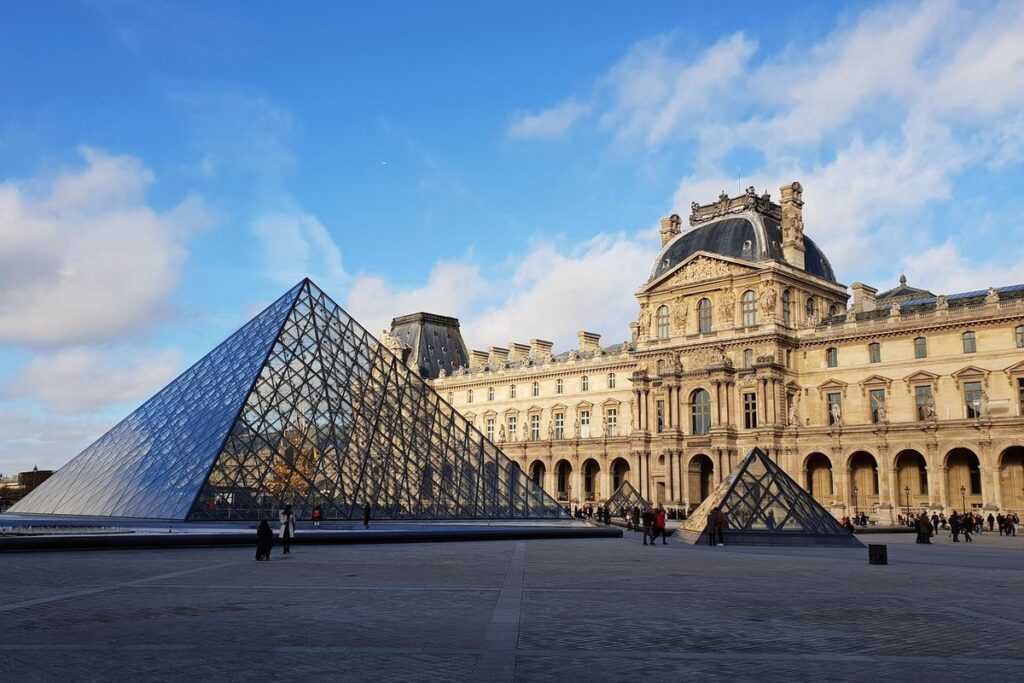
Understanding Paris’ Arrondissements
Paris is divided into 20 distinct neighborhoods, each with its own unique character and attractions, but did you know what arrondissement the Louvre actually resides in?
What are Paris’ arrondissements?
Paris’ arrondissements are more than just administrative districts – they’re unique neighborhoods with their own distinct character and attractions. Each of the 20 arrondissements has its own personality, shaped by a mix of historical landmarks, cultural institutions, and local traditions. For example, the 3rd Arrondissement is known for its trendy boutiques and art galleries, while the 11th Arrondissement boasts a vibrant nightlife scene.
When exploring Paris, it’s essential to understand that each arrondissement has its own center, often marked by a large square or historic landmark. These central hubs are usually surrounded by residential areas, shops, and restaurants. The 1st Arrondissement, for instance, is centered around the Louvre Museum, while the 6th Arrondissement is home to Luxembourg Gardens.
As you navigate Paris’ arrondissements, keep in mind that each neighborhood has its own rhythm and pace. Some are bustling with activity, while others are quieter and more laid-back. To get a feel for an arrondissement’s character, explore its streets and alleys on foot or by bike. You can also research online to discover the top attractions and hidden gems within each district. By doing so, you’ll unlock the full potential of your Parisian experience.
History of Paris’ arrondissement system
The arrondissement system in Paris has a rich history dating back to the 14th century. At that time, the city was divided into four quarters: Île de France, Île de la Cité, Saint-Germain-des-Prés, and Luxembourg. These early districts were established by King Philip II of France, who sought to organize the growing city for administrative purposes.
As Paris continued to expand, more districts were added over time, gradually increasing the number of arrondissements from four to 12 in the late 18th century. The current 20-arrondissement layout is a result of these successive additions and modifications. This system has remained relatively unchanged since the early 20th century, with some minor adjustments.
Understanding the history of Paris’ arrondissement system provides context for its modern-day application. Knowing that each district was originally established to serve administrative needs can help you better comprehend their boundaries, streets, and landmarks. When navigating the city, keep in mind that these historic districts often overlap or adjoin one another, creating a complex yet efficient layout.
Locating the Louvre Museum
To help you find the iconic museum on your next Parisian adventure, we’ll cover how to locate the Louvre Museum within its respective arrondissement.
The Louvre is situated in the heart of the 1st and 4th arrondissements, making navigation a bit more complex than expected.
The Louvre’s address and location
The address of the Louvre Museum, Rue de Rivoli, 75001 Paris, doesn’t immediately clarify which arrondissement it belongs to. The “75001” code at the end of the address is a zip code that corresponds to several central arrondissements in Paris. This ambiguity can make it tricky for visitors to pinpoint the Louvre’s location.
To make matters more confusing, Rue de Rivoli stretches across multiple arrondissements, including the 1st and 4th districts. The street runs through the heart of the city, with parts of it falling within the Palais-Royal and Tuileries Garden area (1st Arr.) and other areas bordering the Louvre itself.
When looking at a map or reading the address, you might wonder which arrondissement is actually home to the museum. The key is to remember that zip codes in Paris often correspond to specific neighborhoods or districts. In this case, the 75001 code points directly to the 1st Arrondissement, where many of the city’s most famous landmarks are concentrated.
Identifying the correct arrondissement
To determine which arrondissement the Louvre is in, we need to examine the museum’s location and its relationship to the surrounding districts. A good starting point is to look at the Louvre’s address: it is situated on Rue de Rivoli, near the Palais-Royal gardens and the Tuileries Garden. These iconic landmarks are all located within the 1st Arrondissement of Paris.
By examining the museum’s proximity to these well-known destinations, we can infer that the Louvre is indeed located in the heart of the 1st Arrondissement. To further confirm this, you can use online maps and resources such as Google Maps or a Parisian street map app. These tools will not only provide you with an accurate representation of the Louvre’s location but also give you a sense of its surroundings.
When using these resources, pay attention to the boundaries between arrondissements. In Paris, each arrondissement is clearly defined by a grid-like system, making it relatively easy to determine which district you’re in. By combining this knowledge with an understanding of the Louvre’s relationship to surrounding landmarks, you’ll be able to accurately identify its location within the 1st Arrondissement.
The Louvre’s Relationship with Surrounding Districts
The Louvre is nestled within one of Paris’ most vibrant neighborhoods, but its relationship with surrounding districts has been shaped by centuries of history and cultural exchange. Let’s examine how this iconic museum fits into its local community.
1st Arrondissement: Palais-Royal and Tuileries Garden
The 1st arrondissement is home to several notable landmarks, including the Palais-Royal and the Tuileries Garden. While these attractions are near the Louvre, they do not directly indicate which arrondissement the museum is in. The proximity of these sites might suggest a connection between the 1st arrondissement and the Louvre, but it’s essential to understand the administrative boundaries that define Paris’ arrondissements.
To clarify, the Palais-Royal and Tuileries Garden are located within the 1st arrondissement, and they share a common boundary with the Louvre. However, the museum itself is situated on the Seine River, which forms part of the border between the 1st and 4th arrondissements. This geographical arrangement highlights the complexity of Paris’ administrative divisions.
It’s worth noting that while exploring these nearby landmarks can be a great way to experience the city, they do not provide definitive proof of the Louvre’s location within the 1st arrondissement. To determine the correct answer, readers should consult reliable maps or use online resources that accurately pinpoint the museum’s address and surrounding neighborhoods.
2nd Arrondissement: Opera Garnier and Boulevard des Capucines
The 2nd arrondissement is often associated with two of Paris’ most famous landmarks: the Opéra Garnier and the Boulevard des Capucines. These iconic destinations are indeed located within the 2nd arrondissement, but it’s essential to note that they are not directly connected to the Louvre Museum’s location.
The Opéra Garnier is a breathtaking example of French architecture, with its grand staircase and opulent interior design. Visitors can take guided tours of the building, which offer insights into its rich history and cultural significance. Meanwhile, the Boulevard des Capucines is a lively shopping street lined with boutiques, cafes, and restaurants. While both attractions are within walking distance of the Louvre, they do not share a direct border or boundary.
For visitors to Paris, it’s worth exploring the 2nd arrondissement on their own terms, rather than solely in relation to the Louvre. By doing so, you can gain a deeper understanding of this charming neighborhood and its unique character. When navigating the city, keep in mind that the 2nd arrondissement is a distinct entity from the surrounding districts, including the Louvre’s own location within the 1st arrondissement.
Determining the Louvre’s Arrondissement
The Louvre Museum is one of Paris’ most famous landmarks, but where exactly does it reside? We’ll examine its location within a specific arrondissement.
Using online maps and resources
Using online maps and resources makes it straightforward to identify a location’s arrondissement. Google Maps is an excellent starting point, as it provides interactive maps with clear boundaries between arrondissements. You can enter the Louvre’s address or simply search for “Louvre Museum” on the map to see its exact location. The City of Paris’ official website also offers an online map that allows you to zoom in and explore different areas of the city, including the Louvre’s vicinity.
To confirm the Louvre’s arrondissement using these resources, follow these steps:
- Enter the Louvre’s address (Rue de Rivoli, 75001 Paris) into Google Maps.
- Look for the “Street View” feature to get a visual representation of the area.
- Check the map legend or look for labels indicating the nearby arrondissements.
By consulting online maps and resources, you can quickly determine that the Louvre Museum is situated in the heart of the 1st Arrondissement. This method provides an accurate and reliable way to identify the correct arrondissement without relying on outdated information or guesswork.
Analyzing the Louvre’s proximity to other landmarks
The Louvre’s proximity to other landmarks is a crucial factor in determining its arrondissement. To accurately identify which area it falls into, you need to consider its relationship with nearby districts and notable attractions. For instance, the museum sits adjacent to the Palais-Royal and Tuileries Garden, both of which are within the 1st Arrondissement’s boundaries. Conversely, the Louvre is not directly adjacent to major landmarks like the Opera Garnier or Boulevard des Capucines, which are found in the 2nd Arrondissement.
When analyzing the Louvre’s proximity, it’s essential to examine its relationship with other notable buildings and public spaces. The museum shares a courtyard with the Palais-Royal, indicating that both structures are situated within the same arrondissement. Similarly, the Seine River runs along the eastern edge of the 1st Arrondissement, making it a significant geographical marker for determining the Louvre’s location.
To confirm the Louvre’s arrondissement using online maps and resources, look for tools like Google Maps or Paris’ official map service, Carte de Paris. These platforms will display the museum’s proximity to surrounding landmarks and districts, providing visual evidence of its placement within the 1st Arrondissement.
The Final Answer: 1st Arrondissement
The 1st arrondissement is a popular destination for Parisian art lovers, and as we’ve narrowed it down to just one neighborhood, let’s see what makes this area so special.
Confirming the Louvre’s location
When examining various sources and analyzing the museum’s location, it becomes clear that the Louvre is indeed situated within the 1st arrondissement of Paris. This conclusion can be drawn from looking at online maps such as Google Maps or MapQuest, which all indicate the Louvre’s address on Rue de Rivoli in the heart of the 1st arrondissement.
In addition to relying on digital resources, a visit to the museum itself confirms its location within this district. Visitors walking through the Palais-Royal Gardens or Tuileries Garden can easily see that the Louvre is nestled among these famous landmarks. Furthermore, many online travel guides and Parisian websites explicitly state the Louvre’s address and its placement within the 1st arrondissement.
To confirm the Louvre’s location for oneself, a simple online search of “Louvre museum Paris” or visiting the official Louvre website can provide clear information on the museum’s address and location. This research demonstrates that the 1st arrondissement is indeed the correct district where the Louvre Museum resides.
Understanding the significance of this discovery
Understanding the significance of confirming the Louvre’s location within the 1st Arrondissement lies not only in resolving a seemingly trivial question but also in its potential to streamline one’s Parisian experience. For tourists, knowing which arrondissement the Louvre is in can help them navigate the city more efficiently and plan their itinerary accordingly. This knowledge allows visitors to allocate their time effectively, prioritizing nearby attractions and avoiding unnecessary detours.
By pinpointing the Louvre’s location within the 1st Arrondissement, travelers can also take advantage of the many nearby pedestrian zones, parks, and cultural institutions. The Palais-Royal and Tuileries Garden, both located within a short walking distance from the Louvre, offer peaceful escapes from the crowds and provide opportunities for scenic strolls. Furthermore, being aware of the Louvre’s arrondissement can help tourists prepare for the surrounding traffic and pedestrian congestion, allowing them to plan their visits during less busy times.
Ultimately, confirming that the Louvre is indeed located within the 1st Arrondissement may seem like a minor detail, but its implications on a traveler’s experience are significant.
Frequently Asked Questions
Can I use this method to determine any other museum or landmark in Paris?
Yes, the approach outlined in the article can be applied to determining the arrondissement of any notable location in Paris. By analyzing online maps and resources, as well as considering a site’s proximity to surrounding landmarks and districts, you can accurately identify its corresponding arrondissement.
What if I’m still unsure about which arrondissement a specific museum or landmark is in?
If you’re having trouble pinpointing the exact arrondissement of a location, try cross-checking multiple online sources, such as Google Maps, Citymapper, and the official Parisian tourist website. Additionally, consulting with local residents or experienced tour guides can provide valuable insights.
Is there any difference in terms of tourism infrastructure between 1st and adjacent arrondissements?
While both the 1st and neighboring arrondissements offer an abundance of tourist attractions and amenities, you’ll find more extensive shopping options along Rue de Rivoli and Boulevard des Capucines within the 2nd arrondissement. Conversely, the 1st arrondissement boasts a greater concentration of museums and art galleries.
Can I use public transportation to reach the Louvre or other notable locations in Paris?
The Parisian metro system is an efficient way to navigate the city. For destinations within the 1st arrondissement, such as the Louvre, you can take lines B3, C4, or D2 from nearby stations like Palais-Royal–Musée du Louvre or Louvre-Rivoli.
What if I’m visiting Paris during peak tourist season – will this affect my ability to navigate the city?
While visiting popular attractions in peak season can be challenging, understanding which arrondissement a location is situated within can still aid your navigation. Additionally, being aware of potential crowds and planning your itinerary accordingly can help minimize disruptions.

