
In many parts of the world, the concept of work-life balance is viewed through a unique lens. Germany’s emphasis on Lebenszeit, or “lived time,” encourages individuals to prioritize quality over quantity in their working hours. Meanwhile, Japan has implemented initiatives aimed at reducing stress and promoting well-being among its workforce. As a global organization, you may be wondering how these differing approaches can inform your own policies. What can you learn from countries that have successfully integrated work-life balance into their cultures? By examining the strategies employed by Germany, Japan, and other nations, you’ll gain valuable insights to apply in your own workplace. This article will explore these international perspectives on work-life balance, highlighting key takeaways for global organizations seeking a healthier, more productive workforce.
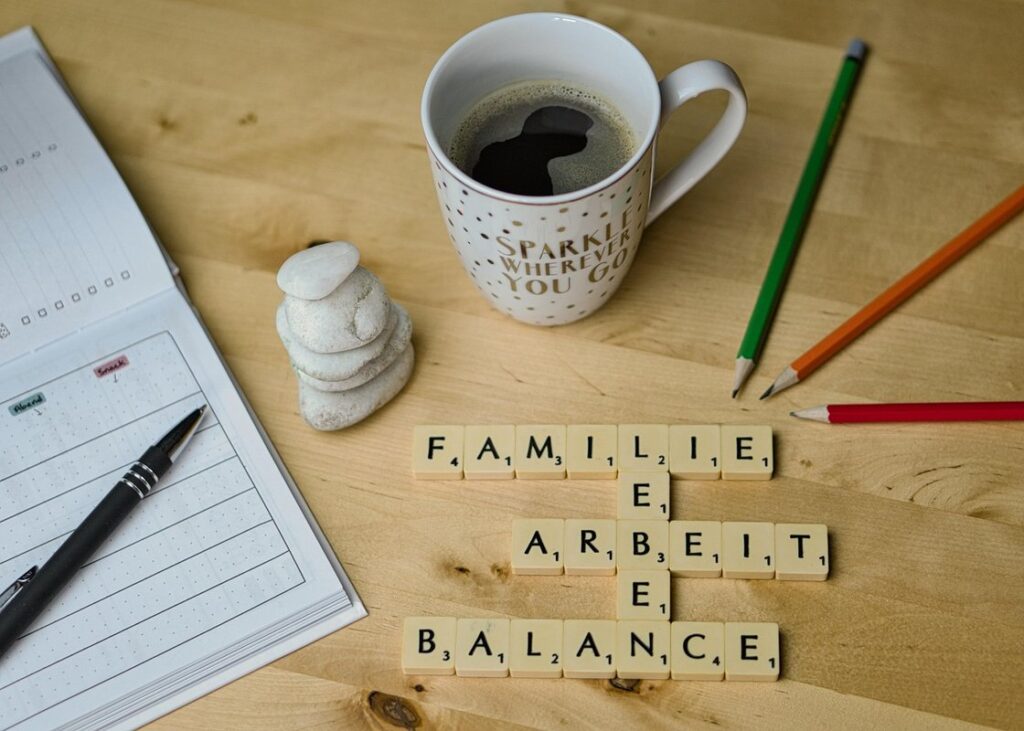
Understanding Work-Life Balance and Its Importance
Achieving a balance between work and personal life is crucial, yet its significance can vary greatly across cultures. This section explores why understanding these differences matters for individuals and organizations alike.
Defining Work-Life Balance in Different Contexts
Work-life balance is a concept that can be perceived and defined differently across various cultures. In many Western societies, it’s often associated with the idea of separating work from personal life, with a focus on achieving a certain level of leisure time and freedom from work-related stress. However, in some Asian cultures, work is deeply ingrained in one’s identity, and taking time off for leisure activities may be seen as a luxury rather than a right.
In collectivist societies like Japan, for instance, the concept of “hikikimori” refers to the phenomenon of young adults withdrawing from social life to focus on personal well-being. This is often seen as a necessary step towards achieving work-life balance in the face of intense pressure to succeed professionally. In contrast, some Latin American cultures place great emphasis on family and community ties, where work-life balance is not just about individual needs but also about contributing to the greater good.
Understanding these cultural nuances is essential for developing effective strategies to promote work-life balance across cultures. It requires acknowledging that what works in one context may not be transferable to another. By recognizing and respecting these differences, organizations can create more inclusive and effective policies that support employees’ diverse needs and values.
The Impact of Culture on Work-Life Balance Attitudes
Culture plays a significant role in shaping attitudes towards work-life balance. Individualistic cultures, such as those found in the United States and Australia, tend to prioritize personal freedom and autonomy, leading to a greater emphasis on individual work-life balance. In contrast, collectivist cultures like Japan and China often prioritize group harmony over personal needs, resulting in a more rigid division between work and personal life.
Traditional values also influence attitudes towards work-life balance. For example, many Asian cultures place a strong emphasis on respect for authority and tradition, which can lead to long working hours and limited flexibility. On the other hand, modernizing countries like India are seeking to strike a balance between traditional values and contemporary needs.
To achieve a better understanding of these cultural differences, consider the following:
- In individualistic cultures, employees often expect to have more control over their work schedules.
- Collectivist cultures may require more coordination among team members to ensure work-life balance.
- Traditional societies may place greater emphasis on maintaining social hierarchy and respect for authority.
By recognizing these cultural nuances, organizations can develop targeted strategies to support work-life balance across different cultural contexts.
National Approaches to Work-Life Balance
Across cultures, governments and organizations are implementing innovative policies to support employees’ personal lives. From flexible work arrangements to parental leave programs, these approaches vary significantly from country to country.
Germany’s Concept of “Lebenszeit” (Life Time)
In Germany, the concept of “Lebenszeit” (Life Time) plays a significant role in achieving work-life balance. This approach prioritizes time management and leisure activities, recognizing that the quality of life is just as important as productivity. Germans are encouraged to take regular breaks throughout the day, often referred to as “Kurzurlaub,” or short leave. This allows them to recharge and maintain a healthy work-life balance.
The German model emphasizes the importance of time for oneself, including activities such as exercise, hobbies, and spending time with family and friends. Employers are also encouraged to offer flexible working arrangements, allowing employees to manage their workload and schedule more effectively. For example, many German companies adopt a 30-hour workweek or flexible start and end times.
To apply the concept of “Lebenszeit” in your own life, consider implementing regular breaks and prioritizing time for leisure activities. This might involve scheduling regular exercise sessions, setting aside dedicated time for hobbies, or simply taking short breaks throughout the day to recharge. By adopting a more balanced approach to work and life, you can improve overall well-being and increase productivity.
Japan’s Focus on Work-Related Stress Reduction
Japan’s focus on work-related stress reduction is a crucial aspect of its national approach to work-life balance. The country has implemented various initiatives to mitigate the negative effects of overwork and promote employees’ well-being. Company-sponsored programs, such as mindfulness training and yoga classes, are common in Japanese workplaces. Some companies even offer “satoyama” activities, which allow employees to engage in outdoor activities like hiking or gardening.
These initiatives aim to reduce stress and improve mental health among employees. A study by the Japanese Ministry of Health, Labour and Welfare found that employees who participated in these programs showed significant improvements in their mental well-being. Some companies have also introduced flexible work arrangements, such as telecommuting options, to help employees better manage their work-life balance.
The concept of “kaizen” (continuous improvement) is also applied to work-related stress reduction. Companies encourage employees to identify areas for improvement and suggest changes to reduce stress and increase productivity. By prioritizing employee well-being, Japanese companies hope to create a more sustainable and productive workforce.
Comparison of Work-Life Balance in Developed Countries
Developed countries have varying approaches to achieving work-life balance, ranging from strict labor laws to flexible working hours. This section explores how different developed nations prioritize personal time and professional responsibilities.
United States vs. Western Europe: An Analysis of Policies and Practices
The United States and Western Europe have distinct approaches to work-life balance, shaped by their unique cultural, economic, and historical contexts. In terms of policies on paid time off, the US lags behind many European countries. For instance, the EU’s Working Time Directive sets a minimum of 20 days’ paid annual leave per year, while some Western European nations offer up to five weeks or more. By contrast, the US has no federal law mandating paid vacation time, leaving it to individual employers.
Parental leave policies also differ significantly between the two regions. Many Western European countries provide generous parental leave benefits, often with full pay, to support new parents and help them balance work and family responsibilities. Germany, for example, offers 67 weeks of parental leave at full pay. In contrast, the US has no federal paid family leave law, although some companies offer this benefit voluntarily.
The disparity in policies reflects broader differences in societal attitudes toward work-life balance. Western Europe tends to prioritize leisure time, work-life balance, and employee well-being, while the US focuses on productivity and economic growth. Understanding these variations can help global organizations develop effective strategies for supporting employees’ work-life needs across cultures.
Australia’s Flexible Work Arrangements as a Model for Others
Australia’s flexible work arrangements have gained international attention for their potential to improve work-life balance outcomes. At its core, flexibility refers to the ability of employees to manage their work schedule and tasks according to their individual needs. In Australia, this approach has been implemented through various policies and practices, such as compressed working hours, job sharing, and telecommuting.
One notable example is the Australian government’s ” Flexible Work Arrangements” policy, which encourages employers to adopt flexible work arrangements that suit employees’ needs. This policy has led to a significant increase in take-up rates of flexible work options, with over 70% of employees reporting using some form of flexibility. As a result, Australian workers have reported improved work-life balance outcomes, including better health and well-being, increased productivity, and reduced stress levels.
Australian companies like Telstra and ANZ Bank have successfully implemented flexible work arrangements, resulting in improved employee satisfaction and retention rates. These examples demonstrate that with the right policies and culture, businesses can reap benefits from adopting flexible work arrangements while supporting their employees’ work-life balance needs.
Emerging Economies: Challenges and Opportunities
As we explore work-life balance across cultures, it’s essential to examine the challenges and opportunities presented by emerging economies. These rapidly growing nations pose unique obstacles and benefits for individuals seeking a healthier balance between work and personal life.
India’s Balancing Act Between Tradition and Modernity
Indian workers face a unique challenge in achieving work-life balance due to the country’s complex blend of tradition and modernity. On one hand, India’s cultural heritage emphasizes the importance of family and community, which can lead to strong social pressures to prioritize work over personal life. For instance, many Indian families expect their children to care for elderly relatives, leaving little time for leisure or self-care.
On the other hand, India is rapidly modernizing, with a growing middle class and increasing economic opportunities. This has led to a culture of long working hours and intense competition in industries such as technology and finance. Many Indians feel pressure to work long hours to advance their careers and provide for their families.
In this context, achieving work-life balance requires Indian workers to navigate multiple conflicting demands on their time and energy. To succeed, they need to prioritize self-care, set clear boundaries between work and personal life, and communicate effectively with family members and employers about their needs. By doing so, Indian workers can create a more sustainable balance that honors both traditional values and modern aspirations.
China’s Growing Emphasis on Employee Well-being
In recent years, China has been making significant strides in addressing employee burnout and promoting work-life balance. This shift is largely driven by the government’s recognition of the need to prioritize employee well-being in order to maintain a competitive workforce. As a result, many Chinese companies are now investing in company-sponsored programs designed to support employees’ physical and mental health.
These initiatives typically include on-site fitness centers, meditation rooms, and counseling services. Some companies have also implemented flexible work arrangements, such as telecommuting options and compressed workweeks. For example, the tech giant Alibaba has introduced a ” Summer Break” program that allows employees to take extended vacations during the peak summer months. This type of initiative not only helps reduce burnout but also boosts employee morale and productivity.
A key challenge for Chinese companies is striking a balance between promoting work-life balance and maintaining high levels of productivity. To address this, some companies are adopting a “results-oriented” approach, where employees are evaluated based on their performance rather than their working hours. By prioritizing employee well-being and providing supportive policies, Chinese companies can reap the rewards of a healthier, happier workforce.
International Best Practices for Achieving Work-Life Balance
Across cultures, countries have distinct approaches to achieving work-life balance. This section explores how some nations excel at separating professional and personal responsibilities.
Lessons from Nordic Countries: High-Tech and Welfare States
The Nordic countries have long been a model for achieving work-life balance. Sweden’s generous parental leave policy, which allows parents to split up to 480 days of paid leave between them, has been particularly influential. This approach not only benefits families but also promotes gender equality and helps mothers return to the workforce after giving birth.
Denmark’s focus on flexible work arrangements is another key strategy that has contributed to its high ranking in work-life balance. The country’s “flexicurity” model combines flexibility with job security, allowing employees to adjust their working hours or take time off as needed without fear of job loss. This approach has been adopted by many companies around the world.
In Finland, the concept of “hygge” – a feeling of coziness and contentment – is prioritized in the workplace. Employers encourage employees to prioritize self-care and well-being, recognizing that happy workers are more productive and efficient. By emulating these approaches, organizations can create a work environment that supports their employees’ overall well-being.
Some key takeaways from the Nordic countries include:
- Offering generous parental leave policies
- Prioritizing flexible work arrangements
- Encouraging self-care and employee well-being
Corporate Strategies to Support Work-Life Balance Across Cultures
Many companies have successfully implemented corporate strategies to support work-life balance across cultures. Telecommuting options are a key component of these efforts, allowing employees to work remotely and set their own schedules. For instance, IBM’s flexible work arrangement policy allows employees to choose when and where they work, as long as their tasks are completed on time.
Other companies have implemented employee wellness programs that cater to diverse cultural needs. For example, Unilever’s “LifeWorks” program in India offers stress management workshops, yoga classes, and counseling services to help employees balance their work and personal lives. Similarly, Nestle’s “Working Families” initiative in Europe provides flexible working hours, parental leave, and employee assistance programs.
A key consideration for companies implementing such strategies is understanding the local culture and tailoring their approach accordingly. This might involve conducting regular surveys to gauge employee needs or engaging with local HR experts to develop culturally sensitive policies. By adopting a flexible and adaptable approach, multinational companies can create work environments that support employees’ well-being across cultures. A balanced approach often includes a mix of remote work options, wellness initiatives, and flexible working arrangements tailored to the local culture.
Conclusion: Implications for Global Organizations
Now that we’ve explored work-life balance across various cultures, let’s examine what these findings mean for global organizations operating in diverse environments. What can be learned from these cultural differences?
Creating a Culture of Work-Life Balance in Multinational Companies
Creating a culture of work-life balance within multinational companies requires a thoughtful and intentional approach. To achieve this, organizations must first recognize that cultural norms around work-life balance vary widely across regions and countries. This means that what works for one team or location may not be effective elsewhere.
A key takeaway from our analysis is the importance of tailoring work-life balance initiatives to the specific needs and values of each local culture. For example, in some cultures, a generous paid vacation policy may be seen as a perk, while in others it may be viewed as a necessity due to long working hours or limited time off.
To create a culture that supports work-life balance across cultures, multinational companies should adopt the following strategies:
- Conduct thorough cultural assessments to identify areas of strength and weakness
- Develop flexible policies that accommodate different local norms and values
- Foster open communication channels for employees to share concerns and suggestions
- Encourage managers to model healthy work-life balance habits themselves
In addition, organizations can also learn from international best practices. For instance, companies like IKEA and Siemens have implemented global policies aimed at promoting work-life balance, such as flexible working hours and compressed workweeks.
Ultimately, creating a culture of work-life balance in multinational companies requires ongoing effort and attention to detail. By prioritizing cultural awareness, flexibility, and employee well-being, organizations can help employees thrive across cultures and locations. This not only benefits individual employees but also contributes to the overall success and competitiveness of the company.
Frequently Asked Questions
Can I apply the work-life balance strategies from other countries to my small business?
Yes, many of the strategies discussed in this article can be adapted for small businesses. For example, implementing flexible work arrangements or offering employee wellness programs may not require significant investments and can have a positive impact on your team’s productivity and job satisfaction.
What if I’m running a startup with limited resources – how can I prioritize work-life balance?
Prioritizing work-life balance in a startup requires creativity and resourcefulness. Consider implementing flexible scheduling, telecommuting options, or providing access to employee wellness programs that are affordable or low-cost. It’s essential to communicate the importance of work-life balance to your team and involve them in finding solutions.
How can I measure the effectiveness of my company’s work-life balance initiatives?
To measure the effectiveness of your work-life balance initiatives, consider tracking metrics such as employee turnover rates, productivity levels, and job satisfaction surveys. You may also want to conduct regular check-ins with employees to gather feedback on what’s working and what areas need improvement.
What if I’m struggling to implement flexible work arrangements in my company due to cultural or industry-specific challenges?
Be aware that implementing flexible work arrangements can be challenging, especially when faced with cultural or industry-specific obstacles. Consider seeking advice from HR professionals or experts who have navigated similar situations. You may also want to involve your employees in the decision-making process to better understand their needs and concerns.
Can I combine elements of different countries’ approaches to create a unique work-life balance strategy for my company?
Yes, you can combine elements of different countries’ approaches to create a unique strategy that suits your company’s culture and values. For example, you might adopt Germany’s emphasis on time management and leisure activities while incorporating Japan’s stress reduction initiatives. By blending best practices from various cultures, you can create a tailored approach that supports the well-being of your employees.

