UNESCO World Heritage Sites are more than just famous landmarks – they’re a testament to human history and culture. From the ancient pyramids of Egypt to the majestic Taj Mahal in India, these sites attract millions of visitors each year, but their significance extends far beyond their popularity. The designation process, which involves a rigorous evaluation by UNESCO experts, is a complex and nuanced one, taking into account factors such as historical importance, cultural significance, and even the site’s potential to inspire future generations. In this article, we’ll delve into the importance of these cultural treasures, explore regional highlights, and examine the challenges and efforts to preserve them. By the end of this article, you’ll have a deeper understanding of the UNESCO World Heritage Site designation process and why these sites are worth protecting.
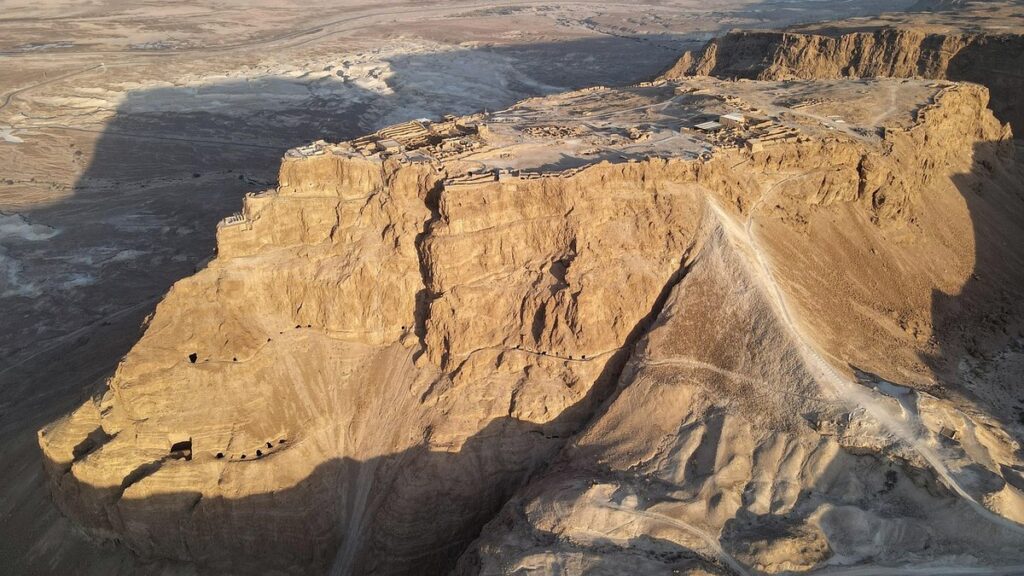
What Are UNESCO World Heritage Sites?
UNESCO World Heritage Sites are recognized for their cultural or natural significance, and in this section, we’ll explain the criteria behind their designation.
Defining the Criteria
To be designated as a UNESCO World Heritage Site, a location must meet specific criteria outlined by the World Heritage Convention. The official definition of a World Heritage Site is “a place of outstanding universal value to humanity.” This value can be attributed to its cultural, natural, or mixed (both cultural and natural) significance.
UNESCO uses seven selection criteria to evaluate potential sites. These criteria are grouped into two main categories: cultural and natural. Cultural criteria include:
- Representation of a significant cultural tradition or civilization
- Outstanding examples of a type of building or architectural style
- Directly or tangibly associated with events or living traditions of outstanding universal significance
- Bearing a unique or exceptional testimony to a cultural tradition or to a civilization which is living or which has disappeared
When evaluating cultural significance, UNESCO considers the site’s authenticity and integrity. This means that the site must be a genuine representation of the culture it represents and must not be altered or modified in a way that compromises its cultural value. By considering these criteria, UNESCO ensures that only the most exceptional and important sites are designated as World Heritage Sites.
The Importance of World Heritage Sites
World Heritage Sites play a vital role in preserving human history, culture, and the environment. By protecting these sites, we not only safeguard our shared cultural heritage but also preserve the natural environment that surrounds them. Many of these sites are home to unique and threatened ecosystems, such as the Galapagos Islands or the Sundarbans mangrove forest, which provide crucial habitat for a wide range of plant and animal species.
In addition to their ecological importance, World Heritage Sites also hold significant cultural and historical value. They often represent the collective memory of a nation or community, preserving the stories, traditions, and achievements of past civilizations. For example, the ancient city of Petra in Jordan is not only a testament to the engineering and architectural skills of the Nabataeans but also a reminder of the cultural exchange and trade that once connected the ancient world.
By designating these sites as World Heritage Sites, UNESCO recognizes their importance and provides a framework for their protection and conservation. This recognition also raises awareness about the need to preserve these sites for future generations, inspiring local communities, governments, and international organizations to work together towards their conservation.
Examples of Well-Known World Heritage Sites
The Great Wall of China, the Taj Mahal, and Machu Picchu are just a few of the most recognizable UNESCO World Heritage Sites. These iconic landmarks have captivated visitors for centuries, and their international fame has played a significant role in raising awareness about the importance of cultural preservation. The Great Wall of China, for example, stretches over 13,000 miles and is a testament to the ingenuity and labor of the ancient Chinese civilization. The Taj Mahal, a stunning white marble mausoleum in India, represents the finest examples of Mughal architecture and is a symbol of love and devotion.
Other well-known World Heritage Sites include the Acropolis in Greece, the Pyramids of Giza in Egypt, and the Colosseum in Italy. These sites not only showcase the artistic and architectural achievements of their respective cultures but also provide a glimpse into the historical events and traditions that shaped them. Visitors to these sites can experience the rich cultural heritage of each location firsthand, making them essential destinations for anyone interested in exploring the world’s cultural treasures.
The Process of Designation
To be designated a UNESCO World Heritage Site, a location must meet strict criteria, which involves a rigorous evaluation process that’s both fascinating and nuanced.
Nominations and Evaluations
Nominations for World Heritage Sites are submitted by countries or organizations to UNESCO, which then evaluates them for inclusion on the World Heritage List. Each nomination must meet the criteria established by UNESCO, which includes being a cultural or natural site of outstanding universal value. Countries typically submit nominations through a formal process, which involves gathering supporting documentation and evidence of a site’s significance.
UNESCO’s evaluation process involves a thorough review of each nomination, which includes assessing the site’s authenticity, integrity, and conservation status. The evaluation is carried out by a team of experts, including UNESCO staff and independent advisors, who consider various factors, such as the site’s cultural or natural significance, its condition, and the level of protection it requires.
To increase their chances of being selected, countries often engage in a rigorous preparation process, which includes conducting thorough site assessments, gathering supporting documentation, and addressing any concerns or issues identified during the evaluation process. This process can take several years, and countries must also commit to implementing conservation and management plans to ensure the site’s long-term protection.
The Selection Process
The evaluation of nominations for the World Heritage List is a rigorous process, involving a thorough examination of each site’s cultural and natural significance. The International Union for Conservation of Nature (IUCN) and the International Council on Monuments and Sites (ICOMOS) provide expert advice to the World Heritage Committee, which reviews nominations based on strict criteria. The Committee assesses whether a site meets at least one of the ten selection criteria, such as representing a masterpiece of human creative genius or being an outstanding example of a type of building or architectural style. If a site is deemed to meet one or more of the criteria, it is then discussed by the Committee, which makes the final decision on inscription. The Committee also considers the site’s management plan and conservation efforts, ensuring that it is being protected and preserved for future generations. In some cases, the Committee may request additional information or clarification before making a decision.
Challenges and Controversies
Designating a site as a UNESCO World Heritage Site is not without its challenges. One major issue is funding. Many countries struggle to secure the necessary resources to properly nominate and maintain their cultural treasures. This can lead to a lack of transparency and accountability in the designation process. For example, a 2019 investigation by the International Consortium of Investigative Journalists revealed that several countries had provided misleading or incomplete information in their nominations.
Politics also play a significant role in the designation process. Different countries and interest groups may have competing agendas, which can lead to disputes over the selection of sites. The politics of designation can be seen in the controversy surrounding the nomination of the Great Barrier Reef in Australia. Environmental groups and indigenous communities raised concerns about the impact of tourism on the reef, while the Australian government pushed for its inclusion.
Cultural sensitivities are another challenge. Different cultures and communities may have varying perspectives on the significance and value of a particular site. For instance, some communities may object to the designation of a sacred site, while others may see it as an opportunity for economic growth.
Regional Highlights: Exploring World Heritage Sites by Continent
From the ancient ruins of South America to the majestic temples of Asia, each continent boasts its own unique cultural treasures. Let’s take a closer look at some of the most remarkable World Heritage Sites in Europe and Africa.
Africa’s Rich Cultural Heritage
Africa is home to a rich tapestry of cultural heritage sites, each with its own unique history and significance. From the ancient city of Timbuktu in Mali to the ruins of Great Zimbabwe in Zimbabwe, these sites showcase the continent’s complex and storied past. The Egyptian pyramids, a UNESCO World Heritage site since 1979, are an iconic example of Africa’s cultural legacy.
In addition to these well-known sites, there are many other lesser-known cultural treasures to discover. The Rock-Hewn Churches of Lalibela in Ethiopia, for instance, are a network of 11 monolithic churches carved out of solid rock. The Zanzibar Stone Town in Tanzania is another notable example, with its well-preserved ancient architecture and vibrant cultural scene.
When visiting these sites, it’s essential to respect local customs and traditions. Many of these sites are still sacred or hold deep cultural significance, and visitors should be mindful of this when exploring. With its diverse cultural heritage, Africa offers a wealth of opportunities for exploration and discovery. By visiting these UNESCO World Heritage sites, you can gain a deeper understanding of the continent’s complex history and rich cultural heritage.
Asia’s Diverse Cultural Landscape
Asia’s diverse cultural landscape is a treasure trove of UNESCO World Heritage sites, showcasing the region’s rich history, architectural innovation, and cultural traditions. From the intricate temples of Angkor Wat in Cambodia to the majestic cityscapes of Tokyo, Japan, Asia’s World Heritage sites reflect the continent’s complex and dynamic cultural heritage.
One notable example is the Borobudur temple in Indonesia, a massive Buddhist monument that took over 250 years to complete. This magnificent structure is a testament to the region’s skill in temple architecture and its blend of Buddhist and Hindu influences. Visitors can explore the intricate carvings and sculptures that adorn the temple’s walls, gaining insight into the region’s spiritual and artistic traditions.
In contrast, the city of Luang Prabang in Laos is a well-preserved example of a living cultural heritage site. This ancient city, with its mix of French colonial and traditional Lao architecture, is a hub of cultural activity, with monks and locals going about their daily routines. Visitors can experience the city’s vibrant atmosphere by taking a boat ride along the Mekong River or sampling the local cuisine at one of the many street food stalls.
Europe’s Enduring Legacy
Europe’s rich cultural heritage is a treasure trove of iconic landmarks, historical sites, and architectural marvels. The continent is home to some of the most recognizable and awe-inspiring World Heritage Sites, including the Colosseum in Rome, Italy, and the Acropolis in Athens, Greece. These ancient structures have stood the test of time, with the Colosseum dating back to 80 AD and the Acropolis to 447 BC.
The Colosseum, with its imposing arches and columns, is a testament to the engineering skills of the ancient Romans. This amphitheater could hold up to 50,000 spectators, who would gather to watch gladiatorial contests, animal hunts, and public executions. In contrast, the Acropolis is a citadel of ancient Greek temples and ruins, including the iconic Parthenon, a UNESCO-listed building that showcases the perfect blend of Doric, Ionic, and Corinthian architectural styles.
Visiting these sites is a must for anyone interested in history, architecture, or culture. While it’s impossible to see every site in person, the UNESCO website and various online resources offer virtual tours and detailed information about each site, allowing you to explore the rich cultural heritage of Europe from the comfort of your own home.
The Americas: A Continent of Cultural Diversity
The Americas are home to a rich tapestry of cultures, from the ancient Mayan and Inca civilizations to the vibrant cities of modern-day North and South America. The region’s diverse cultural heritage is reflected in its numerous UNESCO World Heritage Sites. In Mexico, visitors can explore the ancient Mayan city of Chichen Itza, with its iconic pyramid of Kukulkan, while in Peru, the Inca citadel of Machu Picchu remains an awe-inspiring testament to the engineering prowess of the Incas. The Galapagos Islands, a UNESCO World Heritage Site, offer a unique opportunity to experience the incredible natural beauty of the Americas, with its giant tortoises, marine iguanas, and an incredible array of endemic species. Visitors can explore the islands’ volcanic landscapes, snorkel with sea turtles, and hike to the summit of Sierra Negra volcano. To experience the full depth of the Americas’ cultural diversity, consider visiting the vibrant cities of Rio de Janeiro, Buenos Aires, and Havana, each with its own unique blend of colonial history, indigenous influences, and modern-day culture.
Oceania: A Region of Unique Cultural Significance
Oceania, a region that encompasses Australia, New Zealand, and many Pacific island nations, is home to a unique cultural and natural heritage. The ancient Aboriginal rock art in Australia is a testament to the region’s rich history, with some sites dating back over 40,000 years. These intricate paintings depict the daily lives of Aboriginal people, their spiritual beliefs, and their connection to the land. In New Zealand, the majestic fjords of Fiordland National Park are a breathtaking example of the region’s natural beauty.
The cultural significance of Oceania is not limited to its human-made heritage. The region is also home to a diverse array of indigenous cultures, each with their own distinct traditions and customs. In Papua New Guinea, for instance, the traditional Hiri trade canoe is an important symbol of the country’s cultural identity. The canoe’s intricate carvings and ceremonial use reflect the region’s deep connection to the sea and its rich cultural heritage.
Visitors to Oceania can experience the region’s unique cultural and natural heritage firsthand by exploring UNESCO World Heritage Sites such as the Purnululu National Park in Australia and the Tongariro National Park in New Zealand. These sites offer a glimpse into the region’s rich cultural and natural history, and provide a unique opportunity to learn about and appreciate the region’s unique heritage.
Threats to World Heritage Sites: Preservation and Conservation Efforts
Despite the efforts to preserve them, UNESCO World Heritage Sites face numerous threats, including natural disasters, human conflict, and unsustainable tourism, which can compromise their integrity. We’ll examine these challenges in more detail below.
Climate Change and Natural Disasters
Climate change and natural disasters pose significant threats to UNESCO World Heritage sites, with rising sea levels and increased risk of earthquakes being major concerns. Rising sea levels, for example, have already begun to affect coastal sites such as the ancient city of Pompeii in Italy and the historic city of Venice in Italy. These sites are now at risk of being inundated by the sea, threatening the integrity and authenticity of these cultural treasures.
Earthquakes, on the other hand, have caused widespread damage to sites such as the ancient city of Babylon in Iraq and the historic city of Kathmandu in Nepal. In 2015, a devastating earthquake struck Kathmandu, causing significant damage to several UNESCO World Heritage sites, including the ancient city’s iconic temples.
To mitigate these risks, UNESCO and other organizations are working to develop early warning systems and emergency response plans for sites at risk. For example, UNESCO has established a system for monitoring natural hazards such as earthquakes and tsunamis, which allows for rapid response and assessment of damage.
Human Impact and Development
Human activities such as urbanization, tourism, and infrastructure development pose significant challenges to the preservation of World Heritage sites. As the global population grows, more and more people are moving to urban areas, leading to the expansion of cities and the development of surrounding land. This can result in the loss of natural habitats and the destruction of cultural heritage sites.
For example, the ancient city of Petra in Jordan was once a thriving tourist destination, but the sheer number of visitors took a toll on the site. The once-famed Monastery was severely damaged due to over-visitation, and the site’s fragile infrastructure struggled to cope with the crowds. In response, UNESCO and local authorities implemented measures to limit visitor numbers and protect the site.
Tourism can also have a negative impact on World Heritage sites. The influx of tourists can lead to erosion, litter, and damage to the site’s infrastructure. In some cases, the construction of hotels, restaurants, and other tourist facilities can encroach on the site itself, causing irreversible damage. To mitigate these effects, it’s essential to implement sustainable tourism practices and manage visitor numbers responsibly.
Preservation and Conservation Efforts
UNESCO, in collaboration with governments and local communities, has implemented various preservation and conservation efforts to protect and conserve World Heritage sites. Sustainable tourism practices are a key component of these efforts. For example, the Machu Picchu site in Peru has implemented a ticketing system to manage visitor flow and reduce erosion. Similarly, the city of Kyoto in Japan has implemented regulations to limit the number of tourists visiting its temples and shrines during peak season.
Cultural heritage management is another crucial aspect of preservation and conservation efforts. UNESCO has established the World Heritage Convention, which provides a framework for the conservation and management of World Heritage sites. The convention emphasizes the importance of involving local communities in the conservation process and promotes the development of management plans that balance conservation with sustainable development.
Some notable examples of successful preservation and conservation efforts include the restoration of the ancient city of Petra in Jordan and the conservation of the Great Barrier Reef in Australia. These efforts demonstrate the importance of collaboration and community involvement in protecting our shared cultural heritage.
Conclusion: Preserving Our Shared Cultural Heritage
As we conclude our journey through the world’s incredible cultural heritage sites, let’s consider the crucial steps needed to preserve these treasures for future generations.
The Future of World Heritage Sites
The future of UNESCO World Heritage sites is uncertain, with ongoing challenges to preservation and conservation efforts. Climate change, natural disasters, and human impact continue to threaten the very existence of these cultural treasures. Rising sea levels, for instance, are putting many coastal sites at risk, while tourism and development can lead to erosion and degradation of sensitive ecosystems. Despite these challenges, there are opportunities for preservation and conservation. Innovative technologies, such as 3D scanning and virtual reality, are being used to monitor and preserve sites remotely. Additionally, community-led initiatives and sustainable tourism practices are being implemented to reduce the human impact on these sites. For example, the local community in the Galapagos Islands has developed a sustainable tourism program that prioritizes conservation and education. This model can be replicated in other sites, but it requires collaboration between local communities, governments, and international organizations. As we look to the future, it’s essential to prioritize the preservation of these cultural treasures and support initiatives that balance human needs with environmental and cultural sensitivity.
Getting Involved: How You Can Support World Heritage Sites
You can support the preservation of World Heritage sites by volunteering your time and skills to help with conservation efforts. Many sites offer opportunities for volunteers to assist with tasks such as cleaning, restoration, and research. For example, the Taj Mahal in India has a volunteer program that allows visitors to help with tasks such as removing weeds and cleaning the complex. Similarly, the ancient city of Petra in Jordan offers a volunteer program for individuals to assist with conservation efforts.
You can also support World Heritage sites by donating to reputable organizations that work to preserve and protect these sites. These organizations often rely on donations to fund their conservation efforts, and even small donations can make a big difference. For instance, the World Monuments Fund is a non-profit organization that works to preserve and protect cultural heritage sites around the world, and it accepts donations to support its conservation efforts.
Another way to get involved is by spreading awareness about the importance of preserving World Heritage sites. You can share articles and videos about these sites on social media, attend events and lectures about cultural heritage, and encourage others to get involved in preservation efforts. By working together, we can help ensure the long-term preservation of these incredible cultural treasures.
Frequently Asked Questions
Can I visit all UNESCO World Heritage Sites without a tour guide?
Yes, it’s definitely possible to explore these sites on your own. However, consider consulting local guides or online resources to gain a deeper understanding of the site’s history and cultural significance. This will also help you make the most of your visit and appreciate the site’s nuances.
How do I know which UNESCO World Heritage Site is right for me?
The best way to choose a site is to consider your interests and preferences. Think about the type of culture, history, or natural wonder that fascinates you the most. If you’re short on time, prioritize sites that are easily accessible or have a unique feature that sets them apart. You can also research and read reviews from fellow travelers to help make your decision.
What if I encounter a UNESCO World Heritage Site that’s facing preservation challenges?
Yes, unfortunately, many sites are struggling to preserve their cultural and natural heritage due to human impact and climate change. If you’re visiting a site that’s facing these challenges, consider supporting local conservation efforts or participating in sustainable tourism practices. These small actions can contribute to the site’s preservation and help ensure its continued significance for future generations.
Can I propose a new UNESCO World Heritage Site nomination?
While it’s not a straightforward process, national governments and local organizations can submit nominations for consideration. This typically involves meeting specific criteria and undergoing a thorough evaluation process. If you’re passionate about a particular site, you can start by researching the nomination process and discussing the site’s potential with local stakeholders or cultural organizations.
How can I get involved in preserving UNESCO World Heritage Sites beyond visiting them?
There are many ways to contribute to the preservation of these sites, including volunteering for local conservation efforts, supporting organizations that work on site preservation, or spreading awareness about the importance of cultural and natural heritage. You can also consider donating to reputable organizations or participating in crowdfunding campaigns that support specific preservation projects.