Japan is home to a staggering 23 UNESCO World Heritage sites, a testament to its rich cultural heritage and history. From ancient temples and shrines to feudal castles and traditional villages, these sites offer a glimpse into Japan’s complex and fascinating past. But it’s not just their cultural significance that makes them worth exploring – the economic impact of tourism on these destinations is also substantial. For every visitor who steps foot in these incredible places, the local economy benefits, creating a ripple effect that supports the preservation and conservation of these sites for future generations. In this article, you’ll learn about each of Japan’s 23 World Heritage sites, what makes them so special, and how tourism is transforming these destinations. By the end of this journey, you’ll have a deeper understanding of Japan’s incredible cultural landscape and the importance of preserving it for years to come.
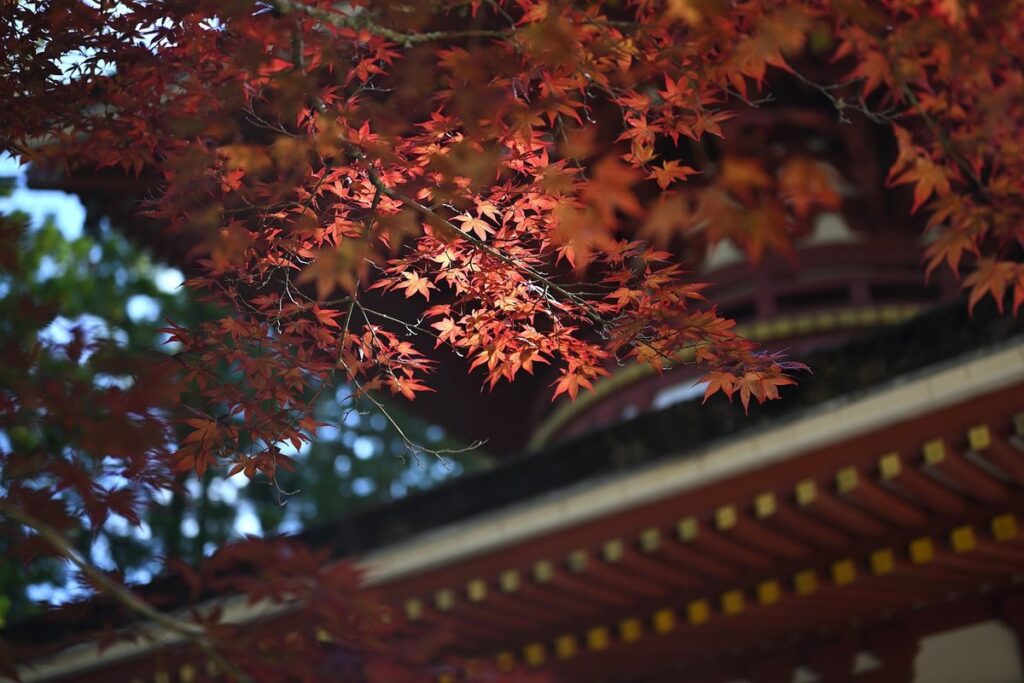
The Significance of World Heritage Sites in Japan
Japan is home to a remarkable number of World Heritage Sites, each boasting unique cultural and historical significance. Let’s take a closer look at what makes these sites so special.
Introduction to UNESCO World Heritage Designation
The UNESCO World Heritage designation process is a globally recognized standard for identifying and preserving cultural and natural heritage sites of outstanding value. To be considered for World Heritage status, a site must meet strict criteria established by the World Heritage Convention, which was adopted by UNESCO member states in 1972. These criteria focus on the site’s cultural or natural significance, as well as its integrity and authenticity.
The process begins with a nomination by the site’s country of origin, which submits a detailed dossier to UNESCO outlining the site’s significance and why it meets the World Heritage criteria. An independent advisory body, the International Union for Conservation of Nature (IUCN), then reviews the nomination to assess its technical merit. If the nomination is deemed eligible, it is inscribed on the World Heritage List, which is reviewed and updated annually by UNESCO’s World Heritage Committee.
In Japan, the World Heritage designation process has been instrumental in safeguarding the country’s rich cultural and natural heritage. By recognizing and preserving these sites, UNESCO has helped raise international awareness and support for their conservation.
Japan’s World Heritage Sites: A Brief History
Japan’s World Heritage designation began in 1993 with the recognition of the Buddhist temple complex of Horyu-ji and the Shosoin repository of treasures in Nara. This marked a significant milestone in the country’s efforts to preserve its cultural and natural heritage. The designation was a testament to Japan’s rich history and the importance of safeguarding its cultural and natural resources for future generations.
The following year, the historic city of Kyoto was designated as a World Heritage site, with its well-preserved temples and shrines, including the famous Kiyomizu-dera temple. This was a significant recognition of the city’s cultural significance and the efforts of the Japanese government to preserve its heritage.
In the years that followed, several other sites were designated as World Heritage sites, including the Hiroshima Peace Memorial Park and the Buddhist temple complex of Todai-ji in Nara. These designations brought international attention to Japan’s rich cultural and natural heritage and highlighted the importance of preserving these sites for future generations.
Japan’s Cultural World Heritage Sites
From the ancient temples of Kyoto to the majestic castles of Himeji, Japan is home to numerous Cultural World Heritage Sites that showcase its rich history and stunning architecture. Let’s take a closer look at these incredible sites.
Temples and Shrines of Kyoto
Kyoto is renowned for its numerous temples and shrines, many of which have been designated as World Heritage sites by UNESCO. Among these, Kiyomizu-dera Temple stands out as a UNESCO World Heritage site since 1994, celebrated for its wooden stage projecting over the valley below. This 17th-century temple is a testament to the city’s rich cultural heritage and spiritual significance.
Fushimi Inari Shrine, famous for its thousands of vermilion torii gates, is another iconic temple in Kyoto that has been designated as a UNESCO World Heritage site since 1994. Visitors can hike through the gates, which are arranged in a tiered fashion, to experience the serene beauty of the shrine.
Kinkaku-ji Temple, the Golden Pavilion, is another World Heritage site in Kyoto, recognized for its striking golden roof and serene garden surroundings. These temples and shrines not only showcase Kyoto’s cultural and spiritual significance but also demonstrate the city’s commitment to preserving its historical heritage.
Visitors to Kyoto can experience the tranquility and spiritual significance of these temples and shrines by attending a traditional tea ceremony or watching a geisha performance.
Himeji Castle and the Development of Japanese Castle Architecture
Himeji Castle, located in Hyogo Prefecture, is a testament to Japan’s rich cultural heritage. Constructed in the 14th century, it is one of the best-preserved castle structures in the country. The castle’s design, which features a unique white plaster exterior, was influenced by the principles of Japanese architecture, such as the use of natural materials and harmonious proportions.
The castle’s architecture has had a lasting impact on Japanese castle design. Its white plaster exterior, known as “shiroi koi,” was a departure from the traditional wooden construction of other castles. This innovative design not only added aesthetic appeal but also provided greater durability and resistance to fire. The influence of Himeji Castle’s design can be seen in many other castles throughout Japan, including Osaka Castle and Nagoya Castle.
Visitors to Himeji Castle can appreciate its architectural significance by taking a guided tour of the castle’s interior. The castle’s design has also inspired many artists and architects, who continue to draw inspiration from its unique blend of traditional and innovative design elements.
The Imperial Palace and the Preservation of Traditional Japanese Architecture
The Imperial Palace, located in the heart of Tokyo, is a testament to Japan’s rich cultural heritage. As the main residence of the Emperor, it has played a significant role in the country’s history and is now a UNESCO World Heritage site. The palace complex is a masterpiece of traditional Japanese architecture, featuring a blend of Shinto and Buddhist influences.
The Imperial Palace is particularly notable for its preservation of traditional Japanese architecture, with many of its buildings and gardens dating back to the 15th century. The palace’s main hall, Seiryo-den, is a fine example of Japanese carpentry and design, with its intricate wooden beams and shoji screens creating a sense of harmony with nature.
Efforts to preserve the palace’s traditional architecture are ongoing, with conservation teams working to restore and maintain the buildings and gardens. Visitors can explore the palace’s grounds, including the beautiful East Garden, which is a tranquil oasis in the midst of bustling Tokyo. To appreciate the palace’s significance, consider visiting during the cherry blossom season, when the gardens are particularly stunning.
Japan’s Natural World Heritage Sites
Japan is home to several breathtaking natural world heritage sites that showcase the country’s unique landscapes and geological formations. Let’s take a closer look at some of the most impressive ones.
The Ogasawara Islands: A Unique Ecosystem
The Ogasawara Islands are a group of 30 islands located over 1,000 kilometers south of Tokyo, making them one of the most remote World Heritage sites in Japan. The islands’ unique ecosystem has been shaped by their isolation, resulting in a rich biodiversity that is distinct from the rest of Japan. The islands are home to a wide range of plant and animal species, including the Bonin flying fox, which is endemic to the islands. The Ogasawara Islands’ unique biodiversity is a result of their geographical isolation, which has allowed species to evolve independently of those found on the Japanese mainland.
The Ogasawara Islands were designated a World Heritage site in 1993 due to their exceptional natural beauty and unique biodiversity. The site is managed by the Ogasawara Island Conservation Committee, which works to protect the islands’ natural resources and promote sustainable tourism. Visitors to the islands can participate in guided tours and conservation efforts, providing a unique opportunity to experience the islands’ natural beauty while also contributing to their preservation.
The Mount Fuji and Its Cultural Significance
Mount Fuji’s majestic presence has captivated artists, writers, and pilgrims for centuries. In 2013, the mountain was designated a UNESCO World Heritage site, recognizing its natural and cultural significance. The site encompasses not only the mountain itself but also its sacred forests, shrines, and traditional villages. Visitors can explore the Fuji Five Lakes region, where picturesque towns like Kawaguchi and Yamanaka offer stunning views and traditional ryokans.
The mountain’s cultural significance extends beyond its natural beauty. For centuries, Mount Fuji has been a sacred site for Shinto and Buddhist pilgrims, who climb the mountain to seek spiritual enlightenment. In 2020, over 300,000 people successfully climbed the mountain, making it one of Japan’s most popular hiking destinations. The mountain’s spiritual significance is also reflected in its numerous shrines and temples, including the famous Subashiri 5th Station, which offers breathtaking views and a chance to reflect on the mountain’s cultural heritage.
When visiting Mount Fuji, consider the best time to go: July and August offer clear views, while autumn foliage in September and October is a sight to behold.
The Natural Beauty of the Japanese Alps
The Japanese Alps, also known as the Hida Mountains, stretch across the central part of the country, covering the Nagano and Gifu prefectures. This mountain range is a treasure trove of natural beauty, with snow-capped peaks, lush forests, and picturesque valleys. The Japanese Alps have been designated as a World Heritage site since 1993, recognizing their unique cultural and natural significance.
The region is home to numerous mountain villages, each with its own distinct character and charm. Visitors can explore the traditional thatched-roof houses, try local specialties such as soba noodles and Hida beef, and experience the warm hospitality of the local people. The Japanese Alps are also a paradise for outdoor enthusiasts, with opportunities for hiking, skiing, and hot spring bathing.
The natural beauty of the Japanese Alps is not just limited to its scenery. The region is also home to a rich variety of flora and fauna, including Japanese macaques, tanuki, and numerous species of birds and flowers. The Japanese Alps are a must-visit destination for anyone interested in exploring the natural beauty of Japan.
Exploring World Heritage Sites in Japan: Tips and Recommendations
As you plan your trip to Japan, you’ll want to prioritize the country’s incredible World Heritage Sites, with their unique temples, gardens, and cultural significance. This section offers expert advice on how to experience them.
Planning Your Trip to Japan’s World Heritage Sites
When planning your trip to Japan’s World Heritage sites, timing is crucial. Peak travel season typically falls between March and May or September and November, when the weather is mild and comfortable. However, these periods also coincide with school holidays and cherry blossom season, making popular sites like Kyoto’s temples and shrines extremely crowded. If you prefer smaller crowds, consider visiting during the shoulder season, which usually takes place in April or October. These periods offer pleasant weather and fewer tourists.
To get to Japan’s World Heritage sites, you’ll likely need to use a combination of trains, buses, and walking. Many sites are within walking distance of nearby train stations, while others may require a short bus ride. For example, Himeji Castle is easily accessible by train, while the Ogasawara Islands require a ferry ride from Tokyo. Researching the best transportation options for each site will save you time and effort.
Some of Japan’s World Heritage sites are quite extensive, so plan to spend at least half a day exploring each site. For example, the temples and shrines of Kyoto’s Kiyomizu-dera complex require a full day to explore, while the Imperial Palace in Tokyo may only need a few hours.
Accommodations and Food near World Heritage Sites
When visiting Japan’s World Heritage Sites, finding accommodations and trying local cuisine can be a delightful experience. Near Kyoto’s temples and shrines, you’ll find traditional ryokans and guesthouses that offer a glimpse into Japan’s rich cultural heritage. Some notable options include the Gion Nanba Ryokan, which is located in the heart of Kyoto’s Gion district, and the Ryokan Yumura Nakamura, which offers stunning views of the surrounding mountains.
In Himeji, you can stay at the Himeji Hotel, which offers comfortable rooms and a convenient location near the castle. For a more unique experience, consider staying at the Himeji Guest House, which offers traditional Japanese rooms and a peaceful atmosphere.
When it comes to trying local cuisine, be sure to try some of Japan’s famous traditional dishes, such as kaiseki, shojin-ryori, and yudofu. These dishes are often served at ryokans and high-end restaurants near the World Heritage Sites. Some recommended restaurants include Gion Nanzenji Saryo, which serves traditional kaiseki cuisine, and Kyubey Gion, which offers high-quality sushi. Don’t forget to try some of Japan’s local specialties, such as matcha sweets and wagashi.
Responsible Tourism at World Heritage Sites
When visiting World Heritage Sites in Japan, it’s essential to respect local culture and the environment to preserve these unique destinations for future generations. To do this, be mindful of your behavior and interactions with the site, its staff, and the local community. Refrain from touching or damaging the site’s structures, artifacts, or natural surroundings. For example, avoid walking on sacred grounds or climbing on fragile architecture.
Respect local customs and traditions by dressing modestly and avoiding loud noises or disruptions. Some sites, like temples and shrines, may require visitors to remove their shoes or wear traditional clothing. Familiarize yourself with these rules and follow them to show respect.
Additionally, minimize your impact on the environment by using public transportation, reducing waste, and avoiding single-use plastics. Many World Heritage Sites in Japan offer eco-friendly accommodations and tour services that cater to environmentally conscious travelers.
When engaging with the local community, be considerate of their customs and practices. Learn a few basic Japanese phrases to show appreciation for their culture and hospitality. By adopting responsible tourism practices, you can help preserve Japan’s rich cultural heritage and natural beauty for years to come.
The Economic Impact of World Heritage Sites in Japan
The economic benefits of Japan’s World Heritage Sites are a crucial aspect of their preservation and promotion, and understanding these benefits is essential for local communities and tourism officials.
The Contribution of World Heritage Sites to Japan’s Economy
World Heritage sites in Japan attract millions of tourists each year, generating significant revenue for the local economy. According to a 2020 report by the Japanese Ministry of Economy, Trade and Industry, the total economic impact of World Heritage sites in Japan was estimated to be around 1.4 trillion yen. This figure is expected to continue growing as more tourists visit these sites.
A significant portion of this revenue comes from tourism-related activities such as accommodations, food, and transportation. For example, the city of Kyoto, which is home to numerous World Heritage sites, saw a 20% increase in tourist arrivals in 2019 compared to the previous year. This surge in tourism has led to the development of new hotels, restaurants, and shops catering to visitors.
In addition to direct economic benefits, World Heritage sites in Japan also create jobs and stimulate local economies. Many of the sites have implemented sustainable tourism initiatives, such as guided tours and eco-friendly accommodations, which not only reduce their environmental impact but also provide opportunities for local communities to participate in and benefit from tourism.
The Role of World Heritage Sites in Japan’s Tourism Industry
World Heritage sites in Japan play a significant role in attracting international visitors to the country. In 2020, a record 31.9 million tourists visited Japan, with many drawn to the country’s unique cultural and natural heritage sites. According to the Japanese government, 70% of international visitors to Japan visit World Heritage sites, highlighting their importance in the country’s tourism industry.
The city of Kyoto, home to numerous temples and shrines, is a prime example of a World Heritage site’s impact on tourism. The Fushimi Inari shrine, famous for its thousands of vermilion torii gates, attracts over 2 million visitors annually. Similarly, the historic city of Himeji, with its perfectly preserved castle, receives millions of visitors each year.
The economic benefits of World Heritage sites extend beyond the sites themselves. Local businesses, from accommodations to restaurants, benefit from the influx of tourists, with some areas experiencing significant economic growth. However, managing the impact of tourism on these sensitive sites is crucial to preserving their integrity and cultural significance.
Challenges and Opportunities for World Heritage Sites in Japan
Japan’s World Heritage sites face unique challenges, including the need for sustainable tourism practices to preserve their integrity. The influx of visitors can put a strain on these sites, leading to overcrowding, pollution, and wear and tear on the structures. For example, the famous Fushimi Inari shrine in Kyoto has struggled with the sheer number of visitors, resulting in the degradation of its famous orange torii gates.
To mitigate these effects, the Japanese government has implemented measures such as limited access, timed entry, and crowd control. However, these efforts can be challenging to enforce, especially during peak travel seasons. Moreover, the cultural and natural significance of these sites can be compromised by the construction of nearby infrastructure, such as hotels and souvenir shops, which can disrupt the natural environment and create visual pollution.
To balance tourism with preservation, visitors can adopt responsible tourism practices, such as avoiding peak seasons, respecting site rules, and supporting local businesses that prioritize sustainability. By doing so, they can help ensure the long-term protection and appreciation of Japan’s World Heritage sites.
The Future of World Heritage Sites in Japan
As we explore the stunning world heritage sites in Japan, let’s also consider the exciting developments and initiatives that are shaping their future, from preservation efforts to innovative tourism strategies.
Ongoing Conservation Efforts
Conservation efforts at Japan’s World Heritage sites are multifaceted, with a focus on both restoration and environmental initiatives. The Japanese government, in collaboration with UNESCO, has established the “World Heritage Fund” to provide financial support for conservation projects. This fund has enabled the restoration of iconic sites such as Horyu-ji Temple, a UNESCO World Heritage Site since 1993. Restoration projects often involve traditional techniques and materials to maintain the sites’ historical integrity.
Environmental initiatives are also crucial, particularly at sites like the Ogasawara Islands, which are home to a unique ecosystem. Efforts include the control of invasive species, the reintroduction of native flora and fauna, and the protection of marine habitats. Visitors can contribute to these efforts by participating in guided tours or volunteer programs that focus on conservation activities. For example, the Japanese Ministry of the Environment offers opportunities for visitors to join beach cleanups or assist with habitat restoration projects.
Some conservation efforts have been successful in improving the condition of World Heritage Sites, but challenges persist, including climate change, pollution, and over-tourism. As a visitor, it’s essential to be mindful of your impact and respect the sites’ conservation efforts.
Emerging Trends in World Heritage Site Tourism
Experiential travel and sustainable tourism practices are transforming the way visitors engage with Japan’s World Heritage Sites. One notable trend is the rise of immersive experiences, such as guided meditation sessions at temples or traditional tea ceremonies at shrines. Visitors can now participate in hands-on activities, like pottery-making or calligraphy, to deepen their understanding of Japan’s cultural heritage.
Sustainable tourism practices are also becoming increasingly important. Many World Heritage Sites are adopting eco-friendly policies, such as reducing plastic waste, promoting public transportation, and encouraging visitors to respect local environments. For example, the Horyu-ji Temple in Ikaruga, Nara, has implemented a system to reduce energy consumption by using natural light during the day.
Visitors can also look for tour operators that prioritize responsible tourism, such as those that support local communities or promote cultural exchange. Some tour operators even offer carbon offsetting options, allowing visitors to compensate for their travel-related emissions. By embracing these emerging trends, visitors can not only appreciate Japan’s World Heritage Sites but also contribute to their preservation for future generations.
Conclusion and Final Thoughts
As we reflect on the significance and beauty of Japan’s World Heritage Sites, it’s clear that their preservation and promotion are crucial for the country’s cultural and environmental heritage. The sites we’ve explored in this article – from the temples and shrines of Kyoto to the natural beauty of the Japanese Alps – are not only breathtaking examples of Japan’s unique history and culture but also essential components of the country’s identity.
To ensure the long-term conservation of these sites, ongoing efforts must continue to prioritize their preservation. This includes not only physical maintenance but also education and outreach programs to raise awareness about the importance of these sites among locals and visitors alike. Moreover, the tourism industry must be mindful of its impact on these sites and strive for responsible and sustainable practices.
Ultimately, preserving and promoting Japan’s World Heritage Sites is not only a matter of cultural and environmental significance but also an economic one. By investing in the preservation and promotion of these sites, Japan can not only protect its cultural and natural heritage but also boost its economy through sustainable tourism.
Frequently Asked Questions
Can I visit all 23 UNESCO World Heritage sites in Japan in one trip?
Yes, it’s possible to visit multiple World Heritage sites in one trip, but it’s essential to prioritize the sites that are most important to you and plan your itinerary carefully. Consider focusing on a specific region, such as Kyoto or the Japanese Alps, to make the most of your time.
How can I support the conservation efforts at Japan’s World Heritage sites?
Many World Heritage sites in Japan offer opportunities for visitors to participate in conservation efforts, such as volunteering for restoration projects or supporting local communities through sustainable tourism practices. Research the specific site you’re interested in visiting and look for ways to get involved.
What if I want to visit a World Heritage site during peak season but can’t get tickets?
Some World Heritage sites in Japan, like Fushimi Inari, can get very crowded during peak season. Consider visiting early in the morning or later in the evening to avoid the crowds. Additionally, some sites offer online ticketing or guided tours that can help you skip the lines.
Can I use public transportation to get to World Heritage sites in Japan?
Yes, Japan has an excellent public transportation system, and it’s relatively easy to get to most World Heritage sites using trains, buses, or subways. Research the best route to your destination and consider purchasing a Japan Rail Pass or other transportation cards to make your journey more convenient.
How can I respect local customs and traditions when visiting World Heritage sites in Japan?
Japan is known for its rich cultural heritage, and visitors are expected to show respect for local customs and traditions. Be mindful of dress codes, remove your shoes when necessary, and avoid taking pictures of people or sacred areas. Additionally, learn a few basic Japanese phrases, such as “konnichiwa” (hello) and “arigatou” (thank you), to show your appreciation for the local culture.