As you explore the world of energy healing, you may have come across the term “yellow chakra,” but do you know its true significance? The yellow chakra, often associated with personal power and self-expression, holds a profound impact on our confidence and self-esteem. When balanced, it can radiate warmth and positivity, illuminating our path to success and happiness. However, when stagnant or blocked, it can lead to feelings of insecurity and inadequacy. In this article, we’ll delve into the meaning behind the yellow chakra and how working with its energy can transform your life. We’ll explore practical techniques and practices that will help you unlock your full potential, boost your personal power, and cultivate a more balanced and confident you, leading to a more radiant and fulfilling life.
Understanding the Basics of Chakras
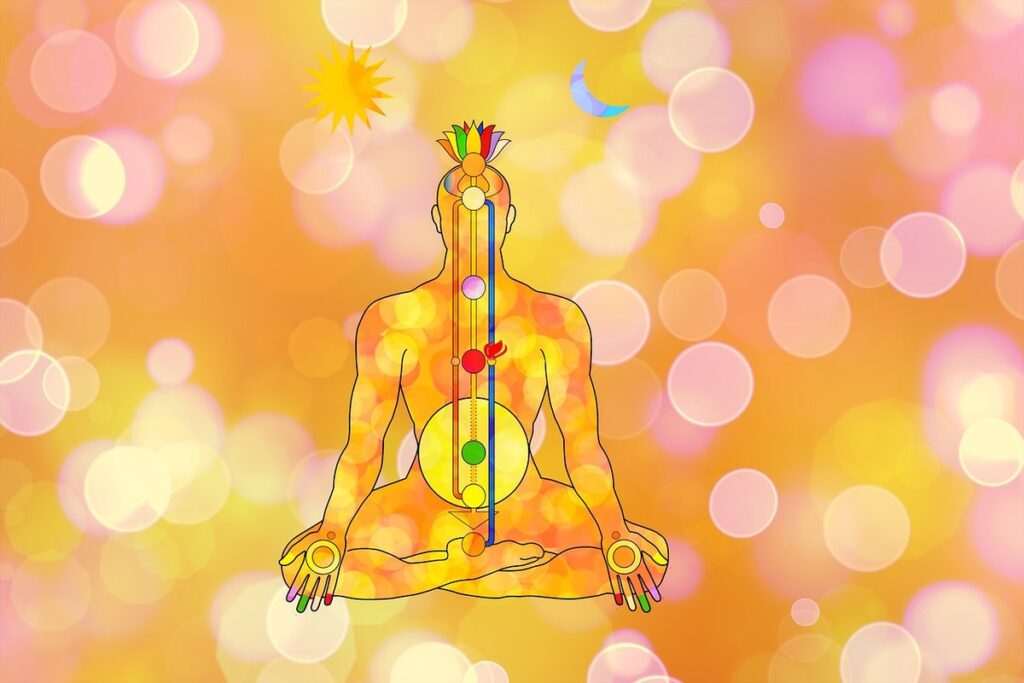
To truly grasp the significance of the yellow chakra, it’s essential to understand its role and function within our energy system, which is comprised of seven main chakras. Let’s start by exploring the basics of these energetic centers.
What are Chakras?
Chakras are energy centers within the human body, responsible for governing various aspects of our physical and emotional well-being. The concept of chakras is rooted in ancient Eastern spiritual traditions, where it’s believed that these energy points connect us to a universal life force. In the context of energy healing, chakras are seen as key locations for balancing and aligning our energy to promote overall health and harmony.
There are seven major chakras, each corresponding to specific regions of the body and associated with distinct qualities, emotions, and characteristics. The root chakra is located at the base of the spine, while the crown chakra is situated at the top of the head. Each chakra has its own unique frequency, color, and role in our overall being.
In energy healing practices, chakras are often viewed as spinning wheels or vortexes that channel and regulate life force energy. When a chakra becomes imbalanced or blocked, it can lead to physical, emotional, or mental issues. Practitioners use various techniques, such as meditation, breathwork, and sound healing, to clear blockages and restore balance to the chakras. This understanding of chakras serves as a foundation for exploring the significance of the yellow chakra in particular, which is the focus of this article.
Introduction to the Seven Chakras
Each of the seven chakras is a unique energy center within our body, connected to specific aspects of our being. The first three chakras – Root, Sacral, and Solar Plexus – are located in the lower torso. The Root Chakra at the base of the spine governs feelings of safety and grounding, while the Sacral Chakra above it is associated with creativity and emotional expression. The Solar Plexus Chakra, corresponding to the color yellow, is situated just below the ribcage and relates to personal power, self-esteem, and willpower.
The next three chakras – Heart, Throat, and Third Eye – are positioned in the upper torso. The Heart Chakra, linked with green energy, represents love, compassion, and empathy. The Throat Chakra, associated with blue energy, is responsible for communication and self-expression. Finally, the Third Eye Chakra at the center of the forehead is connected to intuition, insight, and perception.
The crown chakra, positioned at the top of the head, is linked with violet energy and represents spiritual awareness and connection to a higher power. Each chakra has its unique characteristics, associations, and functions, influencing various aspects of our lives. Understanding these energy centers provides a solid foundation for exploring the significance of the yellow chakra in energy healing practices.
The Significance of Yellow Chakra
Understanding the significance of yellow chakra is key to unlocking its potential for energy healing, and it’s essential to explore its core meaning and purpose. Let’s examine how this powerful vibration impacts our lives.
Characteristics of the Solar Plexus Chakra
The solar plexus chakra is located just above the navel, typically around the level of the ribcage. It’s a slightly rounded shape, often visualized as a bright yellow or orange color in meditation and energy healing practices. This third energy center from the base up is associated with our sense of personal power, self-esteem, and willpower.
In terms of size, the solar plexus chakra spans about 2-3 inches in diameter and is positioned near several key organs, including the pancreas, stomach, small intestine, and gallbladder. Its proximity to these digestive organs highlights its connection to our metabolism, appetite, and nutrient absorption. The solar plexus chakra’s role in influencing digestion can be seen in individuals who experience emotional or psychological stress, leading to physical symptoms like bloating or irritable bowel syndrome.
When the solar plexus chakra is balanced, we tend to feel confident and assertive, with a strong sense of identity and purpose. However, when it becomes blocked or stagnant, we may struggle with self-doubt, anxiety, or an inability to set healthy boundaries in our relationships. Recognizing the characteristics of the solar plexus chakra can help us better understand its significance in energy healing practices and how to approach balancing this important energy center.
Emotions and Thoughts Associated with Yellow Chakra
Confidence and self-esteem are deeply connected to the yellow chakra. When this energy center is balanced, you feel empowered to take risks and assert yourself with confidence. On the other hand, when it’s blocked or imbalanced, you may struggle with feelings of inadequacy, low self-worth, or a lack of personal power.
The thoughts associated with yellow chakra can be just as telling. People with strong connections to this energy often possess a clear sense of purpose and direction in life. They’re confident in their abilities and are more likely to set goals and work towards achieving them. In contrast, those who struggle with self-doubt or lack motivation may feel stuck or uncertain about their path forward.
It’s essential to recognize that willpower is also linked to the yellow chakra. When this energy is strong, you’re better equipped to make decisions, resist negative influences, and stay focused on your goals. Practically speaking, cultivating a positive relationship with your yellow chakra can involve activities like affirmations, meditation, or physical exercise that help build confidence and self-esteem. By acknowledging and addressing these emotions and thoughts, you can begin to unlock the full potential of this energy center.
The Meaning of Yellow Chakra in Different Cultures
Yellow chakra meaning varies across different cultures, where it’s often associated with sunshine and optimism. Let’s explore how its significance is perceived in various parts of the world.
Historical Context: Ancient Civilizations and Their Views on Yellow
In ancient civilizations, yellow was often revered as a sacred color associated with spiritual practices. For example, in ancient Egypt, yellow was linked to the sun god Ra, representing power and energy. The Egyptians also used yellow in their headdresses and clothing to symbolize royalty and nobility.
In ancient India, the Vedic tradition associated yellow with the solar plexus chakra, just like modern energy healing practices do today. However, the Vedic understanding of yellow was closely tied to the concept of agni, or fire, which represented purification and transformation.
The ancient Greeks also had a significant connection with yellow, as it was linked to the goddess Demeter, who presided over agriculture and fertility. The Greek philosophers saw yellow as a symbol of warmth and illumination.
Interestingly, many ancient cultures believed that yellow possessed healing properties. For instance, in some African traditions, yellow was used in rituals to promote physical and emotional well-being. While these historical examples are diverse and far-reaching, they all share a common thread – the revered status of yellow as a color imbued with spiritual significance.
Influence of Eastern Traditions on Modern Energy Healing
Eastern traditions have played a significant role in shaping the modern understanding of yellow chakra in energy healing. Hinduism and Buddhism, two prominent Eastern philosophies, have contributed to the concept of the solar plexus chakra as we know it today. In Hinduism, the Manipura chakra is associated with personal power, self-expression, and spiritual growth. This concept has been adopted in modern energy healing practices, where the yellow chakra is seen as a center for confidence, willpower, and creativity.
Buddhism’s emphasis on mindfulness and inner balance also resonates with the principles of the yellow chakra. Buddhist teachings stress the importance of cultivating self-awareness and inner strength to overcome life’s challenges. This aligns with the modern understanding of the yellow chakra as a center for personal growth and emotional resilience. As energy healing practices continue to evolve, Eastern traditions remain an integral part of their foundation. By drawing from these philosophies, practitioners can tap into the rich cultural heritage that underlies the concept of the yellow chakra.
Balancing and Activating the Yellow Chakra
Now that you’ve learned about the meaning and significance of the yellow chakra, let’s explore how to balance and activate it for optimal well-being. This process involves cultivating self-expression, confidence, and inner light.
Techniques for Balancing the Solar Plexus Chakra
Balancing the solar plexus chakra requires a combination of physical postures, breathwork, and visualization techniques. One effective approach is through yoga practices, such as the “Boat Pose” or “Kapalabhati Breath,” which help to stimulate the digestive system and energize the solar plexus area.
Meditation can also be used to calm the mind and balance the energies of the solar plexus chakra. Focus on your breath, visualizing a bright yellow light at the center of your chest, slowly filling up with each inhale, and radiating outward with each exhale.
Visualization techniques involve imagining scenarios that evoke feelings of self-confidence and empowerment, such as standing tall on a mountain peak or speaking confidently in front of an audience. This helps to reprogram the subconscious mind and balance the energies of the solar plexus chakra.
Breathwork practices like “Sama Vritti” (Equal Breathing) can also help calm the nervous system and balance the solar plexus energy. To try this, sit comfortably with your back straight and focus on breathing in and out through your nose, keeping each inhale and exhale equal in length. Regular practice of these techniques can lead to increased self-confidence, improved digestion, and a greater sense of personal empowerment.
Overcoming Blocks in Personal Growth through Yellow Chakra Work
Working with the yellow chakra can facilitate personal growth by releasing emotional blockages and promoting self-awareness. This process often begins with identifying areas where you may be holding onto negative emotions such as anger, resentment, or fear.
To release these blockages, try using a visualization technique that involves imagining a bright light entering through the solar plexus area. As this light flows, envision it dissolving any stagnant energy and promoting a sense of calm and clarity.
Another approach is to use affirmations specifically targeted at the yellow chakra, such as “I trust myself” or “I am worthy of respect.” Repeat these phrases while placing your hands on the solar plexus area, allowing the words to sink deeply into your being.
Working with Yellow Chakra in Daily Life
Now that we’ve explored the meaning and significance of yellow chakra, let’s learn how to integrate its energizing properties into our daily lives for a more balanced and radiant being. We’ll explore practical ways to align with this uplifting energy.
Applying Yellow Chakra Principles in Relationships
When interacting with others, applying yellow chakra principles can greatly enhance the quality of personal relationships. This involves setting and maintaining healthy boundaries, which is often a challenge for those who struggle with assertiveness. The solar plexus chakra governs self-expression and confidence, so cultivating these traits through practices like meditation or yoga can help you communicate more effectively.
To express yourself confidently in relationships, focus on using “I” statements instead of making accusatory claims. This helps to avoid blame and defensiveness, allowing for more open and honest communication. For instance, saying “I feel overwhelmed when you don’t respond promptly to my messages” is more productive than “You never respond to me.” Be specific about your needs and feelings, rather than generalizing or making assumptions.
Prioritize self-care and take time to recharge when needed. This can involve setting aside alone time each day or scheduling regular breaks from social interactions. By prioritizing your own well-being, you’ll be better equipped to navigate complex relationships and maintain a sense of emotional resilience.
Using Yellow Chakra Energy for Career Development
When cultivating a strong sense of self-worth and confidence, it’s essential to integrate these qualities into professional settings. By applying yellow chakra principles to career development, you can unlock personal and professional growth. To start, set clear goals that align with your values and passions, rather than external expectations. This helps build self-trust and motivation.
Incorporate activities that nourish your solar plexus energy throughout the day. These might include taking a daily walk in nature, practicing deep breathing exercises, or engaging in creative pursuits. Prioritize tasks that allow you to express your skills and talents, as this reinforces feelings of competence and confidence.
To achieve success, focus on building self-awareness rather than trying to fit into someone else’s mold. Identify areas where you may be compromising your values or energy, and make adjustments accordingly. This might involve re-evaluating a job or career path, or establishing boundaries in the workplace. By aligning your actions with your inner compass, you can create a more authentic and fulfilling professional life that honors your yellow chakra’s influence.
Advanced Concepts: Integrating Yellow Chakra with Other Practices
Now that you’ve learned about the significance of yellow chakra, let’s explore how to integrate it with other practices for a more holistic approach. We’ll examine key combinations and applications.
Combining Yellow Chakra Work with Other Energy Healing Modalities
Combining yellow chakra work with other energy healing modalities can be a powerful way to enhance its effectiveness. When integrated with sound healing, for instance, the vibrational frequencies of certain sounds can resonate deeply with the solar plexus chakra’s energy. Using tones and notes that correspond to the heart or sacral chakras, such as the note ‘C’ or the Om mantra, can help activate and balance the yellow chakra.
Reiki, another popular modality, can also be combined with yellow chakra work for amplified results. By laying hands on or above the solar plexus area during a Reiki treatment, practitioners can channel the flow of ki energy to nourish and revitalize the yellow chakra. Similarly, incorporating elements from other energy healing modalities like qigong, tai chi, or breathwork can help deepen the practice.
When combining multiple modalities, it’s essential to set clear intentions for what you want to achieve in your session. This might involve specifying which areas of life – relationships, career, personal growth – you’d like to focus on with your yellow chakra work.
The Role of Intention in Working with Yellow Chakra
When working with yellow chakra energy, intention plays a crucial role in amplifying its effects and achieving desired outcomes. Clear intentions serve as a blueprint for how you want to interact with the yellow chakra’s energies, influencing what aspects of yourself and your life are addressed during a session.
Crafting effective intentions involves specificity and concision. Avoid vague statements that may confuse or dilute the energy. Instead, define precise goals, such as “to release self-doubt” or “to boost confidence in public speaking.” Be mindful of tone and focus on positive affirmations rather than what you want to eliminate.
To maintain focus during intentional practice with yellow chakra energy, establish a conducive environment by eliminating distractions and setting aside dedicated time for the exercise. You can also use visualization techniques to reinforce your intentions, picturing yourself successfully overcoming challenges or achieving desired states.
When working with yellow chakra, remember that intention is not a one-time event but an ongoing process. Regularly revisit and refine your intentions as you navigate through personal growth and development, allowing your understanding of the yellow chakra’s significance to evolve alongside your practice.
Conclusion and Final Thoughts
The significance of the yellow chakra in energy healing extends beyond its association with personal growth and self-expression. By understanding the role of this energy center, individuals can cultivate a deeper sense of purpose and meaning in their lives. To integrate the lessons of the yellow chakra into daily practice, it’s essential to acknowledge areas where one may be stuck or stagnant. This might involve setting realistic goals, engaging in creative pursuits, or embracing spontaneity. By doing so, we begin to unlock our full potential and align with the radiant energy that yellow represents.
Practicing self-awareness and emotional intelligence also plays a crucial role in harnessing the power of the yellow chakra. Regularly taking time for introspection, journaling, or meditation can help us tune into our thoughts and emotions, allowing us to respond rather than react to life’s challenges. By embracing this mindset, we become more resilient and better equipped to handle adversity.
Frequently Asked Questions
What if I’m already feeling confident and self-assured – can working with the yellow chakra still benefit me?
Working with the yellow chakra can help you refine your confidence and self-assurance by allowing you to pinpoint and address any underlying emotional blockages that might be hindering your personal growth. This practice can also enhance your ability to navigate complex situations, maintain healthy boundaries, and express yourself authentically.
How do I know if my yellow chakra is imbalanced or blocked, and what are the signs of a balanced solar plexus energy center?
You may experience symptoms such as anxiety, self-doubt, or an inability to assert yourself in situations where you need to. A balanced yellow chakra typically manifests as increased confidence, improved decision-making abilities, and enhanced emotional resilience.
Can I use yellow chakra practices for personal growth without having a meditation or yoga background?
Yes, many energy healing techniques can be adapted for those new to meditation and yoga. You can start by incorporating simple visualization exercises, deep breathing practices, or journaling activities that focus on cultivating self-awareness and building confidence.
Is it possible to work with the yellow chakra in combination with other chakras, like the heart or root chakras?
Yes, integrating multiple energy centers can amplify the effects of your practice. For example, balancing the heart and solar plexus chakras together can foster deeper self-love and acceptance while also enhancing personal power.
What if I’m experiencing physical symptoms associated with an imbalanced yellow chakra – will working with this energy center alleviate these issues?
Yes, by addressing emotional blockages in your solar plexus energy center, you may experience a reduction or resolution of physical symptoms like digestive problems, anxiety-induced pain, or fatigue. However, it’s essential to consult with a healthcare professional for proper diagnosis and treatment.