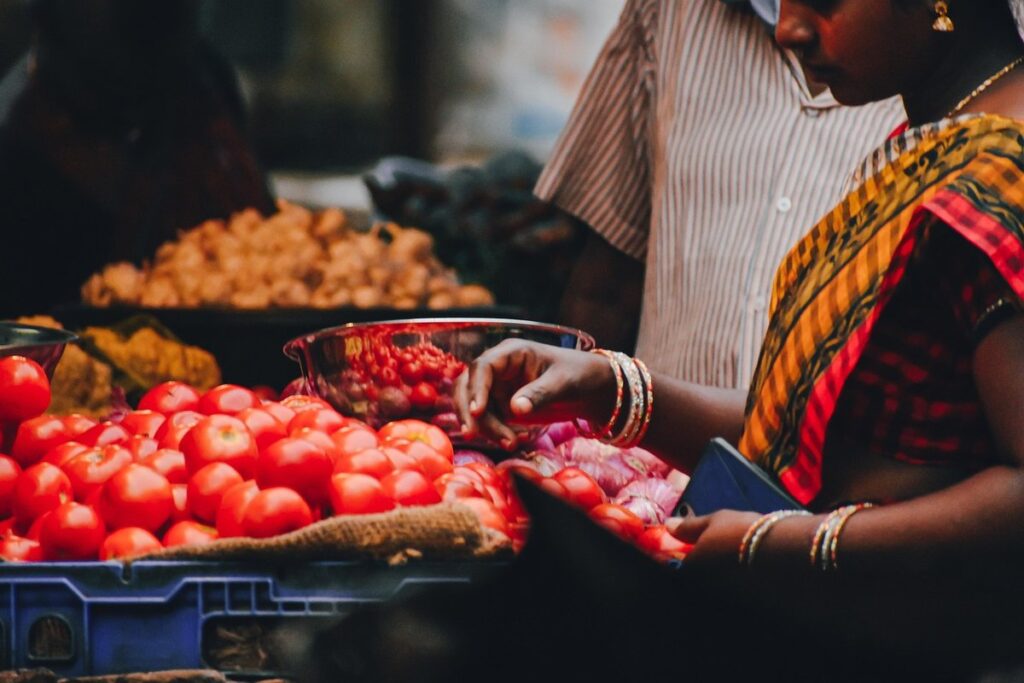
Living in harmony with your community is a key factor in achieving happiness and well-being. Yet, many of us overlook the importance of embracing our local culture, traditions, and environment. We get caught up in our daily routines and forget to engage with those around us, neglecting the rich experiences that can be found right on our doorstep. By doing so, we miss out on opportunities to build meaningful relationships, support local businesses, and promote sustainability. In this article, you’ll learn how to cultivate a deeper connection with your community by exploring its unique culture, participating in local traditions, and living in harmony with the environment.

Embracing the Local Culture
Immerse yourself in the daily routines and traditions of your community by attending local festivals, trying street food from vendors, and engaging with the people who call this place home. This is where true connection happens.
Understanding the Importance of Community Engagement
Community engagement is a vital component of a happy and fulfilling life. When you’re connected to your community, you feel a sense of belonging and purpose. This connection fosters trust among neighbors, promoting social cohesion and making it easier to rely on one another for support.
Participating in local events is an excellent way to engage with your community. From farmers’ markets to parades, these gatherings provide opportunities to meet new people and get involved in activities that benefit the area. Joining community groups or clubs related to your interests is also a great way to meet like-minded individuals and contribute to a shared goal.
Volunteer work is another vital aspect of community engagement. Not only do you gain a sense of fulfillment, but you also help address local needs and make a tangible impact on your neighborhood. Consider participating in park cleanups, food drives, or other initiatives that align with your values.
By getting involved in these activities, you’ll not only build connections but also develop a deeper understanding of the local culture and its nuances. This, in turn, will help you navigate everyday life more effectively and appreciate the unique aspects of your community.
Discovering Local Traditions and Customs
When immersing yourself in a new community, it’s essential to discover its unique customs, traditions, and practices. Every region has its distinct cultural nuances, shaped by history, geography, and social dynamics. For instance, in some cities, you might encounter vibrant street festivals celebrating local saints or patronage days. In others, you’ll find ancient rituals performed during harvest seasons.
Understanding and respecting these cultural norms can greatly enrich your experiences and relationships with the locals. A simple gesture like attending a community event or participating in a traditional dance can help break the ice and build connections. Moreover, embracing local customs can also provide valuable insights into the community’s values and history. For example, visiting a local market on a specific day of the week to buy fresh produce is not only a great way to shop but also an opportunity to engage with vendors who have been there for generations.
To discover local traditions and customs, start by observing your surroundings, talking to long-time residents, and attending community events. Be respectful, open-minded, and patient, and you’ll find that the locals will welcome you with open arms.
Navigating Local Slang and Idioms
Local colloquialisms can be a minefield for newcomers. A phrase like “fancy a cuppa” might sound innocuous, but its meaning is far from straightforward. To decipher local slang and idioms effectively, start by paying attention to the company you keep. Observe how locals use language in everyday conversations – what words do they favor, and when? Note that some phrases are used as a way of being friendly or inviting, while others can be quite blunt.
It’s essential to understand the historical context behind certain colloquialisms. For example, the phrase “gutted” has nothing to do with one’s stomach but rather refers to disappointment or sadness. Learning the origin story can help you grasp its meaning more accurately. Another crucial aspect is body language and tone of voice. A raised eyebrow or a drawling tone might indicate that someone is being sarcastic.
Here are some tips for using local slang and idioms correctly:
- Start with the basics: learn common expressions like “How’s it going?” or “Cheers.”
- Listen to locals’ conversations, either in person or on podcasts/radio shows.
- Be mindful of cultural nuances – what might be acceptable in one community could be considered rude elsewhere.
- Use your best judgment when trying out new phrases; if you’re unsure, ask someone for clarification.
Creating a Sense of Belonging
Building strong relationships with your neighbors and community members is key to feeling at home, and it all starts with being open to new connections. By putting yourself out there, you’ll be amazed at how quickly a sense of belonging can grow.
Building Meaningful Relationships
Forming strong connections with those around you is a vital part of creating a sense of belonging in your community. When you have meaningful relationships with neighbors, colleagues, and fellow community members, you’re more likely to feel supported, valued, and like you truly belong. However, building these connections can be daunting, especially if you’re introverted or new to the area.
One strategy for breaking down barriers is to get involved in local activities and events that interest you. Join a book club, attend a neighborhood potluck dinner, or volunteer for a community project. These settings allow you to meet like-minded people and build relationships in a relaxed atmosphere. Be open-minded and willing to step out of your comfort zone – you might be surprised by the connections you make.
To overcome shyness, start small. Begin with brief interactions, such as striking up a conversation with a neighbor while walking their dog or chatting with a colleague during breaks at work. As you become more comfortable, you can gradually deepen these relationships and explore shared interests. Remember that building meaningful relationships takes time, effort, and patience – but the rewards are well worth it.
Finding Your Niche in the Community
Finding a niche within your community can be as simple as exploring local events and activities. Attend concerts, festivals, or farmers’ markets to meet like-minded individuals who share your passions. Joining a book club, sports team, or volunteer group can also provide opportunities to connect with others who value the same things you do.
To discover groups that align with your interests, start by observing what’s happening in your community. Look for flyers posted around town, check local online forums or social media groups, and ask friends and neighbors about their favorite activities. Many communities offer free or low-cost classes, workshops, or meetups that can help you find a niche.
For example, if you’re an avid gardener, look into local gardening clubs or community gardens where you can share tips and learn from others. If you’re passionate about cooking, join a cooking class or food co-op to connect with fellow foodies. The key is to be open to trying new things and willing to step out of your comfort zone.
By finding activities that bring you joy and connecting with like-minded individuals, you’ll start to feel more at home in your community and develop a sense of purpose.
Embracing the Local Environment
Appreciating the natural surroundings is a crucial aspect of embracing the local environment. When you take the time to understand and protect the land around you, it fosters a deeper connection with your community and promotes a sense of well-being.
To start, participate in environmental initiatives such as local clean-up events or tree-planting programs. These activities not only help maintain the aesthetic appeal of your neighborhood but also contribute to a healthier ecosystem. You can also get involved in initiatives that promote sustainable living, like reducing plastic use or implementing composting systems in public spaces.
Developing a deeper understanding of the local ecosystem is equally important. Take time to explore nearby parks and nature reserves, observe the local wildlife, and learn about the unique geological features of your area. This will not only enrich your knowledge but also encourage you to adopt environmentally friendly habits in your daily life. For instance, you can choose local businesses that prioritize sustainability or support community-led conservation projects. By embracing the natural surroundings, you’ll find yourself more connected to your community and better equipped to live a happy and balanced life.
Exploring Local Cuisine and Drink
As you wander through a local market, the sights and smells of authentic dishes and drinks are sure to tantalize your taste buds. Let’s take a closer look at some of these culinary delights.
Uncovering Hidden Gems: Local Restaurants and Cafes
Venture into the unmarked side streets and explore the local eateries, cafes, and food trucks that serve as the heartbeat of the community. These hidden gems offer a unique dining experience that’s often overlooked by tourists and locals alike. To discover new flavors, try authentic dishes, and support local businesses, follow these insider tips.
Start by asking locals for recommendations – they’ll point you to the best-kept secrets in town. Look for eateries with chalkboard menus or handwritten signs; these often indicate a focus on fresh, locally sourced ingredients. Visit during off-peak hours to experience the authentic atmosphere and meet the owners who are passionate about their craft.
Some popular options include food trucks that specialize in fusion cuisine, family-owned cafes serving traditional dishes passed down through generations, and farm-to-table restaurants showcasing local produce. By supporting these businesses, you’re not only treating your taste buds but also contributing to the community’s economic vitality. Be adventurous, be open-minded, and indulge in the flavors that make this place special – it’s a culinary journey waiting to happen.
The Art of Cooking with Local Ingredients
Using locally sourced ingredients is a simple yet effective way to connect with your community. Start by incorporating fresh produce from local farmers’ markets into your meals. Visit these markets regularly to develop relationships with vendors and learn about the best seasonal offerings. For instance, ask the vendor what’s particularly ripe this week or how they recommend preparing a certain vegetable.
When cooking with locally sourced ingredients, consider the seasons and plan your meals accordingly. Take advantage of summer’s abundance of corn and tomatoes by grilling them as part of a simple salad. In winter, focus on hearty root vegetables like carrots and beets.
A great technique to try is roasting – it brings out the natural sweetness in many local ingredients. For example, roast sliced apples from a nearby orchard with some olive oil, salt, and pepper for a delicious side dish. Experimenting with different cooking techniques will help you appreciate the unique flavors of your community’s produce.
To get started, try substituting one or two locally sourced ingredients into your favorite recipes each week. This will not only support local farmers but also add variety to your meals.
Discovering Local Brews and Wines
When exploring local brews and wines, you’ll often discover a thriving craft beer and wine scene that’s deeply rooted in community. Local breweries and wineries are not only passionate about producing unique flavors but also invested in sharing their processes with visitors. By supporting these establishments, you’re not only sampling exceptional drinks but also contributing to the local economy.
A great way to experience the local brews and wines is by visiting the brewery or winery itself. Many offer tours that give you a behind-the-scenes look at how they craft their products. You might learn about the specific ingredients used, the brewing or fermentation process, and even get to see the equipment up close. This level of transparency and passion for their work is often reflected in the final product.
Some notable examples of local brews and wines include:
- A small-batch IPA that’s brewed with locally sourced hops
- A rich Merlot made from grapes grown in a nearby vineyard
- A craft cider infused with unique flavors like berries or spices
When sampling local brews and wines, be sure to ask the staff about their recommendations. They often have insider knowledge on the best pairings, seasonal offerings, and limited-edition releases. By engaging with the local community behind these drinks, you’ll not only develop a deeper appreciation for the products but also contribute to the continued growth and success of your local way of life.
Navigating Local Challenges
Living in a community comes with its own set of unique challenges, from noisy neighbors to congested streets. We’ll explore some practical tips for overcoming these obstacles and finding peace in your local environment.
Understanding Socioeconomic Disparities
Socioeconomic disparities often manifest as stark contrasts between affluent neighborhoods and underserved communities. One root cause of these disparities is unequal access to quality education and job opportunities. In many areas, residents from lower-income backgrounds face significant barriers when trying to secure stable employment or advance their careers.
Initiatives addressing socioeconomic inequality include programs that provide vocational training, mentorship, and workforce development. For example, some organizations partner with local businesses to create apprenticeships for at-risk youth, equipping them with the skills needed to compete in the job market. Another strategy involves community land trusts, which allow residents to purchase homes at below-market rates, fostering homeownership among low-income families.
In addition to these targeted efforts, communities can also benefit from inclusive zoning policies and urban planning strategies that prioritize affordable housing and mixed-use development. By promoting diverse, walkable neighborhoods with accessible amenities, cities can help mitigate the effects of socioeconomic disparities and create more equitable environments for all residents.
Addressing Mental Health Concerns
Living in a local community can be both rewarding and challenging. For many individuals, the pressures of everyday life can take a toll on mental health. In small towns and cities alike, people may struggle with feelings of isolation, anxiety, or depression due to factors such as limited job opportunities, social isolation, or economic stress.
To address these concerns, it’s essential to build a support network. This can start with joining local community groups, clubs, or volunteering for causes you’re passionate about. By doing so, you’ll not only meet like-minded individuals but also contribute positively to your community.
When accessing resources, consider reaching out to local mental health organizations, non-profits, or healthcare providers that offer affordable services. They can connect you with therapists, support groups, or online counseling platforms.
Prioritizing self-care is also crucial. Engage in activities that bring you joy and help manage stress levels. This could be anything from practicing yoga, walking through local parks, or simply taking a break to enjoy a cup of coffee at your favorite café. By acknowledging the importance of mental health and taking proactive steps, individuals can better navigate the unique pressures of local life.
Overcoming Urbanization and Traffic Congestion
Urbanization has transformed the face of many local communities worldwide. The rapid influx of people has put a strain on infrastructure and transportation systems, leading to traffic congestion and decreased quality of life for residents. For instance, cities like Tokyo and New York struggle with overcrowding, while developing countries like India face massive migration challenges.
To navigate traffic congestion, consider embracing alternative modes of transport, such as walking or cycling. Many cities have created dedicated bike lanes and pedestrianized streets to promote sustainable transportation options. Additionally, explore the benefits of car-sharing services or public transit systems that can significantly reduce the number of cars on the road.
Preserving green spaces within urban areas is also crucial for mitigating traffic congestion and improving air quality. Cities like Singapore and Copenhagen have implemented innovative green roofs and vertical gardens to maximize space while minimizing environmental impact. By prioritizing sustainable transportation options and preserving natural habitats, residents can enjoy a more liveable community with better overall well-being.
Cultivating a Local Mindset
As you begin to immerse yourself in your community, it’s essential to cultivate a mindset that values connection and contribution over consumption. This shift in perspective is where true fulfillment lies.
Embracing Flexibility and Adaptability
Embracing flexibility and adaptability is essential when living in a new or unfamiliar location. It allows you to navigate local customs with ease, learn from mistakes, and thrive in an ever-changing environment. One strategy for adjusting to local ways is to approach situations with an open mind, even if they seem foreign or intimidating at first.
For instance, in many cultures, direct communication styles are more prevalent than indirect ones. As a newcomer, it may take some time to adjust to this difference, but being willing to listen and adapt can lead to deeper connections with locals. When mistakes occur – and they inevitably will – try not to get stuck on them. Instead, use those moments as opportunities to learn and grow.
Consider the example of trying new foods or drinks when traveling. Initially, it may be unpleasant, but embracing the unfamiliar often leads to discovery and appreciation for local flavors. Similarly, in your daily life, practice saying yes to new experiences, even if they push you out of your comfort zone. This mindset shift can help you become more resilient and better equipped to handle the challenges that come with living locally.
Fostering a Growth Mindset
Adopting a growth mindset is essential for thriving in a local community. This perspective acknowledges that challenges and setbacks are opportunities for growth, rather than threats to one’s ego. When faced with uncertainty, individuals with a growth mindset view failures as stepping stones to success, not reflections of their worth.
They approach problems with curiosity and an openness to learning, recognizing that the solution often lies outside their comfort zone. By embracing this mindset, you can build resilience in the face of adversity and develop the ability to adapt to changing circumstances. This is particularly valuable in local communities where resources may be limited and challenges are inherent.
To cultivate a growth mindset, practice self-awareness by acknowledging areas where you need improvement. Seek out diverse perspectives from fellow community members, and be willing to take calculated risks to challenge yourself. Focus on progress rather than perfection, and view setbacks as opportunities for growth. By doing so, you’ll become more adept at navigating life’s challenges and cultivating personal growth in the process.
Celebrating Local Achievements
Local heroes often fly under the radar, but their contributions are what truly make a community thrive. You can find them through local newspapers, community newsletters, and social media groups dedicated to sharing stories of positive change. For instance, there was Emma, who founded a non-profit that provided free meals to seniors in her neighborhood. Her initiative not only brought people together but also created a sense of security for those who were struggling.
Other inspiring examples include entrepreneurs like Rachel, who started a small business that sourced products from local artisans and helped them reach a wider audience. Then there are activists like Carlos, who organized community clean-ups and raised awareness about environmental issues affecting the area. You can find similar stories by attending town hall meetings, joining volunteer groups, or simply striking up conversations with your neighbors.
To celebrate these local achievements, consider hosting a community event to recognize their efforts. This could be as simple as organizing a potluck dinner or planning a festival to honor the community’s unsung heroes. By acknowledging and celebrating their contributions, you not only boost morale but also create a ripple effect that inspires others to get involved.
Frequently Asked Questions
What if I’ve been living in my community for years and still don’t feel like I belong?
Living in a place for an extended period doesn’t necessarily mean you’ll automatically feel a sense of belonging. It’s common to feel disconnected from your community, especially if you’re introverted or have had limited social interactions. Start small by attending local events, joining online groups related to your interests, and engaging with your neighbors. Be patient and focus on building meaningful relationships one step at a time.
How can I balance my desire for sustainability with the need to fit in with local customs?
It’s possible to prioritize sustainability while still respecting local traditions. For instance, if you’re new to an area, research the environmental impact of certain practices and adapt accordingly. You might also consider joining community initiatives that promote eco-friendly habits, which can help you connect with like-minded individuals.
Can I really make a difference in my community by supporting local businesses?
Absolutely! Supporting local businesses contributes significantly to your community’s well-being. By shopping at locally owned stores, dining at independent restaurants, and using services provided by neighborhood professionals, you’re helping to create jobs, stimulate economic growth, and foster a sense of community pride.
What if I’m struggling to connect with my neighbors due to language barriers or cultural differences?
Don’t let language barriers or cultural differences discourage you from building connections with your neighbors. Start by learning a few basic phrases in the local language and being open-minded about different customs. You might also consider joining a community group focused on cultural exchange, which can provide opportunities for meaningful interactions.
How do I prioritize self-care when faced with mental health challenges in my community?
Addressing mental health concerns requires prioritizing your own well-being alongside supporting your community. Engage in activities that bring you joy and help manage stress, such as exercise, meditation, or creative pursuits. Seek professional guidance from therapists or counselors who are familiar with local resources and support networks.