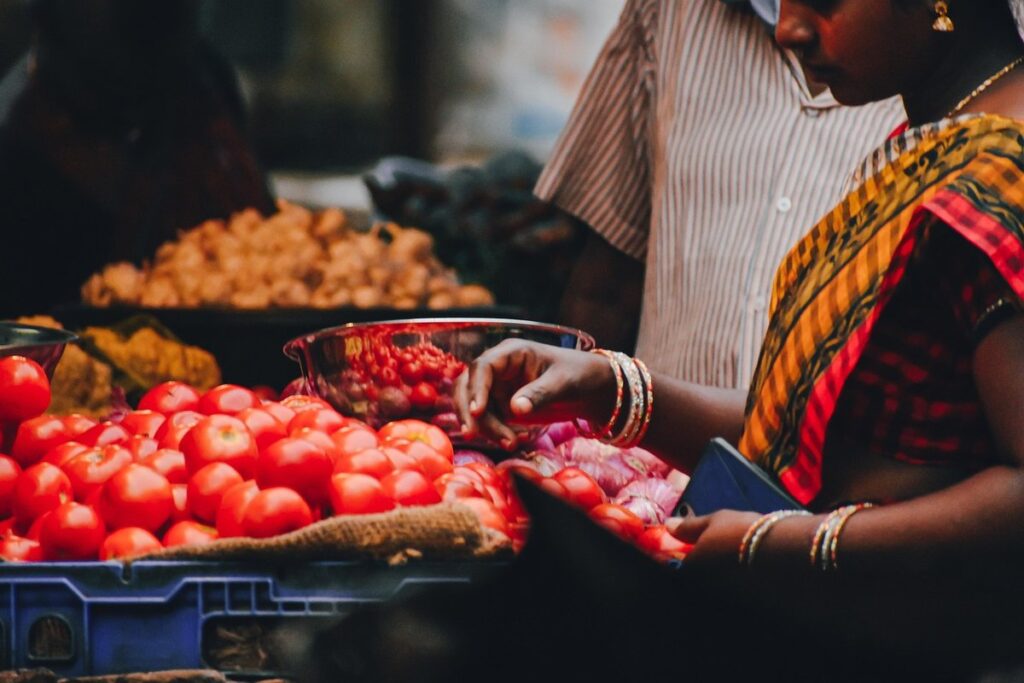
Embracing a local lifestyle can be a game-changer for your community, but what does it really mean to live locally? It’s not just about buying produce from the farmer’s market or shopping at independent stores – it’s about immersing yourself in the unique culture and character of your neighborhood. By doing so, you’ll not only contribute to environmental sustainability but also forge meaningful connections with those around you. You might find yourself attending local events, joining community groups, or even taking a cooking class from a neighbor who shares your passion for traditional cuisine. As you dive deeper into the world of local living, you’ll begin to notice the subtle yet profound effects on your daily life and relationships. By the end of this article, you’ll know how to create a sense of belonging in your community and tap into its hidden benefits.

Understanding Local Culture
Getting familiar with local customs, traditions, and values is essential for truly embracing the local lifestyle. This includes understanding nuances that may not be immediately apparent to newcomers.
Importance of Community Engagement
Engaging with your local community is essential for fully embracing the lifestyle. When you participate in neighborhood events, join clubs or organizations that align with your interests, and volunteer your time, you not only contribute to the area’s vitality but also foster meaningful connections with others.
Being involved in local community events can introduce you to a wide range of people who share similar passions or values. For instance, attending farmers’ markets, street fairs, or concerts allows you to meet vendors, performers, and attendees who become potential friends or business partners. Joining clubs or organizations related to your hobbies – such as book clubs, sports teams, or art collectives – provides a structured setting for socializing and developing skills.
Volunteering time in your neighborhood is another effective way to build relationships and contribute to the community’s well-being. Consider helping at local food banks, participating in park cleanups, or assisting at animal shelters. These efforts not only make a tangible difference but also provide opportunities to meet like-minded individuals who share your commitment to making a positive impact.
Cultural Immersion through Food and Drink
Trying local cuisine is one of the simplest yet most effective ways to immerse yourself in a new area. By opting for dishes prepared with locally sourced ingredients and cooking methods, you’re not only indulging your taste buds but also gaining insight into the community’s values and traditions. Visit farmers’ markets to sample seasonal produce and artisanal products that reflect the region’s unique characteristics.
When exploring nearby restaurants, look for eateries that prioritize local suppliers and menu items showcasing regional specialties. You might discover dishes like gumbo in Louisiana or paella in Spain, each bearing the distinct flavor profile of its native soil. Even more rewarding is stumbling upon a family-owned eatery serving authentic recipes passed down through generations – these hidden gems offer a genuine taste of community history.
To further enhance your culinary adventure, consider attending food festivals or joining local cooking classes where you can learn traditional techniques and ingredients from experienced chefs. These experiences not only deepen your appreciation for the area’s flavors but also introduce you to fellow enthusiasts eager to share stories and recipes.
Exploring Local Attractions and Landmarks
Let’s get to know your local surroundings by exploring hidden gems and popular attractions that make your community unique. From parks to museums, discover what makes your neighborhood special.
Discovering Hidden Gems
When venturing off the beaten path, you’ll often stumble upon hidden gems that showcase a region’s unique character. These lesser-known spots can be just as captivating as popular tourist attractions, but they offer a more authentic and immersive experience. Parks, museums, and historic sites are prime examples of these hidden gems.
Look for local hiking trails or nature reserves that wind through scenic landscapes, such as waterfalls, forests, or coastal cliffs. Alternatively, explore small-town museums that house an impressive collection of regional artifacts or artwork. Historic sites like old mansions, lighthouses, or battlefields can also provide a glimpse into the region’s past.
For instance, a visit to the lesser-known Bellamy Mansion in Wilmington, North Carolina, offers a fascinating look at the lives of antebellum-era plantation owners. The mansion’s grounds feature beautifully restored gardens and outbuildings that showcase the era’s architectural and horticultural achievements.
When searching for these hidden gems, consider consulting local guidebooks or talking to residents who can recommend off-the-beaten-path destinations. Many cities also offer self-guided walking tours or audio guides that highlight lesser-known attractions. By venturing beyond the popular tourist traps, you’ll gain a deeper appreciation for the region’s unique character and history.
Popular Tourist Destinations
Public art installations can be a major draw for tourists, adding vibrancy to an area’s aesthetic while providing a glimpse into its cultural identity. For instance, the vibrant murals in the Mission District of San Francisco or the whimsical sculptures in Melbourne’s Docklands are just two examples of how public art can become a beloved landmark. Similarly, festivals like Austin’s SXSW or New Orleans’ Jazz Fest attract visitors from far and wide with their unique blend of music, food, and local culture.
In urban areas, iconic landmarks like the Eiffel Tower in Paris or the Colosseum in Rome are instantly recognizable symbols that drive tourism. Visitors flock to these destinations not only for their historical significance but also for the opportunity to experience a piece of history firsthand. Smaller towns often rely on quirky attractions like the world’s largest ball of twine (in Cawker City, Kansas) or the International Cryptozoology Museum (in Portland, Maine), which offer a glimpse into local eccentricity.
When visiting these popular tourist destinations, consider taking a step back to appreciate their significance beyond mere entertainment value. You might engage with locals who share stories about the history and cultural context behind the landmark or art installation. This deeper connection can enrich your experience and foster a greater appreciation for the local lifestyle.
Sustaining a Local Lifestyle
Living locally means more than just shopping at your neighborhood market. Here, we’ll share practical tips on maintaining a sustainable local lifestyle that reduces your environmental footprint and benefits your community.
Environmental Considerations
Reducing carbon footprint and living sustainably is a crucial aspect of embracing a local lifestyle. By making conscious choices about our daily habits, we can significantly minimize our environmental impact. One effective way to do this is by choosing eco-friendly products for everyday use. For instance, opting for reusable bags, water bottles, and coffee cups can drastically reduce plastic waste.
Using public transportation or walking/biking whenever possible is another vital step in reducing carbon emissions. Many local communities have invested in green initiatives, such as electric buses or bike-sharing programs, making it easier to adopt sustainable transportation habits. Additionally, adopting energy-efficient habits at home, like turning off lights and electronics when not in use, can also make a significant difference.
It’s essential to assess our daily routines and identify areas where we can improve. For example, meal planning and cooking at home using locally sourced ingredients can significantly reduce food waste and carbon footprint associated with transportation and packaging. By incorporating these eco-friendly habits into our local lifestyle, we not only contribute to the health of our community but also set a positive example for others to follow.
Economic Benefits for Locals
Supporting local businesses has a ripple effect on the community’s economy. For every dollar spent at a local business, approximately 67% stays within the community, compared to just 43% for national chains. This means that frequenting locally-owned shops and restaurants keeps more money in circulation among neighbors and friends.
Purchasing from farmers’ markets is another way to directly benefit the local economy. By buying produce from nearby farms, you’re not only getting fresher products but also injecting cash into the agricultural sector. Many farmers rely on market sales as their primary source of income, so your support can have a tangible impact on their livelihoods.
Community events also play a vital role in fostering economic growth. Festivals, concerts, and fairs bring people together, encouraging locals to spend money at participating vendors or stalls. These events often showcase local artisans, craftspeople, and food producers, providing an additional platform for entrepreneurs to sell their wares. By attending community events, you’re contributing to the vibrancy of your neighborhood while supporting its economic development.
Creating a Sense of Belonging
Creating strong connections within our local community is key to truly embracing its unique spirit, and this starts with creating a sense of belonging among neighbors. This process begins by fostering genuine relationships.
Building Relationships with Neighbors
Building meaningful connections with those living nearby can enrich your local experience. You might start by organizing social gatherings, like potluck dinners or game nights, to bring neighbors together informally. These events encourage conversation and allow you to get to know the people around you.
Alternatively, consider participating in block parties or neighborhood watch initiatives, which often involve planning community activities and fostering a sense of security among residents. For instance, some neighborhoods organize volunteer clean-up days or host fundraising events for local charities.
When approaching your neighbors, be genuine and friendly – introduce yourself, ask about their interests, and listen actively to what they have to say. Don’t feel obligated to invite everyone you meet over; focus on building relationships with those who share similar values or hobbies. A small group of like-minded individuals can create a strong support network that enhances your local experience.
Some neighborhoods also start community gardens, which bring people together while providing a shared space for gardening and relaxation. If this interests you, consider proposing the idea to your neighbors and working together to establish one in your area.
Finding Local Resources for Personal Growth
To find local resources for personal growth, start by exploring online platforms that connect like-minded individuals. Websites such as Meetup.com and Eventbrite.com offer a wide range of workshops, classes, and groups focused on specific interests, from art and music to wellness and outdoor activities. These platforms allow you to filter search results by location, making it easy to find opportunities within your community.
You can also look for local organizations that offer classes or workshops in areas like cooking, writing, or photography. Many community centers, libraries, and churches host these types of programs, often at an affordable price. Some examples include language exchange groups, book clubs, or art classes taught by local artists.
Another resource is local coworking spaces, which not only provide a productive work environment but also host events and workshops on topics like productivity, entrepreneurship, and personal development. Many coworking spaces have a strong focus on community building, making them an excellent place to meet new people with similar interests. Look for coworking spaces in your area that offer membership options or drop-in days to try before you commit.
Navigating Challenges in a Local Lifestyle
As you settle into your local lifestyle, you may encounter unexpected obstacles and setbacks that require careful navigation. Let’s examine some common challenges and explore practical solutions to overcome them.
Overcoming Isolation and Loneliness
Isolation and loneliness are common challenges faced by individuals who move to new areas or struggle with making friends. For some, it can be a temporary adjustment period, while for others, it can be a persistent issue that affects their mental health. To overcome isolation and build connections in a new community, consider joining local groups or clubs aligned with your interests. This could be anything from a book club to a sports team.
Volunteering is another excellent way to meet like-minded people and contribute to the local community. Many organizations rely on volunteers for events and projects. Not only will you meet new people, but you’ll also develop skills and gain experience. Additionally, consider attending local events such as concerts, festivals, or street fairs. These gatherings can provide opportunities to connect with others who share similar interests.
Before attending any event or joining a group, be intentional about your approach. Research the organization’s values and mission to ensure they align with yours. Be open-minded when meeting new people – everyone has a story to tell. By taking small steps towards connection and community engagement, you can build meaningful relationships that go beyond mere acquaintances.
Adapting to Regional Differences
When moving to a new region, it’s common to encounter cultural differences that can be both fascinating and challenging. One of the most significant adaptations is adjusting to local customs, which can vary significantly from what you’re accustomed to. For instance, in some regions, direct eye contact is considered aggressive or confrontational, while in others, it’s a sign of respect. Understanding these nuances can help you build stronger relationships with locals.
Climate-specific challenges are another aspect to consider. If you move from a mild climate to one with extreme temperatures, you’ll need to adjust your wardrobe and daily routine accordingly. For example, if you’re moving from a tropical region to a cold winter climate, you may need to invest in warm clothing, learn how to shovel snow, or find indoor activities to enjoy during the harsh weather months.
It’s also essential to be mindful of regional language differences. While English is widely spoken globally, there are often local dialects and idioms that can be confusing for newcomers. Learning a few key phrases in the local language can go a long way in showing respect for the culture and making connections with locals.
Frequently Asked Questions
Can I still maintain a local lifestyle while working remotely?
Yes, with the right mindset and planning, it’s entirely possible to thrive in a local community even if you’re working from home. Consider setting up a dedicated workspace that encourages interaction with neighbors or joining online platforms for remote workers to connect with others in your area.
How do I know which local businesses to support and why is it important?
Start by researching online reviews, asking friends and family for recommendations, and exploring social media platforms where local businesses showcase their products and services. Supporting local businesses not only injects money into the local economy but also helps preserve unique cultural identities and promotes community development.
What if I’m struggling to adapt to regional differences in climate, customs, or language?
Give yourself time to adjust, and don’t be afraid to ask questions from locals or seek guidance from online forums. Focus on understanding the nuances of your new environment and being respectful of local traditions. You can also consider joining cultural exchange programs or taking classes that teach you about the region’s history and customs.
How do I balance my desire for independence with the need to build relationships with neighbors?
Start small by attending community events, introducing yourself to nearby residents, and participating in neighborhood initiatives. Be open-minded and willing to listen, but also set boundaries when necessary. Building meaningful connections takes time, so be patient and focus on finding common interests or shared values that can form the basis of stronger relationships.
Can I still maintain a local lifestyle if I have mobility issues or rely on public transportation?
Absolutely, and it might even encourage you to explore alternative modes of engagement with your community. Consider volunteering remotely, participating in online forums for people with disabilities, or advocating for accessible infrastructure within your neighborhood. With some creativity and adaptability, you can still contribute to and benefit from a local lifestyle despite mobility challenges.