Diwali, the festival of lights, is a time for celebration, love, and togetherness. For many families, sharing meals is a vital part of the Diwali experience, bringing joy and bonding to the festivities. Traditional dishes like gulab jamun, samosas, and laddus are staples in many Diwali celebrations, passed down through generations as a way to connect with heritage and culture. However, modern twists on classic recipes are also becoming increasingly popular, blending traditional flavors with contemporary tastes. As you prepare to celebrate Diwali, consider the cultural significance of food in your traditions and how sharing meals can bring your loved ones closer together. In this article, we’ll explore the rich culinary heritage of Diwali, from traditional dishes to modern twists, and discover the joy of sharing meals during this festive season.
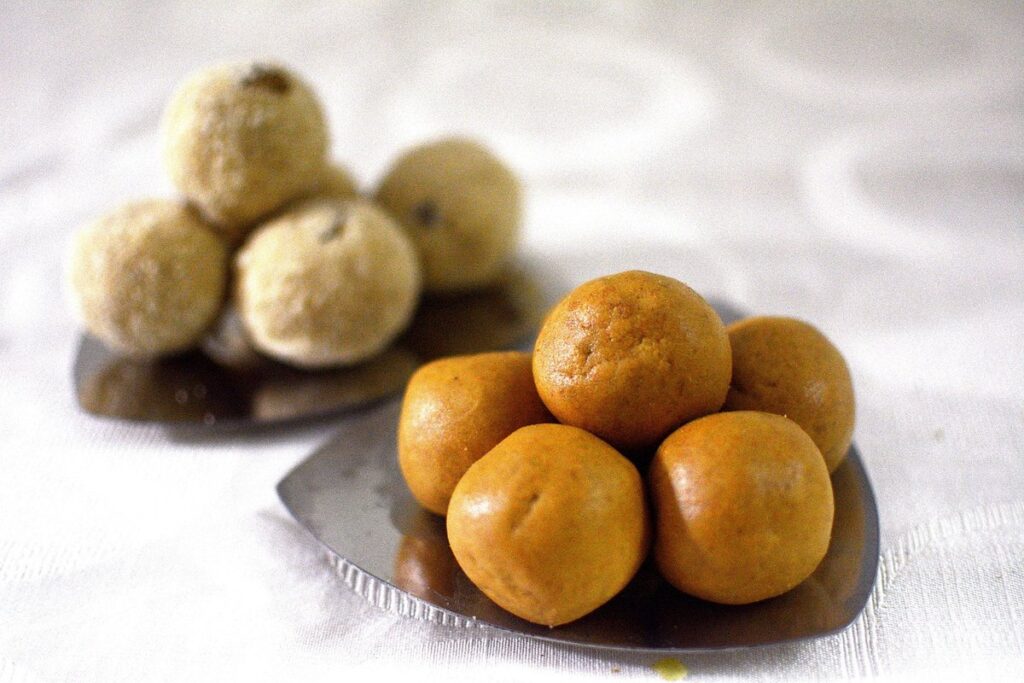
The Significance of Food in Diwali Celebrations
Diwali is a festival where food plays a pivotal role in bringing families together, and the significance of these meals goes beyond just satisfying our hunger. They’re a representation of love, care, and togetherness.
The Importance of Sharing Food with Family and Friends
Sharing a meal with family and friends is an integral part of Diwali celebrations in India. This tradition goes beyond just satisfying hunger, as it’s a way to strengthen bonds and create lasting memories. When you share food with loved ones, you’re sharing a part of yourself, your culture, and your values. This act of sharing fosters a sense of community and togetherness, which is at the heart of Diwali’s spirit.
In Indian culture, food is often associated with love, care, and hospitality. When you invite someone to share a meal with you, you’re not just offering them sustenance, but also showing respect, kindness, and generosity. This selfless act creates a ripple effect, as it encourages others to reciprocate with similar acts of kindness and generosity.
To make the most of this tradition, try to involve your loved ones in the cooking process. This can be as simple as asking your children to help with preparing a dish or having a family member contribute their favorite recipe. By doing so, you’ll not only create a sense of ownership and responsibility but also strengthen your relationships and create lasting memories.
Traditional Diwali Foods and Their Symbolism
Diwali is a celebration of light, love, and togetherness, and traditional foods play a significant role in reinforcing these values. Some of the most iconic Diwali dishes, such as samosas, kachoris, and jalebis, are steeped in symbolism. For instance, samosas, which are fried or baked pastries filled with spiced potatoes and peas, represent the light and warmth that Diwali brings to homes. The crispy outer layer of a samosa symbolizes the strength and resilience of the Indian spirit.
Other popular Diwali foods, like gulab jamun and ras malai, have their own unique significance. Gulab jamun, a deep-fried dumpling soaked in a sweet syrup, represents the sweetness and love that people share during Diwali. Ras malai, a creamy dessert made from paneer, is often served as a token of respect and hospitality. By indulging in these traditional dishes, people strengthen their bonds with family and friends, creating a sense of community and belonging. When preparing these dishes, consider incorporating traditional ingredients and methods to honor the cultural heritage of Diwali.
Regional Variations in Diwali Cuisine
Diwali cuisine varies greatly from region to region, with each area adding its unique twist to traditional sweets and savory dishes. Let’s explore the diversity of Diwali foods across India.
North Indian Diwali Specialties
In North India, Diwali is a time for indulging in rich, aromatic, and often deep-fried treats. One of the most iconic Diwali sweets is Gulab Jamun, a dumpling made from milk solids that’s soaked in a sweet syrup flavored with rosewater and cardamom. These bite-sized morsels are a staple at North Indian Diwali gatherings, often served warm and fresh from the oil.
Another popular North Indian Diwali specialty is Jalebi, a crispy, spiral-shaped fried dessert that’s typically served with a dollop of whipped cream or a sprinkle of powdered sugar. Jalebis are often made from a fermented batter that’s allowed to rest for several hours before being deep-fried to a golden crisp.
Samosas, savory pastries filled with spiced potatoes and peas, are also a beloved North Indian Diwali snack. These flaky, folded pastry pockets are often served as a side dish or appetizer, and can be made in a variety of flavors, from classic to innovative. To make the most of your North Indian Diwali spread, try serving a selection of these traditional dishes alongside a variety of raitas, chutneys, and other accompaniments.
South Indian Diwali Delicacies
In South India, Diwali is a time for indulging in traditional breakfast items that are made from fermented rice and lentil batter. Idlis, soft and fluffy steamed cakes, are a staple during Diwali. They are often served with sambar, a spicy lentil-based vegetable stew, and chutney. Dosas, another popular breakfast item, are fermented crepe-like breads that are typically served with sambar and chutney as well.
Vadas, crispy fried doughnuts made from lentil batter, are also a popular snack during Diwali. They are often served with sambar and chutney, or with a dollop of coconut chutney. In some parts of South India, like Tamil Nadu and Kerala, Diwali is also a time for indulging in other traditional breakfast items like appams and pongal.
The key to making these traditional Diwali dishes is to use the right type of rice and lentil batter. For idlis and dosas, a combination of idli rice and urad dal is ideal. For vadas, a combination of urad dal and chana dal is preferred. With the right ingredients and a little practice, anyone can make these delicious South Indian Diwali delicacies at home.
East and West Indian Diwali Traditions
In East India, Diwali is often celebrated with a focus on traditional Bengali sweets like mishti doi, a sweet yogurt dessert, and sandesh, a rich milk-based confection. These sweets are typically made with locally sourced ingredients like Bengal’s famous rosogolla strawberries. In contrast, West India’s Gujarati community puts a premium on savory dishes like undhiyu, a hearty mixed vegetable curry made with a variety of winter vegetables and beans. This dish is often served with a side of roti or paratha, and is a staple of the Gujarati Diwali spread.
One key difference between East and West Indian Diwali traditions lies in the use of spices. East Indian cuisine tends to rely heavily on mustard oil and mustard seeds, while West Indian cuisine often features more liberal use of ghee and spices like cumin and coriander. When cooking for Diwali, it’s worth noting that these regional variations can be used to create unique and delicious meals that showcase your cultural heritage. For example, you might try pairing the sweetness of Bengali sweets with the bold flavors of Gujarati undhiyu.
Sweet Treats: Traditional Diwali Sweets and Desserts
One of the highlights of Diwali celebrations is the mouth-watering array of traditional sweets and desserts that are a staple in every Indian household during this festive season. Let’s take a look at some of the most popular and iconic treats that are a must-have during Diwali.
Mithai-Making: An Art Form During Diwali
Making traditional Diwali sweets is an art form that requires skill, patience, and attention to detail. In India, mithai-making is a revered tradition that’s passed down through generations. Skilled confectioners, known as mithaiwallas, spend hours perfecting the technique of creating intricate designs and patterns on the surface of sweets like Barfi, Laddu, and Jalebi.
To make these treats, mithaiwallas must carefully select the finest ingredients, including pure ghee, fragrant spices, and high-quality nuts. The process of making a single type of mithai can take several hours, with each step requiring precision and finesse. For example, to make a traditional Barfi, the mithaiwalla must carefully mix and cook the milk, sugar, and ghee mixture over low heat, stirring constantly to prevent lumps and scorching.
The art of mithai-making is not just about following a recipe; it’s about creating a masterpiece that’s both visually stunning and delicious. Mithaiwallas must balance flavors, textures, and presentation to create a truly exceptional sweet treat. During Diwali, families often commission local mithaiwallas to create elaborate sweets for special occasions, making the process a cherished tradition that brings people together.
Popular Diwali Desserts from Around the Country
In West Bengal, the popular Diwali dessert is mishti doi, a sweet and creamy yogurt dessert made with curd, sugar, and chenna (paneer). The preparation method involves boiling the curd with sugar and chenna, then cooling it and serving it chilled. This dessert is a staple in Bengali households during Diwali, symbolizing the union of opposites – sweet and sour, hot and cold.
In the southern state of Tamil Nadu, the traditional Diwali dessert is adhirasam, a sweet, crispy confection made from rice flour and jaggery. The preparation method involves grinding rice flour and jaggery into a fine paste, then deep-frying it in oil to create a crispy exterior and a soft interior. Adhirasam is often served as a snack during Diwali, symbolizing the triumph of good over evil.
In contrast, the north Indian state of Punjab is famous for its kul kulfis, a sweet and crunchy dessert made from milk, sugar, and nuts. The preparation method involves boiling milk with sugar and nuts, then freezing it to create a crunchy exterior and a creamy interior. Kul kulfis are a popular Diwali dessert in Punjab, symbolizing the joy and celebration of the festival.
Savory Delights: Traditional Diwali Snacks and Appetizers
As we celebrate Diwali, let’s take a closer look at some of the traditional savory snacks and appetizers that are a big part of this festive season. These mouthwatering treats are a staple in many Indian households.
Crunchy Fried Treats and Snacks
Fried snacks are an integral part of Diwali celebrations in India, and their preparation is often a labor of love for families and friends gathering together. One of the most popular fried snacks enjoyed during Diwali is the samosa, a crispy, savory pastry filled with spiced potatoes and peas. To make the perfect samosas, it’s essential to use a high-quality oil with a high smoke point, such as mustard or canola oil, to prevent the oil from smoking and imparting a bitter taste.
Kachoris and pakoras are two other popular fried snacks that are commonly made during Diwali. Kachoris are crispy, flaky breads filled with spiced potatoes, onions, and chickpeas, while pakoras are deep-fried fritters made with a mixture of chickpea flour, spices, and herbs. To achieve the perfect crunch, it’s crucial to not overcrowd the frying pan, allowing each snack to cook evenly and prevent them from sticking together.
In many Indian households, preparing fried snacks like samosas, kachoris, and pakoras is a time-honored tradition that brings families together. By following these simple tips and techniques, you can create these delicious snacks at home and share them with your loved ones during Diwali.
Regional Specialties: Unique Diwali Snacks
In the northern region of India, Diwali snacks often feature ingredients like gram flour, chickpea flour, and sesame seeds. The popular Raj Kachori is a crispy puri filled with a flavorful mixture of mashed potatoes, chickpeas, and spices. In contrast, the South Indian region boasts snacks like the Masala Dosa, a fermented crepe made with rice and lentil batter, served with sambar and chutney. The eastern part of the country, particularly West Bengal, enjoys snacks like Jhal Muri, a spicy mixture of puffed rice, onions, and chilies.
Some regional specialties worth trying include:
• Mysore Pak, a sweet and savory snack from Karnataka, made with gram flour, sugar, and ghee.
• Pani Puri, a popular street snack from North India, consisting of crispy puris filled with flavored water and spices.
• Pakora, a fried snack from the eastern region, made with gram flour and vegetable or meat fillings.
These regional snacks are not only delicious but also reflect the unique cultural and culinary traditions of each region. By trying these unique snacks, you can experience the rich diversity of Indian cuisine during Diwali.
Modern Twists on Traditional Diwali Cuisine
Modern Diwali cuisine is all about innovative fusion dishes that blend traditional flavors with international twists, making the festival even more exciting. From Korean-inspired samosas to Italian-style biryani, get ready to be surprised.
Fusion Foods and Contemporary Diwali Dishes
Indian chefs and home cooks are reimagining traditional Diwali dishes by combining them with international flavors and ingredients. This fusion of culinary traditions has given rise to innovative and modern twists on classic Diwali cuisine. For instance, the South Indian dish, Idli, is often paired with a spicy Korean-style chili sauce or a dollop of Greek yogurt with cucumber and dill. Similarly, the North Indian snack, Samosa, is being filled with everything from traditional spiced potatoes to modern combinations of paneer, mushrooms, and truffle oil.
Some popular fusion foods and contemporary Diwali dishes include:
- Diwali-inspired sushi rolls filled with spiced shrimp or paneer
- A modern take on the classic Gujarati dish, Undhiyu, made with roasted eggplant, green chilies, and cashew nuts
- Fusion of Indian and Italian cuisine, such as naan pizzas or pasta with spiced lentil sauce
- Innovative desserts like gulab jamun cheesecake or jalebi-crusted doughnuts
These creative recipes not only showcase the diversity of Indian cuisine but also highlight the versatility of traditional Diwali dishes. They offer a new perspective on age-old recipes and inspire home cooks to experiment with unique flavors and ingredients.
Health-Conscious Diwali Options
As Diwali celebrations become increasingly global, many people are looking for ways to make their festivities healthier and more balanced. Gone are the days of indulging in rich, calorie-laden sweets and snacks without a second thought. Today, you can enjoy a guilt-free Diwali celebration with creative, nutritious options that still honor traditional flavors.
One of the easiest ways to make your Diwali spread healthier is to opt for whole-grain versions of traditional snacks, such as whole-wheat namkeen or brown rice bhakris. You can also swap sugary sweets for healthier alternatives like dates, nuts, or dried fruits. For a sweet treat, try making a fruit-based dessert like a kaju katli made with dates and nuts or a gajar ka halwa using grated carrots and minimal sugar.
Another great option is to incorporate more plant-based dishes into your Diwali menu. This can include dishes like saag paneer made with low-fat paneer, vegetable biryani, or a hearty dal makhani. These options not only reduce calorie intake but also offer a more sustainable and environmentally friendly choice.
Conclusion
As we conclude our journey through India’s vibrant Diwali food traditions, it’s clear that the festival is a celebration of love, light, and community. Diwali is a time when families come together to share delicious meals, and each region in India has its unique flavors and specialties. From the spicy jalebis of North India to the sweet payasams of South India, every region’s cuisine has its own story to tell.
Diwali food traditions are not just about the food itself but also about the love and care that goes into preparing it. Whether it’s the elaborate spreads of sweets and snacks or the humble home-cooked meals, every dish is a symbol of the joy and warmth of the season.
In conclusion, Diwali food traditions are an integral part of the festival’s magic. By embracing and exploring these rich culinary traditions, we can deepen our connection with Indian culture and with one another.
Frequently Asked Questions
Can I Substitute Ingredients in Traditional Diwali Recipes?
Yes, you can substitute ingredients in traditional Diwali recipes to suit your dietary needs or preferences. However, be mindful of the cultural significance and symbolism associated with each ingredient, and try to maintain the essence of the dish. For example, if you’re substituting ghee with a vegan alternative, ensure it still captures the richness and flavor of the original.
How Do I Balance Traditional and Modern Diwali Cuisine for My Guests?
To balance traditional and modern Diwali cuisine for your guests, consider offering a mix of classic dishes and innovative twists. You can also ask your guests about their dietary preferences and restrictions to ensure everyone has something they enjoy. Don’t be afraid to experiment and create your own fusion dishes that blend traditional flavors with modern techniques.
What if I’m Short on Time to Prepare Diwali Food? Are There Any Quick and Easy Options?
Yes, there are quick and easy Diwali food options that can save you time and effort. Consider preparing snacks like namkeen or dry fruits, which are easy to make and can be stored for later. You can also order pre-made Diwali dishes from local bakeries or restaurants to supplement your own preparations.
Can I Make Diwali Sweets and Desserts Ahead of Time?
Yes, many Diwali sweets and desserts can be made ahead of time, allowing you to prepare and store them for later use. For example, you can make gulab jamun or laddu a day or two before Diwali and store them in airtight containers to maintain their freshness. However, be sure to check the texture and flavor before serving to ensure they remain delicious and authentic.
How Do I Incorporate Diwali Food Traditions into My Own Cultural Celebrations?
To incorporate Diwali food traditions into your own cultural celebrations, start by researching and learning about the significance of food in Diwali celebrations. Experiment with traditional Diwali recipes and ingredients, and consider inviting friends and family to share in the experience. Don’t be afraid to adapt and modify recipes to suit your own cultural and personal preferences.