
Living in a local community can be a rich and rewarding experience, but it’s not just about having neighbors nearby. It’s about embracing the unique customs that make your neighborhood feel like home. Community customs are the unwritten rules and traditions that bring people together and give a place its character. By preserving these customs, you can promote social cohesion among residents and foster a sense of belonging. However, many community customs are fading away as modern life takes over. For instance, you might have noticed fewer block parties or neighborhood potlucks in recent years. In this article, we’ll explore the importance of community customs in building strong, vibrant communities and provide practical tips on how to preserve and celebrate them, allowing you to promote a sense of social cohesion and belonging among residents.
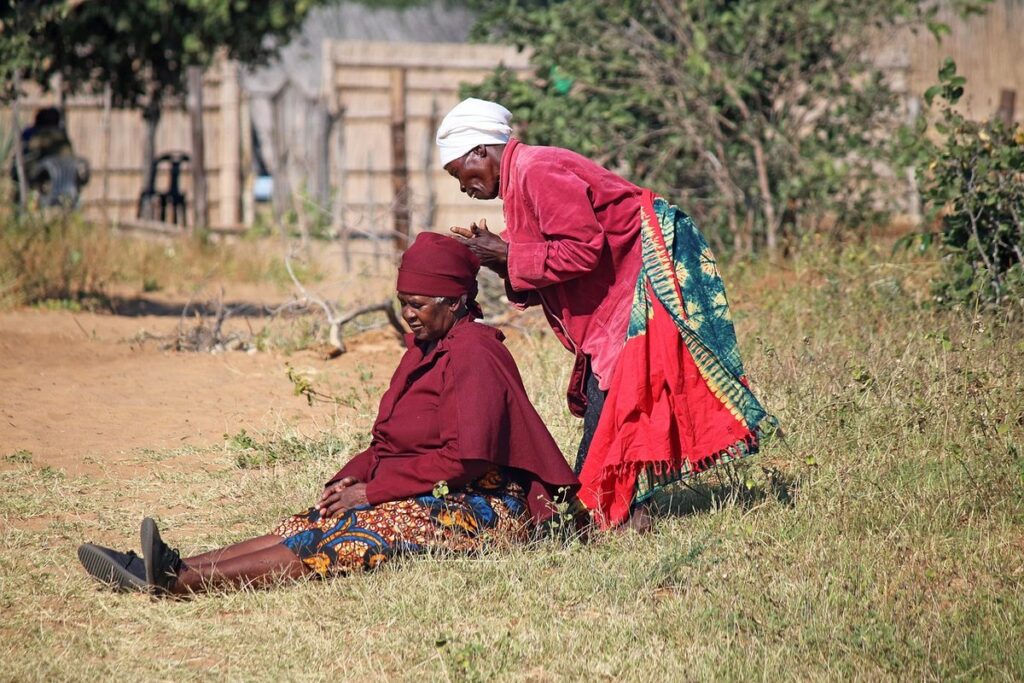
The Importance of Community Customs
Community customs play a vital role in shaping our identities and fostering connections within local communities, and understanding them is essential for participation.
These customs can range from festive celebrations to everyday practices, providing a unique glimpse into the community’s values and history.
Defining Community Customs
A community’s customs are shaped by its unique practices, rituals, and norms. These customs can take many forms, from large-scale festivals to everyday habits like greeting strangers with a certain phrase or gesture. For instance, the Japanese custom of bowing upon meeting someone is an ingrained part of their culture. In some towns in Europe, it’s customary for locals to gather at a specific café on Sundays.
Festivals and holidays are also key components of community customs. In New Orleans, Mardi Gras parades are an integral part of the city’s cultural identity. The festivities involve elaborate floats, music, and dancing through the streets. These events not only celebrate the culture but also provide opportunities for social bonding among residents.
When exploring local traditions, pay attention to subtle cues like language, dress codes, or food preferences. For example, in some Native American communities, it’s customary to remove your shoes before entering someone’s home. Understanding and respecting these customs will help you navigate community interactions more comfortably.
Benefits of Embracing Community Customs
Embracing community customs can have a profound impact on residents’ sense of belonging and connection to their community. When people participate in local traditions, they start to feel like they’re part of something bigger than themselves. This collective identity is the foundation of social cohesion, making it easier for neighbors to get along and work together towards common goals.
Community customs also promote a sense of pride in one’s community. People are more likely to take care of their neighborhood when they see it as an extension of themselves. Think about it: when you’re invested in a local tradition, you’re more likely to attend events, volunteer for committees, and advocate for your community’s needs.
To start embracing community customs, try attending local festivals or joining a cultural organization that aligns with your interests. Not only will you get to experience the sights, sounds, and flavors of your community, but you’ll also meet like-minded people who share your passions. By participating in these traditions, you’ll begin to feel more connected to your neighbors and develop a deeper appreciation for your local culture. This, in turn, can lead to stronger relationships, improved communication, and a greater sense of unity within the community.
Types of Community Customs
As you explore community customs, it’s essential to understand that various types exist, from festivals and parades to rituals and ceremonies. Let’s examine these different forms in more detail.
Informal Traditions
Informal traditions are often the most genuine expressions of a community’s identity. They’re customs that have evolved over time through local practices and habits, making them a vital part of everyday life. Unlike formal celebrations or recognized events, informal traditions may not be officially acknowledged but remain deeply ingrained in the community.
Take the example of “Coffee Fridays” in a small town. Locals gather at a specific café every Friday morning for coffee and conversation. This tradition began organically as a group of friends decided to meet up regularly, but it soon became a beloved custom that’s continued over years. Informal traditions like these are often shaped by local character and may reflect the community’s values or interests.
To participate in informal traditions, observe what locals do on a regular basis – whether it’s attending a weekly market, playing recreational sports, or simply grabbing coffee together. By doing so, you’ll gain insight into what makes the community unique and how to fit in seamlessly.
Formalized Events
Formalized events are a significant aspect of community customs, bringing people together to celebrate and share cultural heritage. These events can be culturally specific, such as Chinese New Year or Diwali, but also more generic celebrations like Independence Day parades or holiday markets. Communities may organize these events through city council initiatives, local business partnerships, or volunteer groups.
To participate in formalized events, research the community’s event calendar and attend events that align with your interests. For instance, if you’re interested in cultural festivals, look for opportunities to volunteer at a festival or help with organization efforts. If you prefer charity events, consider participating in fundraising activities or donating to local causes.
It’s essential to be respectful of community customs when attending formalized events. Familiarize yourself with the event’s purpose and rules, dress modestly if required, and engage respectfully with others from different backgrounds. By embracing and participating in these organized celebrations, you can foster deeper connections within your community and gain a more nuanced understanding of its traditions. Many communities also offer opportunities to get involved in planning or hosting events, allowing individuals to make a tangible impact on the community’s cultural landscape.
Understanding Cultural Differences
Cultural differences often manifest in subtle ways, influencing how we interact and engage with local customs. Let’s explore some key factors to consider when navigating cultural nuances.
Embracing Diversity
When engaging with community customs, it’s essential to acknowledge and appreciate the diversity that underlies them. Community customs often reflect a community’s complex history and cultural influences, which can manifest in various ways, such as cuisine, music, or art. For instance, a small town may celebrate its Mexican heritage through vibrant Dia de los Muertos parades and altars, while also honoring its indigenous roots with traditional powwows.
To foster inclusivity, it’s crucial to create space for diverse perspectives and traditions within the community. This can be achieved by actively listening to residents from different backgrounds and encouraging their participation in local events. For example, a community center might host interfaith dialogue sessions or cultural workshops that celebrate various customs and holidays. By embracing diversity and promoting cross-cultural understanding, communities can build stronger social bonds and create more inclusive environments. This not only enriches the community’s cultural landscape but also helps to break down barriers between different groups.
Navigating Cultural Norms
Respecting local customs demonstrates a genuine interest in the community’s values. When you understand and adapt to these norms, it shows that you’re willing to learn from and appreciate their way of life. This approach can help bridge cultural divides and create opportunities for meaningful connections.
To navigate cultural norms effectively, observe the behaviors and practices of locals before participating. For instance, if attending a community gathering or festival, watch how others dress, eat, and interact with one another. You may notice that certain customs are deeply rooted in tradition, such as specific attire or table manners.
By showing respect for these traditions, you can build trust and rapport with the community. In some cases, this means adopting local customs temporarily, like removing your shoes before entering a home or using your right hand when eating. These small gestures can go a long way in demonstrating your commitment to understanding and participating in local customs.
Participating in Community Customs
Participating in community customs can be as simple as attending a local festival, trying new foods at a street market, or joining in on a traditional dance. By doing so, you’ll become an active part of the community’s heritage and culture.
Getting Involved
Joining local groups or organizations is a great way to get involved in community customs. These groups often focus on preserving and promoting the community’s cultural heritage through various events and activities. By participating, you can gain a deeper understanding of the customs and traditions that are unique to your area.
For example, many cities have historical societies or museums that offer tours, exhibits, and educational programs related to local history and culture. Joining one of these organizations could be a great way to learn about community customs while also contributing to their preservation. You might also consider volunteering for events like festivals, parades, or cultural performances.
Before joining a group, research their mission and activities to ensure they align with your interests and values. You can often find this information on their website or by attending one of their events. Additionally, look for opportunities to participate in hands-on projects, such as restoration efforts or traditional craft workshops. This will not only deepen your connection to the community but also provide a tangible way to contribute to its cultural heritage.
Showcasing Local Talent
Local talent is often at the heart of community customs, with artisans, musicians, and performers bringing traditional skills and practices to life. Highlighting these individuals through community events or exhibitions can play a crucial role in preserving and passing on knowledge from one generation to the next.
For example, small festivals celebrating traditional craftsmanship might feature master woodworkers demonstrating intricate carving techniques or local weavers showcasing their latest tapestries. These events not only provide a platform for emerging artists but also offer opportunities for visitors to learn about the history and cultural significance behind each piece.
When organizing community events, consider partnering with local schools or community centers to identify and showcase emerging talent. You could also invite experienced artisans to share their expertise through workshops or demonstrations. By doing so, you’ll not only celebrate local culture but also help ensure that traditional skills continue to be practiced and passed on for future generations. This might involve setting up a regular market stall or exhibition space where local craftspeople can sell their wares and share their stories with a wider audience.
Balancing Tradition with Progress
When embracing local customs, it’s essential to strike a balance between honoring tradition and incorporating fresh perspectives, creating a rich cultural tapestry that evolves over time. This delicate dance requires sensitivity and an open mind.
Preserving Cultural Identity
Preserving cultural identity is a delicate balance between embracing progress and respecting tradition. Safeguarding community customs and traditions ensures that local culture remains vibrant and authentic. When community norms are threatened, it’s essential to identify what specifically needs preservation. For instance, language plays a significant role in preserving cultural identity; efforts should be made to document endangered languages through language documentation initiatives or language classes.
Another aspect is the preservation of traditional practices, which often carry historical significance and social importance. Community members must engage with local leaders and elders to understand the reasons behind maintaining specific customs. This collaboration will facilitate the adaptation of traditions to suit modern needs while preserving their essence. In some communities, festivals like Navratri in India or Diwali in Nepal have been adapted to include contemporary elements while still honoring traditional practices.
Ultimately, finding a balance between tradition and progress requires an understanding of what cultural identity means to each individual community.
Adapting Customs for Modern Times
Adapting community customs for modern times requires a delicate balance between preserving tradition and embracing change. As societal values and circumstances shift, some customs may become outdated or even unintentionally exclusionary. For instance, a traditional food festival might inadvertently cater to the dietary preferences of only one cultural group, leaving others feeling left out.
In such cases, it’s essential to reassess the customs’ core principles and make adjustments that promote inclusivity. This can involve incorporating diverse cuisines, creating accessible venues, or implementing flexible rules to accommodate varying abilities. By doing so, communities can revitalize their traditions while ensuring they remain welcoming and relevant to all members.
A practical approach is to engage in open discussions among community leaders, residents, and attendees of traditional events. These dialogues can help identify potential issues and suggest constructive changes that honor the customs’ original intent while embracing modern values. By being proactive and adaptable, communities can preserve their heritage while fostering a more inclusive and vibrant cultural landscape.
Overcoming Challenges
Every community has its quirks and customs that can be confusing, even frustrating, for visitors or newcomers. This is where overcoming challenges comes into play – learning to navigate local traditions with ease.
Addressing Resistance
Resistance from community members can be a significant obstacle when introducing new customs. This pushback often stems from concerns about preserving traditional practices and the perceived threat of cultural homogenization. To address these concerns, it’s essential to engage with community leaders and residents to understand their perspectives.
Some common objections include the fear that new customs will overshadow existing traditions or alter the fabric of the community. To alleviate these worries, consider collaborating with local stakeholders to identify areas where new customs can complement or enhance existing practices. For instance, a festival celebrating a specific cultural heritage can be merged with an existing holiday event.
Open communication and transparency are key in addressing resistance. Be prepared to listen to concerns and offer compromises that balance the introduction of new customs with respect for established traditions. This might involve gradual integration or phased implementation to allow community members time to adjust. By acknowledging and addressing these concerns, you can build trust and foster a more inclusive environment where both old and new customs coexist harmoniously.
Fostering Community Engagement
Engaging with local residents who hold different opinions on community customs can be a delicate matter. However, it’s an essential step in building a sense of unity and shared understanding within your community. One way to approach this is by hosting events that bring people together and foster open discussions about community customs.
For example, consider organizing a community potluck or cultural fair where attendees are encouraged to share their own customs and traditions. This format allows for informal conversations and helps break down barriers between individuals with differing perspectives. You could also establish a community forum or social media group where residents can share their thoughts and engage in respectful debates about local customs.
To ensure these interactions remain productive, it’s crucial to set clear ground rules. Encourage active listening and emphasize the importance of respecting diverse viewpoints. By doing so, you create an environment that values open communication and collaboration – a vital foundation for building a cohesive community.
Conclusion
As we come to the end of our exploration of community customs, it’s time to reflect on what you’ve learned and how you can apply these insights to your own experiences.
The Significance of Community Customs
Embracing community customs is crucial for preserving the unique cultural identity of a local community. These customs serve as the foundation upon which traditions are built, and they often reflect the values, history, and social norms of the area. By participating in their preservation, individuals contribute to maintaining the rich cultural tapestry of the community.
To get involved, start by attending local events that celebrate these customs, such as festivals or town fairs. Observe how people interact with one another during these events, and notice the ways in which customs are passed down from generation to generation. For example, at a traditional harvest festival, you might see older residents teaching younger ones how to make traditional crafts or cook specific dishes.
When participating in community customs, it’s essential to be mindful of cultural sensitivities and traditions. Take the time to learn about the history and significance behind each custom, and respect any rules or protocols that govern their performance. For instance, if attending a Native American powwow, understand the importance of proper dress code, dancing etiquette, and respect for elders.
Involvement in community customs can be as simple as participating in a weekly market or volunteering to help with an annual celebration. By engaging with these customs, you’ll not only contribute to their preservation but also develop deeper connections with your neighbors and local leaders. Over time, this participation can foster a greater sense of community pride and ownership among residents, ultimately reinforcing the vitality of local traditions.
Frequently Asked Questions
Can I start participating in community customs even if I’m new to the area?
Yes, getting involved in local groups or attending community events is an excellent way to connect with residents and learn about customs. Approach organizers or volunteers at events to express your interest in contributing or learning more.
How do I know when a custom needs adapting for modern times?
When observing community customs, pay attention to changes in participation, relevance, or cultural context. If a tradition seems outdated or no longer serves its purpose, consider consulting with local leaders or residents to explore potential adjustments.
What if some community members resist changes to traditional customs?
Addressing resistance requires open communication and empathy. Engage with concerned individuals to understand their perspectives, then work collaboratively to find solutions that balance preservation with modern needs.
Can I participate in community customs without feeling like an outsider?
Embracing cultural differences and being respectful of local norms can help you feel more connected to the community. Focus on shared values and interests, and don’t be afraid to ask questions or seek guidance from long-time residents.
How do I balance preserving cultural identity with promoting inclusivity for diverse groups within my community?
Fostering a sense of belonging among diverse groups requires understanding and respecting their customs while also ensuring they feel included in community events. Seek input from various community members, organizations, and leaders to create inclusive practices that celebrate diversity without erasing it.

