Malaysia is home to an incredible array of traditional dishes, each with its own unique flavor profile and cooking techniques. The country’s rich cultural heritage has been shaped by its history as a trading hub, with influences from India, China, and Southeast Asia evident in the cuisine. At the heart of Malaysian food are staple ingredients like coconut milk, spices, and fresh chilies, which add depth and heat to dishes like nasi lemak and char kway teow. From the spicy curries of northern Malaysia to the flavorful laksa of the south, regional variations abound, making traditional Malay cuisine a fascinating topic for cooks and food enthusiasts alike. In this guide, we’ll explore the key ingredients, cooking methods, and regional specialties that make Malaysian food so beloved, and provide you with the skills to cook authentic dishes at home.
The Diversity of Malay Cuisine
Malaysia is a melting pot of cultures, and its cuisine reflects this diversity beautifully, blending flavors from Southeast Asia, India, and the Middle East. From spicy curries to fragrant rice dishes, each region offers a unique twist on traditional Malay cooking.
The Influence of Southeast Asian Culture
Malay cuisine’s unique flavor profile is shaped by its geographical location at the crossroads of Southeast Asia. The country shares borders with Thailand to the north, Indonesia and Singapore to the south, and Brunei to the east. This strategic positioning has allowed for centuries-old trade routes to flourish, bringing with them exotic spices, herbs, and cooking techniques from neighboring cultures.
The influence of Indonesian cuisine is particularly evident in Malaysian dishes such as nasi goreng and gado-gado, which have been adapted to suit local tastes. The use of coconut milk, lemongrass, and galangal in many Malay recipes also reflects the country’s historical ties with Indonesia and Thailand. In addition, the Islamic faith, which was introduced to Malaysia through trade routes from India and the Middle East, has had a profound impact on the country’s cuisine, leading to the development of halal cooking practices.
To appreciate the diversity of Malay cuisine, consider exploring regional specialties that showcase the unique cultural influences in different parts of the country. For instance, the east coast of Peninsular Malaysia is known for its Indian-influenced dishes, while the states of Sabah and Sarawak on the island of Borneo have their own distinct culinary traditions shaped by indigenous and Chinese cultures.
Key Ingredients and Staples
Malaysian cooking relies heavily on a blend of spices, herbs, and staple ingredients that reflect its rich cultural heritage. You’ll find that turmeric, coriander, cumin, and cardamom are staples in many traditional dishes, often combined with aromatic ingredients like galangal, lemongrass, and kaffir lime leaves. The use of fresh chilies, ranging from the fiery bird’s eye to the sweet and mild Anaheim pepper, adds depth and variety to curries and stir-fries.
Rice is a fundamental component of Malaysian cuisine, appearing in various forms like nasi lemak (coconut milk-infused rice) and fragrant jasmine rice. You’ll also find noodles made from rice flour or wheat, such as the egg-based yellow noodles used in char kway teow. Other staple ingredients include coconut milk, fish sauce, and fermented soybean paste (belacan), which add richness and umami flavor to dishes.
When building your pantry for Malaysian cooking, focus on stocking a variety of spices, herbs, and condiments. Consider investing in a mortar and pestle to grind spices fresh, as this will elevate the flavors in your dishes. Keep a supply of rice, noodles, and other staple ingredients on hand to create a foundation for your culinary explorations.
Regional Variations: A Journey Through Malaysia’s States
From the spicy curries of Kelantan to the fragrant laksa of Penang, each Malaysian state offers a unique twist on traditional flavors. Let’s explore the diverse regional specialties that make Malaysia’s cuisine so rich and varied.
Peninsular Malay Cuisine
Peninsular Malay cuisine is shaped by its proximity to the sea and the availability of fresh ingredients. A key characteristic is the use of coconut milk, which adds richness and creaminess to dishes like beef rendang and chicken curry. Popular breakfast items like nasi lemak (fragrant rice cooked in coconut milk) and roti canai (flatbread served with dhal and vegetable curries) are staples in this region.
The cooking techniques employed by Peninsular Malay chefs often involve grilling, roasting, or stir-frying ingredients over high heat. This method is particularly well-suited for the region’s abundant seafood, which is frequently combined with spices like cumin, coriander, and turmeric to create aromatic dishes like ikan bakar (grilled fish) and sambal sotong (stir-fried squid).
When exploring Peninsular Malay cuisine, try experimenting with local ingredients like kalamansi lime leaves, galangal, or Thai basil. These flavors can add depth and authenticity to your cooking. To recreate the bold, spicy flavors of Peninsular Malay dishes, focus on balancing sweet, sour, salty, and umami elements in each recipe.
East Malaysian Cuisine (Sabah and Sarawak)
East Malaysian cuisine is a unique blend of indigenous flavors and international influences. In Sabah and Sarawak, you’ll find dishes shaped by centuries-old trading relationships with neighboring countries like Indonesia and the Philippines. The region’s indigenous communities have also contributed to its distinct culinary identity.
One key characteristic of East Malaysian cuisine is its use of tropical ingredients such as durians, rambutans, and mangosteens. These fruits add a sweet and creamy flavor profile to traditional dishes like Ambuyat, a starchy sago dish from Sarawak’s Iban community. The region’s rich seafood also features prominently in East Malaysian cuisine, with popular dishes like grilled fish from the coast of Sabah.
The unique blend of indigenous and international flavors is due in part to the region’s historical trade relationships. For example, the influence of Indonesian cuisine can be seen in the use of spices like galangal and lemongrass in East Malaysian cooking. Meanwhile, the region’s proximity to the Philippines has introduced Filipino-style adobo dishes to the local repertoire.
If you’re interested in trying East Malaysian cuisine at home, consider experimenting with tropical fruits and seafood. You can find these ingredients at most Southeast Asian markets or specialty stores.
Traditional Dishes: A Culinary Tour of Malaysia
Malaysian cuisine is incredibly diverse, and one of the best ways to experience it is through traditional dishes that showcase the country’s cultural heritage. Let’s start our culinary tour in the heart of Malaysia, where flavors come alive.
Nasi Lemak: The National Dish of Malaysia
Nasi lemak is more than just a popular dish in Malaysia; it’s also the country’s national dish. This fragrant rice dish has been cooked in coconut milk for generations, and its history dates back to the 19th century when traders from India introduced coconut milk to Southeast Asia.
The name “nasi lemak” translates to “rich rice,” which aptly describes the dish’s rich flavor profile. The key to nasi lemak is cooking the rice in coconut milk, pandan leaves, and a blend of spices like cardamom and cinnamon. This process imbues the rice with an aromatic and slightly sweet flavor that pairs perfectly with various toppings.
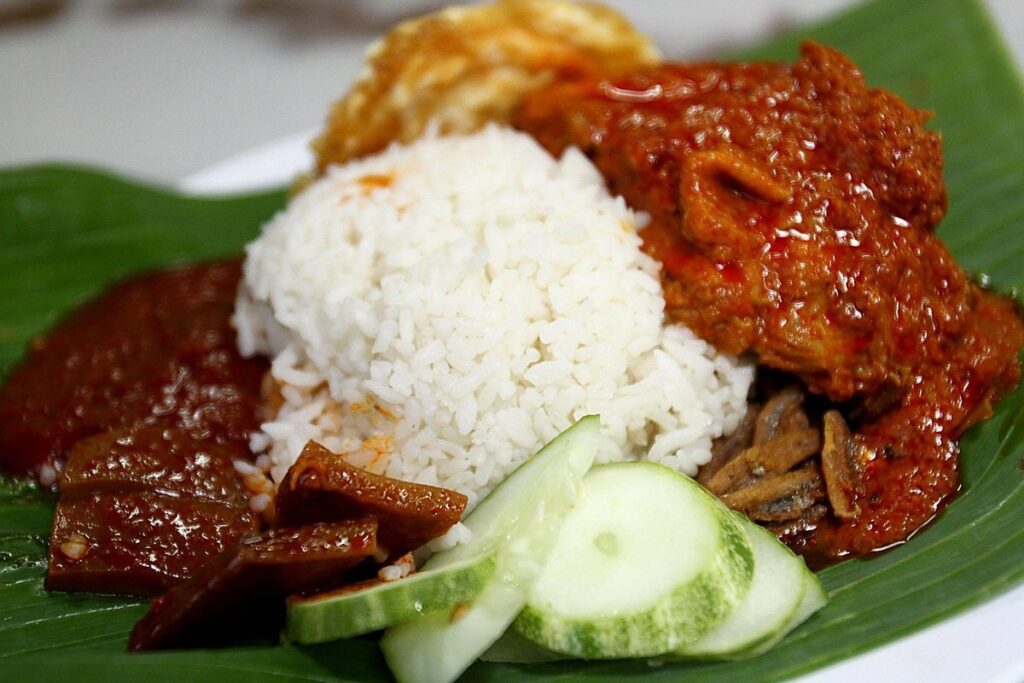
Traditionally, nasi lemak is served with fried anchovies, boiled egg, cucumber slices, and sambal chili paste. The combination may seem simple, but it’s a masterclass in balancing flavors and textures. To make authentic nasi lemak at home, use short-grain rice that can hold its shape after cooking. Soak the rice in coconut milk with pandan leaves for at least an hour to allow the flavors to infuse.
Char Kway Teow: Stir-Fried Noodles
Char kway teow is a stir-fried noodle dish that has gained immense popularity globally for its bold flavors and textures. This classic Malaysian recipe typically consists of stir-frying flat rice noodles with light soya sauce, prawns, pork, vegetables, and sometimes egg. The secret to an authentic char kway teow lies in the wok hei – a smoky aroma produced by quickly cooking the ingredients over high heat.
When preparing char kway teow, it’s essential to use the right type of noodles. Flat rice noodles (kway teow) are preferred for their flat shape and ability to absorb flavors easily. To achieve the perfect balance of flavors, stir-fry the noodles with a mixture of light soya sauce, dark soy sauce, and oyster sauce. Cooking char kway teow requires quick movements and high heat, making it a challenging dish for beginners.
To make your char kway teow more authentic, try using fresh prawns and pork slices. Also, don’t overcook the noodles – they should be slightly firm in the center. With practice, you’ll master this traditional Malaysian recipe and appreciate its rich flavors. In Malaysia, char kway teow is a staple dish that’s often served at hawker centers or street food stalls, offering an affordable yet satisfying meal option for locals and tourists alike.
Desserts and Snacks: Sweet Treats from Malaysia
Malaysia’s desserts and snacks are a treasure trove of sweet treats, from traditional kuih to modern fusion delights that showcase the country’s unique flavor profile. Let’s indulge in some of these tasty favorites!
Traditional Malay Sweets
Dodol is a traditional Malay sweet made from glutinous rice flour, coconut milk, and palm sugar. Its sticky texture and sweet flavor make it a popular treat at special occasions like weddings and festivals. You can often find dodol vendors at these events, expertly wrapping the sweet in banana leaves to create a neat package.
Another sweet dessert is keledek, also known as yam cake. It’s made with grated yams, coconut milk, and sugar, then steamed to perfection. Keledek has a soft, fluffy texture that’s both refreshing and sweet.
Pulut inti, or filled glutinous rice, is another traditional Malay sweet often served at special occasions. It consists of glutinous rice cooked in coconut milk, then stuffed with a sweet filling made from sugar, butter, and sometimes even dried fruit. The combination of the soft rice and sweet filling makes pulut inti a beloved dessert among Malaysians.
These sweet treats are not only delicious but also steeped in tradition and cultural significance. When trying them at special occasions or festivals, be sure to appreciate their history and cultural context.
Street Food Delights: Roti Canai and More
Malaysian street food is a treasure trove of flavors and textures. Roti canai, a flaky flatbread, is a staple at many hawker centers and night markets. This versatile snack can be enjoyed on its own or paired with a variety of curries and dips.
Kuih, traditional pastries, are another popular street food delight. These sweet treats come in an array of shapes, sizes, and flavors, from classic coconut-filled kuih to more modern creations like chocolate-dipped kuih. When shopping for kuih at markets or roadside stalls, look for vendors who use high-quality ingredients and traditional methods.
Some must-try kuih include pisang goreng (fried banana fritters), apam balik (a sweet pancake), and kueh dadar (coconut-filled crepes). Be adventurous and try new flavors – you might discover a favorite. When sampling street food, remember to prioritize hygiene by choosing vendors with clean cooking areas and proper food handling practices. By exploring the variety of snacks and street food available in Malaysia, you’ll gain a deeper appreciation for the country’s rich culinary heritage.
Modern Twists on Traditional Malaysian Cuisine
Modern twists are breathing new life into classic dishes, from fusion takes on char kway teow to creative spins on traditional rendang recipes. Think bold flavors and unexpected ingredients!
Fusion Cooking and Its Impact
Fusion cooking has become a significant force in modernizing traditional Malaysian cuisine. Chefs are now experimenting with international flavors and ingredients to create innovative dishes that stay true to their roots while appealing to a broader audience. One notable example is the incorporation of Japanese miso paste into traditional nasi lemak, giving it a rich, savory flavor.
In some cases, fusion cooking can be seen as a way to preserve tradition by making it more accessible and appealing to younger generations. For instance, modernizing classic recipes with international twists can help keep them relevant in an ever-changing culinary landscape. However, over-reliance on foreign flavors can also lead to the loss of authentic taste profiles.
Some chefs are finding success by striking a balance between innovation and tradition. They might use international ingredients to enhance traditional flavors rather than overpowering them. This approach allows for creative expression while maintaining the essence of Malaysian cuisine. When done thoughtfully, fusion cooking can be a powerful tool for reinvigorating traditional recipes and attracting new fans to the world of Malaysian food.
The Role of Technology in Preserving Tradition
Food blogging has become a powerful tool for preserving traditional Malay cuisine. Platforms like Instagram and YouTube have given home cooks and professional chefs alike a stage to showcase their recipes and cooking techniques. Social media influencers, particularly those with Malaysian heritage or expertise in Southeast Asian cuisine, use these platforms to share their family’s traditional recipes, often accompanied by vivid photographs and step-by-step instructions.
In addition to social media, technology has also enabled the creation of online recipe databases and food blogs dedicated to preserving traditional Malay cuisine. These resources provide a centralized location for users to access and explore various recipes, cooking methods, and ingredients commonly used in Malaysian cooking. Some notable examples include websites that focus on regional specialties, such as East Malaysian or Peninsular Malay cuisine.
By leveraging technology, enthusiasts can access and learn from experts in the field while also contributing their own knowledge and experiences. This digital archive of traditional Malay recipes serves as a safeguard against the loss of cultural heritage and allows for the continued evolution and adaptation of these classic dishes.
Recipes and Cooking Techniques: A Guide for Home Cooks
Mastering traditional Malaysian cooking techniques is a key part of exploring its rich flavors, so we’ll take a closer look at essential recipes and methods to try at home.
Essential Ingredients and Pantry Staples
When cooking traditional Malaysian dishes at home, it’s essential to have a well-stocked pantry with key ingredients. Coconut milk is a staple in many Malaysian recipes, providing richness and creaminess. You’ll need tinned or fresh coconut milk, depending on the recipe. Other must-haves include rice vinegar, fish sauce, and soy sauce for added depth of flavor.
Spices play a crucial role in Malaysian cooking, with common ones including turmeric, coriander, cumin, and cinnamon. Fresh herbs like cilantro, basil, and mint add freshness to dishes. Don’t forget to stock up on aromatics like onions, garlic, ginger, and shallots for sautéing.
A Malaysian pantry wouldn’t be complete without a variety of oils, including vegetable oil, peanut oil, and sesame oil. Salted fermented anchovies (belacan) and shrimp paste add umami flavor to many dishes. Lastly, have some tapioca starch or cornstarch on hand to thicken sauces and gravies.
Incorporating these ingredients into your cooking will give you a solid foundation for exploring traditional Malaysian cuisine. Familiarize yourself with local markets or Asian grocery stores for an authentic shopping experience and access to specialty items like belacan and shrimp paste.
Step-by-Step Instructions for Popular Dishes
To get started with cooking traditional Malaysian dishes at home, try making Char Kway Teow, a stir-fried noodle dish popularized by the Chinese community. Begin by heating 2 tablespoons of vegetable oil in a wok over medium-high heat. Add 1 onion, thinly sliced, and cook until translucent. Then, add 1 cup of mixed mushrooms (such as button, oyster, and shiitake) and cook for about 3 minutes.
Next, add 1/2 cup of soy sauce, 1 tablespoon of oyster sauce (optional), and 1 tablespoon of sugar to the wok. Stir-fry everything together for another minute. Add 200g of flat rice noodles to the wok and stir-fry for 2-3 minutes, or until they’re well coated with the sauces.
To finish, add 2 eggs, beaten, and 1 cup of prawns (shrimp) to the wok. Stir-fry everything together for another minute, then season with salt to taste. Serve immediately over steamed vegetables or a side of fresh cucumber slices. For a more authentic experience, cook Char Kway Teow in a traditional wok over an open flame.
For those new to cooking Malaysian dishes, remember that stir-frying is a key technique used in many recipes. To master it, focus on high heat and quick movements with your wok or pan.
Frequently Asked Questions
How do I incorporate new ingredients into traditional Malay recipes without altering their flavor profile?
To introduce new flavors to traditional Malay dishes without compromising their essence, start by substituting one or two key ingredients at a time. This allows you to gauge the impact of the change while maintaining the core characteristics of the dish.
Can I make traditional Malaysian desserts with sugar substitutes like stevia or honey?
Yes. While traditional Malay sweets often rely on palm sugar and coconut milk for sweetness, many recipes can be adapted using sugar substitutes. However, keep in mind that these alternatives may alter the flavor profile and texture of the final product.
How do I balance the flavors in a stir-fry dish like char kway teow when cooking at home?
To achieve a balanced taste in char kway teow, focus on achieving a harmonious combination of sweet (soy sauce), sour (lime juice), salty (fish sauce), and umami (pork or shrimp) flavors. Don’t overcook the noodles or vegetables to prevent them from becoming mushy.
What if I’m unable to find certain ingredients like kuih batang or dodol in my local market?
If you’re struggling to find specific ingredients, consider substituting with similar alternatives. For instance, use rice flour instead of wheat flour for making traditional Malay pastries. You can also try ordering these items online or visiting an Asian grocery store.
Is it possible to make nasi lemak without using coconut milk due to dietary restrictions?
Yes. While coconut milk is a key component in traditional nasi lemak recipes, you can substitute it with other creamy ingredients like almond milk or soy milk. This will result in a slightly different flavor profile, but the dish should still be enjoyable and authentic in its own right.