Traditional Thai food is more than just a culinary experience – it’s an integral part of Thailand’s rich culture and history. From the spicy kick of green curry to the sweet and sour flavors of tom yum soup, iconic dishes have been passed down through generations, each with its own story and significance. But what makes traditional Thai cuisine so special? For one, its bold flavors and aromas are a result of centuries-old techniques that blend local ingredients with international influences. In this article, we’ll take you on a journey to explore the history, iconic dishes, and cultural significance of traditional Thai food. You’ll learn classic cooking techniques, discover modern twists on timeless recipes, and get inspiration for elevating your culinary experience. By the end of this exploration, you’ll be able to prepare authentic Thai meals that not only delight your taste buds but also honor the country’s heritage.
A Brief History of Thai Cuisine
Thai cuisine has a rich and complex history that spans over 4,000 years, shaped by various cultures and influences. From ancient trade routes to royal courts, let’s explore its fascinating evolution.
The Influences of Buddhism and Foreign Trade
Buddhism’s influence on Thai cuisine is evident in its emphasis on simple, wholesome ingredients and a focus on spiritual nourishment. Buddhist monks introduced Indian Buddhism to Thailand around the 3rd century AD, bringing with them their own vegetarian culinary traditions. This led to the development of dishes like “tom kha” (coconut-based soups) and “massaman curry,” which are still popular today.
The importance of foreign trade in shaping Thai cuisine cannot be overstated. Chinese traders brought their expertise in preserving and fermenting food, while Indian merchants introduced spices and cooking techniques that blended seamlessly with existing Southeast Asian traditions. As a result, Thai dishes often feature a balance of sweet, sour, salty, and umami flavors – a hallmark of Buddhist culinary philosophy.
The intersection of these influences is particularly evident in the use of ingredients like lemongrass, galangal, and chilies, which are commonly used in both Indian and Southeast Asian cooking. The adaptability of Thai cuisine to foreign tastes and traditions has made it one of the world’s most beloved and diverse culinary cultures.
Evolution of Regional Dishes
Massaman curry from southern Thailand is a testament to the region’s distinct flavor profile. The dish’s rich and slightly sweet taste comes from the use of ingredients such as cardamom, cinnamon, and star anise, which are characteristic of Malay and Indian influences on southern Thai cuisine. In contrast, Tom Yum soup from central Thailand has a bold and sour taste that is often associated with fish sauce, lemongrass, and lime leaves.
The evolution of regional dishes in Thailand is largely due to the country’s geography and its history as a trading hub. The north of Thailand, for example, shares borders with Myanmar and China, which have introduced ingredients like fermented soybean paste and Sichuan peppercorns into local cuisine. Meanwhile, the south has been influenced by Malay and Indian traders who brought spices and techniques that have blended with Thai flavors.
The regional diversity of Thai cuisine is also reflected in its use of different types of chilies, coconut milk, and fresh herbs. For example, southern Thailand tends to favor sweeter and creamier curries, while central Thailand’s curries are often spicier and more sour. By understanding these differences, cooks can experiment with regional flavors and ingredients to create authentic and unique Thai dishes at home.
Staples and Ingredients of Traditional Thai Food
At the heart of traditional Thai cuisine are staple ingredients that infuse dishes with unique flavors, so let’s explore the essential components that make Thai food what it is today.
The Importance of Rice and Noodles
Rice is the primary source of carbohydrates for Thais, and it’s a staple food item at almost every meal. Various types of noodles and flatbreads also accompany rice on the table. The significance of these ingredients lies not only in their nutritional value but also in their cultural importance. Rice and noodles are often served with other dishes to add texture and variety to meals.
In traditional Thai cuisine, steamed jasmine rice is a common accompaniment to most main courses. This aromatic rice is typically grown in the central plains of Thailand and is prized for its fragrance and soft texture. It’s often served alongside stir-fries, curries, and other savory dishes. Noodles, on the other hand, are used in a variety of popular dishes like pad thai and tom yum soup.
When preparing traditional Thai meals, it’s essential to choose the right type of rice or noodles for each dish. For example, sticky rice is often served with grilled meats and spicy sauces, while jasmine rice pairs well with milder flavors. By understanding the importance of these ingredients and using them correctly, you can elevate your cooking skills and create authentic Thai dishes that delight your taste buds.
Popular Herbs and Spices
Thai dishes rely heavily on aromatic herbs like lemongrass and galangal, as well as spices such as chilies and coriander. These ingredients not only add flavor but also depth to various Thai curries, soups, and stir-fries.
Lemongrass is commonly used in Thai cooking for its citrusy and slightly sweet aroma. It’s often paired with galangal, a type of ginger that has a stronger, more pungent flavor. Together, they add a bright and zesty note to many Thai dishes, particularly curries and soups.
Chilies are another essential spice in Thai cuisine, bringing heat and a fruity flavor to various recipes. Coriander seeds and ground coriander powder are also widely used for their warm, earthy flavor. To use these ingredients effectively, consider the following tips:
- Use lemongrass stalks when they’re fresh, as the flavor will be more pronounced.
- Grate galangal instead of slicing it thinly to release its oils and intensify its flavor.
- Add chilies towards the end of cooking time to avoid overpowering other flavors.
- Mix ground coriander with fish sauce or lime juice for a marinade that adds depth to grilled meats.
By incorporating these aromatic herbs and spices into your cooking, you’ll be well on your way to creating authentic Thai flavors in your own kitchen.
Traditional Thai Dishes and Their Significance
Thai cuisine is rich in history, and traditional dishes often hold deep cultural significance, reflecting the country’s diverse influences and regional flavors. Let’s take a closer look at some iconic Thai meals that are steeped in tradition.
Iconic Curries and Soups
Massaman curry, green curry, red curry, and Tom Yum soup are staples of Thai cuisine, each with its own unique flavor profile. Massaman curry’s rich and slightly sweet taste is often attributed to the use of cinnamon, cardamom, and star anise, which adds depth to the dish. On the other hand, green curry’s bright and spicy flavor comes from a combination of green chilies, lemongrass, and Thai basil.
Red curry, with its bold and slightly sweet taste, is often served with meat or seafood, while Tom Yum soup’s sour and spicy flavor makes it a refreshing choice for hot days. The versatility of these dishes lies in their ability to be adjusted to suit individual tastes. For example, adding more chilies can make the dish spicier, while adding coconut milk can add creaminess.
Tom Yum soup’s cultural significance extends beyond its taste; it is often served at Thai festivals and celebrations. In contrast, Massaman curry is a popular choice for special occasions due to its rich flavor. These dishes are not only delicious but also hold significant cultural value in Thailand, making them an integral part of the country’s culinary heritage.
Street Food Favorites
Som Tam (papaya salad) is a quintessential street food dish that embodies the bold flavors and textures of traditional Thai cuisine. This spicy and sour salad typically consists of shredded green papaya, tomatoes, chilies, peanuts, and fermented fish sauce, all mixed together with a hint of palm sugar. When ordered from a street vendor, Som Tam is often served with a side of sticky rice to help balance the spiciness.
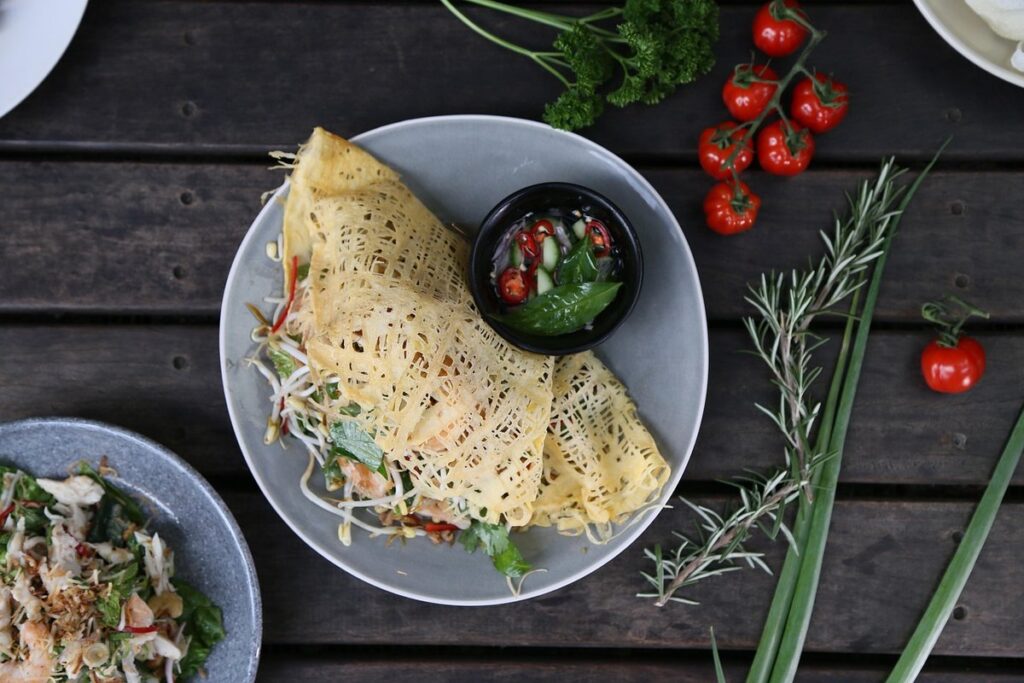
Khanom Buang (Thai crepes) are another popular street food favorite that showcases Thai creativity in dessert-making. These delicate pancakes are filled with sweet coconut and bean paste or fresh egg custard, and are often served as a snack or dessert. Street vendors typically sell Khanom Buang by the dozen, with each one wrapped individually to prevent breakage.
Satay, skewers of marinated meat grilled over an open flame, is another beloved street food dish that highlights Thailand’s rich tradition of barbecuing. Satay can be made from a variety of meats, including chicken, beef, and pork, and is often served with a side of spicy peanut sauce for dipping. To try authentic Satay, look for vendors who use charcoal grills to add smoky depth to their grilled meats.
The Art of Cooking Traditional Thai Food
Thai cooking is a symphony of flavors, where each dish is a balance of sweet, sour, and spicy notes. Let’s explore the techniques behind crafting these mouth-watering dishes.
Techniques and Methods
Mastering various cooking techniques is essential to preparing authentic Thai dishes. Steaming is a fundamental method used in many traditional Thai recipes, particularly for delicate ingredients like fish and vegetables. To steam effectively, use a steamer basket lined with parchment paper or a heat-resistant cloth, and position it above simmering water.
Grilling is another critical technique in Thai cooking, often employed for marinated meats and seafood. For optimal results, preheat the grill to high heat (around 400°F), brush the grates with oil to prevent sticking, and cook protein-rich ingredients over direct heat. Cooking times will vary depending on thickness and personal preference.
Stir-frying is a quick and efficient method used for cooking vegetables, meat, and sometimes noodles or rice. A well-seasoned wok is ideal for this technique, but any large skillet with a non-stick surface can be substituted. Stir-fries typically involve high heat, constant stirring, and the use of aromatics like garlic and chilies to create depth of flavor.
Key considerations when stir-frying include using the right oil (peanut or vegetable), cooking ingredients in a specific order (vegetables first, then protein), and not overcrowding the pan. By mastering these basic techniques and understanding their nuances, cooks can unlock the flavors and essence of traditional Thai cuisine.
Balance of Flavors and Seasonings
In traditional Thai cuisine, achieving a balance of sweet, sour, salty, and spicy flavors is crucial to creating a dish that’s both harmonious and delicious. This delicate balance allows each flavor component to enhance the others, rather than overpowering them.
To balance flavors effectively, start by identifying the dominant flavor in your dish – whether it’s the rich sweetness of fish sauce or the pungency of chilies. Then, adjust the seasoning accordingly: add a squeeze of fresh lime juice for brightness, sprinkle some toasted peanuts for nutty depth, or stir in a spoonful of palm sugar to balance out acidity.
When selecting seasonings, consider the specific characteristics of each ingredient. For example, coriander root adds a warm, earthy flavor that pairs well with coconut milk-based curries, while Thai basil contributes a bright, anise-like note to dishes like pad thai. By combining these ingredients thoughtfully and in moderation, you can create a balanced harmony of flavors that’s quintessentially Thai.
A good rule of thumb is to aim for a 70:20:10 ratio – 70% of the dish should be savory or umami, with 20% contributing acidity, and just 10% adding sweetness. Of course, this is only a rough guideline, and the perfect balance will depend on the specific ingredients and cooking methods used.
Traditional Thai Desserts and Beverages
Sweet treats are a vital part of any Thai meal, and traditional desserts like Khanom Buang and Tub Tim Krob offer a refreshing end to your meal. We’ll explore these sweet specialties next.
Sweet Treats
Thai desserts like Khanom Khrok (coconut pancakes) and Tub Tim Krob (water chestnut dessert) are sweet treats that offer a refreshing conclusion to meals. These traditional Thai sweets not only satisfy your sweet tooth but also provide a glimpse into the country’s rich cultural heritage.
Khanom Khrok, for instance, is a crispy coconut pancake filled with a sweet coconut and bean paste. It’s typically served at street food stalls and markets, where it’s often enjoyed as a snack or dessert. The preparation of Khanom Khrok involves mixing rice flour with coconut milk and filling the mixture into small metal molds. The pancakes are then deep-fried until crispy and served hot.
Tub Tim Krob is another popular Thai dessert that consists of water chestnuts in a sweet syrup, typically made from palm sugar and coconut milk. This refreshing dessert is often served during hot summer days to help cool down. When making Tub Tim Krob at home, it’s essential to use fresh water chestnuts and adjust the sweetness level to your taste.
Both Khanom Khrok and Tub Tim Krob are perfect examples of traditional Thai desserts that showcase the country’s love for coconut milk and palm sugar. To try these desserts at home, you’ll need to source rice flour, coconut milk, and palm sugar. You can find these ingredients at most Asian grocery stores or online. With a little practice, you can create these sweet treats in the comfort of your own kitchen.
Iced Teas, Coffee, and Other Popular Drinks
Thai iced tea is a staple drink in Thailand, made by brewing strong black tea with milk and sugar, then serving it over ice. The resulting drink is sweet, creamy, and refreshing. Iced tea vendors can be found on street corners and markets throughout the country, often serving it from large glass jugs with a ladle. Some popular variations include iced tea with coconut milk or condensed milk, adding a rich and velvety texture.
In addition to iced tea, Thai coffee is also widely available. It’s made by brewing strong coffee in a small metal filter called a “phin,” which gives the coffee its distinctive flavor. Thai coffee is often served over ice and sweetened with sugar, but it can also be enjoyed hot during the cooler months.
Other popular drinks include Singha beer, a crisp and refreshing lager that’s perfect for hot days, and Thai iced milk tea, made by brewing strong black tea and mixing it with evaporated milk. When ordering these drinks in Thailand, try using the local terminology: “cha yen” (Thai iced tea), “kafe phaen” (Thai coffee), or “cha geng” (Thai iced milk tea).
Modern Twists on Traditional Thai Food
From bold fusion dishes to creative reinterpretations of classic recipes, we’re excited to share some of the innovative twists being put on traditional Thai cuisine. Get ready to discover fresh flavors and new favorites!
Fusion Cuisine and Creative Interpretations
Thai chefs have long been known for their creativity and adaptability in the kitchen. As a result, traditional dishes are being reimagined with modern twists, combining Thai flavors with international ingredients and cooking techniques. One notable example is the use of Western-style burgers as a base for Thai-inspired fillings, such as grilled pork or massaman curry.
In some upscale restaurants, chefs have incorporated elements of fine dining into classic Thai dishes like pad thai and tom yum soup. This might involve using high-quality seafood, adding truffle oil to enhance flavor profiles, or presenting the dish in an artistic manner. Other innovative chefs are experimenting with molecular gastronomy techniques, such as spherification and foamification, to create visually stunning and unique Thai-inspired desserts.
Some popular fusion dishes have become staples on modern Thai menus. For instance, sushi-grade tuna is often used to make spicy tom yum-style ceviche or nigiri, while traditional curries are paired with Japanese-style rice bowls. Chefs who want to experiment with fusion cuisine can start by substituting international ingredients for traditional ones, such as using Korean chili flakes instead of Thai chilies, and combining flavors in unexpected ways.
Sustainable and Healthy Options
Thai chefs are now incorporating sustainable and healthy ingredients into traditional dishes to cater to the growing demand for wellness-focused dining experiences. This shift is reflected in the increasing use of locally sourced produce, organic meats, and environmentally friendly cooking methods.
Restaurants like Bo.Lan in London and Sra Bua by Michelin-starred chef Puteri in Bangkok are pioneers in this movement. They offer menus that showcase sustainable seafood options, such as sustainably farmed fish from local farms, and organic meats raised on small-scale, eco-friendly farms.
Some restaurants are also experimenting with plant-based alternatives to traditional ingredients, like mushroom-based “fish” sauce or vegan curries made with coconut milk substitutes. For example, Chef Pim Techamuanvivit’s innovative use of jackfruit in her spicy stir-fry dishes has won over both vegetarians and meat-eaters alike.
These modern twists on traditional Thai cuisine are not only better for the environment but also offer diners healthier options that don’t compromise on flavor. By choosing sustainable ingredients, restaurants can reduce their carbon footprint while also providing customers with a guilt-free dining experience.
Frequently Asked Questions
What if I’m new to cooking and want to start with simple Thai recipes? Can I still follow the techniques mentioned in this article?
Yes. While some techniques may require practice, the fundamental principles of traditional Thai cuisine can be applied to even the simplest dishes. Start by familiarizing yourself with basic ingredients like lemongrass, galangal, and chilies, then experiment with simple recipes like Som Tam or Khanom Buang.
How do I balance sweet, sour, salty, and spicy flavors when cooking Thai food, especially if my taste buds are accustomed to a different flavor profile?
Achieving the perfect balance of flavors is key to traditional Thai cuisine. To adapt your palate, start by identifying the dominant flavor in each dish (e.g., sweetness in Massaman curry or spiciness in Tom Yum soup). Adjust seasoning gradually, adding more salt, sugar, acidity, or heat until you find a balance that suits your taste.
Can I substitute ingredients in traditional Thai recipes to accommodate dietary restrictions or preferences?
While some substitutions are possible, be mindful of the impact on flavor and texture. For example, replacing fish sauce with a vegan alternative may alter the umami taste in dishes like Tom Yum soup. Experiment cautiously, tasting as you go to ensure the flavors remain authentic.
How do I choose between different types of chilies for a recipe, considering their Scoville heat units and flavor profiles?
Select chilies based on their intended use in the dish. For example, bird’s eye chilies add intense heat, while Thai chilies provide a milder, more nuanced flavor. Consider the overall balance of flavors and adjust the type or amount of chili accordingly.
What if I’m planning to serve traditional Thai dishes at an event or party? Are there any specific considerations for food safety and presentation?
When serving traditional Thai cuisine in large quantities, prioritize food safety by storing ingredients properly, cooking thoroughly, and maintaining a clean environment. For presentation, consider garnishes like fresh herbs, citrus wedges, or chilies to add visual appeal. Balance the flavors and textures of each dish according to your audience’s preferences.