Vietnam is a country where every meal is an experience, and its rich culinary heritage is deeply rooted in tradition. Pho, with its fragrant beef broth and delicate rice noodles, and banh mi, the iconic sandwich of pickled vegetables and grilled pork on a crispy baguette, are just two examples of the nation’s beloved dishes. But traditional Vietnamese food is more than just a meal – it’s an expression of culture and community. Fresh herbs like basil and mint add a burst of flavor to every dish, while aromatic spices like cinnamon and cardamom evoke memories of family gatherings and celebrations. In this article, we’ll explore the history behind Vietnam’s regional specialties, the significance of fresh herbs and spices in its cooking techniques, and why traditional Vietnamese food remains an integral part of daily life. By the end of it, you’ll have a deeper appreciation for the cuisine that brings people together across the country.
Origins and Influences
Traditional Vietnamese cuisine has its roots deeply embedded in Chinese, Indian, and French influences, which blended together to create a unique flavor profile. Let’s take a closer look at how these diverse culinary traditions shaped Vietnam’s beloved dishes.
Impact of Chinese and French Colonization
The impact of Chinese and French colonization on traditional Vietnamese cuisine cannot be overstated. During the period of Chinese rule from 111 BC to 939 AD, many Chinese cooking techniques and ingredients were introduced to Vietnam, including stir-frying, steaming, and braising. The Chinese also brought with them their own staples such as noodles, rice, and soy sauce, which have since become integral components of Vietnamese cuisine.
When the French colonized Vietnam in the late 19th century, they imposed their own culinary traditions on the local population. As a result, baguettes, croissants, and cheese became part of the Vietnamese diet, often incorporated into dishes such as banh mi. The French also introduced new cooking techniques like roasting and frying, which were previously unknown in Vietnam.
The blending of these external influences with existing Vietnamese culinary practices has resulted in a unique fusion cuisine that is both familiar and distinct from its Chinese and French roots. For example, the addition of soy sauce to traditional Vietnamese dishes adds depth and umami flavor, while the use of baguettes in banh mi sandwiches provides a satisfying crunch. By understanding the historical context of these influences, cooks can better appreciate the complexities and nuances of traditional Vietnamese cuisine.
Role of Regional Specialties
Vietnam’s diverse geography and cultural heritage have given rise to distinct regional specialties throughout the country. From the north to the south, each region has developed its own unique flavor profiles and cooking techniques. In the north, you’ll find hearty dishes like bun cha, which originated in Hanoi and features grilled pork served with rice noodles and herbs. Meanwhile, the central region is famous for its bold flavors and spicy dishes, such as the lemongrass-infused beef noodle soup found in Hue.
In contrast, southern Vietnamese cuisine leans towards sweet and sour flavors, often featuring fresh fish sauce and lime juice. The Mekong Delta region is particularly known for its freshwater fish dishes, such as grilled catfish and prawns served with a side of pickled vegetables. These regional specialties not only reflect the local ingredients and climate but also the cultural exchange that has shaped Vietnamese cuisine over centuries.
When exploring traditional Vietnamese cuisine, it’s essential to consider these regional variations and try dishes that showcase each region’s unique flavors. By doing so, you’ll gain a deeper understanding of the country’s culinary diversity and appreciate the nuances of its rich food culture.
Popular Traditional Dishes
From Pho to Banh Mi, Vietnam’s culinary landscape is rich with mouthwatering staples that showcase the country’s bold flavors and techniques. We’ll take you on a gastronomic tour of these beloved dishes.
Pho: A National Staple
Pho is a staple of Vietnamese cuisine, enjoyed not only by locals but also by visitors from around the world. This popular noodle soup has a rich history, with its origins dating back to the early 20th century. Street vendors in Hanoi’s Old Quarter are often credited with inventing pho as we know it today.
The evolution of pho is closely tied to the country’s culinary influences. Chinese immigrants introduced noodles and cooking techniques that eventually merged with traditional Vietnamese flavors. The French, who occupied Vietnam from the mid-19th century until the mid-20th century, also left their mark on pho. Their influence can be seen in the use of beef broth, which replaced the traditional fish-based stock.
Pho has since become a national dish, with various regional variations emerging over time. In Hanoi, for example, the broth is clear and light, while in southern Vietnam it’s often thicker and more robust. Despite these differences, pho remains a beloved comfort food across the country, with its signature flavors of ginger, onions, and star anise providing a soothing respite from the bustling streets of Vietnamese cities.
Banh Mi: A Fusion Favorite
Banh Mi’s French-Vietnamese roots can be traced back to the period of French colonization in Vietnam. During this time, baguettes became a staple in Vietnamese bakeries, often filled with pickled vegetables and meats. The banh mi as we know it today is a result of this cultural fusion. Its distinctive combination of flavors and textures – crispy baguette, pickled carrots and daikon, cilantro, chili sauce, and various meats or cheeses – reflects the blending of French and Vietnamese culinary traditions.
In Saigon, particularly, banh mi vendors would often serve these sandwiches as a quick and affordable meal for locals. The sandwich’s popularity spread throughout Vietnam, with regional variations emerging in different cities. In Hanoi, for example, you might find a more minimalist version of banh mi, featuring grilled pork or chicken. Despite its widespread appeal, the banh mi remains an integral part of Vietnamese street food culture, offering a delicious and convenient snack that is both familiar and unique.
In terms of trying authentic banh mi, look for vendors or restaurants that serve it with a variety of fillings – such as cha lua (Vietnamese ham), xiu mai (pork meatballs), and grilled pork – to get a sense of the different regional flavors. When ordering, specify your preferred filling, and don’t be afraid to ask for extra chili sauce if you like a little heat!
Ingredients and Cooking Techniques
To prepare authentic Vietnamese dishes, you’ll need to know the essential ingredients and cooking techniques that bring these flavors together. Let’s take a closer look at the staples of traditional Vietnamese cuisine.
Use of Fresh Herbs and Spices
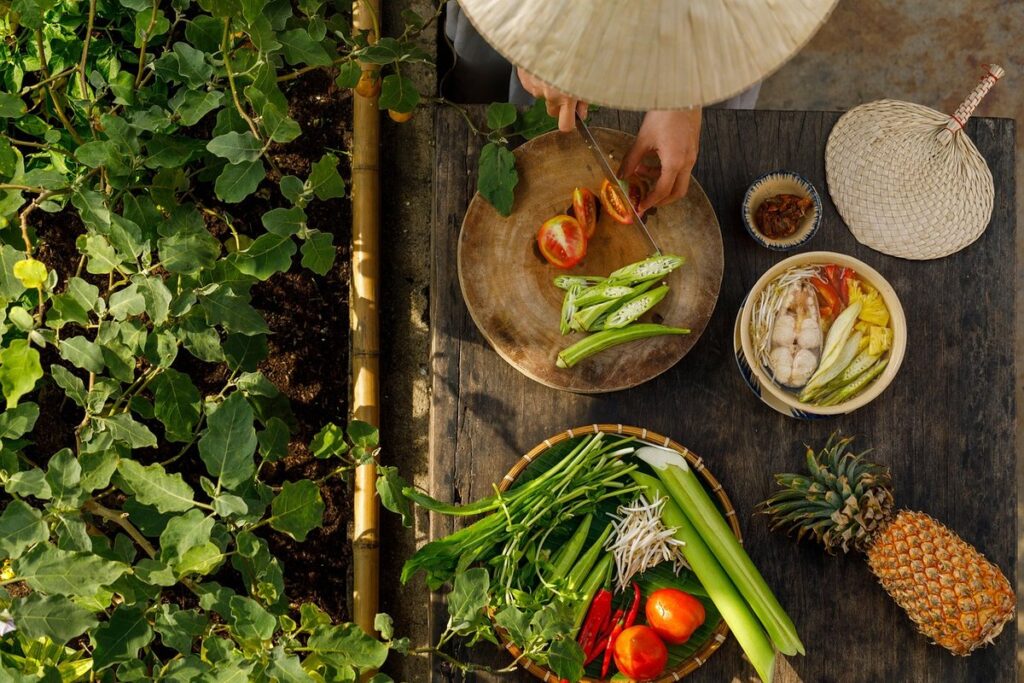
Fresh herbs and spices are the lifeblood of traditional Vietnamese cuisine. They add depth, aroma, and flavor to dishes without overpowering them. Popular ingredients like basil, mint, lemongrass, and chili peppers are staples in most Vietnamese households. The use of fresh herbs is particularly notable in Vietnamese cooking, as they’re often used in combination with spices and other aromatics to create a harmonious balance of flavors.
One common practice is to pair sweet herbs like basil and mint with spicy ingredients like chilies or chili peppers. This contrast not only adds flavor but also creates a visually appealing dish. For example, the classic Vietnamese spring roll typically includes fresh herbs like mint and cilantro, which complement the shrimp and vegetables inside.
When using fresh herbs in your cooking, it’s essential to use them just before serving. This ensures their aroma and flavor are preserved. A general rule of thumb is to chop or bruise the herbs slightly before adding them to a dish. This releases their oils and intensifies their flavor. Some popular ways to incorporate fresh herbs into your meals include using them as garnishes, adding them to sauces or marinades, or mixing them with other ingredients for salads and stir-fries.
Balance of Sweet, Sour, and Salty Flavors
In traditional Vietnamese cooking, balance and harmony are key principles that guide the creation of delicious and well-rounded dishes. A fundamental aspect of this balance is the interplay between sweet, sour, and salty flavors. These three taste elements must be carefully calibrated to achieve a harmonious whole.
The sweetness in Vietnamese cuisine often comes from ingredients like sugar, fish sauce, or hoisin sauce, which add depth and richness to dishes. In contrast, sourness is typically achieved through the use of citrus fruits, such as lime or lemon juice, or fermented ingredients like fish sauce or tamarind. Saltiness, on the other hand, is often provided by soy sauce, fish sauce, or salt itself.
To achieve balance in your own Vietnamese-inspired cooking, consider this simple formula: start with a sweet or savory base, then add a sour element to cut through richness and brighten flavors. Finally, sprinkle a pinch of salt to enhance overall taste. For example, in a traditional spring roll filling, you might combine ground pork (sweet), shredded carrots (tart from the vinegar they’re pickled in), and chopped cilantro (salty). By striking this balance, you’ll create dishes that are at once bold, refreshing, and authentic.
Regional Specialties and Street Food
From the spicy grilled pork skewers of Hanoi to the fresh seafood of Ho Chi Minh City, regional specialties are a major part of Vietnamese cuisine. Let’s take a closer look at some of these delicious local favorites.
Northern Vietnamese Cuisine
Northern Vietnam’s cuisine is shaped by its proximity to China and the Red River Delta’s fertile soil. This region is famous for its delicate yet bold flavors, often achieved through a combination of fresh herbs, seafood, and fermented ingredients. One popular street food is bun cha, a dish consisting of grilled pork served with rice noodles and a side of dipping sauce.
Bun cha is typically made with pork from the Cha Ca region, which is renowned for its leaner meat. To prepare it at home, you can look for similar cuts of pork or substitute with chicken. The key to bun cha’s flavor lies in the dipping sauce, which combines fermented fish sauce, lime juice, and a hint of chili.
Another popular dish from this region is banh cuon, thin rolls filled with shrimp, pork, and bean sprouts. These delicate rice flour sheets are often served with a sweet and spicy sauce made from hoisin sauce, sugar, and chili. When trying banh cuon at street stalls or restaurants, be sure to ask for the sauce on the side to control its sweetness level.
In Northern Vietnam, a light and refreshing broth is commonly used as a base for many dishes. This often involves simmering pork or chicken bones with ginger and onions, then straining the liquid before serving it over noodles or rice.
Southern Vietnamese Cuisine
Southern Vietnamese cuisine is characterized by its rich and vibrant flavors, often attributed to the region’s proximity to the sea. The dishes that originated from this area are distinct from those found in other parts of Vietnam, showcasing a unique blend of local ingredients and influences.
One of the most iconic southern Vietnamese dishes is goi cuon, also known as fresh spring rolls. Unlike their northern counterparts, which often feature grilled pork, southern goi cuon typically consists of shrimp, pork, and vegetables wrapped in rice paper. This dish allows for maximum freshness, with each bite bursting with flavors from the herbs, chilies, and fish sauce.
Another popular southern Vietnamese specialty is banh khot, a crispy mini cake made from a mixture of coconut milk and rice flour. These savory pastries are often served as an appetizer or snack, providing a delightful combination of textures and tastes. To fully appreciate these dishes, it’s essential to try them at street food stalls or local markets, where the vendors can provide insight into their preparation methods and ingredient sources.
Cultural Significance and Traditions
Traditional Vietnamese cuisine is deeply rooted in the country’s rich cultural heritage, where food plays a significant role in daily life and special occasions. Let’s take a closer look at the customs and traditions that surround this delicious and storied cuisine.
Family Gatherings and Mealtime Rituals
In Vietnamese culture, mealtimes are sacred events that bring families and friends together. A traditional Vietnamese meal is not just about sustenance; it’s an occasion to nurture relationships and strengthen bonds. When gathering for a meal, it’s customary to use chopsticks and sit on the floor or at a low table, fostering a sense of community and togetherness.
In many Vietnamese households, mealtimes begin with a prayer or a blessing, expressing gratitude for the food and company. The eldest family member typically leads this ritual, setting the tone for a harmonious mealtime experience. During meals, it’s considered polite to use both hands when serving yourself, rather than just one hand as is commonly practiced in Western cultures.
In Vietnamese culture, food is also deeply symbolic. Certain dishes are associated with good luck, prosperity, and longevity, making them ideal choices for special occasions like weddings and New Year’s celebrations. By understanding and respecting these traditions, visitors to Vietnam can experience the warm hospitality and rich cultural heritage of this beautiful country.
Festivals and Celebrations
Food plays a vital role in Vietnamese festivals and celebrations. One of the most significant events is Tet, the Lunar New Year, where families gather to share traditional dishes like banh chung (square glutinous rice cakes) and banh tet (cylindrical glutinous rice cakes). These sticky rice treats are made with a mixture of mung beans and pork, wrapped in banana leaves and steamed to perfection. During Tet, it’s customary for children to receive red envelopes filled with money, often accompanied by a traditional Vietnamese dessert like chung cake or banh tet.
Other significant celebrations include the Mid-Autumn Festival, where families come together to enjoy mooncakes and other sweet treats. These festivals are not just about feasting but also about honoring ancestors and paying respects to the gods. In Vietnamese culture, food is an integral part of spiritual practices, and traditional dishes are often served at altars or during ancestral worship ceremonies.
To experience these celebrations firsthand, visit a local Vietnamese market or community center during Tet or Mid-Autumn Festival. Try your hand at making traditional desserts like banh chung or mooncakes, or simply enjoy the festive atmosphere with family and friends. Whatever you choose, remember that food is an essential part of Vietnamese culture and plays a significant role in these joyous celebrations.
Frequently Asked Questions
Can I substitute fresh herbs with dried ones in traditional Vietnamese cooking?
Yes, while fresh herbs are preferred, you can use dried alternatives as a substitute. However, be aware that the flavor and aroma will differ significantly. For instance, dried basil may not have the same bright, citrusy taste as fresh basil. Use them sparingly and adjust seasoning accordingly to avoid overpowering your dish.
How do I balance the sweetness, sourness, and saltiness in my Vietnamese-inspired dishes?
Achieving harmony among these flavors is a delicate art. Start by balancing sweet and sour elements first, then add saltiness to taste. Consider the specific ingredients you’re using – for example, if you’re making a pho broth, aim for a balance between fish sauce, soy sauce, and lime juice. Remember that taste preferences vary greatly, so don’t be afraid to adjust seasonings on the fly.
What if I want to make traditional Vietnamese dishes without access to authentic ingredients? Can I find alternatives?
While authenticity is key in cooking, it’s not impossible to adapt dishes with alternative ingredients. For instance, if you can’t find fish sauce, use a combination of soy sauce and lime juice as a substitute. Be cautious, though – altering too many ingredients can alter the dish beyond recognition. Experiment carefully and taste frequently to adjust seasoning.
How do I navigate the cultural significance of food in Vietnamese culture during festivals and celebrations?
Traditional Vietnamese cuisine plays a pivotal role in celebrating important holidays like Tet. When participating or hosting these events, respect local customs by serving traditional dishes and following etiquette guidelines (such as using both hands when eating). Also, consider the symbolic meanings behind certain foods – for example, banh tet represents good fortune during Tet.
Can I make traditional Vietnamese street food at home without a lot of equipment?
While authentic street food vendors rely on specialized cooking techniques and gear, you can still replicate dishes at home with minimal equipment. For instance, making banh mi requires only a toaster or grill for toasting the bread and a few basic kitchen tools for assembling ingredients. Focus on mastering fundamental cooking techniques like stir-frying, steaming, and grilling, which are essential in Vietnamese cuisine.