Alternative culture has long been a breeding ground for creativity, self-expression, and social commentary. But its impact on mainstream society extends far beyond just fashion trends or music genres. Alternative subcultures have consistently pushed boundaries and challenged norms, often serving as a catalyst for broader cultural shifts. From punk’s anti-establishment ethos to hip-hop’s gritty realism, each wave of alternative culture has offered a unique lens through which we can view the world. As social media platforms continue to blur the lines between high and low culture, it’s more important than ever to examine the complex intersections of politics, fashion, and online identity that define contemporary alternative subculture. In this article, you’ll explore the evolution of alternative culture, its influence on mainstream society, and its role in shaping our collective values and aesthetics.
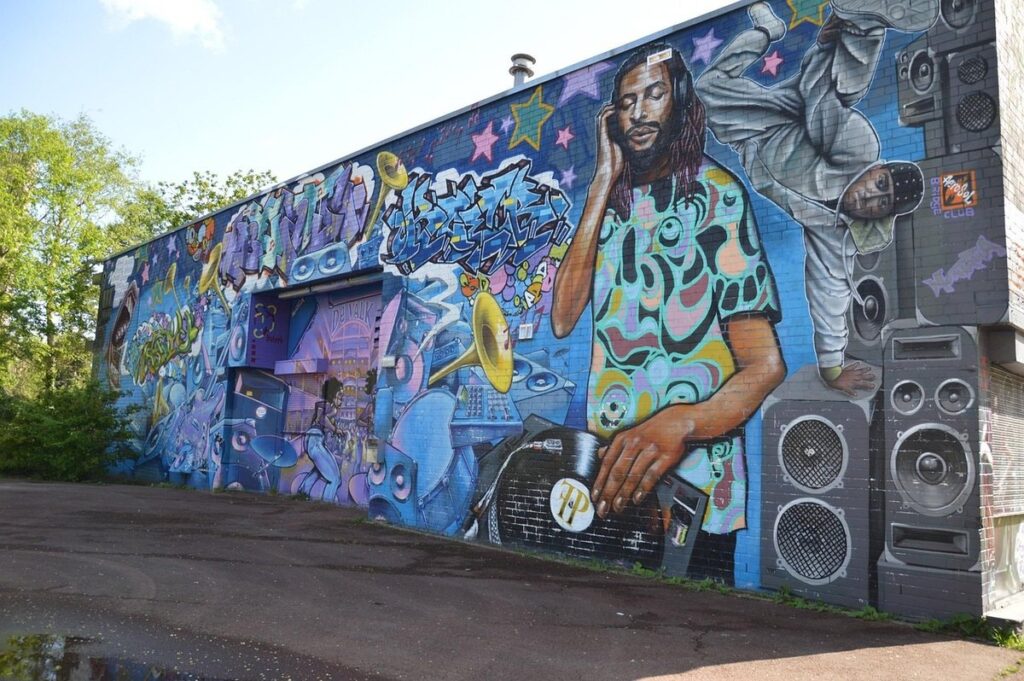
Understanding Alternative Culture
Alternative culture is often misunderstood, so let’s break down its key characteristics and what drives individuals to be part of these diverse subgroups. From music to fashion, every aspect is a deliberate choice reflecting their unique identity.
Origins of Counterculture
The countercultural movements of the 1960s hippie movement and punk rock emerged as reactions against mainstream values and societal norms. In the US, the hippie movement began to take shape on college campuses and in urban areas like San Francisco’s Haight-Ashbury neighborhood. Inspired by Eastern spirituality and nonconformist ideals, young people created alternative communities that rejected materialism and consumer culture.
In Europe, particularly in Britain and Germany, punk rock became a defining feature of the late 1970s counterculture. Punk musicians like The Clash and Sex Pistols addressed social issues like unemployment, inequality, and government control through their music. Punks rejected mainstream fashion and aesthetics, embracing ripped fishnets, spiked hair, and DIY ethos.
The intersection of music, art, and politics in these movements fostered a sense of community among those who felt marginalized or disillusioned with mainstream culture. While countercultural expressions varied widely, they shared a common desire for creative freedom, autonomy, and self-expression.
Key Principles of Alternative Culture
Alternative culture values individuality above all else. This means that each member is free to express themselves without fear of judgment or rejection. As a result, alternative subcultures are often characterized by a diverse range of styles, from fashion to music. Nonconformity is also a core value, with many members rejecting mainstream norms and expectations.
This emphasis on individuality and nonconformity creates an environment that encourages creative expression. Members are able to experiment with different forms of art, fashion, and music without the constraints of traditional rules or expectations. For example, in some alternative subcultures, self-expression is extended to include body modification, such as tattoos or piercings.
However, this freedom can also be a double-edged sword. Without clear guidelines or norms, some members may feel overwhelmed by the sheer diversity of styles and expressions. To navigate this, new members often learn through observation and participation, taking cues from more experienced individuals within the community. By embracing individuality and nonconformity, alternative subcultures provide a space for creative expression and self-discovery that is unique to each member.
The Impact on Mainstream Society
Alternative culture has a profound impact on mainstream society, influencing fashion, music, and art in ways both subtle and overt. For instance, consider the rise of streetwear as a dominant force in high-end fashion. Brands like Gucci and Louis Vuitton have incorporated elements from alternative subcultures, such as graffiti and skateboarding aesthetics, into their designs. This blending of styles has contributed to a more inclusive and diverse fashion landscape.
In music, artists from alternative genres like hip-hop and electronic have pushed the boundaries of mainstream soundscapes. The likes of Kendrick Lamar and Kanye West have used their platforms to experiment with new sounds and explore themes previously overlooked in mainstream rap. As a result, their influence can be seen in the way other artists approach genre-bending and innovation.
The art world has also been impacted by alternative culture, as galleries and museums increasingly showcase works from emerging artists who challenge traditional notions of creativity. The rise of online platforms has democratized access to art, allowing for more diverse voices to be heard and recognized. By embracing these alternative influences, mainstream society can foster a more inclusive environment that celebrates creative expression in all its forms.
Subcultures Within Alternative Culture
Within alternative culture, diverse subgroups emerge, each with their own distinct styles and philosophies. From goth to skater punk, these subcultures add richness and depth to the broader alternative scene.
Punk Rock Subculture
Punk rock subculture emerged in the mid-1970s as a reaction to mainstream music and societal norms. Key figures like Malcolm McLaren and Jamie Reid played a significant role in shaping its aesthetic, with McLaren’s Sex Pistols and Reid’s punk-inspired artwork influencing the movement. Notable bands such as The Clash, The Ramones, and Black Flag helped define punk rock’s sound.
Punk rock’s intersection with the DIY ethos was crucial to its identity. Bands self-released music on labels like Dischord Records and SST Records, circumventing commercial channels. This DIY approach extended beyond music production; punk fans took part in creating their own zines, fashioning their own clothes, and participating in community-driven initiatives.
Social activism also played a vital role within the punk subculture. Many punk bands addressed issues like government control, war, and economic inequality through their lyrics. Bands like The Dead Kennedys and Crass explicitly incorporated anarchist and socialist ideologies into their music and visuals. By embracing DIY production methods and addressing social concerns, punk rock subculture fostered a sense of community and collective action among its adherents.
Goth Subculture
Goth subculture emerged in the late 1970s and early 1980s in the UK, drawing inspiration from post-punk bands like Joy Division and Siouxsie and the Banshees. Its aesthetic is characterized by dark colors, fishnet stockings, leather corsets, and heavy makeup. This visual representation was influenced by the connection to deathrock, a genre that celebrated mortality and the macabre.
Musically, goth subculture was closely tied to industrial music, with bands like The Sisters of Mercy and Bauhaus incorporating elements of noise and dissonance into their soundscapes. Thematically, goths explored topics of love, loss, and existential crisis through lyrics and imagery. In terms of expression, gothic fashion encouraged experimentation and individuality, allowing adherents to express their emotions and inner experiences through physical appearance.
The influence of deathrock can be seen in the goth obsession with mortality, reflecting a fascination with the unknown and the darker aspects of life. As a result, goths often drew on literary and artistic references from Edgar Allan Poe to Emily Brontë, finding solace in the melancholy and introspection that characterized this aesthetic.
Cyberpunk Subculture
Cyberpunk’s unique fusion of technology and counterculture has captivated audiences with its futuristic visions and anti-capitalist themes. This subculture emerged in the 1980s as a reaction to mainstream society’s conformity, drawing inspiration from science fiction and philosophical critiques of modernity.
At its core, cyberpunk rejects the idea that technological progress is inherently beneficial or inevitable. Instead, it explores the darker aspects of technological advancements, highlighting issues like surveillance, corporate control, and social inequality. William Gibson’s novel “Neuromancer” (1984) is a seminal work in this movement, envisioning a world where virtual reality has become indistinguishable from reality itself.
Cyberpunk’s influence can be seen in music, fashion, and art, with fans often incorporating elements like neon lights, metallic accents, and futuristic motifs into their aesthetic. This fusion of style and ideology has created a distinct identity within alternative culture, one that encourages creative expression and critique of societal norms. By embracing the intersection of technology and counterculture, cyberpunk inspires individuals to think critically about the consequences of emerging technologies on human society.
The Role of Fashion in Alternative Culture
Fashion plays a vital role in defining alternative culture, serving as a powerful medium for self-expression and identity formation. From statement pieces to everyday wear, clothing choices are a key aspect of subcultural identity.
Streetwear and High-End Fashion Crossovers
Luxury fashion brands have long been associated with high-end style and exclusivity. However, in recent years, many have made a conscious effort to incorporate alternative style elements into their designs. Gucci’s iconic Dapper Dan collaboration is a prime example of this trend. The brand’s decision to partner with the Harlem-based designer not only gave the house a much-needed injection of creativity but also helped to blur the lines between high-end and streetwear.
Prada has taken a similar approach, experimenting with bold logos and edgy silhouettes in its menswear collections. Even traditionally conservative brands like Louis Vuitton have joined the fray, collaborating with artists and designers from alternative backgrounds. The result is a fashion landscape that’s more diverse and expressive than ever before. As consumers become increasingly aware of their own personal style and how it intersects with broader cultural trends, luxury brands are taking notice – and adapting accordingly. By embracing alternative aesthetics, these brands have managed to create a sense of inclusivity and relevance in the fashion world.
Iconic Alternative Style Pieces
Fishnet stockings, leather jackets, and oversized denim are not just fashion items – they’re symbols of identity and belonging. Within alternative subculture, certain garments have become synonymous with specific scenes. The goth subculture, for instance, often incorporates dark colors, intricate lace, and Victorian-inspired accessories to create a dramatic aesthetic.
In contrast, the punk scene frequently features ripped fishnet tops, spiked chokers, and safety-pinned clothing as a bold statement against mainstream norms. These distinctive looks not only express individuality but also serve as a badge of honor within their respective subcultures. By donning these iconic pieces, individuals signal to others that they share similar values, interests, or attitudes.
When incorporating alternative style pieces into your wardrobe, consider the context and community you’re interacting with. Be respectful of cultural appropriation by learning about the history and significance behind certain garments. You can also experiment with DIY modifications to make classic looks more personal and unique to your own subcultural affiliation. This way, fashion becomes an integral part of expressing yourself within alternative culture – a visual representation of your values and passions.
Alternative Culture’s Influence on Contemporary Society
From cyberpunk aesthetics to avant-garde fashion, alternative subculture has seeped into mainstream style and art, blurring boundaries between high and low culture. How has this influence impacted contemporary society?
Social Media and Online Communities
Social media platforms have revolutionized the way alternative subcultures express themselves and reach a wider audience. Platforms like Instagram and TikTok have become breeding grounds for alternative voices, allowing individuals to showcase their unique styles, talents, and perspectives. Hashtags like #goth, #indie, and #alternative serve as virtual gathering spaces, connecting like-minded individuals from all over the world.
However, social media’s influence on alternative subculture extends beyond self-expression. It has also created new online communities that blur the lines between reality and performance art. For example, digital personas and avatars have become increasingly popular among some subcultures, allowing individuals to experiment with different identities and forms of self-presentation. This raises important questions about authenticity and the performative nature of identity in the digital age.
To participate meaningfully in these online communities, it’s essential to be aware of the ways in which social media platforms shape our experiences of alternative culture. This includes being mindful of the curated nature of online personas and the potential for performances of self to overshadow genuine expression. By doing so, we can navigate these spaces with a critical eye and engage more thoughtfully with the diverse voices and perspectives that alternative subculture has to offer.
Mainstream Co-optation: Selling the Authentic Experience
The mainstream co-optation of alternative culture has led to a watering down of its original intent. Concerts and festivals, once havens for underground expression, have become heavily commercialized events catering to a broad audience. The rise of “authentic” festivals like Coachella and Lollapalooza has created a paradox: what was once a counter-cultural movement is now a commodity.
Subcultural symbols, such as band logos and punk rock aesthetics, are being co-opted by mainstream brands seeking to appear edgy and cool. For example, Vans and Supreme have collaborated on clothing lines that blur the line between genuine subculture and corporate appropriation. This commodification erodes the meaning behind these symbols, turning them into mere fashion statements.
To maintain authenticity in a sea of commercialism, consumers must be discerning. When attending concerts or festivals, look beyond the surface-level branding and seek out local or underground acts that haven’t been co-opted by mainstream interests. Be wary of merchandise that appropriates subcultural symbols without understanding their context or meaning. By doing so, you can experience alternative culture on its own terms, rather than as a watered-down, commercialized imitation.
The Relationship Between Alternative Culture and Politics
Alternative culture often finds itself at the forefront of social change, pushing boundaries and challenging traditional norms. Let’s examine how alternative subculture intersects with politics.
Intersectionality in Alternative Subculture
Alternative subcultures have long been at the forefront of social justice movements. The intersectionality of these subcultures is a key aspect of their appeal and influence. For instance, LGBTQ+ individuals within the punk scene have used their platform to raise awareness about issues like police brutality and queerphobia.
In feminist circles, Riot Grrrl’s DIY ethos and emphasis on female empowerment have inspired generations of activists. Meanwhile, racial equity has been a driving force behind subcultures like Afropunk, which celebrates African diasporic culture and challenges traditional notions of identity.
To truly understand the intersectionality at play within alternative subculture, consider attending events that bring together multiple social justice movements. For example, festivals like Pride or Queer Fest often showcase a diverse array of performers, artists, and activists working towards common goals. By engaging with these intersections, you can tap into the collective energy and momentum driving social change.
In doing so, you’ll gain a deeper appreciation for the complex relationships between subcultures and social justice movements. This understanding can also inform your own participation in alternative culture – helping you identify areas where you can make the most impact and contribute to meaningful conversations.
Resistance and Activism Through Art and Music
Alternative culture has long been a powerful tool for resisting oppressive systems. Through art and music, individuals can express dissent and mobilize communities against government control and corporate power. A classic example is punk rock’s emergence in the late 1970s as a reaction to societal conformity and commercialism. Bands like The Clash and The Sex Pistols used their music to critique the establishment and inspire rebellion.
Today, alternative culture continues to play a vital role in resisting oppressive systems. From graffiti and street art to underground music festivals, marginalized communities are using creative expression as a form of resistance against government control and corporate power. For instance, the global Occupy Wall Street movement utilized art and music to bring attention to economic inequality and corporate greed.
To get involved in this type of activism, consider attending local alternative events or participating in DIY art projects that critique oppressive systems. You can also support artists and musicians who are using their work as a form of resistance by attending their shows, buying their merchandise, or sharing their content online. By leveraging the power of creative expression, individuals can contribute to a more just and equitable society.
Conclusion: The Power and Significance of Alternative Culture
The conclusion of our exploration into alternative subculture is two-fold. On one hand, it highlights the significance of this realm as a space for marginalized voices to be heard. Alternative culture provides an outlet for individuals who don’t conform to mainstream norms to express themselves authentically. This authenticity breeds creativity and innovation, often contributing significantly to art, music, and literature.
On the other hand, alternative subculture also carries immense power in shaping societal attitudes and values. By promoting diversity and inclusivity, it serves as a counterbalance to dominant ideologies. The impact of this can be seen in its influence on fashion trends, with designers incorporating elements from these styles into their collections. Moreover, the sense of community fostered within alternative subculture empowers individuals to take a stand against social injustices and challenge norms that no longer serve them.
Frequently Asked Questions
Can I adopt elements of alternative culture without being seen as inauthentic?
Yes, it’s possible to incorporate elements of alternative culture into your personal style without coming across as pretentious. The key is to understand and appreciate the context and history behind these styles, rather than simply copying them. Be respectful and genuine in your approach, and don’t be afraid to ask questions or seek guidance from members of the community.
How can I balance my love for alternative culture with being part of mainstream society?
Alternative culture often values individuality and nonconformity, which can sometimes clash with mainstream expectations. One way to navigate this is by finding ways to express your uniqueness within mainstream settings. For example, you could wear alternative-inspired clothing in a more subtle or incorporated way, such as through accessories or hair styles.
What if I’m not sure which subculture aligns with my values and interests?
Alternative culture encompasses a wide range of subcultures, each with its own unique identity and aesthetic. Experimenting with different styles and attending events related to various subcultures can help you find what resonates with you. Don’t be afraid to explore and try new things – it’s all part of the process of discovering your place within alternative culture.
How do I know when a mainstream brand is genuinely embracing alternative style, versus just co-opting it for commercial gain?
Look for signs that the brand has made genuine efforts to understand and incorporate the aesthetic or values of the subculture. For example, they might partner with artists or designers from within the community, or feature authentic stories and images in their marketing campaigns. It’s also worth paying attention to whether the brand is transparent about its intentions and commitment to sustainability and social responsibility.
What are some practical ways I can contribute to alternative culture, beyond just attending events or buying merchandise?
There are many ways to participate in and support alternative culture, such as creating your own art or music, volunteering for organizations that align with the community’s values, or even hosting your own gatherings or workshops. Think creatively about how you can use your skills and talents to contribute positively to the community – it could be anything from organizing a DIY zine project to teaching others about sustainable fashion practices.