Fashion has always been a powerful tool for self-expression, but did you know that many people find their identity through joining or creating fashion subcultures? From goth and punk to hip-hop and emo, these styles have not only influenced mainstream fashion but also provided a sense of belonging and community for those who feel like outsiders. By embracing the aesthetics and attitude of different subcultures, individuals can express their individuality in ways that reflect their values, interests, and personality. In this article, we’ll explore the history and significance of fashion subcultures, from their origins to their impact on modern society. We’ll also delve into how you can incorporate unique styles from various subcultures into your wardrobe, allowing you to stand out as a confident and authentic individual who’s not afraid to express themselves through fashion.
History of Fashion Subcultures
From punk rock’s rebellious roots in 1970s London to the vibrant colors of 1980s hip-hop culture, each fashion subculture has its own unique history and style evolution. Let’s take a closer look at the key moments that shaped these iconic styles.
Origins of Fashion Subcultures
The emergence of fashion subcultures dates back to the 19th century, when industrialization and urbanization led to significant social and economic changes. The rise of factories created a new class of workers who sought to express their identities through fashion. One notable example is the flâneur movement in Paris, where artists and writers like Charles Baudelaire and Émile Zola rejected mainstream culture and adopted eccentric styles.
The Victorian era’s strict social norms also spawned subcultures that defied convention. The dandyism of Beau Brummell, who popularized clean-cut, elegant attire, exemplified a rebellion against the restrictive dress codes of the time. Similarly, the working-class aesthetic of the “costermonger” in 19th-century London was characterized by practical yet expressive clothing.
These early subcultures demonstrate how social and economic factors can shape fashion choices. By understanding these historical precursors to modern-day fashion subcultures, we can appreciate the ways in which people have always used clothing as a means of self-expression and resistance.
Key Players in Shaping Fashion Subcultures
Notable figures such as Vivienne Westwood and Malcolm McLaren played a significant role in shaping the punk fashion subculture. Westwood’s designs, which often incorporated historical references and DIY elements, challenged traditional notions of fashion and beauty. McLaren, on the other hand, used his King’s Road boutique, Sex, to showcase the raw energy and anti-establishment spirit of punk.
In the 1980s, designers like Jean Paul Gaultier and Rei Kawakubo pushed boundaries with their avant-garde collections. Gaultier’s use of historical references and unconventional fabrics helped popularize the aesthetic of the “dandy.” Meanwhile, Kawakubo’s Comme des Garçons was known for its deconstructionist approach to fashion, often featuring garments that were intentionally imperfect or incomplete.
Influencers like Kate Moss and David Bowie also contributed significantly to shaping various fashion subcultures. Moss’s minimalist style and grunge-inspired looks influenced the British supermodel landscape of the 1990s. Bowie’s bold experimentation with fashion and music paved the way for future generations of artists and performers who would use fashion as a form of self-expression.
Major Fashion Subcultures
Fashion subcultures are a vibrant tapestry of styles that reflect individuals’ personalities, interests, and values. In this section, we’ll delve into some of the most iconic and enduring fashion subcultures that continue to inspire self-expression.
Streetwear: From Skaters to High-End Fashion
Streetwear emerged from 1990s skate culture in California, where skaters like Tony Alva and Rodney Mullen wore bold, functional clothing to express their identity. This early streetwear aesthetic was characterized by graphic t-shirts, baggy pants, and sneakers designed for performance rather than fashion. As skateboarding gained popularity, its style influenced other urban youth subcultures.
In the 2000s, streetwear began to intersect with high-end fashion through collaborations between niche brands like Supreme and luxury labels like Louis Vuitton. This unexpected fusion challenged traditional notions of fashion’s social hierarchy. Today, streetwear is a global phenomenon, with major brands like Nike and Adidas incorporating skate-inspired designs into their collections.
To incorporate elements of streetwear into your wardrobe, look for pieces that blend functionality with bold graphics or logos. A well-worn pair of sneakers, for example, can add an authentic touch to an outfit. Don’t be afraid to mix high-end and low-end items – the key is balance, not brand loyalty. By embracing this fusion of styles, you’ll find yourself at the forefront of fashion’s ever-changing landscape.
Goth Culture: Aesthetic and Attitude
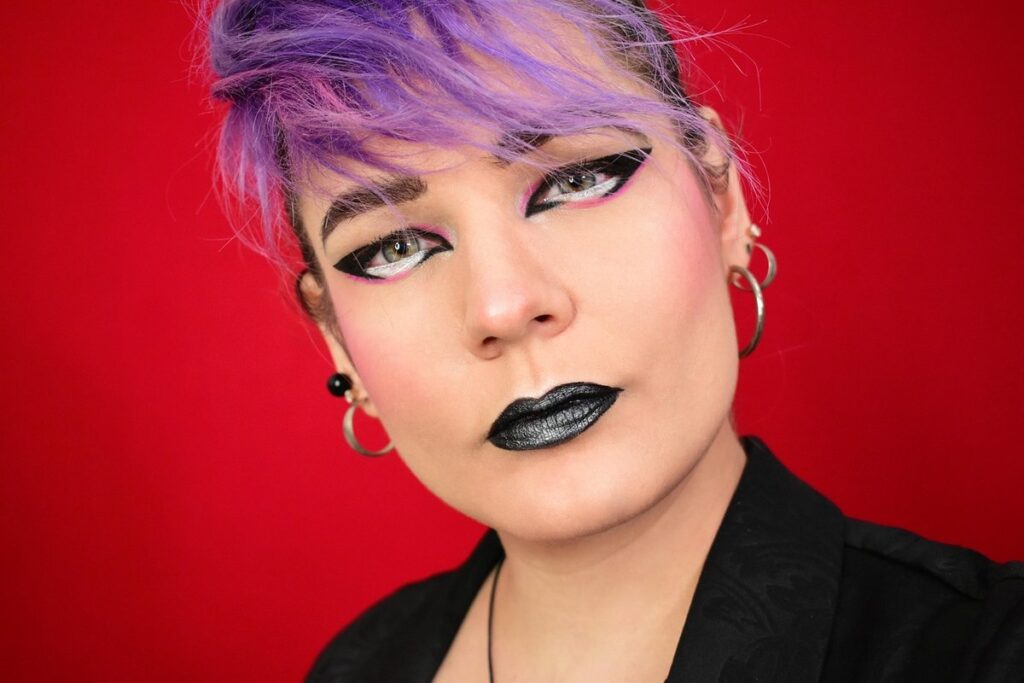
Goth culture is often misunderstood as a singular style, but it’s a complex aesthetic and attitude that has evolved over time. The goth subculture emerged in the late 1970s and early 1980s, influenced by punk rock’s anti-establishment sentiments and post-punk’s exploration of darker themes. Key elements of the goth look include black clothing, fishnet stockings, leather jackets, and heavy makeup.
The goth style is often associated with a fascination for death, mourning, and the supernatural. This fixation on the macabre is not merely aesthetic; it reflects a goth attitude that rejects mainstream values and celebrates individuality. Goths tend to view life as fleeting and ephemeral, which informs their appreciation for the darker aspects of existence.
In terms of practical application, embracing the goth style requires a willingness to experiment with bold, contrasting colors and textures. Don’t be afraid to mix and match patterns, like stripes and florals, or pair heavy boots with flowing dresses. The goth aesthetic is about self-expression, so feel free to adapt it to your own tastes and preferences.
Subcultural Elements and Significance
So, what makes a fashion subculture truly unique? Let’s take a closer look at the distinctive elements that set each style apart from the mainstream.
Music’s Role in Fashion Subcultures
Music has long been a driving force behind fashion subcultures. Genres like punk rock, with its DIY ethos and anti-establishment sentiment, fostered a style that was raw, rebellious, and intentionally unpolished. In contrast, hip-hop’s early days saw the emergence of bold, graphic prints and athletic wear-inspired streetwear, which eventually gave rise to the luxury streetwear trend. Electronic music, meanwhile, has influenced everything from futuristic, high-tech fashion to nostalgic, retro-futuristic styles.
The interplay between music and style is cyclical: musicians often express their aesthetic through fashion choices, which in turn influence their fans’ style. For example, David Bowie’s bold experimentation with glam rock fashion paved the way for subsequent generations of artists to push boundaries with their style. Conversely, fashion designers like Vivienne Westwood and Malcolm McLaren leveraged punk rock’s energy and DIY ethos to create clothing that reflected the subculture’s values.
To tap into this dynamic, consider attending concerts or festivals that align with your interests, where you can observe and draw inspiration from others’ styles. You might also try incorporating elements of your favorite music genre into your wardrobe through accessories, such as a punk-inspired band tee or a pair of statement-making sneakers inspired by hip-hop’s love of bold, colorful kicks.
Influence on Mainstream Culture
When fashion subcultures gain widespread recognition, their influence can be seen in mainstream culture. High-fashion brands and designers often incorporate elements from these subcultures into their collections, making them more relatable and desirable to a broader audience. This phenomenon is evident in the adoption of streetwear by luxury brands, who have begun to feature sneakers, hoodies, and other staples associated with skate and hip-hop cultures.
Designers like Virgil Abloh and Riccardo Tisci have credited their experiences within specific subcultures as inspiration for their designs. For example, Abloh’s work at Louis Vuitton was influenced by his affiliation with the Chicago hip-hop scene, where he drew from the city’s vibrant streetwear aesthetic. To understand how fashion subcultures can influence mainstream culture, pay attention to the way designers describe their inspirations and note which brands are successfully incorporating elements of these styles into their collections. By doing so, you’ll be better equipped to identify emerging trends and incorporate unique, authentic pieces into your wardrobe.
Fashion Subculture and Identity
As we explore the fascinating world of fashion subcultures, it’s essential to examine how these styles shape our identities and express our personalities. Unique fashion choices often reveal a lot about who we are and what we value.
Expression of Self Through Fashion
Through fashion, individuals can convey their values, attitudes, and personality traits. This self-expression is a fundamental aspect of human identity, and fashion subcultures offer a unique platform for people to showcase their individuality. By adopting certain styles or aesthetics, individuals signal membership in a specific community, which often shares similar interests, lifestyles, or worldviews.
For instance, the punk movement’s anti-establishment ethos is reflected in its bold, DIY-inspired fashion choices. Similarly, the Lolita subculture’s fascination with Victorian-era aesthetics and delicate details serves as a means of expressing their love for nostalgia and refinement. By donning these styles, individuals not only express themselves but also connect with like-minded peers who share similar tastes and values.
To tap into this world of self-expression through fashion, start by observing the style cues and visual hallmarks associated with specific subcultures. Familiarize yourself with iconic looks, key fabrics, or accessories that define each community’s aesthetic. As you delve deeper, experiment with incorporating these elements into your own wardrobe, allowing you to embody and express your unique identity through fashion choices.
Intersectionality in Fashion Subcultures
In fashion subcultures, intersectionality plays a significant role in shaping individual styles. The combination of race, gender, class, and other factors influences how people express themselves through clothing. For instance, the 1990s riot grrrl movement, primarily driven by young white women, often overlooked the experiences of women of color within the scene. This erasure was reflected in the music, fashion, and overall aesthetic of the movement.
Similarly, within the hip-hop community, there’s a long-standing debate about cultural appropriation versus homage. Some argue that designers like Gucci and Prada profiting from African American culture is an issue of intersectional class and racial inequality. Others claim it’s a matter of respect and admiration for black style. To navigate these complex issues, consider the following: listen to critiques from within the community, acknowledge the historical context of cultural exchange, and be mindful of power dynamics.
Avoid reducing individuals or subcultures to a single characteristic, like “tattooed punk” or “feminist chic.” This reduction not only erases complexities but also perpetuates stereotypes. By acknowledging intersectionality, you can develop a more nuanced understanding of fashion subcultures and their participants’ individual experiences.
The Impact of Digital Age on Fashion Subcultures
The digital age has revolutionized the way fashion subcultures form and evolve, allowing for global connections and collaborations that were previously unimaginable. Let’s explore how this shift is impacting the world of style and self-expression.
Social Media’s Role in Amplifying Subcultural Styles
Social media has become a crucial platform for showcasing and sharing different fashion subcultures. On one hand, it provides a space for individuals to express themselves freely and connect with like-minded people who appreciate their unique style. Platforms like Instagram and TikTok have given rise to micro-influencers and content creators who are able to build dedicated followings around specific subcultural styles, such as cybergoth or streetwear.
This celebration of diversity can lead to a more inclusive and accepting environment, where individuals feel encouraged to experiment with different looks and express their individuality. For example, the #FashionRevolution movement has used social media to promote sustainable fashion practices and challenge traditional beauty standards.
However, there are also negative impacts associated with social media’s influence on fashion subcultures. The commercialization of subcultural styles can lead to homogenization, as brands capitalize on popular trends and dilute their original meaning. This can result in a loss of authenticity and exclusivity for the subculture itself.
The Future of Fashion Subcultures in the Digital Age
As fashion subcultures continue to adapt to the digital age, they will likely become even more niche and specialized. With the rise of social media platforms like TikTok and Instagram, influencers and content creators can now reach a global audience with ease, creating new opportunities for subcultures to emerge and thrive. For instance, micro-influencers on TikTok have given birth to new trends such as “soft grunge” and “e-girl aesthetics,” which blend vintage and modern styles.
However, this increased visibility also raises concerns about cultural appropriation and the homogenization of unique styles. To avoid contributing to these issues, fashion enthusiasts can take a more thoughtful approach to engaging with subcultures online. For example, they can research the origins and history behind a particular style, support independent designers and brands, and engage in respectful dialogue with members of the subculture.
Ultimately, the future of fashion subcultures will depend on how individuals choose to consume and participate in them. By being mindful of their online actions and taking steps to appreciate the diversity of styles, consumers can help preserve the authenticity and individuality that defines these unique communities.
Conclusion
As we conclude our exploration of fashion subcultures, let’s summarize key takeaways and reflect on how you can apply these insights to your personal style.
Recap of Key Points
The exploration of fashion subcultures has shed light on their rich history, profound impact, and significant influence. A brief recap of key points highlights the importance of understanding these unique styles. Historically, fashion subcultures have emerged as a form of self-expression and resistance against mainstream norms. The punk movement’s anti-establishment ethos and DIY aesthetic, for instance, continues to inspire contemporary fashion.
The impact of fashion subcultures extends beyond aesthetics; they often drive cultural and social change. The hip-hop culture’s influence on high-end fashion is evident in the incorporation of athletic wear into luxury designs. Similarly, the cybergoth movement’s dark, futuristic style has paved the way for avant-garde fashion trends.
In embracing unique styles, it’s essential to recognize that fashion subcultures are not mutually exclusive. Rather, they often intersect and inform one another. For instance, the goth aesthetic frequently incorporates elements of punk and Victorian-era romanticism. By acknowledging and appreciating these connections, individuals can expand their personal style and foster a deeper understanding of the complexities within fashion subcultures.
Call to Action: Embracing Your Unique Style
As you’ve navigated through the diverse world of fashion subcultures, it’s time to reflect on how these styles can inform and inspire your own personal aesthetic. Take a closer look at the aspects that resonate with you: perhaps it’s the eclecticism of punk rock style, the androgyny of 80s new wave, or the colorful expressionism of rave culture. Identify what draws you to each subculture – is it their rejection of mainstream norms, their celebration of individuality, or something else entirely?
Once you’ve pinpointed your interests, start experimenting with incorporating elements from these styles into your wardrobe and daily routine. Try pairing a pair of combat boots with a flowy sundress for a punk-inspired take on femininity, or layering a graphic tee under a tailored blazer for a new wave nod to androgyny. Don’t be afraid to mix-and-match; fashion subcultures are not about rigid adherence, but about creative interpretation.
Remember, embracing your unique style is about cultivating confidence and self-expression, rather than trying to fit into a predetermined category. By embracing the diversity of fashion subcultures, you’ll unlock a world of possibilities for reimagining and reinventing your personal style.
Frequently Asked Questions
Can I join multiple fashion subcultures at once?
You can definitely experiment with styles from different subcultures to create your unique look. In fact, many individuals blend elements from various subcultures to express their diverse interests and identities. This approach allows you to explore different aesthetics without feeling confined to a single style.
How do I know if I’m being genuine in my fashion choices or just following trends?
Genuine self-expression through fashion involves embracing aspects of yourself that resonate with certain styles, rather than merely mimicking popular trends. Reflect on your values, interests, and personality traits to ensure your fashion choices align with who you are.
What if I want to start a fashion subculture of my own? How do I go about it?
Starting a new fashion subculture requires dedication and creativity. Identify a unique perspective or niche in the market that resonates with you, then build a community around this idea through social media, events, or collaborations with like-minded individuals.
Can I use fashion subcultures as a form of activism or to make a statement?
Fashion has long been used as a means of self-expression and protest. You can certainly incorporate elements from various subcultures into your wardrobe as a way to showcase solidarity with certain causes or express dissent against societal norms. However, be mindful of cultural appropriation and ensure that your intentions are respectful.
How do I balance individuality with the influence of mainstream culture?
Finding this balance requires an open-minded approach to fashion. Experiment with styles from various subcultures while maintaining awareness of how they intersect with mainstream trends. By doing so, you can create a unique look that reflects both your personal taste and your understanding of broader cultural contexts.