Native Hawaiian flowers are a true treasure of the islands. These stunning blooms not only add beauty to the landscape but also play a vital role in supporting local ecosystems and preserving cultural heritage. With over 1,000 species found nowhere else on earth, native Hawaiian flowers are a unique and precious resource that deserves our attention and care. Unfortunately, many of these species are facing threats due to habitat loss, invasive species, and climate change. This is why learning how to identify, grow, and conserve native Hawaiian flowers at home is not only possible but also essential for supporting conservation efforts in Hawaii. By the end of this article, you’ll know how to spot some of the most iconic native flowers, learn tips on growing them successfully, and understand their significance in preserving Hawaii’s unique botanical heritage.
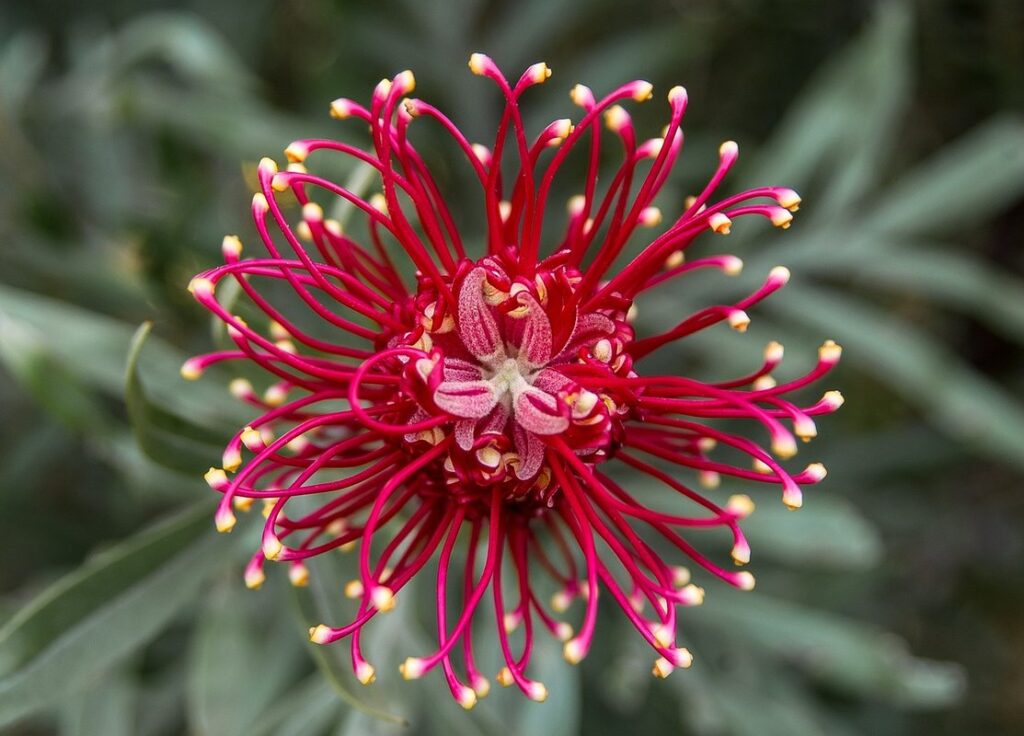
The Unique Characteristics of Native Hawaiian Flora
One of the most fascinating aspects of native Hawaiian flowers is their distinct adaptations to the islands’ unique environment, shaped by millions of years of evolution.
Their unusual characteristics have enabled them to thrive in this tropical paradise.
Understanding the Importance of Endemic Species
Native Hawaiian flowers are a vital component of the islands’ delicate ecosystem. Endemic species play a crucial role in maintaining biodiversity by providing unique pollination services and supporting local food chains. For example, the yellow hibiscus (Hibiscus brackenridgei) is a vital food source for the endangered palila bird, while the silversword plant (Argyroxiphium sandwicense) relies on native bees for pollination.
By conserving endemic species, you can help preserve Hawaii’s rich cultural heritage. Many of these flowers hold significant meaning in Hawaiian culture, representing love, respect, and spiritual connection to the land. The ma’o hau hele (Yellow Hibiscus), for instance, is a revered symbol of the islands’ history and identity.
To appreciate the importance of endemic species, consider exploring Hawaii’s natural landscapes and learning about the native flowers that inhabit them. Visit protected areas like Haleakala National Park or the Hawaiian Islands Nature Reserve to witness these unique species in their natural habitat. By doing so, you’ll not only deepen your understanding of Hawaii’s flora but also contribute to the islands’ ongoing conservation efforts.
Adaptation to the Hawaiian Climate
Native Hawaiian flowers have developed remarkable adaptations to survive and thrive in Hawaii’s tropical climate. One key adaptation is drought tolerance – many species can conserve water by storing it in their thick stems, tubers, or underground rhizomes. For example, the Hawaiian hibiscus (Hibiscus brackenridgei) has a deep taproot that allows it to access moisture deep within the soil.
Specialized pollination mechanisms are another crucial adaptation. Some native flowers have evolved unique relationships with specific insects, such as the scarlet mallow’s reliance on certain species of moths for pollination. This specificity can lead to increased efficiency in pollination and reduced competition from non-native species. Pest resistance is also a notable feature, with some plants developing chemical defenses or physical barriers to protect themselves from invasive herbivores.
To appreciate these adaptations, consider the Hawaiian silversword (Argyroxiphium sandwicense), which has developed sharp, thorny leaves that deter grazing animals and allow it to conserve energy for growth. Understanding these specialized traits can help us better respect and protect Hawaii’s unique botanical heritage.
A Guide to Identifying Native Hawaiian Flowers
As you wander through Hawaii’s lush landscapes, it’s essential to know which flowers are native to the islands and how to spot them in their natural habitats. Let’s start by exploring some of the most iconic and easily identifiable Native Hawaiian blooms.
Introduction to Flower Families
The main families of native Hawaiian flowers are relatively small compared to other tropical regions. There are approximately 20-30 distinct families, with some sources grouping certain species under broader categories. One of the most well-represented families is the Mirtaceae, which includes popular species like the Ma’o hau hele (Yellow Hibiscus) and the Hau (Hawaiian Elm). These flowers are characterized by their showy blooms and ability to thrive in a variety of environments.
The Asteraceae family, on the other hand, encompasses a range of species with distinctive features. For example, the Koki’o ke’oke’o (Yellow-flowering Cotton Bush) has bright yellow petals and a cotton-like seed head, while the Palafoxia (Palafoxia linearis) boasts clusters of small white flowers. Other notable families include the Fabaceae (pea family), which includes the Ohia Lehua (Mountain Apple); and the Rubiaceae (madder family), which features species like the Ilima (Sida fallax).
When identifying native Hawaiian flowers, it’s essential to consider these broader family categories as a starting point. By recognizing common characteristics and distinguishing features within each family, you’ll be better equipped to narrow down your search and accurately identify the plant in question.
Common Native Hawaiian Flower Species
Ma’o hau hele (Yellow Hibiscus), iliahi (Sandalwood), and ma’o (Kahili Ginger) are some of the most iconic native Hawaiian flowers. These species have been an integral part of the islands’ flora for centuries, and their beauty has captivated visitors and locals alike. Ma’o hau hele, with its bright yellow petals and prominent stamens, is a common sight in Hawaiian landscapes. Its large, showy blooms often adorn traditional Hawaiian garlands and leis.
Iliahi, on the other hand, is prized for its fragrant wood and leaves. In ancient Hawaii, sandalwood was used not only for its distinctive aroma but also for medicinal purposes. The plant’s unique scent has a calming effect, which is why it’s often associated with relaxation and spirituality. Ma’o, or Kahili Ginger, is another notable species that thrives in Hawaiian environments. Its red and yellow flowers are a striking sight, especially when they’re clustered together on the stem.
When identifying native Hawaiian flowers like these, pay attention to their distinctive features, such as shape, color, and texture. This knowledge will help you appreciate the unique characteristics of each species and better understand why they hold significant cultural and ecological value in Hawaii.
Cultural Significance and Symbolism
These vibrant flowers hold deep meaning within Native Hawaiian culture, not only as symbols of beauty but also as representations of spiritual values and traditions. We’ll explore their rich symbolism in more detail here.
Traditional Uses in Hawaiian Culture
In traditional Hawaiian culture, native flowers were integral to various aspects of daily life. For instance, the hibiscus was used in leis for ceremonial purposes, while its calyx was employed as a natural dye for coloring tapa cloth. The ma’o hau hele (yellow hibiscus) was particularly revered for its symbolic meaning: it represented royalty and nobility.
The fragrant flowers of the maile vine were often used in traditional Hawaiian perfumes, or ‘ili’ili. This practice not only showcased their intoxicating scent but also highlighted their significance as a symbol of love, respect, and affection. In Hawaiian spiritual practices, native flowers like the hibiscus and plumeria held great importance due to their association with life and fertility.
For example, during traditional wedding ceremonies, the bride would adorn her hair with ma’o hau hele leis, signifying her new status as a married woman. Similarly, the use of fragrant flowers in Hawaiian worship and spiritual rituals underscored their significance as symbols of devotion and reverence. Today, many Native Hawaiians continue to respect these traditional uses, incorporating native flowers into modern ceremonies and cultural practices. By embracing this heritage, we can appreciate the rich symbolism behind these stunning blooms.
Modern Cultural Relevance
Native Hawaiian flowers continue to hold a significant place in contemporary culture. They are often featured in traditional Hawaiian art forms like tattooing and quilting, where their vibrant colors and symbolic meanings add depth and meaning. In music, songs about native flowers and their associated stories have become an integral part of Hawaiian heritage.
Their importance extends to festivals as well, with events celebrating the blooming of specific flowers, such as the hibiscus and ma’o hau hele. These celebrations often include traditional dances, music, and food, promoting cultural exchange and community building. For instance, at festivals like Merrie Monarch, native flower arrangements are a staple decoration.
In addition to these events, many artists choose to depict native flowers in their work, further solidifying their relevance in modern culture. A few notable examples include the use of ma’o hau hele motifs in traditional Hawaiian printmaking and the depiction of plumeria in contemporary paintings. This continued interest showcases the enduring significance of native Hawaiian flowers as a source of inspiration and cultural identity.
Conservation Efforts and Threats
Native Hawaiian flowers face numerous threats, including habitat destruction and overcollection for the horticultural trade, which imperil their very existence. We’ll explore these challenges in more detail below.
Habitat Loss and Climate Change
The native habitats of Hawaii’s unique flowers are under severe threat from human activities. Deforestation, driven by agriculture and urbanization, has resulted in widespread clearing of native forests to make way for non-native species. For example, the destruction of the Waipio Valley on the Big Island led to the loss of several endemic plant species that were once found only within its boundaries.
Climate change also plays a significant role in the decline of native Hawaiian flowers. Rising temperatures and altered precipitation patterns have caused many species to experience increased stress, making them more vulnerable to disease and pests. The introduced rat population on Kauai’s Mount Waialeale has further exacerbated this issue by consuming seeds and seedlings from native plants.
Efforts are underway to restore and preserve native habitats, but it is crucial that we acknowledge the gravity of these threats and work towards mitigating their impact. By supporting community-led initiatives and taking steps to reduce our carbon footprint, we can help safeguard the future of Hawaii’s unique floral heritage. This includes reducing water consumption, eliminating invasive species from gardens, and using eco-friendly gardening practices when growing native flowers at home.
Community-Led Initiatives for Preservation
Community-led initiatives have been instrumental in preserving native Hawaiian flower populations. One notable example is the efforts of the Hawaiian Islands Land Trust (HILT), which has protected over 200,000 acres of land for conservation purposes. This includes the restoration of habitat for native flowers like the silversword plant.
In addition to land preservation, community-led initiatives often focus on removing invasive species that compete with native plants for resources. For instance, the Maui Invasive Species Committee (MISC) has been working to eradicate non-native plants like the strawberry guava, which outcompetes native flowers for water and nutrients.
To get involved in community-led conservation efforts, consider participating in local plant restoration projects or joining organizations like HILT. These initiatives not only protect native Hawaiian flowers but also provide opportunities for hands-on learning and cultural exchange. When volunteering with these groups, be sure to follow guidelines for invasive species removal and respect any sacred sites or areas of cultural significance.
Growing Native Hawaiian Flowers at Home
Growing native Hawaiian flowers at home is easier than you think, and with a few simple tips, you can bring these beautiful blooms into your own backyard. From delicate hibiscus to vibrant plumeria, we’ll show you how.
Tips for Planting and Caring
When planting native Hawaiian flowers at home, it’s essential to replicate their natural growing conditions. Native Hawaiian flowers typically thrive in well-draining soil with a slightly acidic pH, ranging from 5.5 to 6.5. You can achieve this by mixing composted volcanic ash or cinder into your potting mix. For example, the ohia lehua (Metrosideros polymorpha) prefers moist, rich soil, while the ma’o hau hele (Yellow Hibiscus brackenridgei) tolerates dry conditions.
To manage pests, inspect your plants regularly for signs of aphids, whiteflies, or spider mites. For most native Hawaiian flowers, neem oil is an effective and environmentally friendly solution for controlling infestations. However, some plants like the naupaka (Scaevola sericea) are more susceptible to root rot if overwatered.
When choosing a location, ensure it receives the right amount of sunlight and protection from strong winds. East- or west-facing windows are ideal for most native Hawaiian flowers. You should also provide adequate air circulation around your plants to prevent fungal diseases.
To further support their growth, fertilize your plants with an organic, balanced fertilizer during the growing season (spring-fall). Avoid overfertilizing, as this can cause more harm than good.
Resources for Accessible Plants
For home growers looking to cultivate native Hawaiian flowers, several resources offer access to these species. The University of Hawaii’s College of Tropical Agriculture and Human Resources (CTAHR) has a list of nurseries that specialize in native Hawaiian plants. These nurseries often have knowledgeable staff who can guide you on the specific needs of each plant.
The Kalo Foundation is another organization that provides resources for growing native Hawaiian flowers. They offer a directory of local nurseries, as well as tips and advice on caring for these species. You can also find online suppliers like ProFlowers Hawaii, which carries a selection of native Hawaiian flowers.
Community programs, such as the Native Hawaiian Plant Society, often provide opportunities to learn about and obtain native Hawaiian plants. These organizations may offer workshops, plant sales, or other events that connect growers with experts in the field. Additionally, some botanical gardens, like the Honolulu Botanical Gardens, have collections of native Hawaiian flowers and offer guided tours.
Conclusion: Preserving the Beauty of Native Hawaiian Flowers
As we conclude our journey through the vibrant world of native Hawaiian flowers, it’s essential to consider how we can preserve their beauty for future generations. By protecting these unique blooms, we ensure their continued significance in our culture and ecosystem.
Recap of Key Points and Takeaways
Preserving native Hawaiian flowers is crucial for maintaining the cultural heritage, ecological balance, and natural beauty of Hawaii. By highlighting their importance, we can encourage readers to take action in protecting these unique species.
The article has emphasized the significance of preserving native Hawaiian flowers for their cultural value. These flowers have been an integral part of traditional Hawaiian culture, used in ceremonies, rituals, and everyday life. For instance, the ma’o hau hele (yellow hibiscus) is a symbol of Hawaiian royalty and is often worn as a lei during special occasions.
Beyond their cultural significance, native Hawaiian flowers also contribute to the ecological balance of Hawaii’s ecosystems. They provide food and shelter for various species of birds, insects, and other animals that are found nowhere else in the world. For example, the ‘ōhia lehua (Metrosideros polymorpha) is a key component of Hawaii’s native forest ecosystem, serving as a food source for many bird species.
Furthermore, preserving native Hawaiian flowers has aesthetic appeal, with their unique shapes, colors, and fragrances making them a treasure to behold. By growing these flowers at home or supporting conservation efforts, readers can contribute to the preservation of this natural beauty.
To recap, here are some key takeaways from this article:
- Native Hawaiian flowers have significant cultural value, representing Hawaii’s rich heritage.
- These flowers contribute to the ecological balance of Hawaii’s ecosystems.
- Preserving native Hawaiian flowers has aesthetic appeal, with their unique characteristics making them a treasure to behold.
- Readers can support conservation efforts by growing these flowers at home or donating to community-led initiatives.
By preserving native Hawaiian flowers, we can ensure that future generations continue to appreciate and benefit from this natural beauty.
Frequently Asked Questions
Can I grow native Hawaiian flowers in containers?
Yes, many species can thrive in well-draining pots with suitable tropical conditions, such as high humidity and filtered sunlight. However, ensure the container is at least 5-7 gallons to accommodate the plant’s root system.
What if I accidentally bring non-native pests or diseases into my garden?
If you notice any unusual issues, carefully inspect your plants for signs of infestation or disease. Consider consulting with a local nursery or gardening expert for guidance on treatment and management strategies. Quarantining affected areas can also help prevent the spread.
How do I know if I’ve successfully identified a native Hawaiian flower species?
To verify identification, consult multiple field guides, online resources, or seek advice from an experienced botanist or horticulturist. Be aware that some hybrids or cultivars may not be clearly labeled; double-check distinguishing features and consider sending images to a trusted expert for confirmation.
Can I use native Hawaiian flowers in traditional medicine without proper training?
While native Hawaiian flowers have been used in traditional medicine, using them effectively requires extensive knowledge of their properties, preparation methods, and potential interactions. If you’re interested in incorporating them into your healthcare routine, consult with a qualified practitioner or seek guidance from reputable sources.
What if I’m unable to find access to local nurseries or community programs for native Hawaiian flowers?
Explore online forums, social media groups, or local gardening clubs to connect with other enthusiasts who may be able to offer guidance or resources. You can also consider reaching out to organizations focused on conservation and sustainability in Hawaii; they might have information on accessing native plant species or alternative suppliers.