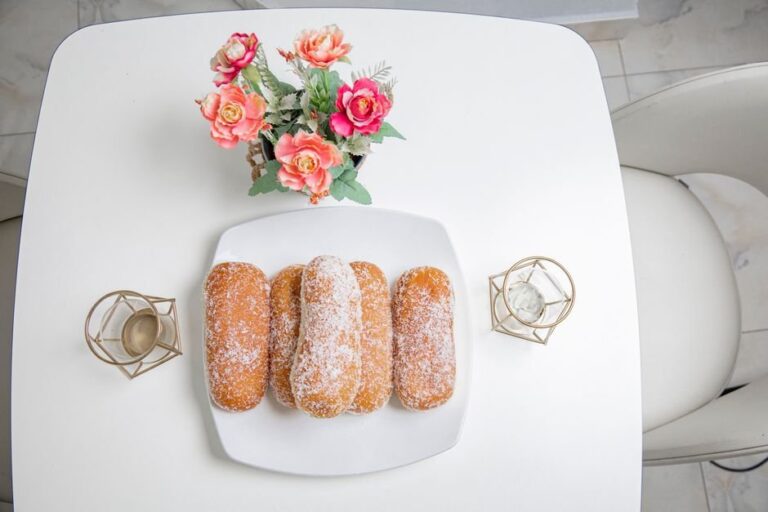
Malasadas are a staple in Hawaiian cuisine, but have you ever wondered where this Portuguese-influenced pastry originated? These sweet fried dough balls have become an integral part of Hawaiian culture, often enjoyed as a snack or dessert. With their crispy exterior and soft interior, it’s no wonder they’re a favorite among locals and visitors alike. But malasadas are more than just a tasty treat – they also hold a rich history and cultural significance that’s worth exploring. In this article, we’ll take a closer look at the traditional recipe and flavors of malasadas, as well as modern twists on this classic dessert. We’ll also discuss how to enjoy them as part of a balanced diet, making it easier for you to indulge in these delicious treats without compromising your health goals. By the end of this article, you’ll know exactly what makes malasadas so special and be able to incorporate them into your next Hawaiian-inspired meal or snack time.
Origins and History
The malasada, a sweet Portuguese-style doughnut that’s gained popularity worldwide, has its roots in early 20th-century Hawaii. Let’s take a step back to explore where it all began.
The Portuguese Connection
The introduction of malasadas to Hawaii by Portuguese immigrants is a significant aspect of their history. In Portugal, malasadas are small, fried dough pastries often coated in sugar, and they have been a staple in the country’s cuisine for centuries. Many Portuguese migrants traveled to Hawaii in the late 19th century, bringing with them their culinary traditions.
These early Portuguese immigrants brought their recipes and techniques to Hawaii, where they combined with existing local ingredients and influences. Over time, malasadas evolved into a distinct Hawaiian treat, often filled with chocolate or other sweet fillings. The traditional recipe was adapted to use local ingredients such as coconut milk and sugar, which gave the pastries a unique flavor.
Portuguese immigrants played a crucial role in shaping Hawaii’s culinary landscape, introducing new flavors and techniques that continue to influence the state’s cuisine today. Their legacy is still evident in modern malasada recipes, with many bakeries and cafes continuing to celebrate their Portuguese heritage through traditional ingredients and preparation methods.
Evolution in Hawaiian Culture
As malasadas made their way to Hawaii from Portugal, they began to take on a life of their own. The traditional recipe remained relatively unchanged, but local flavors and ingredients were incorporated into the dough. Pineapple, coconut, and macadamia nuts became popular additions, giving malasadas a distinctly Hawaiian twist.
The unique flavor profiles were influenced by the islands’ tropical climate and abundant resources. For example, some bakeries added a hint of cinnamon to their malasadas, while others used locally-sourced honey for sweetness. The versatility of malasadas allowed them to be enjoyed with various toppings and fillings, from classic sugar to more modern options like strawberry or chocolate.
Some popular Hawaiian-style malasada flavors include haupia (coconut milk-based), ube (purple yam), and li hing mango. These flavors not only showcased the islands’ rich cultural heritage but also demonstrated how malasadas could be adapted to suit local tastes. As a result, malasadas became an integral part of Hawaiian cuisine, with many bakeries offering their own unique variations on the classic recipe.
Historical Significance
In Hawaiian culture, malasadas have become an integral part of celebrations and traditions. They’re often served at family gatherings, parties, and community events, where they’re enjoyed by people of all ages. In particular, malasadas are a staple at Portuguese-inspired festivals like the Honolulu Festival, which showcases the island’s rich cultural heritage.
One notable example of malasadas’ significance is their role in Hawaiian weddings. Malasada vendors often set up shop outside churches and reception halls, offering freshly fried treats to guests as they arrive or depart. This tradition has become a beloved custom among locals and visitors alike, providing a sweet and welcoming respite from the ceremony.
Malasadas are also closely tied to Hawaiian holidays like St. Anthony’s Feast Day in Kalihi, where Portuguese immigrants first introduced their culinary traditions over a century ago. Today, malasada vendors continue to participate in this festive celebration, serving up classic flavors alongside modern twists on traditional recipes. By embracing these cultural connections, you can better appreciate the significance of malasadas within Hawaiian society and enjoy them as more than just a tasty treat.
Traditional Malasada Recipe
For those who want to try making malasadas at home, we’ll share a classic Portuguese recipe that yields soft, fluffy treats on the outside and crispy on the inside. This traditional method has been perfected over generations of bakers.
Ingredients and Preparation
Malasadas are a classic Portuguese-Hawaiian treat that requires a simple yet specific set of ingredients and preparation methods. To make traditional malasada dough, you’ll need all-purpose flour, granulated sugar, whole milk, active dry yeast, large eggs, unsalted butter, and salt. The yeast-based dough is allowed to rise for about an hour, giving it a light and airy texture.
When preparing the dough, it’s essential to not overmix, as this can lead to a dense final product. To fry malasadas, you’ll need vegetable oil with a high smoke point, such as peanut or avocado oil, heated to around 375°F (190°C). The oil should be deep enough for the dough balls to float freely.
Once the oil is hot, gently place the dough balls into the oil using a slotted spoon. Fry malasadas in batches of about 4-6 at a time, depending on the size of your pot. Cook each batch for approximately 2-3 minutes or until they’re golden brown and puffed up. Using a thermometer to monitor the oil temperature is crucial for achieving perfect malasada texture and preventing undercooked centers.
Tips for Achieving Perfect Texture
When working with yeast dough, it’s essential to not overmix, as this can lead to dense malasadas. To achieve a light and airy interior, make sure to gently fold the dough after each rise. This will help develop the gluten without causing it to become tough.
To ensure flaky layers form within the malasada, keep an eye on your oil temperature when frying. Aim for 375°F (190°C) or higher for ideal results. If the oil is too hot, the outside may burn before the inside has a chance to cook through, resulting in a dense center.
A crucial step in achieving perfect texture is to let the malasadas cool completely on a wire rack after frying. This allows excess moisture to escape, helping to prevent sogginess and ensuring a crispy exterior. You can also try dusting your malasadas with granulated sugar or cinnamon while they’re still warm for added flavor and texture.
When handling yeast dough, it’s best to use room-temperature ingredients, as cold temperatures can slow down the fermentation process. This may cause the dough to rise unevenly, leading to an inconsistent texture in your finished malasadas.
Variations on the Classic Recipe
One of the greatest joys of malasadas is their versatility. A classic recipe can be tweaked to create a wide range of flavor profiles and textures. For example, some bakeries infuse their dough with different types of citrus zest – lemon or orange add a bright, sunny twist – while others experiment with unique spices like cinnamon or nutmeg.
Some popular variations on the classic recipe include adding different fillings or toppings. Chocolate-filled malasadas are a decadent treat, while those filled with haupia (coconut milk) evoke the islands’ rich cultural heritage. Other creative options include using fruit preserves, such as strawberry or blueberry, to add natural sweetness.
In terms of texture, some bakers opt for a crispy exterior and fluffy interior by frying malasadas at different temperatures or adding extra sugar to the dough. This creates an appealing contrast that’s hard to resist. Experimenting with different ingredients and techniques is part of what makes malasada-making so fun – don’t be afraid to try new combinations!
Modern Malasada Trends
From Portuguese doughnuts to Hawaiian treats, malasadas have evolved over time, and we’re excited to explore some of the modern twists on this classic pastry. Let’s take a look at what’s trending in the world of malasadas.
Creative Fillings and Toppings
Malasadas have long been enjoyed as a simple, sweet treat. However, modern trends are elevating fillings and toppings to new heights. Creative combinations of flavors and ingredients are now common, making each malasada unique.
Some popular unique flavor options include matcha, black sesame, and ube. These bold flavors can be paired with a variety of sweet or savory fillings. For example, a matcha malasada might be filled with green tea-infused whipped cream and toasted coconut flakes.
Other creative topping ideas include crushed cookies, sprinkles, and chopped nuts. Some bakeries are even experimenting with seasonal ingredients like strawberry or pumpkin to create limited-edition flavors.
When it comes to choosing fillings and toppings, the possibilities are endless. Consider pairing contrasting textures, such as crunchy peanut butter with smooth Nutella. You can also experiment with different spices, like cinnamon or nutmeg, to add depth to your malasada.
Some popular combinations include:
- Strawberry and balsamic glaze
- Chocolate and sea salt
- Caramel and fleur de sel
Innovative Cooking Methods
Malasadas are often associated with deep-frying, but modern bakers and cooks are experimenting with alternative cooking methods to create a lighter yet still indulgent treat. Baking malasadas is one such innovation, resulting in a tender interior and crispy exterior without the need for excess oil. This approach requires adjusting the sugar content of the dough and baking at a higher temperature to achieve the characteristic golden brown color.
Another method gaining traction is air-frying. By using an air fryer or a similar device, cooks can produce malasadas with a fraction of the oil typically used in traditional deep-frying methods. This technique not only reduces calorie content but also preserves more of the natural flavors and textures found in the dough. Some bakers even use a combination of baking and air-frying to achieve the perfect balance between crunch and softness.
When experimenting with these alternative cooking methods, it’s essential to keep an eye on temperature and time to prevent malasadas from becoming too dense or burnt. A thermometer is crucial for ensuring the correct internal temperature is reached, regardless of the chosen cooking method.
Cultural Fusion and Inspiration
Malasadas are no longer just a traditional Portuguese-Portuguese influenced Hawaiian treat. They’re being reimagined and reinvented with international flavors and ingredients, reflecting the diversity of modern Hawaii’s culinary scene. For example, you can find malasadas filled with matcha-green tea ice cream or topped with crushed Oreos and sesame seeds for added crunch.
Some bakeries are experimenting with unique flavor combinations like strawberry-basil or mango- coconut, while others are incorporating international ingredients such as Korean chili flakes (gochugaru) or Italian espresso powder. This fusion of flavors not only adds a new dimension to the classic malasada recipe but also makes it more accessible to a wider range of palates.
To try these modern twists at home, consider substituting traditional granulated sugar with brown sugar or honey for added depth of flavor. You can also experiment with different types of flour, like whole wheat or almond flour, to create a nutty and healthier malasada option. By embracing international flavors and ingredients, you can put your own spin on this beloved Hawaiian dessert.
Malasada in Hawaiian Cuisine
In Hawaiian cuisine, malasadas play a significant role as a popular dessert and snack, often enjoyed on their own or paired with other local treats. Let’s take a closer look at how this sweet treat fits into traditional Hawaiian flavors.
Classic Pairings and Combos
In Hawaiian cuisine, malasadas are often paired with popular dishes to create harmonious and delicious combinations. One classic pairing is the “Malasada sandwich,” where a malasada serves as the bun for a filling of Portuguese sausage or kalua pig. This fusion of flavors and textures showcases the versatility of the malasada.
Another traditional combination is the malasada with haupia, a coconut milk dessert. The richness of the haupia is balanced by the crispy exterior and fluffy interior of the malasada. For a more indulgent treat, try dipping your malasada in chocolate or caramel sauce – a popular dessert option at Hawaiian bakeries.
Some popular breakfast combinations feature malasadas alongside other local favorites like loco moco or laulau. The malasada’s sweetness provides a pleasant contrast to the savory flavors of these dishes. When pairing malasadas with other foods, consider their texture and flavor profiles to create balanced and satisfying combinations. Experimenting with different pairings can help you discover new favorite ways to enjoy this beloved Hawaiian treat.
Modern Twists on Classic Combinations
Malasadas are often enjoyed on their own, but they also pair surprisingly well with other Hawaiian staples. For instance, try combining a malasada with a scoop of shave ice for a sweet and refreshing treat. The crispy exterior of the malasada provides a nice textural contrast to the soft, fluffy shave ice.
Another classic combination is pairing malasadas with loco moco, a popular Hawaiian dish consisting of a hamburger patty topped with a fried egg and gravy. The sweetness of the malasada balances out the savory flavors of the loco moco. You can also experiment with different types of filling or topping to create unique flavor combinations.
Some other innovative pairings include:
- Malasadas with li hing mango, a sweet and tangy fruit preserve
- Malasadas with haupia, a traditional Hawaiian coconut milk dessert
- Malasadas with fresh fruit such as strawberries or pineapple
These modern twists on classic combinations showcase the versatility of malasadas and offer endless possibilities for creative expression. By experimenting with different pairings and flavors, you can discover new ways to enjoy this beloved Hawaiian treat.
Malasada as a Dessert Option
In Hawaiian cuisine, malasadas are often enjoyed as a sweet treat, and their versatility makes them an ideal dessert option. A classic combination is to pair malasadas with shave ice, a popular local dessert made from shaved ice and flavored syrups. The sweetness of the malasada complements the icy texture and fruity flavors of the shave ice perfectly.
Another popular way to enjoy malasadas as a dessert is to top them with a variety of sweet ingredients, such as haupia (coconut milk dessert), macadamia nut praline, or fresh fruit. These toppings add natural sweetness without overpowering the delicate flavor of the malasada.
Some local bakeries and cafes have also introduced innovative malasada desserts, like malasada bread pudding or malasada cheesecake. These creative treats showcase the malasada’s potential as a base for rich and decadent desserts.
When choosing a dessert topping or combination, consider the flavor profile of your malasada. For example, if you’re using a traditional sugar-coated malasada, pair it with a lighter-tasting shave ice or fruit to balance out the sweetness. Experimenting with different toppings and combinations can help you find your perfect match.
Health Benefits and Nutrition
Malasadas are a delicious Portuguese-inspired treat, but did you know that they can also be a nutritious snack option when made with wholesome ingredients? We’ll explore the health benefits of malasadas and provide some tips on how to make them healthier.
The Nutritional Value of Malasadas
A traditional malasada typically consists of yeast-leavened dough deep-fried until golden brown. This process yields a sweet, crispy exterior and a soft interior. The nutritional value of malasadas is largely influenced by the ingredients used in their preparation. A single malasada can range from 150 to 300 calories, with most containing around 200 calories. Fat content varies widely depending on the cooking oil used; for instance, using coconut oil results in a higher saturated fat intake compared to vegetable oils.
Sugar content is another significant concern when consuming malasadas, as they are often coated in granulated sugar before frying. A standard malasada can contain up to 10 grams of added sugars per serving. To put this into perspective, the American Heart Association recommends that women consume no more than 25 grams (6 teaspoons) of added sugars per day.
When evaluating the nutritional value of malasadas, it’s essential to consider portion sizes and overall dietary balance. While indulging in an occasional malasada is unlikely to cause harm, regular or excessive consumption can contribute to weight gain and increased risk of chronic diseases like diabetes and heart disease.
Healthier Alternatives and Options
You can make healthier malasadas by substituting traditional ingredients with more nutritious alternatives. For instance, using whole wheat flour instead of all-purpose flour increases the fiber and nutrient content of the pastry. This simple swap reduces the glycemic index and makes the dessert a better choice for those monitoring their blood sugar levels.
Another way to improve the nutritional profile is to reduce or eliminate added sugars. Traditional malasada recipes often include a generous amount of granulated sugar, which contributes to the high calorie count. By cutting back on sugar or using natural sweeteners like honey or maple syrup, you can create a healthier version of this popular treat.
Some bakers also experiment with alternative flours, such as almond flour or coconut flour, to reduce carbohydrates and increase protein content. However, keep in mind that these substitutions may affect the texture and flavor of the malasada.
To give you a better idea, here are some specific modifications you can try:
• Use 25% whole wheat flour and 75% all-purpose flour for a balanced flavor and texture.
• Reduce granulated sugar by 1-2 tablespoons or replace it with natural sweeteners like honey or maple syrup.
• Experiment with alternative flours, but be aware of their potential impact on the pastry’s consistency.
Tips for Enjoying Malasadas in Moderation
To enjoy malasadas as part of a balanced diet, it’s essential to practice portion control. A traditional malasada can range from 200 to 300 calories per piece, making them a treat that should be savored in moderation. Try pairing one or two malasadas with a small bowl of fresh fruit or a handful of nuts for added nutrition and fiber.
When eating malasadas, pay attention to your hunger cues and stop when you feel satisfied, rather than stuffed. This mindful approach will help you develop a healthier relationship with this sweet treat. Consider sharing a plate of malasadas with friends or family instead of devouring the entire batch by yourself.
For an added layer of nutrition, try incorporating healthier ingredients into your malasada recipe, such as whole wheat flour or coconut sugar. You can also experiment with baked malasadas instead of deep-frying them for a lower-calorie alternative. By making conscious choices about how and when you enjoy malasadas, you can indulge in their rich flavors without compromising your overall health goals. Aim to limit your malasada intake to special occasions or weekends, allowing yourself time to savor the experience and reap the rewards of moderation.
Frequently Asked Questions
Can I use instant yeast instead of active dry yeast in traditional malasada recipe?
Yes, you can substitute instant yeast for active dry yeast, but keep in mind that the rising time may be shorter. Instant yeast is more potent and can activate faster, so start checking for doneness a few minutes earlier.
What if I don’t have access to Portuguese-style flour; can I use all-purpose flour instead?
While traditional malasadas are made with a specific type of Portuguese flour, you can still make a delicious version using all-purpose flour. However, keep in mind that the texture and flavor may be slightly different. Focus on achieving the right balance of yeast, sugar, and liquid to get the best results.
How do I store leftover malasadas to maintain their freshness?
Store leftover malasadas in an airtight container at room temperature for up to 2 days. You can also freeze them for up to 2 months by placing them in a single layer on a baking sheet and then transferring them to a freezer-safe bag or container.
Can I make malasadas ahead of time, such as the night before, and fry them in the morning?
Yes, you can prepare the dough ahead of time and let it rise overnight. However, punch down the dough gently and let it rest for about 30 minutes before frying to ensure the best texture.
Are there any alternative cooking methods that I can use instead of deep-frying malasadas?
Yes, you can bake or air-fry malasadas as a healthier alternative. Baking is a great option if you want to achieve a crispy exterior and fluffy interior without the excess oil. Air-frying is another excellent choice for achieving a similar texture to deep-fried malasadas with much less oil.