Hawaii is known for its stunning natural beauty, and its tropical flowers are among its most iconic symbols. But have you ever wondered what these beautiful blooms are actually called? From the Hibiscus to the Plumeria, each flower has a rich history and cultural significance in Hawaiian culture. In this article, we’ll explore the traditional names of Hawaii’s iconic flowers, their uses, and the symbolism behind them. You’ll learn about the origins of these flowers, how they’re used in Hawaiian ceremonies and rituals, and what makes them so unique. We’ll take a closer look at the meanings behind the names, and why certain flowers are more significant than others. By the end of this article, you’ll be able to identify some of Hawaii’s most beautiful flowers by their traditional names.
The Origins and History of Hawaiian Flowers
Hawaiian flowers have a rich cultural heritage, originating from the islands’ unique tropical climate and diverse geological history. We’ll take a step back to explore how these beautiful blooms came to be an integral part of Hawaiian identity.
Ancient Cultural Significance
Hawaiian flowers have been an integral part of the islands’ rich cultural heritage for centuries. In ancient times, these blooms were not only admired for their beauty but also revered for their spiritual significance and medicinal properties. The native Hawaiians believed that each flower possessed a unique mana, or life force, which was tied to its specific characteristics and attributes.
For example, the hibiscus was considered a symbol of love and fertility, while the ma’o (hibiscus brackenridgei) was used in traditional Hawaiian medicine to treat a variety of ailments. The plumeria, with its intoxicating fragrance, was often used in ceremonies and rituals to honor the gods and ensure good fortune.
To this day, many Hawaiian flowers continue to hold significant cultural value, particularly when it comes to their symbolic meanings. When choosing a bouquet or arrangement, consider the traditional associations of each flower to convey your intended message. For instance, a plumeria lei is often given as a symbol of love and respect, while a hibiscus garland can represent hospitality and generosity. By understanding the ancient cultural significance of these flowers, you can appreciate their beauty on a deeper level and use them in ways that honor their rich history and heritage.
Traditional Hawaiian Flower Names
In traditional Hawaiian, flowers were named based on their physical characteristics, shape, color, and fragrance. For example, the hibiscus sabdariffa was known as “ma’o hau hele,” which translates to “yellow hibiscus.” This name reflects the flower’s vibrant yellow color and its association with royalty.
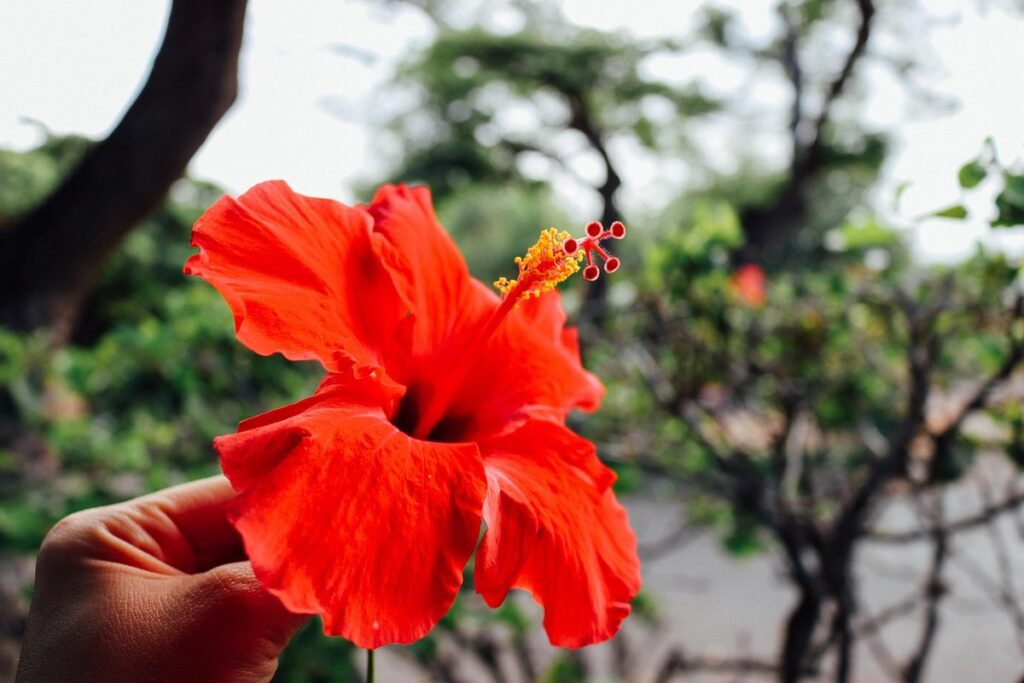
Other native flowers have similarly descriptive names. The ma’o hanaika, or “red hibiscus,” is a popular variety found throughout Hawaii. The ko’oko’olau, a type of heliotrope, was named for its delicate, purple-blue flowers that resemble the tail feathers of a bird.
To understand the meanings behind these names, it’s essential to recognize the significance of each component. In Hawaiian, the word “ma’o” means hibiscus or flower, while “hau hele” refers to yellow. This breakdown helps decipher the language and provides insight into how ancient Hawaiians identified and communicated about flowers.
When exploring traditional Hawaiian flower names, consider looking for words that describe the plant’s appearance, such as “hele” (yellow) or “hanaika” (red). This can help you identify specific varieties and their meanings within the context of Hawaiian culture.
Types of Hawaiian Flowers
Hawaiian flowers are incredibly diverse, and some of the most beautiful varieties include the hibiscus, plumeria, and orchid. Let’s take a closer look at these stunning blooms up close.
Tropical Hibiscus and Plumeria
The tropical hibiscus and plumeria are two of Hawaii’s most iconic flowers, with a rich history in traditional Hawaiian culture. The hibiscus, known as “ma’o hau hele” or yellow hibiscus, is a symbol of royalty and prestige, while the plumeria, also referred to as “frangipani,” represents love, beauty, and fragrance.
Hibiscus plants are relatively easy to grow in Hawaii’s tropical climate and can thrive in a variety of conditions. They require minimal maintenance and can be grown in containers or directly in the ground. The flowers themselves come in a range of colors, including pink, orange, yellow, and red, and are highly prized for their beauty.
Plumeria trees, on the other hand, are typically more difficult to grow due to their specific soil requirements. However, when cultivated correctly, they can produce an abundance of fragrant white flowers that are often used in traditional Hawaiian leis. Both hibiscus and plumeria plants are commonly found in Hawaiian gardens and are a popular choice for landscaping.
When selecting either plant for your garden, choose varieties that have been bred specifically for their beauty and fragrance. For example, the “Hula Girl” hibiscus is known for its vibrant yellow petals and strong scent, while the “Kauai Queen” plumeria produces large, fragrant white flowers with a delicate pink undertone.
Orchids and Heliconias
Orchids and heliconias are two of Hawaii’s most stunning and exotic flowers. These tropical blooms have captivated locals and tourists alike with their vibrant colors and delicate shapes. With over 50 species of orchids found in Hawaii, the islands offer a unique opportunity to discover a wide range of hybrids and cultivars.
Heliconia, also known as lobster claw, is another popular choice among Hawaiian flower enthusiasts. Its distinctive shape and bright colors make it a favorite for arrangements and bouquets. In traditional Hawaiian culture, heliconias were used in lei-making, while orchids were often reserved for special occasions like weddings and luaus.
One of the most notable characteristics of Hawaiian orchids is their adaptability to the island environment. With proper care and conditions, these flowers can thrive in Hawaii’s tropical climate, producing an abundance of blooms throughout the year. For those looking to grow their own orchids, it’s essential to choose a variety that is suitable for Hawaii’s mild winters and hot summers.
Some popular types of Hawaiian orchids include Phalaenopsis, Dendrobium, and Cattleya. When selecting an orchid species, consider factors such as bloom frequency, potting requirements, and sensitivity to temperature fluctuations.
Unique Characteristics of Hawaiian Flowers
Hawaiian flowers are renowned for their distinct beauty, and one of the most striking features is their unique characteristics that set them apart from other blooms. From fragrant plumeria to delicate hibiscus, each species has its own special traits.
Adaptation to the Island Environment
Hawaiian flowers have developed remarkable adaptations to thrive in the tropical climate and limited resources of the islands. One notable example is their ability to conserve water through drought-tolerant mechanisms, such as deep root systems that allow them to access underground water sources. This adaptation is essential for survival on islands where rainfall can be scarce during certain times of the year.
Another key adaptation is their reliance on symbiotic relationships with native pollinators and soil microorganisms. For instance, some Hawaiian flowers have evolved to provide nectar rich in nutrients specifically beneficial to native bees, which are their primary pollinators. This mutualism enables both species to coexist and even depend on each other for survival.
In terms of physical characteristics, Hawaiian flowers often exhibit adaptations that protect them from excessive sunlight and intense rainfall. For example, some have developed large, flat leaves or waxy coatings to prevent water loss and reduce heat absorption. Others have turned their petals inward to shield themselves from direct sunlight, a strategy known as “bud protection.” These features demonstrate the remarkable flexibility and resilience of Hawaiian flowers in responding to their unique environment.
Unusual Shapes and Colors
One of the most distinctive features of Hawaiian flowers is their diverse and often unusual shapes. Take the hibiscus, for example, which comes in a range of sizes and forms, from the compact, rounded blooms of Hibiscus moscheutos to the showy, ruffled varieties like Hibiscus ‘Lord Baltimore’. Other Hawaiian flowers, such as heliconias and bird-of-paradise, have long, narrow petals that resemble a bird’s beak or a tropical fish. These unique shapes not only add to the flowers’ visual appeal but also serve an important purpose in attracting pollinators.
Hawaiian flowers are also known for their vibrant colors and fragrances. Plumeria, also known as frangipani, is famous for its heady scent and delicate white blooms with yellow centers. Hibiscus, on the other hand, comes in a range of colors, from pure white to deep pink and red. Some varieties even have striking patterns or streaks, like the ‘Red Satin’ hibiscus with its bold, crimson petals.
When choosing Hawaiian flowers for your garden or arrangements, consider selecting varieties that showcase these unique characteristics. For example, the heliconia’s bright orange and yellow blooms can add a pop of color to any arrangement, while the plumeria’s fragrance can fill the air with a sweet scent.
Symbolism and Meaning Behind Hawaiian Flowers
Each beautiful Hawaiian flower has its own unique symbolism, from love and good fortune to spiritual growth and new beginnings. Let’s explore what these meanings are for some of Hawaii’s most iconic blooms.
Love and Romance in Hawaiian Culture
In traditional Hawaiian culture, flowers played a significant role in courtship rituals and ceremonies. The lei, a garland made from flowers and other materials, was often exchanged between lovers as a symbol of affection and devotion. Plumeria, with its sweet fragrance and delicate beauty, was particularly popular for leis due to its association with love and romance. In ancient Hawaiian tradition, the presentation of a plumeria lei to one’s partner signified deep emotional connection and commitment.
The significance of flowers in Hawaiian courtship extended beyond the lei itself. For example, the hibiscus was often used as a symbol of love and passion, while orchids represented refinement and elegance. These symbols were not just decorative; they carried meaning that conveyed the emotions and intentions of the giver. When choosing flowers for a romantic gesture, consider their traditional meanings in Hawaiian culture to convey your own message.
In modern times, these traditions continue to influence Hawaiian wedding ceremonies and other celebrations of love. By incorporating traditional Hawaiian flowers into your own expressions of affection, you can tap into this rich cultural heritage and create meaningful connections with those around you.
Respect for Nature in Hawaiian Tradition
Hawaiian flowers are often imbued with a deep sense of respect for nature, conservation, and spiritual connection to the land. This reverence is rooted in ancient traditions that emphasize living in harmony with the environment. In Hawaiian culture, flowers are not just aesthetically pleasing or fragrant, but also carry significant meaning and symbolism.
The concept of “maluhia” – peace – is deeply tied to the natural world and the care required to maintain balance within it. Hawaiians believe that by respecting and honoring nature, they can achieve a state of inner calm and tranquility. This philosophy extends to the cultivation and use of flowers, which are often seen as a means to connect with the divine and honor the land.
In traditional Hawaiian ceremonies and rituals, flowers play a crucial role in expressing gratitude and respect for the natural world. For example, leis made from fragrant plumeria or maile are woven to adorn the necks of loved ones, while heliconia and orchids are used to create intricate arrangements that reflect the beauty and wonder of nature.
To apply this understanding in your own life, consider incorporating Hawaiian flowers into your spiritual practices or daily rituals as a way to cultivate respect for nature and promote balance within yourself.
Modern Uses and Applications
You might be surprised at just how versatile Hawaiian flowers are, from perfumes and fragrances to wedding arrangements and more. We’ll explore some of these unique applications in this section.
Hawaiian Flowers in Art and Design
Hawaiian flowers have been an integral part of traditional art forms for centuries. In lei making, delicate plumeria and orchid flowers are carefully selected and arranged to create intricate designs. Wood carvings often feature the flowers’ iconic shapes and patterns, adding a touch of tropical elegance to the pieces. These traditional art forms continue to inspire modern applications in fashion and home decor.
In contemporary design, Hawaiian flowers are used as motifs for fabrics, wallpaper, and even furniture upholstery. The vibrant colors and exotic scents of plumeria, in particular, have become synonymous with Hawaiian style. Fashion designers often incorporate floral patterns and prints featuring orchids, hibiscus, and heliconias into their collections.
When incorporating Hawaiian flowers into your art or design, consider the following: choose a limited color palette to evoke the islands’ natural beauty; balance bold patterns with neutral backgrounds to create visual interest; and don’t be afraid to experiment with different textures and materials. By embracing these timeless and versatile motifs, you can add a touch of aloha spirit to any project.
Preservation Efforts and Sustainable Practices
Efforts to preserve Hawaii’s unique flora are ongoing, with a focus on sustainable farming practices and conservation programs. The state has implemented initiatives such as the Hawaiian Islands Land Trust, which works to protect and restore native habitats, including those that support endemic flower species.
Organizations like the Nature Conservancy and the US Fish and Wildlife Service collaborate on conservation projects, including habitat restoration and invasive species management. These efforts help maintain the delicate balance of Hawaii’s ecosystem, ensuring the long-term survival of its distinctive flowers.
Sustainable farming practices are also gaining traction in Hawaii, with many local farmers adopting eco-friendly methods to reduce their environmental impact. This includes using organic fertilizers, implementing drip irrigation systems, and reducing waste through composting programs.
Some notable examples include the use of traditional Hawaiian farming techniques, such as mulching and crop rotation, which promote soil health and biodiversity. Additionally, many farms now incorporate native flowers into their landscapes, providing a habitat for pollinators and other beneficial insects.
Frequently Asked Questions
Can I use Hawaiian flowers in my wedding decorations?
Yes, Hawaiian flowers, such as plumeria and orchids, make beautiful and meaningful additions to wedding decorations. They can be used in leis, bouquets, or as centerpieces to represent love, respect, and beauty.
How do I care for tropical hibiscus plants in cold climates?
Tropical hibiscus plants require protection from frost and freezing temperatures. If you live in a cold climate, consider growing them indoors with bright light and warm temperatures. You can also bring potted plants inside during winter months or use containers that can be moved to a protected area.
What if I want to grow Hawaiian flowers but have limited space?
You can still grow Hawaiian flowers in small spaces by choosing compact varieties like dwarf hibiscus or plumeria. These plants are well-suited for container gardening and can thrive on balconies, patios, or even indoors.
Can I use Hawaiian flowers as a substitute for Western-style wedding bouquets?
While Hawaiian flowers have their own unique meanings and symbolism, they can be used in creative ways to represent love and romance. Consider using traditional Hawaiian flower arrangements, like leis, as an alternative to Western-style bouquets to add cultural significance to your special day.
How do I preserve Hawaiian flowers for use in crafts and decorations?
To preserve Hawaiian flowers, you can air-dry them by hanging them upside down in a warm, dry place. You can also press them between sheets of paper or use a flower press to flatten them. This will help keep their beauty and fragrance intact for future use in crafts and decorations.