Traditional German culture is often misunderstood as being stuck in the past, but the truth is that it’s a rich tapestry of heritage and innovation. For many people, traditional Germany evokes images of hearty sausages, steins of beer, and lederhosen-clad festivals. But beneath this façade lies a complex cultural landscape that seamlessly blends tradition with modernity. You may be surprised to learn how Germany’s strong sense of history is not in conflict with its forward-thinking attitude towards innovation and progress. In fact, many traditional German customs have been cleverly adapted to suit the needs of contemporary society. This article will explore the essence of traditional Germany, from its vibrant cultural heritage to its delicious cuisine, and examine how modern-day Germany strikes a perfect balance between preserving its past and embracing the future. By the end of this article, you’ll understand what makes traditional German culture so enduring and dynamic.

Understanding the Basics of Traditional Germany
Traditional German culture is deeply rooted in its history and customs, making it essential for visitors to understand some basic aspects of everyday life. Let’s start by exploring the country’s rich heritage and traditional values that shape its lifestyle.
History and Origins of Traditional German Culture
German culture has its roots in ancient times, when various tribes inhabited the region. The Celts, Germans, and Slavs all left their mark on the country’s language, customs, and traditions. As the Roman Empire expanded, Germanic tribes came into contact with Roman culture, influencing the development of early Christianity and the subsequent Middle Ages.
The Holy Roman Empire, which lasted from the 10th to the 19th century, played a significant role in shaping traditional German culture. This period saw the emergence of chivalry, the rise of towns, and the establishment of guilds. The art and architecture of this era continue to influence Germany’s cultural identity.
The Reformation, led by Martin Luther, also had a profound impact on German culture. It introduced Protestantism, which remains prevalent in modern-day Germany. This period saw the development of hymns, sermons, and other forms of devotional literature that continue to be an integral part of traditional German worship.
Today, remnants of these historical periods can still be seen in Germany’s architecture, festivals, and customs. Understanding this rich history provides valuable context for appreciating the country’s unique cultural heritage.
Key Elements of Traditional German Lifestyle
Family plays a vital role in traditional German living. Many Germans prioritize building strong relationships with their loved ones, often gathering for meals and celebrations throughout the year. Sunday lunches are a common tradition, where families come together to share stories and enjoy homemade dishes like Schnitzel or Sauerbraten.
Community involvement is another key aspect of traditional German lifestyle. Neighbors frequently join forces to organize festivals, clean streets, and support local initiatives. This sense of camaraderie fosters a strong social network and reinforces the idea that individual contributions make a significant impact on the community as a whole.
Cultural heritage also holds immense significance in Germany. People take pride in their ancestry and often connect with their roots through traditional music, dance, and crafts. For instance, attending a local folk festival can be an excellent way to immerse oneself in German culture and learn about the region’s unique customs and traditions. By embracing these fundamental elements, individuals can gain a deeper understanding of what it means to live traditionally in Germany.
Traditional German Food and Drink
Traditional German cuisine is a rich reflection of the country’s history, with hearty dishes like schnitzel and sauerbraten being staples in many German households. You’ll also learn about Germany’s famous beer culture and traditional beverages.
Hearty Meals and Local Specialties
Schnitzel, sauerbraten, and spätzle are just a few of the hearty meals that have become synonymous with traditional German cuisine. These comforting dishes often feature meat as the main ingredient, such as pork or veal for schnitzel, beef for sauerbraten, and variations of potato or noodle for spätzle. Each region in Germany has its own take on these classic dishes, reflecting local tastes and traditions.
Regional specialties like Black Forest cake and Berliner doughnuts also offer a glimpse into the country’s diverse culinary landscape. The Black Forest cake, with its rich cherry filling and whipped cream topping, is a sweet treat that originated in the southwestern region of Baden-Württemberg. In contrast, the Berliner doughnut is a classic German pastry that typically consists of a deep-fried jam-filled ball coated in powdered sugar.
When exploring traditional German cuisine, it’s essential to try these regional specialties and hearty meals at local eateries or during festivals. This not only allows you to experience the authentic flavors but also supports local businesses and helps preserve Germany’s culinary heritage.
Beer Culture in Germany: A Tradition Like No Other
Beer has been an integral part of German culture for centuries. The Reinheitsgebot, a purity law introduced in 1516, set standards for beer production that remain largely unchanged today. This emphasis on quality and tradition is reflected in the country’s many breweries, ranging from small local operations to large-scale industrial producers.
German beers are known for their rich flavors and crisp finishes, with popular styles including Weissbier (wheat beer), Pilsner, and Bock. The production process involves a combination of traditional methods and modern technology, such as using top-fermentation and aging beers in wooden barrels.
Beer plays a significant role in social gatherings and celebrations in Germany. Beer gardens are common during the summer months, offering a relaxed atmosphere where locals can enjoy a cold beer with friends and family. Festivals like Oktoberfest and Christmas markets also feature an abundance of traditional German beers.
When visiting Germany, try ordering a local beer to experience the country’s rich brewing heritage firsthand. Many restaurants and bars offer a selection of regional specialties, so be sure to ask your server for recommendations.
Traditional German Music and Dance
Traditional music and dance have long been integral parts of German culture, with folk songs and dances passed down through generations. You’ll discover some of the most iconic and beloved examples in this section.
Folk Music and Instruments
Traditional German folk music is a lively and rich tradition that reflects the country’s cultural heritage. One of the most distinctive features of traditional German folk music is the use of specific instruments, such as the accordion, alphorn, and harmonica. The accordion, with its bright sound and rhythmic accents, is particularly popular in southern Germany, where it often accompanies polka dances.
The alphorn, on the other hand, is a long, curved instrument made from wood or plastic that produces a haunting, mournful sound. It’s commonly used in Alpine regions to signal messages between villages or to announce important events. The harmonica, with its small size and versatility, is also widely used in traditional German music.
When exploring traditional German folk music, it’s worth noting the importance of regional styles. Each region has its own distinct sound and repertoire, influenced by local customs, history, and geography. For example, the folk music of Bavaria often features lively polkas and waltzes, while that of Saxony is more characterized by slow, mournful melodies.
Classic Dances: From Schuhplattler to Polka
In traditional German culture, dance is an integral part of celebrations and social gatherings. Various classic dances have been passed down through generations, each with its unique steps and cultural significance. The Schuhplattler, a traditional Bavarian dance, involves slapping the soles of one’s shoes to create rhythmic sounds while performing intricate footwork. This lively dance is often performed at festivals and weddings.
The Polka, originating from Poland but adopted by German culture, is characterized by its quick tempo and energetic movements. Dancers typically hold hands or partner with each other, moving in a circular motion around the dance floor. Other traditional dances include the Oberkrainer and the Volksfest, which are often performed at Oktoberfest celebrations.
When attending traditional German events, it’s worth knowing some basic steps to join in on the dancing. For beginners, start by practicing the basic footwork of the Schuhplattler or Polka. Watch videos or take a class to learn more about these dances and their cultural context. With practice, you’ll be able to participate in traditional German dance and experience the excitement of these classic movements firsthand. Understanding the origins and steps of these dances can help you appreciate their significance within German culture.
Traditional German Celebrations and Holidays
Germany is known for its vibrant cultural celebrations, with many unique traditions that bring people together throughout the year. From Oktoberfest to Christmas markets, you’ll experience the country’s festive spirit firsthand in this section.
Christmas in Germany: A Time for Family and Joy
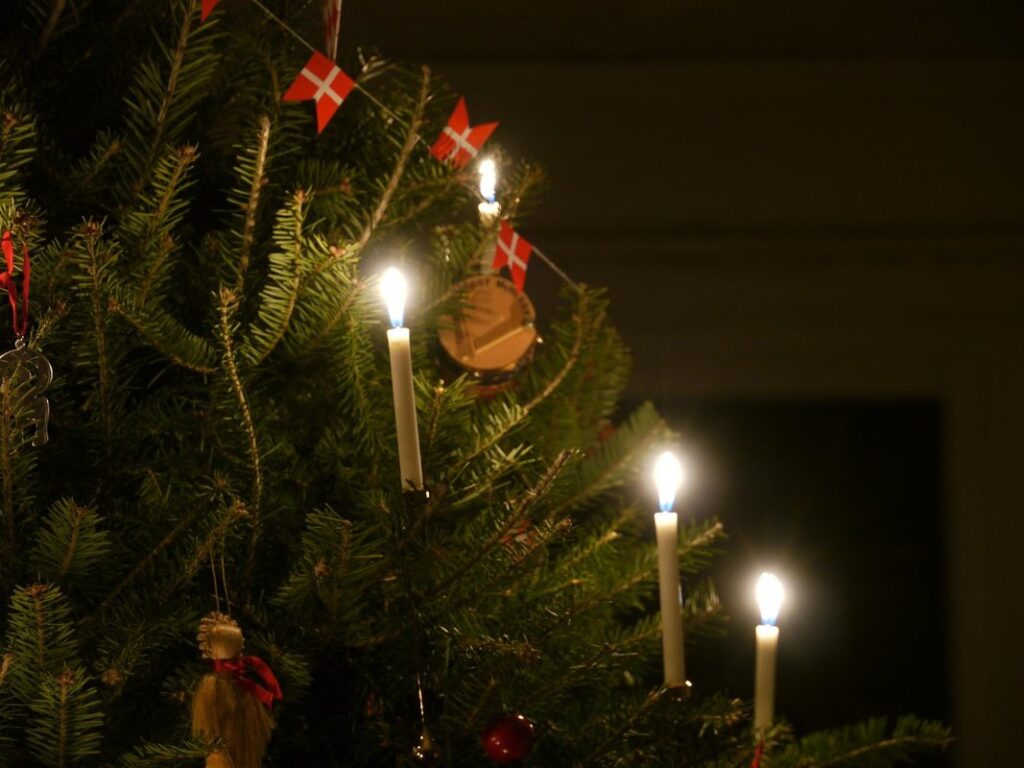
Christmas celebrations in Germany are a time for family and joy. The country’s unique traditions and customs make the holiday season an unforgettable experience. One of the most iconic Christmas traditions is the Christkindlmarkt, or Christmas market, which originated in Dresden in 1434. These markets offer a festive atmosphere with handmade crafts, local delicacies, and mulled wine.
Advent calendars are another popular tradition in Germany, with many families starting their countdown to Christmas on December 1st. Some households display intricately carved wooden calendars, while others use calendar books or apps that reveal a daily surprise. This tradition encourages children to wait patiently for the big day, building anticipation and excitement.
Festive food plays a significant role in German Christmas celebrations. Traditional dishes include Weihnachtsgans (roasted goose) and Lebkuchen (gingerbread). Some families also bake Christmas cookies, like Spekulatius, which are spiced with cinnamon and ginger. Many Germans visit local markets to sample these treats and enjoy the festive atmosphere.
For those looking to experience Germany’s unique Christmas traditions firsthand, visiting a Christkindlmarkt or trying local holiday foods is a great way to get into the spirit of things. By embracing these customs, you’ll be able to appreciate the country’s rich cultural heritage during this special time of year.
Oktoberfest: A World-Famous German Celebration
Oktoberfest is one of Germany’s most iconic celebrations, held annually in Munich. The festival dates back to 1810 when Crown Prince Ludwig married Princess Therese von Sachsen-Hildburghausen. The festivities lasted for five days and were initially called the “Theresienwiese” in honor of the bride. Over time, Oktoberfest has evolved into a 16-day celebration that attracts millions of visitors worldwide.
Oktoberfest’s significance lies in its rich cultural heritage and festive atmosphere. Visitors can enjoy traditional German beer, music, and dance. The festival features a range of activities, from horse-drawn carriage rides to amusement park attractions. One of the most distinctive aspects of Oktoberfest is the elaborate decorations, including giant beer barrels and intricately designed tents.
To fully immerse yourself in the Oktoberfest experience, consider attending during peak hours (Friday evenings or Saturday afternoons) when the atmosphere is most lively. Try traditional German food like Bratwurst or Schnitzel, and be sure to sample local beers such as Weissbier or Märzen. If you plan to attend with a group, book a table in advance at one of the larger tents.
Traditional German Crafts and Artisanal Goods
Germany is renowned for its rich cultural heritage, and traditional crafts are an integral part of that. From intricately carved wooden toys to handmade glasswork, you’ll discover the beauty of German artisanal goods in this section.
Woodcarving, Pottery, and Other Traditional Arts
Intricate wood carvings, handmade ceramics, and other artisanal goods are an integral part of traditional German crafts. Woodcarving, in particular, is a highly regarded skill that requires patience, precision, and attention to detail. Traditional German woodcarvers use techniques passed down through generations to create intricate designs and patterns on wooden objects such as spoons, figurines, and even furniture.
Handmade ceramics are another staple of traditional German crafts. Potters in Germany use local clays to create functional items like plates, bowls, and jugs, as well as decorative pieces like vases and sculptures. Many German towns and villages still have their own ceramic traditions, with potters passing down techniques from one generation to the next.
To experience traditional German crafts firsthand, visitors can explore local markets and craft fairs, where artisans often showcase their work and sell handmade goods directly to customers. Some popular destinations for traditional German crafts include the town of Oberammergau in Bavaria, known for its woodcarvings and wooden toys, and the city of Meissen, famous for its exquisite porcelain. By supporting local artisans and purchasing handmade products, travelers can help preserve these traditional crafts and contribute to the rich cultural heritage of Germany.
Importance of Handmade and Local Products in Germany
In Germany, the emphasis on handmade and local products is deeply ingrained in the culture. This preference is driven by a desire to preserve traditional craftsmanship and support local economies. Many Germans prioritize purchasing items made within their region or country over mass-produced goods from abroad.
This mindset is reflected in the popularity of markets like the Christkindlmarkt, where artisans sell handmade wares such as woodcarvings, pottery, and glasswork. Visitors can browse stalls offering a range of unique, locally crafted items, from intricately carved wooden decorations to hand-painted ceramics.
The value placed on local production is also evident in Germany’s strong support for small businesses and craft fairs. These events provide opportunities for artisans to showcase their skills and connect with customers who appreciate the quality and character of handmade products. By choosing handmade and local goods, consumers can help preserve traditional craftsmanship and contribute to the local economy.
When shopping for authentic German products, look for items bearing labels like “Handgemacht” or “Lokal gefertigt,” which indicate that they were made locally. This ensures that your purchase supports artisans and their communities.
Exploring Modern-Day Germany: A Blend of Tradition and Innovation
As we explore traditional German culture, it’s fascinating to see how modern-day Germany seamlessly blends ancient customs with cutting-edge innovation in everyday life. From vibrant cities to quaint villages, this blend is evident everywhere you look.
Balancing Heritage with Progress
Germany’s rich cultural heritage is undoubtedly an integral part of its identity. However, as a nation at the forefront of technological advancements and global influences, it’s essential to strike a balance between preserving tradition and embracing progress. This delicate equilibrium is reflected in various aspects of modern German society.
For instance, many traditional German festivals and celebrations have incorporated contemporary elements while retaining their historical significance. Oktoberfest, for example, has evolved from a purely regional event into a globally recognized phenomenon, featuring an array of international beers alongside traditional Bavarian brews. Similarly, the country’s music scene has seen the fusion of folk and modern styles, with artists like Kollegah blending traditional German rhythms with contemporary beats.
In addition to these cultural adaptations, Germany is also witnessing significant innovations in traditional industries such as woodworking, pottery, and textiles. Craftsmen are increasingly incorporating new technologies and materials into their work while maintaining the integrity of their heritage techniques. By embracing this balance between past and present, Germany demonstrates a unique ability to evolve without losing sight of its rich cultural roots.
Emerging Trends and Innovations in Traditional German Culture
In recent years, traditional German culture has seen a resurgence of sorts, with many young artists and entrepreneurs reinterpreting heritage in innovative ways. One notable trend is the emergence of “neotraditional” craftsmanship, which combines centuries-old techniques with modern materials and designs. For example, some woodcarvers are now using sustainable woods and incorporating elements of contemporary art to create unique pieces that appeal to a new generation of collectors.
Another development is the rise of digital platforms and social media, which have made it easier for traditional artisans to showcase their work and connect with potential customers worldwide. This has also enabled younger generations to learn about and engage with traditional German crafts in ways that were previously inaccessible.
Some notable examples include online marketplaces dedicated to handmade goods, such as wooden toys and ceramics, as well as social media campaigns promoting the importance of preserving traditional skills. These efforts have not only helped to revitalize interest in heritage crafts but also created new opportunities for artisans to share their expertise and reach a broader audience.
Frequently Asked Questions
Can I apply traditional German culture to my own daily life without feeling like I’m pretending?
Yes. Traditional German culture is rooted in everyday habits and values that can be adapted to modern living. Focus on incorporating elements that resonate with you, such as embracing a strong sense of community or enjoying hearty meals with loved ones. This way, you’ll be honoring the spirit of traditional Germany while making it your own.
How do I balance trying new foods with being mindful of dietary restrictions in Germany?
Many traditional German dishes are meat-heavy, but there’s also a growing emphasis on vegetarian and vegan options. When dining out or trying new recipes, don’t hesitate to ask about vegetarian alternatives or ask for modifications to suit your needs. Additionally, consider exploring modern German cuisine that blends traditional flavors with contemporary twists.
What if I’m not interested in beer culture? Are there other ways to experience Germany’s social scene?
Absolutely. While beer is an integral part of German culture, there are plenty of other ways to engage with the community and enjoy local traditions. Consider visiting Christmas markets for festive food and atmosphere, attending concerts or festivals featuring traditional music, or simply striking up conversations with locals at cafes or public gatherings.
Can I learn traditional German dances without prior experience?
Yes. Traditional German dances like polka and Schuhplattler are often taught in group classes or workshops, even to beginners. Don’t be afraid to take the first step (pun intended) – you’ll likely find a welcoming community eager to share their love of dance with newcomers.
How do I support local artisans and preserve traditional crafts in Germany?
When shopping for handmade goods or supporting local artisans, look for official labels or certifications that guarantee authenticity. Additionally, consider visiting local markets or workshops where artisans are often happy to share their processes and sell their wares directly. By doing so, you’ll be contributing to the preservation of traditional craftsmanship and promoting the value of local production in Germany.