France, a nation renowned for its rich cultural heritage and vibrant civilization, has been a magnet for artists, writers, and thinkers throughout history. From the ancient Gaulish tribes to the modern-day influences of globalization, French culture has evolved over centuries, leaving an indelible mark on the world. You may be familiar with the iconic landmarks, art museums, and fine cuisine that epitomize France’s allure, but there is more to this civilization than meets the eye. This comprehensive guide will take you on a journey through the history, literature, and culinary traditions of France, exploring its roots in Gaulish culture and tracing the path of its cultural development up to the present day. By the end of this article, you’ll have a deeper understanding of what makes French culture so unique and enduring.
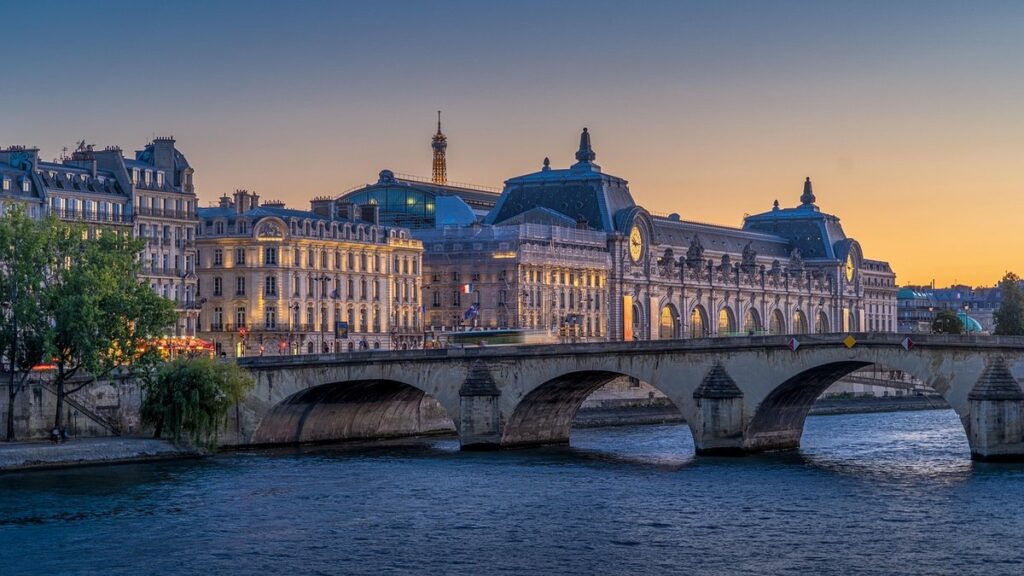
History of French Culture
French culture has its roots in a rich and storied past, influenced by various civilizations that have left their mark on the country’s traditions, art, and architecture. Let’s take a step back to explore this fascinating history.
Ancient Roots: Gaulish and Roman Influence
The Gaulish people, also known as the Celts, inhabited the region that is now modern-day France from around 500 BCE. They brought with them a rich cultural heritage, including their language, art, and spiritual practices. The Gauls were skilled metalworkers, producing intricate gold jewelry and ornaments, and their art often featured animal motifs.
The Romans later conquered the region in the 1st century BCE, leaving an indelible mark on French culture. They introduced their own language, laws, and architecture, which blended with the existing Gaulish culture to create a unique fusion. Many Roman ruins, such as the amphitheater in Arles, still stand today.
This blend of Celtic and Roman influences laid the groundwork for the development of French culture. The Latin alphabet was adopted, allowing the French language to take shape, while the Roman concept of governance and law helped establish a sense of order and structure. As a result, many French cities still bear names derived from their Roman origins, such as Lyon (Lugdunum) and Bordeaux (Burdigala).
Medieval Period: Feudalism and the Rise of Chivalry
During the Middle Ages, feudalism became a dominant social structure in France. This complex system was characterized by a hierarchical order, with lords holding power over vassals and peasants working the land. In exchange for military protection and justice, vassals owed loyalty and service to their lords. The rise of chivalry emerged as a response to the brutality of feudal society, emphasizing honor, courtesy, and martial valor.
Chivalric codes, such as the “Chansons de Geste,” promoted an idealized vision of knighthood: brave warriors who protected the weak and defended their lord’s interests. This social code also emphasized the importance of courtly love and the treatment of women with respect. As a result, chivalry contributed to the development of a distinctive French culture, shaped by the interplay between nobility, clergy, and peasantry.
Key aspects of feudalism and chivalry include:
- The division of society into clear hierarchies
- The importance of loyalty and service in vassalage
- The promotion of martial valor and honor through chivalric codes
- The emphasis on courtly love and the treatment of women with respect
The Renaissance and Enlightenment
During the 16th and 17th centuries, France experienced a cultural explosion of creativity and intellectual curiosity, laying the groundwork for its future greatness. This vibrant era saw the emergence of iconic figures like Voltaire and Rousseau.
Artistic and Cultural Revival
During the 16th to 18th centuries, France experienced a significant artistic and cultural revival. This resurgence was largely driven by the patronage of powerful figures such as Francis I, who sought to promote the arts and establish France as a hub of culture. As a result, the country saw an explosion of creativity in various forms, including literature, music, dance, and visual art.
One notable example is the work of French Renaissance artists like François Clouet, who created exquisite portraits for Francis I’s court. These masterpieces not only showcased Clouet’s technical skill but also highlighted the cultural significance of portraiture during this period. Similarly, the development of chivalric romance literature in France, exemplified by works such as Christine de Pizan’s “The Book of the City of Ladies,” demonstrated a renewed focus on artistic expression and intellectual pursuits.
This revival laid the groundwork for future generations of French artists and thinkers, who would continue to push boundaries and innovate in various disciplines. By understanding this pivotal moment in France’s cultural history, we can appreciate the lasting impact it has had on the country’s rich artistic heritage.
Intellectual and Philosophical Contributions
French thinkers played a pivotal role in shaping the course of Western philosophy during the Renaissance and Enlightenment period. René Descartes’ philosophical statement “I think, therefore I am” became a cornerstone of modern thought. His emphasis on reason and individualism laid the groundwork for later philosophers like Voltaire and Rousseau.
Voltaire’s critiques of absolutism and his advocacy for human rights and freedom of speech helped establish France as a hub for intellectual dissent. Jean-Jacques Rousseau’s influential works, such as “The Social Contract,” contributed to the development of modern democracy. His ideas about social contract theory and the general will continue to influence philosophers like Immanuel Kant.
Other notable thinkers, including Denis Diderot and Étienne de Condorcet, made significant contributions to various fields, from mathematics to sociology. Their collective efforts helped spread Enlightenment values across Europe, shaping the course of modern Western philosophy. The works of these thinkers remain relevant today, offering insights into human nature, morality, and governance that continue to inform contemporary debates and discussions.
French Culture During the Revolution
As we delve into the tumultuous era of the French Revolution, you’ll discover how the cultural landscape of France was forever changed by the radical ideas and upheaval of this pivotal period. Art, literature, and even the monarchy itself were reshaped in ways that continue to influence France today.
Revolutionary Ideals: Liberty, Equality, Fraternity
During the French Revolution, three revolutionary ideals rose to prominence: Liberty, Equality, Fraternity. These concepts, enshrined in the Declaration of the Rights of Man and of the Citizen, had a profound impact on art, literature, and politics. Maximilien Robespierre, a leading figure of the Revolution, championed these ideals, using them to justify the execution of King Louis XVI.
The concept of Liberty referred to individual freedom from oppressive institutions and monarchies. Artists like Jacques-Louis David, who created powerful paintings such as “Oath of the Horatii,” reflected this ideal in their works. Equality was about social leveling, where the rights and privileges of the common people were equalized with those of the nobility. Napoleon Bonaparte, who rose to power during the Revolution, implemented policies aimed at promoting equality.
Fraternity referred to the unity of all French citizens, transcending social class divisions. The Revolutionary government sought to foster a sense of shared purpose among its citizens through propaganda and public festivals. These ideals shaped the course of French history, influencing art, literature, and politics for centuries to come. Their legacy can still be seen in modern France’s emphasis on individual rights and social equality.
The Birth of Modern France: A New Era Emerges
The Revolution’s ideals of liberty, equality, and fraternity had a profound impact on shaping modern France. The rise of nationalism, fueled by the sense of unity among French citizens, led to a shift away from the feudal system and towards a more centralized government. This newfound sense of national identity was exemplified in the establishment of the Third Republic in 1870, which marked a significant departure from the monarchies that had previously dominated French politics.
The Revolution’s emphasis on equality also led to major social reforms. The abolition of feudalism and the introduction of universal male suffrage helped to create a more level playing field for citizens, allowing them to participate more fully in the democratic process. Additionally, the establishment of free public education and healthcare marked significant strides towards creating a more equitable society.
As a result of these changes, modern France began to take shape. The country’s values of liberté, égalité, fraternité became cornerstones of its identity, influencing everything from politics and social policy to art and culture. Understanding the Revolution’s impact on French culture is essential for grasping the complexities of modern French society.
Artistic Expression in France
French artistic expression is a true reflection of its rich cultural heritage, with world-renowned artists and movements that continue to inspire. From Monet’s water lilies to Matisse’s bold cut-outs.
Impressionism and Post-Impressionism: Revolutionary Movements
Impressionism, led by Claude Monet, emerged as a radical departure from traditional techniques. By capturing fleeting moments of light and color, artists like Monet broke free from convention. Their innovative use of short, broken brushstrokes and emphasis on natural light allowed for unprecedented levels of subtlety and nuance in their work.
Post-Impressionism, characterized by Vincent van Gogh’s bold, expressive style, further pushed the boundaries of artistic expression. This movement rejected Impressionism’s focus on realism, instead exploring a more subjective, emotional experience. Artists like Paul Gauguin and Georges Seurat experimented with new techniques, such as Pointillism, to convey their unique visions.
These revolutionary movements transformed the art world, paving the way for future avant-garde styles. By challenging traditional norms and embracing experimentation, Impressionist and Post-Impressionist artists redefined what was possible in painting. As a result, modern art is characterized by an emphasis on individuality and creative freedom. When visiting French museums or galleries, look for works by these pioneering artists to gain insight into the evolution of artistic expression in France.
20th-Century Avant-Garde: Dada, Surrealism, and Beyond
France’s influence on modern art movements continued well into the 20th century. Artists like Marcel Duchamp and Man Ray pioneered Dadaism, rejecting traditional notions of beauty and challenging societal norms through irreverent and provocative works. The movement’s spirit of experimentation and rebellion paved the way for Surrealism, led by André Breton and Salvador Dalí. These artists sought to explore the subconscious mind, blurring the lines between reality and fantasy in their dreamlike landscapes and still lifes.
As Surrealism evolved, it branched out into various sub-movements, including Abstract Expressionism, which emphasized the process of creating art over its final product. Artists like Jackson Pollock and Mark Rothko drew inspiration from European avant-garde movements, but also incorporated elements of American culture and philosophy. The likes of Yves Tanguy, a French-American artist, further merged Surrealist ideas with abstract expressionist techniques.
Throughout this period, French artists continued to push boundaries and defy conventions, contributing significantly to the development of modern art. Their work not only reflected their unique cultural context but also influenced generations of artists worldwide.
Cuisine, Fashion, and Lifestyle
French culture is renowned for its rich culinary traditions, high fashion standards, and distinctive lifestyle habits that have captivated the world’s imagination. From haute couture to exquisite cuisine, we’ll explore these fascinating aspects of French culture next.
Haute Cuisine: The Evolution of French Fine Dining
French fine dining has a rich history dating back to the 17th century. The term “haute cuisine” was first coined by French chef François Benoît in 1903, but it wasn’t until the early 20th century that it became synonymous with luxury and sophistication. Key players like Auguste Escoffier revolutionized the culinary scene with their emphasis on simplicity, clarity of flavors, and precise technique.
Restaurants like Maxim’s de Paris, established by legendary chef Oscar Casanova in 1893, set the standard for fine dining. The establishment’s ornate decor, impeccable service, and exquisite cuisine made it a favorite among European aristocracy and high society. Other notable chefs like Fernand Point and Joël Robuchon continued to refine the art of French cooking, pushing the boundaries of innovation while remaining true to traditional techniques.
To appreciate haute cuisine in France today, consider visiting Michelin-starred restaurants or taking a culinary course to learn basic techniques. Visit markets like Le Marché aux Enfants Rouges in Paris to experience the sights and smells of artisanal food production. By understanding the evolution of French fine dining, you can better appreciate the nuances of this revered cuisine and its significance within French culture.
Luxury and High-End Fashion: A Symbol of French Sophistication
French luxury and high-end fashion are synonymous with sophistication and refinement. The country’s reputation for excellence in this field is rooted in its rich history of craftsmanship and attention to detail. Haute couture, the pinnacle of French fashion, requires a mastery of intricate techniques and an unwavering commitment to quality. Designers like Chanel and Dior have elevated this art form to new heights.
Luxury brands such as Louis Vuitton, Hermès, and Cartier are icons of French style, recognized worldwide for their impeccable taste and attention to detail. These companies have perfected the art of blending tradition with innovation, resulting in timeless designs that exude elegance and sophistication. The Louis Vuitton monogram pattern is an instantly recognizable symbol of French luxury, synonymous with quality and refinement.
For those interested in embracing this aspect of French culture, visiting Paris during fashion week or attending a haute couture show can be a thrilling experience. It’s also possible to explore the world of French fashion through museums like the Musée des Arts Décoratifs, which showcases an impressive collection of textiles, accessories, and clothing from the 18th century to the present day.
Modern France: Diversity, Globalization, and Identity
France is a nation shaped by its rich cultural heritage and its ability to adapt to the changing world. Today, we’ll explore how modern France embodies diversity, globalization, and identity in unique ways.
Shaping the Nation’s Identity in the 21st Century
French culture has long been shaped by its history and traditions, but the 21st century has brought new challenges and opportunities for growth. Immigration has become a significant factor in France’s demographic makeup, with many people from North Africa, Sub-Saharan Africa, and other parts of Europe settling in urban areas like Paris and Marseille. This influx of new cultures has enriched French society, but it has also raised questions about identity and belonging.
The government has implemented policies aimed at promoting social cohesion and integration, such as language training programs and cultural events celebrating diversity. However, tensions between native-born French citizens and immigrant communities have arisen, particularly in regards to issues like racism and police brutality. The 2005 Paris riots, which were sparked by the deaths of two young men from immigrant backgrounds, highlighted these underlying tensions.
In response, many artists and intellectuals have turned their attention to exploring themes of identity, belonging, and social justice. For example, the French rapper Médine has gained a large following with his lyrics about racism, police violence, and the experiences of immigrants in France.
The Role of Cultural Institutions: Museums, Galleries, and Festivals
Cultural institutions such as museums, galleries, and festivals play a crucial role in preserving and promoting France’s artistic heritage. They serve as custodians of the country’s rich cultural history, providing a platform for artists to showcase their work and for audiences to engage with the nation’s collective identity.
Museums like the Louvre, Musée d’Orsay, and Centre Pompidou are iconic institutions that house some of France’s most prized artistic treasures. These repositories of art and culture attract millions of visitors each year, offering a unique glimpse into the country’s past and present. Galleries such as Galerie nationale du Grand Palais and Galerie Louise Blouin provide a platform for contemporary artists to push boundaries and challenge conventions.
Festivals like the Cannes Film Festival, Avignon Festival, and Rock en Seine celebrate France’s vibrant cultural landscape through music, film, and theater performances. These events not only entertain but also foster a sense of community, promoting cross-cultural exchange and understanding. By supporting these institutions, visitors can gain a deeper appreciation for France’s artistic heritage while contributing to the nation’s ongoing cultural evolution.
Frequently Asked Questions
What are some practical ways to incorporate French culture into my daily life?
You can start by trying out basic French phrases with friends and family, cooking simple French dishes at home, or listening to French music. You could also try watching French movies with English subtitles, reading French literature in translation, or practicing the French language through online courses.
Can I visit France on a budget while still experiencing its rich culture?
Yes. Consider visiting during the off-season (usually November to March), staying in hostels or Airbnb apartments instead of luxury hotels, and exploring free museums and cultural events. You can also take advantage of affordable food options like street vendors, cafes, and markets.
How do I navigate the complexities of French cuisine when trying to cook at home?
Start by learning about basic ingredients, techniques, and cooking methods used in traditional French cuisine. Practice making simple dishes like omelets, bouillabaisse, or ratatouille before moving on to more complex recipes. Don’t be afraid to experiment with different flavors and combinations.
What if I want to move to France but don’t speak the language fluently?
It’s not a requirement to speak fluent French to live in France, but it will certainly make your experience easier. Consider taking language classes or using online resources to learn basic phrases and vocabulary before making the move. You can also connect with expat communities for support and advice.
Can I apply the principles of French culture to my own life and community?
Yes. French culture emphasizes values like joie de vivre, elegance, and a sense of community. Apply these principles by hosting dinner parties or cultural events that bring people together, practicing mindfulness and self-care, or embracing your unique personality and style.