As you delve into the rich tapestry that is German culture, you’ll discover a complex blend of tradition and modernity. Germany’s history has been marked by significant events that have shaped its values, art, music, literature, cuisine, and festivals. From the grandeur of Neuschwanstein Castle to the vibrant streets of Berlin, each region boasts its own unique charm. But what is it about Deutschland culture that continues to captivate audiences worldwide? This article will take you on a journey through Germany’s traditions, exploring how they have influenced its art, music, literature, and cuisine. We’ll also examine the country’s most iconic festivals and events, such as Oktoberfest and Christmas markets. By the end of this deep dive, you’ll gain a deeper understanding of what makes Deutschland culture so distinctive today.
The History and Evolution of German Culture
German culture has a rich tapestry woven from centuries of tradition, with each era contributing its unique thread to create a vibrant heritage. Let’s take a closer look at how this complex cultural identity evolved over time.
Ancient Roots and Influences
The cultural heritage of Germany has been shaped by its ancient history, with influences from the Celts, Romans, and other European tribes. The earliest known inhabitants of Germany were the Celts, who settled along the Rhine River around 800 BCE. Their culture was characterized by a strong sense of community and a deep connection to nature. They developed a sophisticated system of governance, trade networks, and artistry.
The arrival of the Romans in the 1st century BCE brought significant changes to Germanic society. Roman rule introduced new technologies, architectural styles, and administrative systems that would have a lasting impact on German culture. The Romans also introduced their pantheon of gods, which would later influence the development of Christianity in Germany. As the Roman Empire expanded, it absorbed and influenced various Germanic tribes, incorporating their customs and traditions into its own.
The blending of Celtic, Roman, and other European influences laid the foundation for the complex cultural heritage that is modern-day Germany. Understanding these early roots provides a crucial context for appreciating the country’s rich history and diverse cultural landscape.
Medieval Period: Feudalism and Chivalry
During the Middle Ages, Germany’s feudal society was characterized by a strict hierarchical structure. At the top of the pyramid were the nobility and clergy, who held significant power and influence. Below them were the knights, who played a crucial role in protecting the realm and upholding chivalry. Knights were expected to adhere to a code of conduct that emphasized honor, loyalty, and bravery.
The concept of chivalry had a profound impact on German culture, shaping the way people lived, interacted, and perceived each other. Chivalric codes, such as those outlined in the famous poem “Der Stricker’s Arthurian Romances,” emphasized the importance of protecting the weak, defending one’s lord, and upholding justice. These ideals were not only adopted by knights but also influenced the way ordinary people lived their lives.
The legacy of feudalism and chivalry can still be seen in modern German culture, where concepts like loyalty to family and community are deeply ingrained. Understanding this historical context provides valuable insights into Germany’s values and traditions, allowing us to appreciate the country’s rich cultural heritage.
The Renaissance and Enlightenment Eras
During the 16th to 18th centuries, Germany experienced a cultural rebirth known as the Renaissance and Enlightenment Eras. This period saw a surge in artistic expression, scientific discovery, and philosophical inquiry, which significantly shaped German culture.
Key figures such as Albrecht Dürer, Lucas Cranach, and Matthias Grünewald made significant contributions to the visual arts, producing works that showcased their mastery of technique and emotional depth. The art of this era was characterized by its use of symbolism, realism, and humanism, reflecting the cultural values of the time.
In literature, figures like Martin Luther and Johann Wolfgang von Goethe emerged as leading voices. Luther’s translation of the Bible into German helped spread literacy and fostered a sense of national identity, while Goethe’s works explored themes of love, nature, and human existence.
The Scientific Revolution also had a profound impact on German culture during this period. Scientists like Johannes Kepler and Gottfried Wilhelm Leibniz made groundbreaking discoveries in astronomy and mathematics, laying the foundation for modern scientific inquiry. Their work not only expanded human knowledge but also reflected the era’s emphasis on reason, experimentation, and intellectual curiosity.
Traditional Values and Social Norms
As we continue exploring German culture, let’s take a closer look at traditional values such as Gemütlichkeit, which emphasizes community and hospitality. This deeply ingrained sense of social responsibility plays a significant role in shaping modern-day Germany.
Family and Community Ties
In Germany, family is not just a social unit but a fundamental building block of society. Close-knit families are highly valued and often prioritize quality time together over material possessions. Germans tend to have strong relationships with their extended family members, including grandparents, aunts, uncles, and cousins, who frequently gather for traditional meals or special occasions.
Community ties also play a significant role in German culture. Neighborhoods often feel like tight-knit communities where residents know each other’s names and faces. Locals participate in festive events, volunteer for community projects, and support local businesses, fostering a sense of belonging and cooperation. To experience this firsthand, visit a traditional German market or beer festival, where locals come together to celebrate and socialize.
When interacting with Germans, it’s essential to respect their emphasis on family and community. If invited into someone’s home, be prepared for open discussions about family life, traditions, and values. Show genuine interest in their culture by asking questions and engaging in conversations. By doing so, you’ll not only build meaningful connections but also gain a deeper understanding of the importance of family and community ties in German society.
Work Ethic and Punctuality
Germans are renowned for their unwavering commitment to hard work and punctuality. This ethos is deeply ingrained in the country’s culture, with the phrase “Pünktlichkeit ist die Höchste Form der Höflichkeit” (“Punctuality is the highest form of politeness”) a common saying among Germans. It’s not uncommon for employees to arrive at least 10-15 minutes before their scheduled start time, and this attention to punctuality extends beyond the workplace to social engagements.
In Germany, being late is generally seen as impolite and unprofessional, whereas arriving on time demonstrates respect for others’ time. This emphasis on punctuality contributes significantly to the country’s economic success, with many German companies boasting some of the highest productivity rates in Europe. It also fosters a sense of social cohesion, as people rely on each other to be dependable and responsible.
To adopt this mindset, consider adopting a “clock-in” mentality when interacting with others. Aim to arrive 10-15 minutes before meetings or appointments, and make sure to communicate any potential delays promptly. By embracing these values, you can develop stronger relationships with your German colleagues and friends while also cultivating a more punctual and responsible attitude yourself.
Respect for Authority and Tradition
In Germany, tradition and authority are deeply ingrained in everyday life. This is evident in the way people respect their elders, teachers, and government officials. For instance, it’s common for children to address their parents with formal titles like “Herr” or “Frau” until they’re explicitly invited to use first names. Similarly, students show deference to their teachers, often using formal language when speaking to them.
Respect for authority is also reflected in the country’s social norms around punctuality and discipline. Germans tend to value orderliness and organization, which stems from a strong sense of duty towards community and society as a whole. This means that people are expected to be on time for appointments, meetings, and public events, and to follow rules and guidelines set by authorities.
To adapt to this aspect of German culture, visitors can start by being mindful of their language usage when interacting with locals. Using formal titles or saying “bitte” (please) and “danke” (thank you) can go a long way in showing respect for authority figures. Additionally, being punctual and following local rules will help build trust and rapport with the community. By embracing these cultural norms, tourists can have a more authentic experience of German culture.
Modern German Culture: Challenges and Opportunities
As you continue to explore Germany’s rich cultural heritage, let’s take a closer look at some of the challenges facing modern German culture alongside its exciting opportunities for growth. From shifting values to innovative traditions, there’s more to discover than meets the eye.
Impact of Immigration on Cultural Diversity
Germany’s immigration wave has brought about a significant shift in its cultural landscape. Over the past few decades, people from various European countries, particularly Eastern Europe, have made their homes in Germany. This influx of new residents has introduced diverse customs, traditions, and values that are slowly becoming an integral part of German culture.
The presence of immigrants has led to the creation of multicultural neighborhoods, where different cultures coexist and influence one another. For instance, the city of Berlin’s Kreuzberg district is now a hub for Turkish-German cuisine, music, and art. Similarly, in Munich’s Schwabing neighborhood, you can find Italian bakeries and cafes alongside traditional German beer halls.
As a result, modern German culture has become increasingly diverse, with people from different backgrounds contributing to the country’s rich cultural heritage. However, this shift also raises questions about cultural identity and tradition. Many Germans are grappling with what it means to be part of a multicultural society, where customs and values are constantly evolving.
The Influence of Technology and Social Media
Technology has become an integral part of daily life in Germany, revolutionizing communication, entertainment, and education. The widespread use of smartphones and social media platforms like Instagram, Facebook, and Twitter has significantly altered the way Germans interact with each other and the world around them. Social media plays a crucial role in shaping modern German culture, particularly among younger generations.
For instance, many Germans use social media to stay connected with friends and family who have moved abroad or to keep up with local news and events. Online platforms like Xing and LinkedIn are also popular for professional networking and finding job opportunities. However, excessive screen time has raised concerns about the impact on mental health and physical activity levels.
In education, technology is increasingly being integrated into classrooms to enhance learning outcomes. Digital tools and online resources are used to supplement traditional teaching methods, making education more accessible and engaging for students. This shift towards digitalization is also reflected in the way Germans consume media, with many opting for streaming services like Netflix and YouTube over traditional television channels.
Sustainability and Environmental Awareness
Germans have a strong commitment to environmental protection and sustainability, which is reflected in their cultural values and practices. This emphasis on eco-friendliness is evident in various aspects of daily life, from waste management to renewable energy.
Germany has set ambitious targets for reducing greenhouse gas emissions, with the goal of becoming carbon neutral by 2050. To achieve this, the country has invested heavily in renewable energy sources, such as wind and solar power. As a result, renewables now account for over 40% of Germany’s electricity production.
In addition to its commitment to renewable energy, Germany is also known for its innovative approach to waste management. Many cities have implemented advanced recycling programs, with some even offering deposit-refund systems for recyclable materials. For example, in Berlin, residents can return plastic bottles and cans for a refund at designated collection points.
Practically speaking, visitors to Germany can participate in this commitment to sustainability by opting for public transportation or cycling instead of renting cars. Many cities also offer bike-sharing programs, making it easy to get around without contributing to air pollution. By embracing eco-friendly practices, visitors can experience the best of German culture while minimizing their environmental impact.
Art, Music, and Literature: The Creative Expression of German Culture
German art, music, and literature are a perfect reflection of the country’s rich heritage, showcasing the nation’s unique perspective through vibrant masterpieces. From classical composers to renowned authors, discover Germany’s creative soul in this section.
Famous Artists and Composers
Germany’s rich cultural heritage is deeply intertwined with its artistic and musical contributions. J.S. Bach, a master of Baroque music, revolutionized Western classical music with his innovative compositions. His iconic “Cello Suites” remain a staple of violinists’ repertoires to this day. Beethoven, on the other hand, pushed the boundaries of symphonic music with his groundbreaking works like “Symphony No. 5.” His music embodied the essence of German Romanticism, exploring themes of love, nature, and mortality.
Mozart’s prolific career spanned multiple genres, from operas to symphonies. His operas, such as “The Magic Flute,” continue to captivate audiences with their wit, humor, and timeless appeal. These three musicians not only left an indelible mark on Western art but also reflect the values that underpin German culture: discipline, creativity, and a passion for innovation. Their contributions serve as a testament to the country’s rich cultural tapestry, which continues to inspire artists, musicians, and composers around the world.
The impact of these musical giants can be seen in contemporary classical music performances. Many orchestras still perform their works, ensuring their legacy lives on through each note played.
Literary Giants: Goethe, Schiller, and Others
German literature is renowned for its timeless classics, which continue to captivate readers worldwide. Two of the most iconic figures are Johann Wolfgang von Goethe and Friedrich Schiller. Their works not only reflect the cultural values of their time but also showcase the country’s rich literary heritage. Goethe’s “Faust” is a masterpiece that explores themes of ambition, morality, and the human condition. This tragic play has become an integral part of German identity, with its protagonist’s struggles echoing the nation’s own turbulent history.
Schiller’s “Don Carlos”, on the other hand, delves into the complexities of power, loyalty, and freedom. The play’s exploration of these themes resonates deeply with audiences today. Both authors’ contributions to German literature are a testament to the country’s enduring cultural significance. Their works have inspired countless adaptations, interpretations, and artistic responses, cementing their place in the national consciousness. For those interested in exploring German culture through literature, reading these classic works is an excellent starting point. By immersing oneself in these iconic stories, one can gain a deeper understanding of the country’s values, history, and identity.
Contemporary Art Scene
Germany’s contemporary art scene is a vibrant reflection of its cultural diversity. From abstract expressionism to street art, the country has given rise to innovative and thought-provoking artists. One notable trend is the emergence of urban art, with many cities incorporating murals and graffiti into their public spaces.
Notable artists like Georg Baselitz and Gerhard Richter have made significant contributions to Germany’s contemporary art scene. Their work often explores themes of identity, history, and social commentary. In recent years, a new generation of artists has gained recognition for their innovative approaches to traditional mediums.
The Kunsthalle in Hamburg is an excellent example of a museum that showcases German contemporary art. The gallery features rotating exhibitions that highlight the works of local and international artists. Visitors can explore a range of styles and themes, from installations to paintings.
To experience Germany’s contemporary art scene firsthand, consider visiting cities like Berlin and Cologne, which are known for their thriving arts scenes. Be sure to check out local galleries and museums to discover emerging talent and gain a deeper understanding of the country’s diverse artistic landscape.
Cuisine and Festivals: Celebrating German Culture
German cuisine is a true reflection of its rich cultural heritage, often tied to traditional festivals that bring communities together. Let’s explore some of Germany’s most beloved culinary celebrations.
Traditional Dishes and Ingredients
German cuisine is a reflection of the country’s rich history and cultural heritage. Traditional dishes like schnitzel, sauerbraten, and apple strudel have gained worldwide popularity for their hearty flavors and satisfying textures. These classic recipes often feature meat as the main ingredient, but also showcase the importance of vegetables, bread, and cheese in German cuisine.
A staple ingredient in many traditional German dishes is pork, which is frequently used in sausages like bratwurst and currywurst. Beef, lamb, and chicken are also common protein sources. Sauerkraut, a type of fermented cabbage, adds a tangy flavor to many meals, including sauerbraten, a pot roast dish marinated in vinegar and spices.
German cuisine often emphasizes local and seasonal ingredients, which can be seen in the abundance of fresh vegetables, fruits, and herbs used in traditional recipes. For example, apple strudel typically features apples from the nearby orchards, while potato salad is made with locally grown potatoes.
To experience authentic German flavors at home, try incorporating traditional ingredients like sauerkraut, caraway seeds, and mustard into your cooking. These flavor combinations will transport you to Germany’s rich culinary landscape.
Beer Festivals and Other Celebrations
Oktoberfest, held annually in Munich, is one of Germany’s most iconic beer festivals. It’s a 16-day celebration that attracts millions of visitors worldwide. You’ll find traditional German food like bratwurst and schnitzel, as well as local brews like Weissbier and Märzen. But Oktoberfest is more than just a party – it’s an opportunity to experience Germany’s rich cultural heritage.
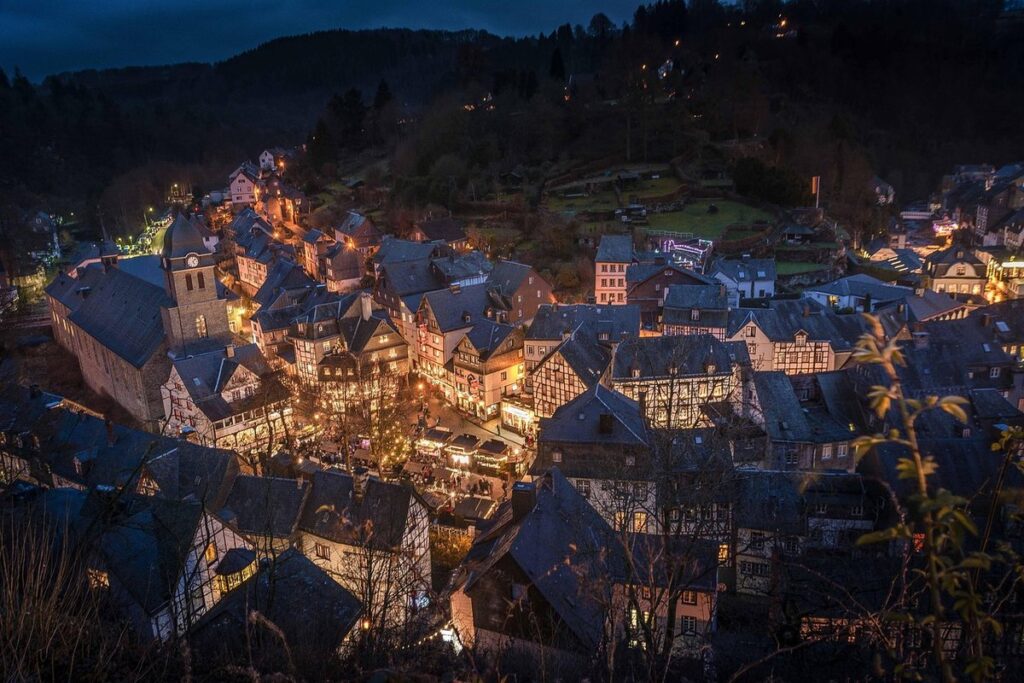
Another notable festival is the Christmas market season, which takes place throughout December. You can find festive stalls selling handmade crafts, mulled wine, and gingerbread in cities like Berlin, Hamburg, and Dresden. Some markets even offer horse-drawn carriage rides and ice skating. These events bring together families and friends to enjoy the holiday spirit.
Other notable celebrations include the Berliner Weisse festival, which honors a traditional sour beer, and the Cologne Carnival, a colorful procession that precedes Lent. Germany’s love of festivals is evident in its ability to bring people together across different regions and backgrounds. When attending these events, remember to respect local customs and traditions – it’s customary to raise your glass in a friendly toast called “prost” when drinking with others.
Holiday Traditions: Christmas, Easter, and More
Germans have a rich tradition of celebrating holidays with unique customs and symbols. Christmas markets, for instance, create a festive atmosphere with twinkling lights, mulled wine, and the scent of gingerbread wafting through the air. These events often take place in town squares or historic centers, offering a glimpse into the country’s strong sense of community.
At Easter, Germans decorate eggs as a symbol of renewal and new life. The most common design involves intricate patterns created using beeswax and dye. This tradition dates back to pre-Christian times when eggs were seen as a representation of fertility and rebirth.
Another notable holiday in Germany is Oktoberfest, which may seem counterintuitive given its name. However, this celebration has roots dating back to 1810 when the city of Munich held a harvest festival to commemorate the marriage between Crown Prince Ludwig and Princess Therese. Today, Oktoberfest is synonymous with beer, bratwurst, and lively music.
In addition to these well-known holidays, Germans also observe various regional and local traditions. For example, in Bavaria, it’s customary to celebrate St. Nicholas Day on December 6th by leaving shoes outside the door for a visit from “Nikolaus.”
Conclusion: Understanding German Culture Today
Understanding German culture today requires embracing its complexities and nuances. As we’ve explored various aspects of German traditions and values, it’s essential to recognize that cultural identity is not static, but rather dynamic and multifaceted. The country’s history, geographical location, and social fabric have all contributed to its unique cultural landscape.
To truly grasp German culture, one must appreciate the interplay between tradition and modernity. For instance, while Oktoberfest celebrations are deeply rooted in Bavarian heritage, they’ve also evolved to incorporate contemporary elements, such as live music performances and craft beer varieties. Similarly, the concept of Gemütlichkeit – a sense of warmth and hospitality – remains an integral part of German social etiquette, yet it’s not mutually exclusive with more modern values like sustainability and environmental consciousness.
By acknowledging these contrasts and contradictions, visitors can approach German culture with a deeper understanding and appreciation. This mindset will enable them to navigate everyday situations with greater ease, such as ordering food at a traditional tavern or participating in community events. Ultimately, embracing the complexities of German culture is key to forming meaningful connections with its people and fully immersing oneself in this rich and multifaceted society.
Frequently Asked Questions
What if I want to apply German cultural values in my own life?
Applying German cultural values requires understanding and respect for tradition, punctuality, and hard work. Start by learning about the country’s history and significance of family ties. Practice prioritizing tasks and being on time. You can also try incorporating traditional German customs into your daily routine, such as enjoying a beer garden or participating in a Christmas market.
Is it easy to adopt German culture if I’m not from Germany?
Adopting German culture requires an effort to understand its nuances and complexities. While it’s not impossible for someone outside of Germany to adopt these values, it may be challenging due to differences in upbringing and societal norms. Start by learning the language and immersing yourself in German customs. Be patient with yourself and acknowledge that cultural adaptation is a gradual process.
Can I still appreciate German culture without visiting the country?
Yes, you can still appreciate German culture without visiting the country. Learn about its history, traditions, and values through books, documentaries, or online resources. Try cooking traditional German dishes, attend German festivals or events in your area, or engage with the German community in your city.
How do I balance German cultural traditions with modernization?
Balancing German cultural traditions with modernization requires a thoughtful approach to preserving heritage while embracing change. Focus on understanding the historical context and significance of each tradition. Be open to adaptations and innovations that respect the original spirit of these customs.
What if I encounter resistance when trying to apply German culture in my own life?
If you encounter resistance when applying German culture, don’t give up. Understand that cultural adaptation can be met with skepticism or curiosity by those around you. Focus on clear communication about your intentions and values. Be patient and persistent in your efforts to integrate these customs into your life.
Can I apply German culture to non-German contexts?
Applying German culture to non-German contexts requires creativity and adaptability. Consider how specific traditions, such as respect for authority or emphasis on community ties, can be applied to your own cultural context. Be mindful of the historical and social nuances that make these customs relevant in Germany.
How do I know if I’m truly embodying German culture?
Embodied German culture is often characterized by a deep understanding and appreciation of its history, values, and traditions. Reflect on how you integrate these aspects into your daily life and relationships. Be honest with yourself about areas for improvement and continually seek to deepen your connection with German culture.
What if I find certain aspects of German culture challenging or unappealing?
It’s normal to have mixed feelings about certain cultural practices. Acknowledge what resonates with you and respectfully set boundaries around what doesn’t. Consider seeking guidance from a cultural expert or someone familiar with the specific customs that interest you.
How can I incorporate German art, music, and literature into my daily life?
Incorporating German art, music, and literature requires an appreciation for its historical and cultural significance. Listen to classical composers like Bach or Beethoven. Read classic novels by Goethe or Schiller. Attend opera performances or visit museums featuring German art.
What are some common mistakes people make when trying to adopt German culture?
Common mistakes include superficially adopting customs without truly understanding their context and history. Don’t assume that cultural practices can be replicated exactly outside of Germany’s social, historical, and environmental context.
Can I still learn from German culture if I have limited time or resources?
You can still learn from German culture with limited time or resources. Prioritize the aspects that interest you most. Start by learning basic phrases in German, exploring traditional cuisine, or engaging with online communities focused on German culture.
How do I know when I’ve successfully integrated German cultural values into my life?
Success often involves a combination of self-awareness and external validation. Reflect on how your actions align with the values and traditions you’re trying to adopt. Seek feedback from others who have experience with German culture or are familiar with its customs.