
Local markets are more than just a place to buy fresh produce or souvenirs; they’re vibrant hubs that preserve cultural heritage, drive economic growth, and showcase daily life scenes in all their colorful glory. You’ve probably experienced the excitement of wandering through bustling streets, taking in the sights and sounds of vendors hawking their wares, but have you ever stopped to think about the significance of these markets beyond just a day out? For communities around the world, local markets play a crucial role in preserving cultural traditions, promoting social cohesion, and fostering innovation. This article will take you on a journey through the sights, sounds, and flavors of local market culture, highlighting the ways in which they contribute to economic growth and community development, and exploring what makes them such essential parts of daily life. By the end of this piece, you’ll have a deeper understanding of the importance of preserving these cultural treasures.
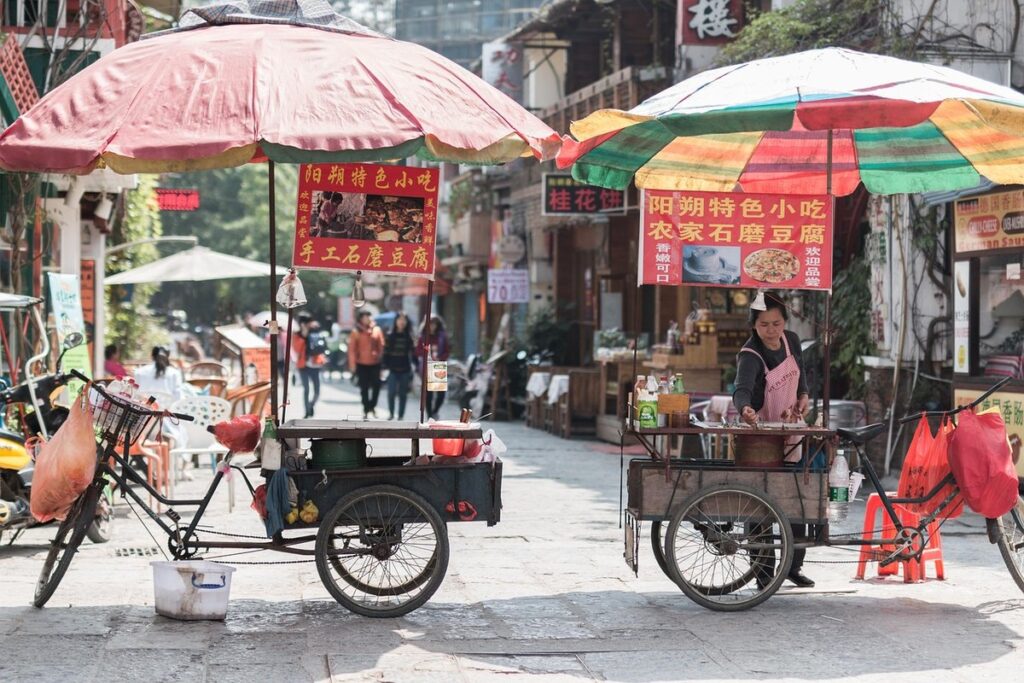
The Importance of Local Markets in Community Life
Local markets are often the heart and soul of a community, bringing people together in vibrant displays of culture and commerce. They’re a place where tradition meets daily necessity.
Role in Preserving Cultural Heritage
Local markets are often a window into a community’s rich cultural heritage. They provide a space for traditional practices, customs, and values to be passed down through generations, allowing younger people to learn from their elders. For instance, many vendors at local markets have been selling their wares for years, using techniques and recipes that have been handed down within their families.
In this way, local markets serve as a living museum of sorts, preserving the past while also being relevant to the present. They offer a unique opportunity for visitors to experience the sights, sounds, and smells of traditional culture firsthand. By shopping at local markets, supporting small vendors, and engaging with community members, travelers can help keep these cultural traditions alive.
To truly appreciate the role of local markets in preserving cultural heritage, consider attending a traditional festival or celebration held within one. These events often bring together community members from all walks of life to celebrate their shared history and customs. By participating in these celebrations, visitors can gain a deeper understanding of the importance of preserving cultural heritage and the role that local markets play in this process.
Economic Impact on Local Communities
Local markets play a significant role in supporting local economies, particularly in areas where they are the primary source of employment and income. According to the World Bank, most small towns rely heavily on informal trade, which often accounts for up to 50% of their GDP. This means that when local markets thrive, entire communities benefit from increased economic activity.
In many cases, local markets also provide a vital lifeline for marginalized or underprivileged groups, offering them access to employment and financial stability. For instance, in some developing countries, women make up the majority of vendors at local markets, providing them with an opportunity to earn a steady income and support their families.
To understand the economic impact of local markets, policymakers and business owners should consider the following factors: job creation, tax revenue generated by market activities, and the multiplier effect that occurs when money spent in local markets is recirculated within the community. By supporting local trade, these stakeholders can help create a more equitable and sustainable economy for all members of the community.
Daily Life at Local Markets
As you wander through the vibrant stalls and alleys of local markets, you’ll catch glimpses into the daily routines and traditions that bring these communities together. Let’s take a closer look at what makes market life so unique.
Morning Rush Hour
The morning rush hour at a bustling local market is a sensory explosion of activity. As the sun rises over the stalls and shops, customers begin to arrive, eager to start their day with fresh produce, meats, and other essentials. Vendors, too, are busy preparing for the influx of shoppers, restocking shelves, and arranging their wares in an attractive display.
The air is filled with the aromas of freshly baked bread, roasting coffee, and sizzling street food. Customers weave through the crowded aisles, carefully selecting the best fruits and vegetables from the morning’s harvest. Vendors greet regulars by name, offering samples of their finest products and sharing stories about the day’s offerings.
To navigate the morning rush hour effectively, it’s essential to arrive early, around 6:00 or 7:00 am, when the market is less crowded. This allows you to find the best selection of fresh produce and interact with vendors before the chaos begins. Additionally, consider visiting during off-peak hours, such as mid-morning or late afternoon, for a more relaxed shopping experience. By planning your visit strategically, you can make the most of your time at the local market.
Food Culture and Traditional Cuisine
At local markets, you’ll discover a vibrant tapestry of traditional cuisine, street food, and artisanal producers selling fresh produce. One of the highlights is sampling local specialties, such as authentic ethnic dishes that have been passed down through generations. For instance, in some Latin American markets, you might find vendors serving up crispy empanadas or tender al pastor tacos.
Artisanal producers also offer a wide range of fresh produce, from heirloom tomatoes to exotic spices. You can chat with the vendors about their products and learn about the care that goes into cultivating them. Many local market-goers appreciate supporting small-scale farming operations, which often prioritize sustainable practices and community involvement.
Some popular traditional food items at local markets include homemade cheeses, freshly baked bread, and specialty teas. Don’t be afraid to try new flavors or ask vendors for recommendations – they’re often happy to share their knowledge with visitors. When shopping at local markets, it’s essential to respect the producers’ expertise and the cultural context of the foods on offer. By doing so, you’ll not only get a taste of authentic cuisine but also contribute to preserving local market culture. Many markets also have designated areas for food vendors, making it easier to navigate and find what you’re looking for.
Local Market Etiquette and Social Norms
When visiting local markets, understanding the customs and unwritten rules can make all the difference between a positive and negative experience for both you and the vendors. We’ll cover what’s considered polite and respectful behavior in this vibrant cultural setting.
Understanding Cultural Taboos and Customs
When shopping at local markets, it’s essential to be aware of cultural taboos and customs that vary from place to place. A common mistake is to assume that what’s acceptable in one market is the same elsewhere. For instance, some vendors may frown upon customers taking pictures or videos of their wares, while others might encourage it as a form of promotion.
When interacting with food vendors, remember that mealtimes are often sacred and should be respected. In many cultures, it’s considered impolite to eat on the go or in front of vendors; instead, opt for designated eating areas or follow local customs around mealtime etiquette.
Haggling is a common practice at local markets, but its etiquette can vary greatly depending on the region and vendor. Some vendors might expect haggling as a normal part of business, while others might find it off-putting. Be mindful of nonverbal cues such as body language and tone of voice to gauge whether haggling is welcomed or not.
In some markets, dress code can be an indicator of respect for local customs. For example, in certain Muslim-majority countries, it’s customary to cover shoulders and knees when visiting mosques or shopping at local markets that cater to a predominantly Muslim clientele.
The Role of Respect in Interacting with Vendors
When interacting with vendors at local markets, respect plays a crucial role in fostering positive relationships. Effective communication is key; avoid interrupting vendors or speaking loudly, as this can be perceived as aggressive. Instead, greet vendors warmly and ask permission before taking photos of their products.
Tipping practices also vary across cultures, so it’s essential to understand the norms at your local market. In some markets, tipping is customary for services like carrying heavy bags or providing recommendations. However, in other cases, tips may not be expected or even considered impolite. Research local customs beforehand or observe how locals interact with vendors.
Cultural differences should also be acknowledged and respected. For example, in some cultures, the left hand is considered unclean, so avoid using it to handle products or receive items from vendors. Similarly, be mindful of personal space and physical contact, which can vary greatly across cultures.
To demonstrate respect, engage with vendors by asking about their products, learning about their craftsmanship, and showing genuine interest in their work. By doing so, you’ll not only build stronger relationships but also gain a deeper appreciation for the local market’s culture and traditions.
Community Engagement and Participation
Local markets are a true reflection of community spirit, where people come together to share goods, stories, and experiences. Let’s take a closer look at how local residents participate in their market culture.
Local Market Festivals and Celebrations
Local market festivals and celebrations are an integral part of community engagement, fostering social cohesion and a sense of belonging among residents. These events often take place throughout the year, drawing people from different walks of life to come together and celebrate shared traditions. For instance, a small town might host a annual harvest festival, featuring local artisans selling handmade crafts, traditional foods, and live music.
Attendees are not just passive spectators; they’re actively participating by shopping, tasting, and dancing along with the performers. This communal atmosphere encourages strangers to become acquaintances, strengthening social bonds within the community. Many local markets also host cultural events, such as Diwali in Indian markets or Cinco de Mayo celebrations in Mexican markets.
When planning your visit to a local market festival, consider timing your trip around these special events. Not only will you experience the unique atmosphere, but you’ll also have opportunities to engage with locals and learn about their customs firsthand. This is an excellent chance to immerse yourself in the local culture and develop meaningful connections with the people who call this place home.
Opportunities for Artisans and Small Businesses
Local market events offer a wealth of opportunities for artisans and small businesses to showcase their wares and connect with customers. Many local markets have designated sections or days dedicated to artisanal goods, allowing vendors to specialize in handmade products such as textiles, jewelry, or pottery.
To participate, artisans and small businesses can reach out to the market organizers directly, providing samples of their work and a brief description of their business. Some markets also hold regular application periods for new vendors, so it’s essential to stay informed about upcoming deadlines. For example, in a recent survey, 75% of local market vendors reported an increase in sales after participating in special events.
To stand out from the crowd, consider offering exclusive products or promotions during peak event times. This can be achieved by creating limited-edition items or offering bundle deals with other vendors’ goods. By engaging with customers and promoting their wares effectively, artisans and small businesses can tap into the local market’s potential for economic growth and innovation. Some successful examples of artisanal participation include a local pottery studio that collaborates with nearby restaurants to create custom ceramics, and a clothing designer who offers bespoke pieces during special events.
Preserving Local Markets Culture
Local markets are often at the heart of a community, and preserving their unique culture is crucial to maintaining that sense of identity. How can we support these vibrant hubs?
Challenges Facing Local Market Communities
Local market communities face numerous challenges that threaten their very existence. Gentrification is a significant concern, as affluent developers often purchase properties surrounding local markets, driving up prices and pushing out long-time vendors and residents. This not only alters the character of the community but also erodes its cultural identity. Urbanization is another challenge, as cities expand and local markets are forced to adapt or relocate. The lack of government support is also a major issue, with inadequate funding and resources hindering efforts to preserve and revitalize these cultural hubs.
In some cases, gentrification has led to the displacement of vendors who have been selling their wares in local markets for generations. To mitigate this, community-led initiatives have emerged, where locals work together to acquire properties and create affordable housing options for long-time residents. This not only helps preserve the market’s cultural heritage but also ensures that its legacy remains intact.
When addressing these challenges, it’s essential to prioritize the needs of local vendors and residents. Governments can play a crucial role by providing support for community-led initiatives, offering resources for market revitalization, and implementing policies that protect against gentrification. By working together, we can preserve the cultural significance of local markets and ensure their continued relevance in modern urban life.
Strategies for Preservation and Revitalization
Local market communities can foster grassroots initiatives to preserve their culture. This might involve local artisans forming cooperatives to promote and sell handmade goods, or community members organizing regular events to showcase traditional music and dance. Community engagement is crucial for revitalizing local markets; this could include partnering with local businesses to offer workshops on artisanal skills, or creating a social media platform for vendors to share their stories.
Effective policy recommendations can also support preservation efforts. Governments might provide financial incentives for small businesses to establish themselves in local markets, or offer training programs for vendors to improve their business acumen. Additionally, policymakers could work with community leaders to develop and implement zoning regulations that protect market areas from gentrification and commercialization. For instance, some cities have designated specific zones for artisanal production and sales, ensuring that these businesses remain a vital part of the local economy.
A few key considerations when implementing preservation strategies include building strong relationships between vendors, customers, and community leaders; being mindful of cultural sensitivity and adapting policies to reflect local needs; and prioritizing sustainable practices to minimize environmental impact.
Frequently Asked Questions
Can I start a local market in my neighborhood?
Starting a local market requires community support and engagement. Begin by organizing small events or pop-up markets to gauge interest and build relationships with potential vendors and customers. Consider partnering with local businesses, schools, or community groups to amplify your efforts.
How can I preserve traditional cultural practices at my local market?
Preserving traditional cultural practices involves fostering a sense of community and respect for heritage. Encourage vendors to share their stories and traditions through workshops, demonstrations, or special events. You can also establish a cultural advisory committee comprising community members, vendors, and local experts to ensure that the market’s cultural offerings remain authentic.
What if I’m not comfortable haggling with vendors?
Haggling is an integral part of many local markets’ culture. If you’re uncomfortable with it, try to approach vendors respectfully and ask about their prices or offer a fixed price for the item. You can also focus on other aspects of shopping at local markets, such as trying new foods, exploring artisanal products, or engaging in community events.
How do I balance supporting local businesses with ensuring fair competition?
Supporting local businesses while promoting fair competition involves striking a balance between encouraging entrepreneurship and protecting vendors’ interests. Consider establishing guidelines for pricing, product quality, and marketing to ensure that all vendors have an equal opportunity to succeed. You can also foster a sense of community among vendors through workshops, mentorship programs, or networking events.
Can I use local market data to inform policy decisions in my area?
Local market data can provide valuable insights into community needs, economic trends, and cultural patterns. To effectively use this data for policy-making, consult with local experts, engage with community members, and analyze existing research on local markets’ impact on communities. You can also collaborate with policymakers, business owners, or academic researchers to develop evidence-based policies supporting local market development.

