Harvest seasons bring forth an array of vibrant festivals and traditions that celebrate the bounty of nature, while also acknowledging the labor that goes into reaping its rewards. From the lush fields of India’s Pongal festival to the rustic table settings of Italy’s Vendemmia wine harvest, each culture has a unique way of honoring the earth’s generosity. You might be familiar with the Japanese Obon celebration, where families gather to honor their ancestors and give thanks for the year’s harvest, but have you ever wondered about the modern twist these traditions are taking? As our planet faces increasing environmental pressures, it’s essential to learn from and appreciate the sustainable practices woven into these harvest celebrations. This article will take you on a journey across cultures, exploring global harvest festivals, traditions, and cuisine that highlight cultural heritage while showcasing innovative ways to preserve our planet’s resources.
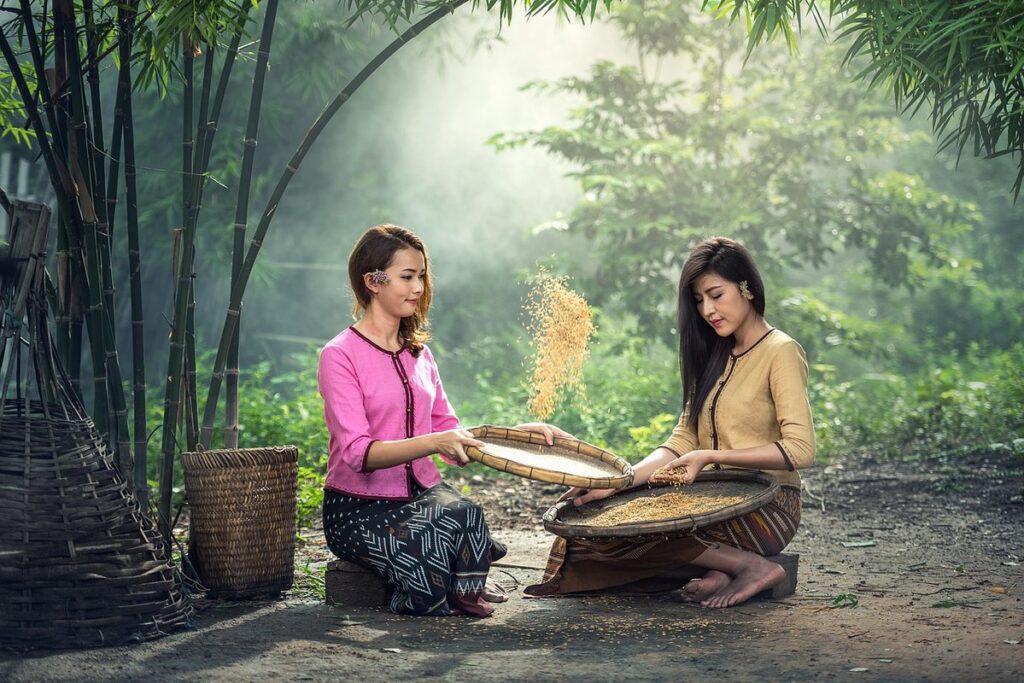
Celebrating the Bounty: Overview of Global Harvest Festivals
From India’s Navratri celebrations to Japan’s Moon Viewing festivals, harvest season is marked by vibrant traditions and diverse cultural expressions. Let’s take a journey through some of these unique global harvest festivities.
The Significance of Harvest Seasons in Ancient Cultures
In ancient civilizations such as Egypt, Greece, and Rome, harvest festivals held immense significance. These celebrations marked the end of the growing season, a time when crops were ripe for reaping and the land was bountiful. In Egypt, for instance, the festival of Isis celebrated the goddess’s role in ensuring fertility and abundance. The Greeks honored Demeter, their patron deity of agriculture, with festivals like Thesmophoria, which symbolized the cycle of growth and harvest.
The significance of these ancient harvest festivals lay not only in their spiritual importance but also in their practical implications. By acknowledging the end of the growing season, communities could plan for the coming winter months, storing food, and preparing for the next planting cycle. This awareness of the natural cycles allowed them to make informed decisions about agriculture, ensuring a steady supply of food throughout the year.
In these ancient cultures, harvest festivals served as a time to reflect on the bounty of the land and express gratitude for the labor that went into cultivating it. By studying these traditions, we can gain valuable insights into the importance of community, cooperation, and respect for nature’s rhythms in modern times.
Modern-Day Harvest Celebrations Around the World
From Japan’s Moon Viewing Festival to Mexico’s Día de Muertos and India’s Pongal festival, modern-day harvest celebrations around the world showcase the diversity of human traditions. In Japan, the autumn moon is celebrated during the Tsukimi festival, where people gather to admire the full moon’s reflection on the water, symbolizing abundance and gratitude.
In Mexico, Día de Muertos honors ancestors with vibrant altars, decorated with marigolds, candles, and favorite foods of the deceased. This ancient tradition has been adapted into a festive celebration, blending indigenous and Catholic influences. Meanwhile, India’s Pongal festival is a four-day harvest celebration that takes place in mid-January. The festivities include traditional dances, such as the “Bommai Kolu” – an intricate folk dance performed by women.
These festivals share common themes: gratitude for nature’s bounty, respect for ancestors and tradition, and appreciation for community gatherings. While unique in their expressions, they all highlight the importance of harvest celebrations as a time to come together with loved ones, honor the land, and reflect on the cycle of life.
Agricultural Roots: Harvest Traditions in Rural Communities
From farm-to-table feasts to grain-harvest celebrations, we’ll explore how rural communities around the world preserve and honor their agricultural heritage. We’ll take a closer look at these special traditions.
Family Farm Gatherings: A Time for Gratitude
Family gatherings on the farm are a time-honored tradition during harvest season. These events bring together multiple generations to share stories, recipes, and techniques passed down through the years. The elderly farmers often take center stage, imparting their knowledge of crop rotation, soil quality, and weather patterns that have been crucial to their success.
Younger family members learn by observing and participating in these gatherings. They’re taught how to properly harvest crops, preserve fruits and vegetables, and cook hearty meals from scratch. These hands-on lessons help bridge the gap between tradition and modernity, ensuring that rural communities continue to thrive.
At farm gatherings, it’s not uncommon for families to share their most treasured recipes, often tied to specific harvest seasons or events. For example, a family might pass down a traditional apple pie recipe that’s been perfected over generations. These shared traditions foster a sense of community and cooperation, highlighting the importance of intergenerational knowledge sharing during these events.
During these gatherings, it’s essential for families to prioritize sharing their expertise with younger members. By doing so, they not only preserve their heritage but also ensure the continuation of their agricultural practices.
Community-Oriented Harvest Celebrations
Community-led harvest festivals are a staple of rural communities worldwide. These events bring residents together to celebrate the bounty of the harvest season. In Italy, for example, grape harvests are a time-honored tradition that often involve entire families and towns coming together to pick grapes by hand. The festive atmosphere is palpable as locals gather to share in the labor, enjoy traditional foods, and toast to the harvest’s success.
Similarly, German Oktoberfest celebrations have their roots in harvest festivals, albeit with a focus on beer production rather than grape harvesting. However, both events embody the spirit of community-oriented harvest celebrations: bringing people together to share in the joys of the harvest season. When planning your own community-led harvest festival, consider incorporating activities that promote intergenerational connections, such as children’s games, traditional cooking demonstrations, and hands-on workshops.
To foster a sense of belonging among attendees, be sure to involve local artisans, farmers, and musicians in the planning process. This not only adds depth and authenticity to the event but also provides opportunities for residents to showcase their skills and talents. By embracing the community-oriented aspects of harvest festivals, you can create an inclusive and vibrant celebration that strengthens social bonds and honors the agricultural heritage of your region.
Folkloric Roots: Harvest Legends and Myths
Harvest season has long been a time for storytelling, and many of our favorite folktales and legends originated from agricultural traditions. Let’s explore some of these enduring tales that celebrate the harvest season.
Stories of the Harvest Goddesses
In ancient Greek mythology, Demeter was the goddess of agriculture and fertility. Her story is deeply intertwined with the harvest season, as she grieved for her daughter Persephone who was abducted by Hades, causing winter to fall over the earth. When Persephone finally returned to her mother, Demeter’s joy was so great that she caused crops to bloom and grow in abundance. This mythological narrative is a powerful reminder of the cyclical nature of agriculture and the importance of fertility in the harvest season.
Similarly, in Roman mythology, Ceres (equivalent to Demeter) was revered as the goddess of agriculture and harvest. Her association with fertility was so strong that her worship was often tied to the cycles of planting and harvesting. In some ancient Roman festivals, participants would reenact the mythological narrative of Persephone’s return by planting seeds in honor of Ceres.
These stories not only highlight the significance of fertility in agricultural cycles but also demonstrate the reverence with which ancient cultures viewed the harvest season. By understanding these mythological roots, we can appreciate the deeper symbolism and meaning behind many modern harvest traditions, from farmers’ gratitude to the earth’s bounty to the cyclical renewal of life and growth that comes with each new season.
Supernatural Forces and the Harvest Season
In many cultures, supernatural forces are believed to play a significant role during the harvest season. In African mythology, for example, the Yoruba people attribute powers of fertility and abundance to the Orisha goddess Oya. During this time, they often perform rituals and ceremonies to honor her and ensure a bountiful harvest.
In Asian cultures, the harvest season is also associated with supernatural beings. The Japanese deity Kukuri-no-Mitama, for instance, is believed to oversee the growth of crops and protect farmers from disease and pests. Similarly, in some Indigenous American mythologies, spirits like the Corn Maiden are said to possess magical powers that can affect crop yields.
These supernatural forces often serve as a reminder of the interconnectedness between humans and nature. By acknowledging and respecting these powers, cultures aim to maintain balance and ensure a successful harvest. In modern times, many farmers continue this tradition by performing rituals or making offerings to these deities before planting and harvesting their crops.
Food for Thought: Traditional Harvest Cuisine
As we celebrate the bounty of harvest season, traditional cuisine plays a big role in many cultures. Let’s take a look at some delicious dishes that have been passed down through generations and continue to nourish communities today.
Hearty Harvest Stews and Soups
Traditional harvest stews and soups are a staple of many cultures around the world. In Ireland, hearty beef stew is a beloved dish made with locally sourced beef, potatoes, carrots, and onions. German sauerkraut soup, on the other hand, combines tangy fermented cabbage with pork or sausage for a flavorful and nutritious meal.
In Italy, minestrone is a classic harvest soup that showcases the region’s rich produce. This vegetable-based stew typically includes beans, tomatoes, and root vegetables like celery and carrots, all sourced from local farms whenever possible. The importance of locally sourced ingredients cannot be overstated in these recipes, as they not only support the local economy but also ensure that the food is fresh and flavorful.
When preparing your own harvest stews and soups, consider visiting a nearby farmers’ market or joining a community-supported agriculture (CSA) program to source your ingredients. This will not only give you access to seasonal produce at its peak freshness but also connect you with the people who grew it – a key aspect of preserving cultural heritage through food traditions.
Desserts Born from Abundance: Harvest Season Treats
Apple pies, pumpkin bread, and gingerbread men are just a few of the sweet treats that have become synonymous with harvest season. These desserts were born from the abundance of autumnal fruits and spices, which provided the perfect ingredients for warm, comforting baked goods.
In many cultures, these desserts hold significant cultural and historical value. Apple pie, for example, has its roots in traditional English cuisine, where it was often made with apples gathered from nearby orchards. Similarly, pumpkin bread is a staple of American harvest celebrations, particularly during Thanksgiving.
The origins of gingerbread men are less clear-cut, but they’re likely linked to European traditions of making sweet biscuits using honey and spices. What’s certain is that these treats have become integral to the harvest season experience in many parts of the world. They add a touch of warmth and nostalgia to autumnal gatherings, reminding us of the bounty that surrounds us.
When baking your own harvest-inspired desserts, consider experimenting with seasonal fruits and spices to infuse your creations with authentic flavor. Try using locally sourced ingredients or incorporating traditional recipes into your cooking routine to connect with the history behind these beloved treats.
Modern Applications: Sustainable Harvest Practices
We’ll look at how sustainable harvest practices are being integrated into modern agricultural traditions, from organic farming methods to environmentally conscious harvesting techniques. This allows farmers to preserve cultural heritage while also protecting the planet’s resources.
Eco-Friendly Farming Methods for a Greener Harvest
Permaculture and regenerative agriculture are two eco-friendly farming methods that prioritize environmental sustainability. These approaches focus on working with nature to maintain soil health, conserve water, and promote biodiversity. Permaculture designs agricultural systems that mimic the patterns found in natural ecosystems, often using diverse crop combinations and efficient irrigation techniques. Regenerative agriculture takes it a step further by actively rebuilding soil organic matter, reversing land degradation, and sequestering carbon.
One of the key benefits of these methods is their ability to preserve natural resources. By reducing synthetic fertilizers and pesticides, permaculture and regenerative agriculture minimize water pollution and promote healthy ecosystems. For example, a permaculture farm in Australia reported a 90% reduction in irrigation water usage after implementing efficient drip irrigation systems.
Incorporating eco-friendly farming methods into your harvest practices can have a significant impact on the environment. Consider starting small by incorporating companion planting or introducing cover crops to improve soil health and reduce erosion. By adopting these sustainable approaches, you’ll not only contribute to a greener harvest but also help preserve natural resources for future generations.
Innovative Harvest Technologies
Precision agriculture tools and vertical farming systems are revolutionizing the way crops are harvested. These innovative technologies not only optimize yields but also significantly reduce waste. For instance, precision irrigation systems can detect soil moisture levels and adjust water supply accordingly, reducing evaporation and runoff. Similarly, vertical farms make use of space by stacking layers of crops, minimizing land usage while maximizing yield.
One notable example is the use of drones equipped with sensors to monitor crop health and detect early signs of disease or pests. This allows farmers to respond quickly and targetedly, reducing the need for chemical pesticides and minimizing environmental impact. Vertical farming systems also enable year-round production, regardless of climate or season, by using controlled environments such as greenhouses or indoor facilities.
The adoption of these technologies is gaining momentum globally, with many countries investing in precision agriculture initiatives. However, their implementation requires significant upfront investment and infrastructure development. As the agricultural industry continues to evolve, it’s essential for farmers, policymakers, and consumers to stay informed about the benefits and challenges associated with these cutting-edge technologies.
Conclusion: Preserving Cultural Heritage through Harvest Traditions
As we come full circle, let’s examine how harvest traditions are not only a celebration of abundance but also a vital part of preserving cultural heritage.
The Future of Harvest Celebrations
As we look to the future of harvest celebrations, it’s essential to recognize the significance of preserving cultural heritage through these traditions. One way to achieve this is by incorporating intergenerational learning into harvest events. This can be done by inviting elderly community members to share their experiences and stories with younger generations. For instance, a farm-based festival could feature a “storytelling corner” where older farmers recount their harvesting techniques and the history behind specific customs.
To promote community cohesion, modern society can also adapt harvest celebrations to reflect local needs and concerns. This might involve partnering with local organizations to create events that address issues such as food security, environmental sustainability, or social inequality. For example, a “harvest fair” could include workshops on reducing waste, cooking demonstrations using locally sourced ingredients, and discussions on the importance of preserving agricultural heritage.
By embracing these approaches, we can revitalize harvest traditions and ensure their continued relevance in modern times. This not only helps to preserve cultural heritage but also fosters connections between people across different age groups and backgrounds.
Harvest Season as a Time for Reflection and Renewal
Embracing harvest season traditions can be a powerful way to reconnect with nature and cultivate gratitude. As the seasons change and the harvest comes to fruition, we’re reminded of the cycles of life and the interconnectedness of our lives with the natural world. By participating in harvest celebrations and adopting traditional practices, you can tap into this sense of connection and well-being.
For example, many cultures incorporate elements of nature into their harvest festivities, such as decorating with seasonal flowers or hosting outdoor feasts under the stars. These simple acts can help you slow down and appreciate the beauty of the world around you. By doing so, you’ll not only cultivate gratitude but also develop a deeper sense of empathy for the people and traditions that come from diverse cultural backgrounds.
To make the most of this opportunity for reflection and renewal, consider setting aside time to engage in activities that bring you closer to nature and your community. This might involve attending a local harvest festival, volunteering at an organic farm, or simply taking a walk in a nearby park to observe the changing seasons. By embracing these simple yet meaningful practices, you’ll find that harvest season is not just a time for celebration but also a chance to reconnect with what truly matters.
Frequently Asked Questions
Can I adapt harvest traditions to my own cultural context?
Yes, by studying and understanding the significance of various harvest festivals from around the world, you can identify elements that resonate with your own cultural heritage and incorporate them into modern celebrations. This approach allows for a meaningful connection between tradition and personal identity.
How do I balance preserving traditional harvest practices with sustainable modern methods?
It’s not an either-or situation. Many sustainable farming techniques, such as permaculture and regenerative agriculture, draw inspiration from ancient practices that emphasized harmony with nature. By embracing the principles of these approaches, you can honor cultural heritage while also contributing to environmental sustainability.
Are there any specific harvest season traditions I can adapt for a small-scale urban garden?
Yes, many traditional harvest celebrations focus on the abundance and gratitude associated with growing one’s own food. You might consider hosting a “harvest dinner” in your backyard or community garden, where you share the fruits of your labor with friends and family, emphasizing the connection between hard work, nature, and celebration.
What if I’m not a skilled cook; can I still participate in harvest celebrations through food?
Absolutely. Harvest season is as much about sharing stories and company as it is about enjoying traditional dishes. You might consider bringing a store-bought or prepared dish that represents your heritage or incorporates seasonal ingredients, allowing you to participate in the celebration without feeling pressured to be an expert chef.
Can I adapt harvest traditions for use during non-harvest seasons?
Yes, many of the core principles and themes behind harvest celebrations – gratitude, community, connection with nature – are timeless. You can apply these elements throughout the year by focusing on what’s available locally or seasonally where you live, promoting a spirit of appreciation and cooperation that transcends traditional harvest timing.