As you stand in front of your kitchen counter, do you ever wonder how people across the globe cook their daily meals? What ingredients they use, which cooking techniques they employ, and what significance food holds in their culture? Home cooking traditions are a reflection of a community’s history, values, and identity. In this article, we’ll take you on a culinary journey to explore these regional influences and cultural significance of food in various cultures around the world. From the spices of India to the pasta dishes of Italy, we’ll examine how modern twists on traditional recipes are both preserving heritage and adapting to changing tastes. By the end of this article, you’ll gain a deeper understanding of the rich diversity of global home cooking traditions and be inspired to try new flavors in your own kitchen.
Exploring Global Food Culture
As we travel the globe, we discover that every culture has its own unique take on home cooking traditions, each one a delicious reflection of its people and place. Let’s take a culinary journey through some of these fascinating traditions.
The Importance of Family and Tradition in Home Cooking
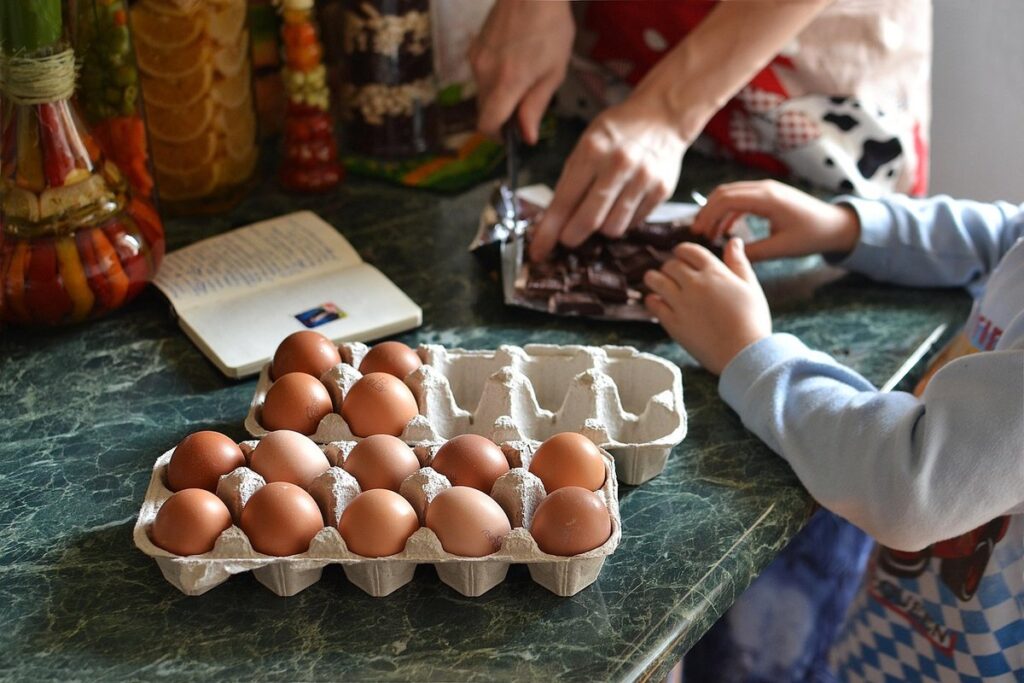
Family and cultural heritage are the foundation upon which home cooking traditions are built. In many cultures, cooking is not just about preparing a meal, but also about preserving family history and cultural identity. Grandmothers often pass down their favorite recipes to granddaughters, who then share them with their own children. This oral tradition of recipe-sharing is an important way that cultural heritage is preserved.
In some countries, traditional home cooking is deeply tied to specific festivals or celebrations. For example, in Mexico, mole poblano is a rich and complex sauce served on special occasions like weddings and holidays. The preparation of this dish is often a communal effort, with family members working together to create the intricate flavor profile. By participating in these traditions, families are not only enjoying a delicious meal but also honoring their cultural heritage.
When cooking traditional dishes at home, it’s essential to involve your family and incorporate stories about the recipe’s origins. This can be as simple as asking a grandparent to explain the history behind a particular dish or sharing your own experiences with the recipe. By doing so, you’ll not only create lasting memories but also ensure that these treasured traditions continue for generations to come.
Regional Influences on Home Cooking
Geographical location plays a significant role in shaping home cooking traditions. In tropical regions like Southeast Asia and the Caribbean, for example, fresh coconut milk and spicy peppers are staples in many households due to their availability and long shelf life. In contrast, areas with harsh winters, such as Scandinavia and Eastern Europe, often rely on heartier stews and soups made with root vegetables and meat.
Climate also influences cooking techniques. For instance, the heat of Indian summers encourages quick-cooking methods like grilling and stir-frying, while the cold winters in Russia and Poland favor slow-cooked dishes that simmer for hours. Moreover, local ingredients are often chosen based on their ability to withstand seasonal fluctuations. In coastal regions like Japan and Italy, fresh seafood is a common feature, whereas inland areas focus more on land-based protein sources.
To incorporate regional influences into your own home cooking, try experimenting with locally sourced ingredients or cooking techniques that suit your climate. This may involve exploring new spices, herbs, or condiments specific to your area, or adapting recipes from other cultures to better suit your environment and tastes.
Traditional European Home Cooking
Traditional European cuisine is all about hearty, comforting dishes that warm the soul, from slow-cooked stews to rich pasta sauces. Let’s take a culinary journey through some of Europe’s most beloved home cooking traditions.
Hearty Stews and Soups from Europe’s Countryside
In Europe’s countryside, hearty stews and soups are staples of traditional home cooking. These comforting dishes often rely on locally sourced ingredients, such as root vegetables, beans, and leafy greens, which are at their best during the colder months. French bouillabaisse, a fish stew originating from Marseille, is a prime example of this approach. The dish typically includes a variety of seafood and shellfish, along with vegetables like onions, garlic, and tomatoes, all simmered in a flavorful broth.
German eintopf, or one-pot beef stew, is another classic example of European hearty cooking. This simple yet satisfying dish requires just a few ingredients, including beef, potatoes, carrots, and sometimes cabbage or sauerkraut. Italian zuppa toscana, a kale and sausage soup, is also a beloved regional specialty. To make these stews and soups, cooks often rely on family recipes passed down through generations, which are frequently tied to specific seasons and local ingredients.
In many European countries, using locally sourced ingredients is not just a matter of tradition but also a practical necessity. By emphasizing seasonal produce, cooks can create dishes that are both flavorful and sustainable.
Classic European Desserts and Baked Goods
European desserts are renowned for their rich flavors and intricate preparations. Apple strudel, a classic Austrian pastry, is a staple at family gatherings and holiday feasts. Layers of flaky dough, tender apples, and sweet vanilla sauce create a harmonious balance of textures and tastes. Similarly, French croissants are a symbol of community baking, often made in large batches for Sunday markets or special occasions.
Tiramisu, an Italian dessert, showcases the country’s love for coffee and creamy mascarpone cheese. The ladyfingers’ delicate crunch provides a subtle contrast to the soft, whipped cream. These traditional desserts not only satisfy sweet tooths but also evoke a sense of nostalgia and warmth.
Baking is deeply ingrained in European cultures, with many communities coming together to prepare bread, pastries, and cakes for special events or everyday meals. The process itself becomes a social activity, fostering connections and creating lasting memories. To incorporate this tradition into your own cooking, consider hosting a baking day with friends or family members – the outcome is not only delicious but also a tangible expression of community spirit.
Asian Home Cooking Traditions
From the intricate flavors of Japanese teriyaki to the bold spices of Korean kimchi, Asian home cooking traditions are a rich tapestry of diverse culinary experiences. Each country’s unique approach to cooking showcases its heritage and culture.
The Art of Dim Sum and Dumplings in Chinese Cuisine
In Chinese cuisine, dim sum and dumplings are staples of communal eating. Steamed buns, potstickers, and har gow may be served as individual morsels, but they’re often enjoyed in a group setting. This tradition dates back to the southern province of Guangdong, where laborers would gather for breakfast at tea houses, sharing small plates of food. Today, dim sum is a beloved weekend ritual in many Chinese communities.
A key aspect of Chinese cuisine is the emphasis on family and social bonding over meals. Dumplings, often served during special occasions like Lunar New Year, are typically made by hand with love and care. Sharing these homemade dumplings around a table fosters connection and togetherness among family members. When making dim sum at home, consider inviting friends or relatives to share in the experience – it’s not just about cooking, but also about creating memories.
When preparing dim sum, keep ingredients simple yet fresh. For example, use store-bought wonton wrappers for potstickers instead of making your own dough from scratch. Focus on balancing flavors and textures, with a harmonious mix of savory, sweet, and umami notes. Experiment with different fillings, such as shrimp or pork, to find your favorite combinations.
Japanese Home Cooking: Simple yet Elegant
Japanese cuisine is renowned for its emphasis on simplicity and elegance. A key aspect of Japanese home cooking lies in its minimalist approach to ingredients and preparation methods. Dishes like sushi, ramen, and tempura exemplify this philosophy, where a few carefully selected ingredients are transformed into something greater than the sum of their parts.
One reason for Japan’s focus on simple dishes is its history as an agricultural society, where food was scarce and resources were limited. This led to the development of cooking techniques that maximized flavor with minimal ingredients. For example, traditional ramen broth is made by simmering pork or chicken bones for hours to extract every last drop of collagen and gelatin.
When cooking Japanese dishes at home, focus on using high-quality ingredients rather than relying on elaborate sauces or seasonings. A good balance of flavors can be achieved by emphasizing the natural taste of each component, rather than overpowering it with added flavor enhancers. Try making a simple tempura recipe with fresh vegetables and a light batter for a delicious and elegant side dish. By embracing the simplicity at the heart of Japanese home cooking, you can create meals that are both nourishing and beautiful to present.
Latin American Home Cooking
From spicy tacos al pastor to hearty feijoada, we’ll explore the vibrant flavors and rich traditions of home cooking in Latin America. Let’s take a culinary journey through this incredible region.
Spicy Flavors and Vibrant Colors in Latin American Cuisine
Latin American cuisine is a vibrant reflection of its diverse cultural heritage. Traditional dishes like tacos al pastor, empanadas, and feijoada showcase the bold flavors and colors characteristic of this region’s home cooking. These dishes are not only delicious but also tell a story about the people who created them.
At its core, Latin American cuisine is all about balance – balancing spicy chilies with rich meats, tangy citrus with savory spices, and vibrant colors on the plate. A good empanada, for instance, should have a crispy exterior giving way to a flavorful filling of meat, cheese, or vegetables. Similarly, feijoada, a hearty Brazilian stew, is made by combining black beans with an assortment of meats – beef, pork, and sometimes even sausage.
When preparing these dishes at home, it’s essential to experiment with different spice combinations and color profiles. For tacos al pastor, try marinating your meat in a mixture of chili powder, cumin, garlic, and orange juice for added depth. As for empanadas, don’t be afraid to add some diced tomatoes or sliced olives on top for a burst of freshness. By doing so, you’ll not only create delicious meals but also connect with the rich cultural heritage of Latin America.
The Importance of Family Gatherings in Latin American Culture
Family gatherings and celebrations are deeply ingrained in Latin American culture, with a strong emphasis on bringing people together through food. In many countries, Sunday lunches are a time-honored tradition where families gather to share a meal and reconnect. The preparation of these meals is often a collaborative effort, with multiple generations contributing their favorite recipes and cooking techniques.
In some regions, like Mexico and Central America, the Sunday dinner is known as “comida familiar,” emphasizing the importance of family bonding over a shared meal. Similarly, in countries like Argentina and Uruguay, the traditional “asado” – a slow-cooked barbecue feast – brings families together to share stories and laughter around the table.
To incorporate this aspect into your own cooking traditions, consider hosting Sunday dinner gatherings with friends or family members from Latin America. You can start by learning simple recipes that are popular in these countries, such as arroz con pollo (chicken and rice) or empanadas. As you cook and share meals together, you’ll begin to appreciate the significance of food in bringing people closer together. By doing so, you’ll be able to experience firsthand the warmth and camaraderie that Latin American culture places on family gatherings and celebrations.
Middle Eastern Home Cooking
Middle Eastern home cooking is a rich and diverse reflection of the region’s cultures, with aromas and flavors that transport you to bustling souks and warm family kitchens. From hearty stews to fragrant rice dishes, its cuisine is an integral part of daily life.
Rich Flavors and Aromatic Spices in Middle Eastern Cuisine
Middle Eastern cuisine is renowned for its bold and complex flavors, which are often achieved through the liberal use of aromatic spices. Traditional dishes like kebabs, falafel, and shawarma are staples of Middle Eastern home cooking, and they rely heavily on a blend of spices that might include cumin, coriander, cinnamon, allspice, sumac, and cardamom.
The key to incorporating these flavors into your own cooking is to understand the role that each spice plays. For example, cumin adds warmth and depth, while coriander provides a slightly sweet and citrusy note. Cinnamon and allspice add a warm, aromatic quality, while sumac adds a tangy, slightly sour taste.
To get started, try making a simple spice blend using some of these ingredients. Mix together equal parts cumin and coriander, with a pinch each of cinnamon and allspice. This will give you a basic Middle Eastern-style spice blend that can be used to add flavor to kebabs, falafel, or other dishes.
When cooking with spices, it’s also important to consider the balance between sweet, sour, salty, and umami flavors. In traditional Middle Eastern cuisine, this is often achieved through the use of ingredients like pomegranate molasses, lemon juice, and olive oil.
The Significance of Hospitality in Middle Eastern Culture
In Middle Eastern culture, hospitality is deeply ingrained and considered a fundamental aspect of respect for guests. When welcoming visitors into their home, hosts typically strive to create an atmosphere of warmth and generosity through food. Traditional dishes like maqluba (upside-down rice) or kebabs are often served with an abundance of fresh herbs, flatbread, and various dips, symbolizing the host’s willingness to share their resources. Guests are frequently offered a cup of cardamom-infused coffee or tea as a sign of respect.
The significance of food in Middle Eastern hospitality is not limited to the meal itself but also extends to the preparation process. Hosts often engage in prolonged conversations with guests while cooking, emphasizing the value placed on time spent together. This emphasis on communal eating and conversation underscores the importance of building relationships through shared meals. When hosting others, consider the significance of food as a gesture of respect and take the time to prepare traditional dishes that showcase your hospitality.
African Home Cooking Traditions
African home cooking traditions are a vibrant tapestry of flavors and techniques, shaped by the continent’s diverse cultures and geography. Let’s take a culinary journey through some of Africa’s most beloved dishes.
One-Pot Wonders from West Africa’s Countryside
In West Africa’s countryside, one-pot wonders like jollof rice and egusi soup are staples of traditional home cooking. These flavorful dishes are often made with locally sourced ingredients, such as fragrant spices, leafy greens, and protein-rich peanuts or fish. For example, in Ghanaian cuisine, fufu is a thick, starchy porridge made from boiled cassava or yams, served alongside light soups like groundnut soup.
Using locally sourced ingredients not only adds flavor but also supports local economies. In many West African countries, markets and farms are the primary sources of fresh produce, meat, and fish. Families often purchase these ingredients in bulk and use them to prepare meals for several days. This approach to cooking is both resourceful and respectful of the land.
To replicate these one-pot wonders at home, start by selecting a few key spices, such as cumin, coriander, or paprika, which are commonly used in West African cuisine. Next, choose a protein source like chicken, beef, or fish, and pair it with some leafy greens or vegetables. Then, follow a simple recipe that combines these ingredients into a single pot.
The Significance of Food in African Celebrations
In many African cultures, food plays a central role in celebrations and ceremonies. For example, in Ghanaian culture, fufu is a staple dish made from boiled cassava dough, served with a spicy sauce called light soup. It’s typically served at special occasions like weddings and funerals. The preparation of fufu is often a communal effort, involving the entire family or community.
In some African cultures, specific dishes are reserved for certain celebrations. For instance, in Yoruba culture from Nigeria, jollof rice is a popular dish made with tomatoes, onions, and spices. It’s typically served at parties and special events like birthdays and weddings. In many African cultures, the presentation of food is also significant, with elaborate arrangements and decorations adding to the festive atmosphere.
The ingredients used in African celebrations often hold cultural significance as well. For example, in some tribes, certain types of fish are reserved for ceremonial purposes only. The use of traditional spices like berbere and cumin adds depth and complexity to many African dishes. By incorporating these ingredients and practices into your cooking, you can better appreciate the cultural heritage behind African home cooking traditions.
Modern Twists on Traditional Home Cooking
As we explore home cooking traditions from around the world, we’re also seeing creative updates to classic recipes that blend modern flavors and techniques with timeless family favorites. Think traditional dishes reimagined for a new generation of cooks.
Fusion Cuisine: Combining Global Flavors
Fusion cuisine has become increasingly popular as chefs and home cooks experiment with combining global flavors to create something entirely new. In Japan, for example, you can find dishes like sushi tacos, a fusion of Mexican and Japanese cuisines that blends the classic taco shell with the savory filling of sushi. Similarly, in India, chefs have created curries infused with the bold flavors of Korean chili flakes or the tangy zip of Jamaican jerk seasoning.
The possibilities are endless, and fusion cuisine is not limited to just high-end restaurants. Home cooks can also experiment with combining flavors from different cultures to create unique dishes that reflect their own tastes and traditions. For instance, a classic Chinese stir-fry might be paired with the spices of North African tagine or the bold flavors of Brazilian churrasco.
When experimenting with fusion cuisine, it’s essential to balance flavors and textures so that each component works together harmoniously. Start by selecting one or two core ingredients from different cuisines and build from there. Consider what flavors you want to emphasize – sweet, sour, salty, or umami – and how you can combine them in a way that creates something new and exciting.
The Role of Social Media in Preserving Home Cooking Traditions
Social media platforms have become a vital tool for preserving home cooking traditions. Through visually stunning images and engaging videos, cooks from around the world are sharing their family recipes, cooking techniques, and cultural stories with a global audience. Instagram, in particular, has become a hub for food enthusiasts, with millions of users following popular accounts that showcase traditional dishes from various countries.
YouTube is another platform where home cooks can share their expertise and preserve their culinary heritage. Channels dedicated to specific cuisines or cooking styles have amassed large followings, providing a space for people to learn about and connect with different cultures through food. By sharing recipes, cooking techniques, and personal anecdotes, social media users are helping to keep traditional home cooking methods alive.
Some cooks use social media to share their family’s secret recipes, while others document their own experiments with traditional dishes. Online communities have formed around these shared interests, allowing people to exchange tips, ask questions, and learn from one another. By tapping into this online network, home cooks can gain new ideas, inspiration, and a deeper understanding of the cultural context behind their favorite dishes.
Frequently Asked Questions
Can I start incorporating traditional recipes from around the world into my own cooking without feeling overwhelmed?
Yes, start by choosing one or two recipes that genuinely interest you and gradually build up your repertoire. Consider starting with simpler dishes that require fewer ingredients and less preparation time.
How can I balance preserving traditional home cooking traditions with adapting to modern tastes and dietary restrictions in my family?
It’s all about finding a balance between honoring cultural heritage and accommodating individual preferences. Encourage open communication within your family, and be willing to experiment with new recipes and ingredients that still respect the original traditions.
What if I’m not sure how to source locally sourced ingredients for traditional recipes from other regions?
Look into local farmers’ markets, specialty food stores, or online suppliers that cater to global cuisine. You can also consider substituting ingredients with similar substitutes found in your area while maintaining the spirit of the original recipe.
Can I use modern cooking techniques and appliances when preparing traditional home-cooked meals?
While it’s generally okay to adapt recipes to suit your kitchen’s capabilities, be mindful of how certain techniques might alter the dish’s authenticity. Consider consulting cookbooks or online resources that specialize in adapting traditional recipes for modern kitchens.
How can I share my own family’s cooking traditions and cultural heritage with others through social media or community events?
Share personal anecdotes about specific dishes and their significance to your family, along with clear recipe instructions and photos of finished meals. Participate in local food festivals or events that celebrate global cuisine and consider partnering with friends or fellow food enthusiasts to co-host a cultural cooking event.
Can I still use store-bought shortcuts like pre-made spice blends or instant broth when preparing traditional home-cooked meals?
Yes, it’s perfectly fine to use modern conveniences if they save you time and effort while maintaining the essence of the original recipe. However, be mindful of over-reliance on such shortcuts; try to gradually incorporate homemade alternatives as you gain confidence in your cooking skills.