
When you travel abroad, you’re not just navigating new streets and landmarks – you’re also immersing yourself in different cultures. Public transportation is often at the heart of daily life in many countries, but local customs around etiquette can be surprisingly varied. What’s considered polite behavior on a crowded subway car in New York might be seen as invasive or even rude in Tokyo. Understanding these cultural differences is key to having a positive experience while traveling – and it starts with respect for local traditions. This article will take you on a journey across the globe, exploring how public transportation etiquette varies from Western norms to Eastern customs. By the time you finish reading, you’ll know how to adapt your behavior to avoid unintentionally offending locals and have a smoother, more enjoyable ride.
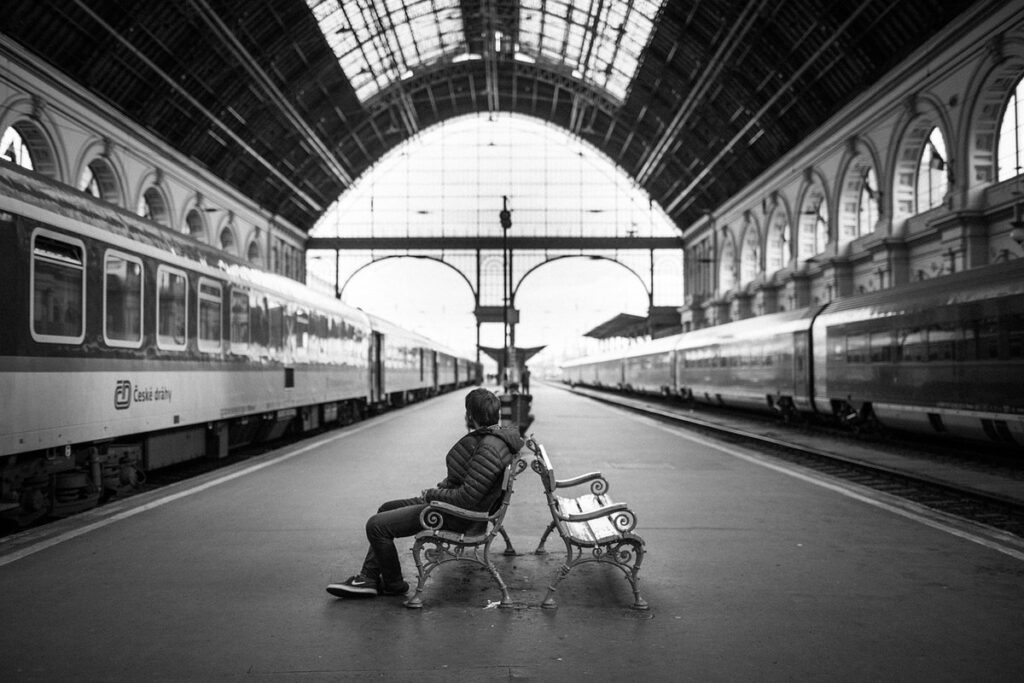
Understanding Cultural Differences in Public Transportation
Understanding cultural differences is key when traveling abroad by public transportation, as subtle nuances can make a big impact on your journey. From queuing customs to personal space norms, each country has its own unique etiquette rules.
1.1 Defining Etiquette vs. Cultural Norms
Etiquette and cultural norms are often used interchangeably, but they have distinct meanings. Etiquette refers to a set of rules governing behavior in specific situations, whereas cultural norms are deeply ingrained customs that shape the way people interact with one another within a particular culture.
When it comes to public transportation etiquette, these differences become particularly relevant. For instance, what may be considered polite behavior in one country can be seen as impolite or even rude in another. In some cultures, giving up your seat to an elderly person is a matter of course, while in others, it’s viewed as a gesture only made under exceptional circumstances.
Public transportation etiquette varies greatly from one country to another, often reflecting broader cultural values and social norms. For example, queuing for buses in the UK is a well-established custom, whereas in many Asian countries, people may not hesitate to push forward or take up more space than they need. Understanding these differences can help travelers avoid unintentionally offending locals and foster a more positive travel experience. To develop sensitivity to cultural nuances, it’s essential to research country-specific customs before traveling.
1.2 Researching Country-Specific Customs
Researching country-specific customs is a crucial step in avoiding unintended offense and embracing local etiquette on public transportation. Before traveling to a new destination, you should consult online resources such as travel forums, social media groups, or blogs dedicated to cultural insights. Websites like Lonely Planet and Culture Trip offer extensive guides to help you understand the nuances of local customs.
Another valuable resource is your tour guide or hotel concierge – many provide cultural advisors who can offer personalized advice on navigating public transportation etiquette. You may also want to reach out to locals through online expat communities or social media groups, where you can ask specific questions about their experiences with public transportation.
Some countries have unique customs that are not immediately apparent, such as the importance of removing your shoes before boarding a bus in some Southeast Asian cultures. In other places, like Japan, it’s customary to give up your seat to elderly passengers. Understanding these local norms will make your travel experience more enjoyable and respectful for both you and your fellow travelers.
1.3 Avoiding Stereotypes and Misconceptions
Avoiding Stereotypes and Misconceptions
When researching public transportation etiquette abroad, it’s easy to fall into traps of stereotyping and misconceptions. For instance, many people assume that in Japan, it’s impolite to eat on the train, whereas in reality, eating on public transport is generally acceptable as long as you’re not messy. Similarly, some travelers believe that in India, personal space is nonexistent, but this isn’t necessarily true – locals often value their individual space and may be more reserved than expected.
To avoid making assumptions, it’s essential to research country-specific customs thoroughly and rely on credible sources. Look for official transportation websites, government guidelines, or cultural blogs that provide accurate information about local etiquette. Be wary of outdated advice or anecdotal accounts that may perpetuate stereotypes. By doing your homework, you’ll be better equipped to navigate public transportation systems with confidence and respect for the local culture.
Consider the following: if a source claims that a particular behavior is “always” or “never” acceptable, it’s likely an oversimplification. Instead, look for nuanced advice that takes into account regional differences and individual circumstances.
Etiquette in Western Countries
When traveling through Western countries, you’ll want to familiarize yourself with local customs and norms for using public transportation, from bus etiquette to subway rules.
2.1 Seating Etiquette in the US and Canada
When taking public transportation in the US and Canada, seating etiquette is largely unwritten but widely observed. On buses, trains, and subways, priority seating is reserved for seniors and people with disabilities. These seats are usually marked with a sign indicating their intended use, so it’s easy to identify them.
Seniors often take advantage of these seats, especially during peak hours or when traveling long distances. If you’re not in one of these groups, it’s considerate to offer the priority seat to someone who needs it more than you do. This might be a senior citizen, an expectant mother, or someone with mobility issues.
On some public transportation systems, like subways and commuter trains, there are also designated seats for pregnant women and parents with young children. These areas usually have fewer passengers and more space, making them a comfortable choice for families.
By being mindful of these seating arrangements, you can contribute to a more respectful and considerate travel environment.
2.2 Table Manners on Trains in Europe
When traveling on trains in Europe, table manners can vary depending on the country and type of train. However, there are some general guidelines to keep in mind when sharing a cabin with fellow passengers. In many European countries, it’s considered polite to remove your shoes before entering the cabin. This is especially true for overnight trains or those with private cabins. You’ll typically find slippers or socks provided, so be sure to wear them inside.
When it comes to food, it’s best to avoid eating strong-smelling foods like fish or onions in confined spaces. Not only can these odors bother your fellow passengers, but they can also attract unwanted attention from the train staff. If you’re unsure what’s acceptable, stick to snacks and light meals that are easy to consume without making a mess.
Some trains may have specific rules about eating on board, so it’s always a good idea to check with the conductor or staff before settling in for your journey. By being considerate of others and following these simple guidelines, you can help create a comfortable and respectful environment for everyone on board.
2.3 Queueing Etiquette in the UK
In the UK, queuing is a deeply ingrained social norm that extends far beyond public transportation. When boarding buses or getting off at stops, it’s essential to follow this etiquette. This means standing patiently behind others until they have boarded or disembarked before taking your place. Failing to do so can be seen as inconsiderate and may even lead to conflict.
On busy London buses, for instance, queuing is particularly important when boarding during peak hours. Passengers are often eager to get off at their destination, but this shouldn’t come at the expense of pushing past others who have been waiting patiently. In fact, most bus drivers will politely ask passengers to move back and form an orderly queue if they see someone trying to push in.
Getting on or off at stops requires a similar level of consideration. When exiting the bus, allow those sitting near the doors to disembark before you do, and avoid rushing past others who are still getting up from their seats. This simple act of respect goes a long way in maintaining a positive atmosphere on public transportation in the UK. By prioritizing queuing etiquette, you’ll be able to navigate British public transportation with greater ease and respect for fellow passengers.
Etiquette in Eastern Countries
When traveling through countries like Japan, China, and India, understanding local etiquette can make a big difference on crowded public transportation systems. From removing your shoes to bowing upon greeting, respect goes a long way in Eastern cultures.
3.1 Respect for Elders on Public Transportation in Japan
In Japan, public transportation etiquette is deeply rooted in a culture of respect for elders. When riding buses and trains, it’s customary to give up seats to seniors, who are often shown deference by younger passengers. This is not just a matter of politeness; it’s an ingrained social norm that reflects the country’s strong emphasis on filial piety.
To show respect to elderly passengers, use polite language when interacting with them. For example, use honorifics such as “o-kasan” (older woman) or “o-tousan” (older man), and bow upon greeting or thanking them. When offering your seat, simply say “sumimasen” (excuse me) and let the elder take it.
In addition to giving up seats, avoid taking priority over seniors when boarding trains or buses, especially during peak hours. If you’re unable to give up a seat, offer your assistance instead – such as helping an elderly passenger with their luggage or ensuring they have enough space.
To blend in seamlessly (no pun intended) and show respect for the local culture, take note of these customs. By following suit, you’ll not only avoid unintentionally offending others but also contribute to a more harmonious travel experience for all passengers on Japan’s public transportation system.
3.2 Physical Proximity on Buses in India
In India, buses are often overcrowded and personal space is limited. People frequently sit very close together, sometimes even with their legs touching or their shoulders almost brushing against each other. This proximity can be uncomfortable for some travelers, but it’s a common aspect of public transportation culture in the country.
When traveling by bus in India, you may notice that locals seem to have no issue with physical closeness. In fact, they often use this proximity as an opportunity to socialize and catch up with fellow passengers. You might see people chatting with their neighbors or even sharing snacks with those sitting nearby.
While it’s not necessary for tourists to adopt the same level of physical closeness as locals, being respectful of cultural norms is essential. If you’re uncomfortable with the close quarters, consider taking a seat in a less crowded area or standing near the door. However, if you do find yourself seated among others who are close by, try to be mindful and patient. Avoid creating tension by pushing people away or trying to claim more space than your allotted seat allows. By being adaptable and understanding of local customs, you can have a smoother travel experience in India’s crowded buses.
3.3 Gift-Giving Etiquette on Trains in China
When traveling on Chinese trains, you may notice a unique tradition of gift-giving among passengers. This practice is not limited to special occasions but has become an integral part of everyday etiquette on these public transportation systems.
Small gifts or snacks are exchanged as a sign of respect and appreciation for one’s fellow travelers. Fresh fruit, teas, or energy bars are common items shared during the journey. Some trains even offer complimentary snacks, such as biscuits or instant noodles, which can be shared among passengers.
To participate in this tradition, you don’t need to bring an expensive gift; a small gesture of kindness is sufficient. If you’re unsure about what to give, consider offering something that’s easily consumable and doesn’t require utensils. You might also observe what other passengers are sharing and follow their lead.
When accepting a gift from someone on the train, it’s customary to express gratitude with a smile or a brief “xiè xiè” (thank you). This exchange not only adds a touch of warmth to your travel experience but also helps foster a sense of community among strangers.
Etiquette in Emerging Economies
When traveling through emerging economies, understanding local customs and etiquette can make all the difference in your public transportation experience. From India to Indonesia, we’ll explore the nuances of regional behavior.
4.1 Bus Etiquette in Brazil
Buses in Brazil are a unique experience, reflecting the country’s vibrant and lively culture. As you board, be prepared for the sounds of samba music filling the air, and don’t be surprised if fellow passengers break into impromptu dance. This atmosphere is not just a welcoming gesture; it’s also a sign of the strong social bonds that exist in Brazilian society.
In this context, public transportation etiquette takes on a more relaxed tone. While personal space may be compromised due to overcrowding, Brazilians tend to be friendly and accommodating. You’ll often see people singing along to the music or engaging in conversations with fellow passengers. Respect for these interactions is key; avoid interrupting or standing out as a spectator, instead join in respectfully.
When it comes to social norms on Brazilian buses, there are a few things to keep in mind: always offer your seat to elderly or disabled passengers, and be mindful of your belongings to avoid cluttering the aisles. While these rules may seem straightforward, they’re essential for creating a harmonious and inclusive environment. By embracing this aspect of Brazilian culture, you’ll not only enhance your travel experience but also contribute to a more respectful and enjoyable ride for everyone involved.
4.2 Taxi Etiquette in South Africa
When taking taxis in South Africa, it’s essential to be respectful of drivers and fellow passengers. This starts with being mindful of personal space. In a crowded taxi, try not to sit too close to other passengers, as physical contact is generally avoided in public transportation here.
Be considerate of the driver’s time and focus. Avoid engaging them in lengthy conversations or asking for directions while they’re driving, as this can be distracting and may compromise road safety. If you need assistance with luggage or require a specific route, it’s best to ask politely before the trip begins.
Additionally, be respectful of local customs regarding tipping. In South Africa, it’s customary to round up the fare or add 5-10% tip for good service. However, avoid over-tipping, as this can be seen as excessive and may not be appreciated by the driver.
When interacting with fellow passengers, maintain a neutral demeanor. Avoid loud conversations or playing music that may disturb others. By being considerate of those around you, you’ll create a positive atmosphere within the taxi and contribute to a respectful travel experience in South Africa.
4.3 Train Etiquette in Mexico
In Mexico, train etiquette is shaped by a culture that values respect for others and personal space. On trains, it’s common to see people reserving seats for elderly passengers or those with disabilities. If you’re not sure if a seat is reserved, look for the “prioridad” sign or ask fellow passengers politely. When it comes to belongings, keep your luggage out of the way of other passengers and avoid placing it on seats.
In many trains, especially those operated by Mexico’s national railway company, Ferromex, there are designated areas for storing large bags and suitcases. Make use of these storage compartments to keep aisles clear and allow others to pass comfortably.
Another consideration is that some trains may have strict rules about eating and drinking on board. To avoid any confusion, it’s best to observe what other passengers are doing or ask a conductor if you’re unsure. Additionally, be mindful of your noise level, as loud conversations can disturb fellow travelers who may be sleeping or trying to work.
By following these simple guidelines, you’ll be able to navigate train travel in Mexico with confidence and respect for local customs.
Challenges and Exceptions
While every country has its own unique set of unwritten rules, there are some cultural differences that may require extra consideration to avoid unintentionally offending locals. From reserved seating habits to varying attitudes towards personal space, these nuances can make all the difference in your travels.
5.1 Dealing with Rowdy Passengers
When encountering rowdy passengers on public transportation, remain calm and patient. Avoid engaging with them directly, as this can escalate the situation. Instead, try to distance yourself from the noise by moving to a different area of the vehicle or sitting near the driver.
If the disturbance continues and affects others around you, consider speaking to a conductor or other authority figure on board. They can discreetly address the issue without drawing attention to it. In some countries, like Japan, where public transportation is highly respected, authorities may be more willing to intervene in such situations.
In severe cases, if you feel threatened or harassed, don’t hesitate to involve law enforcement once the train or bus reaches its final destination. Provide as much detail as possible about the incident and any witnesses involved. It’s also a good idea to report incidents to the transportation company or local authorities, even if it seems minor.
To minimize the risk of encountering rowdy passengers in the first place, try to travel during off-peak hours or avoid areas with high concentrations of nightlife or entertainment venues. By being aware of your surroundings and taking proactive steps, you can reduce the likelihood of a negative experience on public transportation.
5.2 Accommodating People with Disabilities
Ensuring public transportation is accessible and accommodating for people with disabilities is crucial. In many countries, infrastructure and policies are gradually improving to meet these needs. However, varying levels of accessibility still exist across different regions.
In some cities, like Tokyo’s Shinjuku Station, elevators, escalators, and ramps provide smooth transitions between train platforms and concourses. Others, such as Paris’ metro stations, have made efforts to install audio signals for visually impaired passengers or tactile markings on station maps.
For travelers with mobility impairments, it’s essential to research the transportation network beforehand. Websites like the European Disability Forum offer accessible travel guides for various countries. Additionally, many public transportation apps now include accessibility features, such as wheelchair-accessible routes and real-time updates on lift availability.
When traveling by bus or train, consider the following: Some buses may have priority seating areas reserved for passengers with disabilities; be aware of these designated spaces and yield them to those who need them most.
5.3 Overcoming Language Barriers
When interacting with locals who speak different languages on public transportation, effective communication can be a challenge. One strategy is to use visual aids like gestures and body language. For example, you can point to a seat or the exit to indicate where you’d like to go. You can also use simple drawings or written notes to convey basic messages.
Another approach is to rely on universal symbols and pictograms found in public transportation systems worldwide. Many buses and trains display these symbols for essential information like restrooms, exits, and emergency stops. Familiarize yourself with these symbols before your trip to avoid confusion.
In some countries, locals may speak a little English or have basic phrases written in multiple languages on signs and announcements. Take advantage of this by listening carefully and responding accordingly. For instance, if someone says “excuse me” in broken English, you can respond with a simple “thank you” and continue the conversation using gestures.
In extreme cases, don’t hesitate to ask for help from transportation staff or fellow passengers who may speak your language.
Best Practices for Travelers
As you navigate public transportation in different countries, it’s essential to respect local customs and traditions to ensure a smooth and enjoyable journey. This section shares expert tips on how to behave like a pro on buses, trains, and subways around the globe.
6.1 Staying Informed Through Apps and Websites
When traveling abroad, it’s essential to stay informed about local customs, schedules, and events to navigate public transportation smoothly. Apps and websites can be valuable resources for travelers, providing real-time updates on transportation systems, cultural norms, and important events.
For instance, apps like Moovit or Transit offer route planning, schedule information, and real-time updates on traffic conditions. These tools help you anticipate potential congestion points and plan your journey accordingly. Additionally, some city-specific websites provide valuable insights into local customs and etiquette rules.
To make the most of these resources, consider downloading relevant apps before your trip. Familiarize yourself with their interface and features to ensure a seamless experience. Websites like Lonely Planet or Culture Trip offer country-specific guides that cover cultural norms, history, and local tips.
By leveraging apps and websites, you’ll be better equipped to respect local customs and avoid unintentionally offending fellow passengers. This will not only enhance your travel experience but also contribute to a more harmonious environment on public transportation.
6.2 Being Mindful of Personal Space
Respecting personal space is essential when traveling on crowded public transportation. In densely populated cities, trains and buses can become packed with people from all walks of life, making it easy to unintentionally invade someone’s space. This can be particularly challenging for travelers who are not accustomed to tight quarters or have different cultural norms around physical proximity.
To avoid uncomfortable situations, be mindful of body language and nonverbal cues. If someone appears tense or tries to push you away, respect their boundaries. In crowded areas, consider standing with your feet shoulder-width apart and avoiding leaning on others. This simple adjustment can help maintain a safe distance from fellow passengers.
When sitting in crowded trains or buses, try to avoid reclining your chair or taking up more space than necessary. Leave some room for others to sit comfortably, especially if there are people of varying ages and abilities on board. By being considerate of personal space, you can create a more pleasant experience for everyone involved, regardless of the destination or mode of transportation.
6.3 Seeking Guidance from Locals or Tour Guides
When exploring unfamiliar public transportation systems, it’s easy to get caught up in trying to navigate the complexities of local customs. However, seeking guidance from locals or tour guides can be a valuable resource for learning more about specific cultural norms.
For instance, you may be on a bus in Tokyo and notice that many passengers are giving up their seats to elderly riders. A friendly local might tell you that this is not just a courtesy but an essential part of Japanese etiquette. They could explain the significance of showing respect to seniors in public transportation and how it’s an integral aspect of Japan’s culture.
Similarly, a tour guide in India may advise you on the importance of maintaining physical proximity with fellow passengers, as personal space is often reserved for special occasions or with close friends and family. This insider knowledge can help you avoid unintentionally offending locals and instead blend in seamlessly with the crowd.
Consider approaching a local or tour guide during your travels and asking about their experiences with public transportation etiquette in their country. They may offer you valuable insights that will make navigating unfamiliar systems much easier.
Conclusion: Embracing Cultural Diversity on Public Transportation
As you’ve learned about public transportation etiquette around the globe, it’s essential to take a moment to reflect on how embracing cultural diversity can make your travel experiences even more enjoyable.
7.1 Recap of Key Takeaways
When traveling on public transportation across different countries, it’s essential to be respectful and informed about local customs. This guide has covered various aspects of etiquette in Western, Eastern, and Emerging Economies, highlighting key differences that travelers should be aware of.
In Western countries like the US and Canada, it’s generally acceptable to claim a seat if available, while in Europe, table manners on trains are more formalized. In contrast, Japan values respect for elders on public transportation, whereas India accommodates physical proximity on buses. China has unique gift-giving etiquette on trains, which is often lost on visitors.
In Emerging Economies, Brazil’s bus etiquette emphasizes politeness and respect for fellow passengers. South Africa’s taxi culture is more relaxed, but still requires attention to personal space. Mexico’s train etiquette is a mix of formal and informal norms.
A key takeaway from this guide is that cultural differences in public transportation etiquette are vast and varied. To ensure a respectful experience, travelers must stay informed through apps, websites, and local guidance. Being mindful of personal space and adapting to local customs is crucial for a smooth and enjoyable journey. By embracing these cultural differences, we can create a more inclusive environment for all public transportation users.
7.2 Encouraging a Culture of Respect
As we conclude our exploration of public transportation etiquette around the world, it’s essential to acknowledge the impact of individual actions on creating a respectful environment. Encouraging a culture of respect on public transportation requires a collective effort from travelers and local communities alike. By adopting considerate behavior, such as giving up seats for elderly or disabled passengers, refraining from loud conversations, and being mindful of personal space, we can foster a more inclusive atmosphere.
This mindset is crucial in countries where cultural norms around physical proximity differ significantly from those in the West. In India, for instance, standing close to others on buses is common due to overcrowding, but it’s still essential to respect individual boundaries. By being aware of these differences and adapting our behavior accordingly, we can promote mutual understanding and respect.
To further encourage a culture of respect, consider engaging with local communities or tour guides who can provide valuable insights into specific customs and expectations. You can also share your own experiences and observations on social media using hashtags that promote respectful travel practices, helping to spread awareness and inspire others to do the same.
Frequently Asked Questions
Can I generalize public transportation etiquette from one country to another?
No, public transportation etiquette varies significantly across countries due to cultural differences and unique customs. While some norms may seem similar, it’s essential to research specific local traditions before traveling.
How do I know when to offer my seat on a bus or train, especially in cultures where priority seating is not explicitly designated?
In cultures that value respect for elders, such as Japan, offering your seat to seniors and people with disabilities is generally considered polite. However, in other countries like India, physical proximity can be a cultural norm, so it’s essential to observe local customs before making decisions.
What if I encounter situations where local passengers are ignoring or disregarding public transportation etiquette rules?
Try to remain calm and patient, as frustration can escalate tensions. If the situation becomes too uncomfortable, you may consider involving authorities or seeking assistance from locals who can help mediate the issue.
Can I use a single travel guide or app to learn about all the different cultural norms for public transportation in various countries?
While some travel guides and apps offer comprehensive information on local customs, it’s unlikely that a single resource will cover every nuance of each country’s unique traditions. To get the most accurate and up-to-date information, research specific destinations and consider consulting with locals or tour guides.
How do I balance respecting local customs with my own personal comfort in crowded public transportation situations?
Prioritize your physical and emotional well-being by taking regular breaks to rest, staying hydrated, and maintaining a safe distance from others when possible. However, also be mindful of your impact on the environment and other passengers, and try to find common ground between respecting local norms and your individual needs.

