Korean cuisine is having its moment in the spotlight, with its bold flavors and rich traditions captivating foodies around the world. One of the most exciting aspects of Korean cooking is the way it seamlessly blends spicy and sweet notes to create dishes that are both familiar and exotic. You may be a seasoned cook or just starting out, but exploring the world of Korean cuisine can add a new level of excitement to your kitchen repertoire. This article will take you on a culinary journey through some of Korea’s most beloved dishes, from spicy stews like kimchi jjigae to the sweet and savory flavors of bibimbap and bulgogi. Along the way, you’ll pick up expert cooking tips and tricks that will help you master these iconic Korean recipes at home, giving you the confidence to experiment with new ingredients and techniques.
The Origins and History of Korean Cuisine
Korean cuisine has a rich history that spans thousands of years, shaped by its geography, culture, and traditions. Let’s explore how Korea’s culinary past has influenced its modern-day dishes.
Traditional Influences and Cultural Significance
Korean cuisine has been shaped by a rich history of traditional influences and cultural significance. The country’s geography, with its mountainous terrain and limited arable land, has forced Koreans to be creative with their use of ingredients. This is reflected in the emphasis on fermented foods, such as kimchi, which not only adds flavor but also acts as a preservative.
The influence of Buddhism is also evident in Korean cuisine, particularly in the use of plant-based ingredients and the avoidance of meat in certain dishes. The country’s Confucian heritage has shaped the way food is prepared and served, with an emphasis on respect for elders and tradition.
Korean flavors are characterized by a balance of sweet, sour, salty, and spicy notes, achieved through the combination of ingredients like garlic, ginger, soy sauce, and gochujang. The use of sesame oil and other nutty oils adds depth to many Korean dishes. To incorporate these distinct flavors into your own cooking, try adding fermented ingredients or using a combination of spices to create a balanced flavor profile. Experiment with different types of chili peppers and seasonings to find the right level of heat for your taste buds.
Important Ingredients and Staples in Korean Cooking
Gochujang, a sweet and spicy Korean chili paste, is a staple ingredient in many traditional dishes. It’s made from fermented soybeans, rice, and red pepper flakes, giving it a thick, sticky texture and a flavor that’s both sweet and savory. Gochujang is often used as a marinade for meats or as a sauce to add depth to stir-fries and soups.
Kimchi, on the other hand, is Korea’s national dish, made from fermented vegetables such as cabbage or radishes, seasoned with chili flakes, garlic, ginger, and other spices. The fermentation process gives kimchi its characteristic tangy flavor and crunchy texture. It’s a common accompaniment to many Korean meals.
Doenjang, or Korean miso paste, is another essential ingredient in Korean cooking. Made from fermented soybeans, doenjang has a rich, savory flavor that’s often used as a seasoning or added to soups and stews. To get the most out of these ingredients, try using them in combination with each other – gochujang and kimchi make a great pair in a spicy stir-fry, while doenjang adds depth to a bowl of steaming hot ramyeon noodles.
The Role of Rice and Noodles in Korean Cuisine
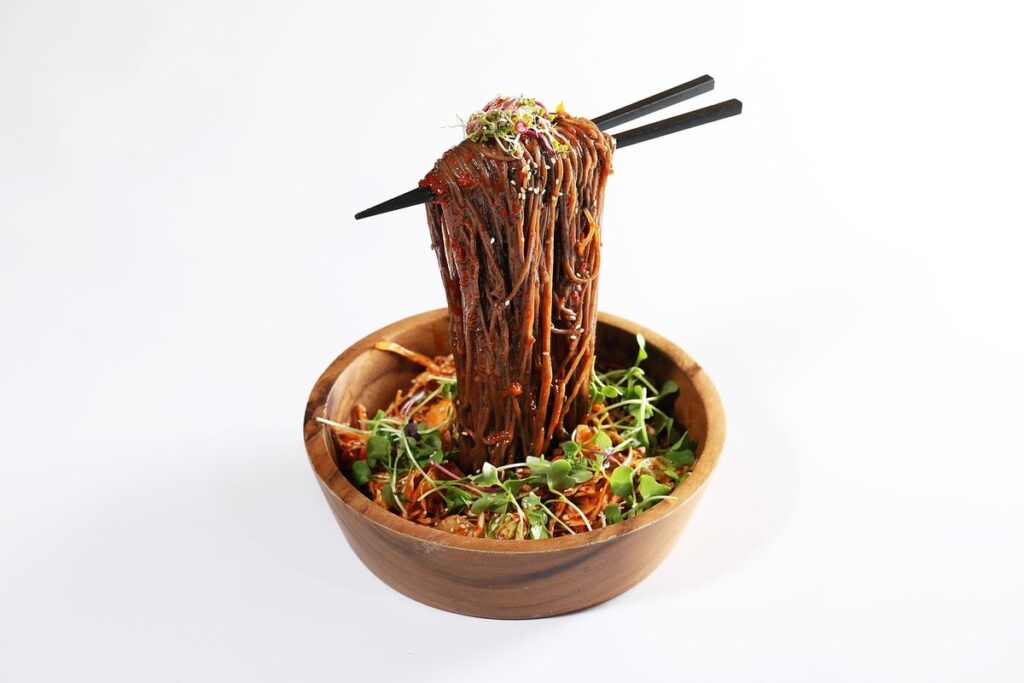
Rice and noodles are two of the most fundamental components in Korean cuisine. They have been staples for centuries, serving not only as a main course but also as a complement to other dishes. Among the popular noodle dishes is naengmyeon, which typically consists of cold buckwheat or starch noodles served with a side of spicy sauce and sliced cucumbers.
Another beloved noodle dish is ramyeon, a spicy instant noodle that has gained international recognition for its bold flavor. Ramyeon’s popularity can be attributed to its convenience and affordability, making it a staple in many Korean households. While instant noodles may seem like an unconventional choice, they have become an integral part of Korea’s culinary landscape.
In addition to naengmyeon and ramyeon, other popular noodle dishes include Japchae (stir-fried glass noodles) and Makguksu (cold buckwheat noodles). These dishes showcase the versatility of rice and noodles in Korean cuisine. When preparing these dishes at home, it’s essential to focus on achieving a balance between flavors and textures, as this will greatly enhance the overall dining experience.
Popular Korean Dishes: A Guide to Must-Try Foods
Korean cuisine is a treasure trove of flavors, and there are certain dishes that every food lover should try at least once during their culinary journey through Korea. Let’s start with some of the most popular Korean dishes that never fail to impress.
BBQ and Grilled Meats
Korean BBQ and grilled meats are a staple of Korean cuisine, with popular dishes like bulgogi and galbi taking center stage. Bulgogi is thinly sliced marinated beef, typically made with soy sauce, sugar, garlic, and sesame oil. It’s then grilled to perfection and often served with rice or noodles. Galbi, on the other hand, consists of short ribs that are marinated in a sweet and savory mixture before being grilled over charcoal.
To prepare these dishes at home, it’s essential to have high-quality ingredients and the right equipment. Invest in a good grill or griddle, as this will help you achieve those perfect sear marks. For bulgogi, use thinly sliced beef (such as ribeye or sirloin) and marinate it for at least 30 minutes before grilling. Galbi requires more time to tenderize the meat, so try using a combination of soy sauce, sugar, and garlic for an extra flavorful marinade.
When serving Korean-style BBQ, consider offering a variety of dipping sauces on the side, such as soy sauce, Gochujang (Korean chili paste), or a simple mixture of vinegar and sugar. This will allow each guest to customize their meal to their taste.
Spicy Stews and Soups
Kimchi stew, doenjang jjigae, and tofu soup are three of the most iconic spicy stews and soups in Korean cuisine. These dishes are staples at many Korean restaurants and households, and for good reason – they’re flavorful, comforting, and packed with nutrients.
At the heart of these spicy stews and soups is gochugaru, Korean red pepper flakes that add a deep, fiery heat. But it’s not just about the heat – gochugaru also brings out the umami flavors in ingredients like soy sauce, garlic, and ginger. In kimchi jjigae, for example, the spicy kick from gochugaru balances out the tangy, sour taste of kimchi.
Other key ingredients in these dishes include doenjang (fermented soybean paste), which adds a rich, savory flavor to doenjang jjigae; and silken tofu, which provides creaminess to soondubu jjigae. To make these stews and soups at home, it’s essential to have gochugaru on hand – you can find it at most Asian grocery stores or online.
When using gochugaru, remember that a little goes a long way: start with a small amount and adjust to taste, as the heat level can quickly become overwhelming.
Buns, Pancakes, and Other Korean Street Food
Korean street food is a vibrant and diverse culinary scene that showcases the country’s love for bold flavors and creative presentation. Hotteok, sweet pancakes filled with honey, sugar, and cinnamon, are a popular treat found at many street food stalls. These soft, fluffy pancakes are often served as a snack or dessert, providing a welcome respite from spicy dishes.
Another beloved Korean street food is bungeo-ppang, fish-shaped pastry typically filled with red bean paste. The crispy exterior gives way to a sweet and comforting interior, making it a staple at many markets and festivals. Tteokbokki, on the other hand, consists of chewy rice cakes tossed in a spicy sauce made from gochujang (Korean chili paste) and gochugaru (Korean chili flakes).
To try these popular Korean street foods, visit bustling markets or night food stalls in cities like Seoul or Busan. Don’t be afraid to experiment with different flavors and fillings – many vendors offer unique variations on classic recipes. When sampling hotteok, bungeo-ppang, or tteokbokki, remember that the key is balance: balance of sweet and spicy, crunchy and soft, and bold flavors. Experimenting with these contrasting textures and tastes will give you a deeper appreciation for Korea’s diverse street food scene.
Regional Variations: A Look at Korea’s Diverse Cuisine
From spicy kimchi stews in the south to hearty, comforting dishes in the north, regional variations play a significant role in shaping Korean cuisine. Each region offers its own unique flavors and specialties that are worth exploring.
Northern Korean Cuisine
In Northern Korean cuisine, traditional dishes often incorporate ingredients and cooking methods passed down through generations. One popular dish is naengmyeon guk, a cold buckwheat noodle soup typically served during the summer months. This refreshing meal consists of thin buckwheat noodles served in an icy broth made with beef or chicken stock, sliced cucumbers, pear slices, and a sprinkle of toasted sesame seeds.
Another staple of Northern Korean cuisine is mandu, which refers to Korean dumplings that can be steamed, fried, or boiled. These pockets of goodness are usually filled with kimchi, vegetables, or meat, making them a satisfying snack or light meal. Some restaurants even offer variations like kimchi-stuffed mandu or spicy pork-filled ones.
When trying Northern Korean cuisine, keep an eye out for other regional specialties such as makchang (beef intestine) and gopchang (thinly sliced beef tripe). These dishes might be less familiar to some, but they’re worth trying for their rich flavors and textures. To fully experience the nuances of Northern Korean cooking, consider visiting restaurants that focus on this specific cuisine or seeking out local eateries in Seoul’s northern neighborhoods.
Southern Korean Cuisine
In Southern Korea, you’ll find a distinct culinary identity shaped by the region’s rugged landscape and rich cultural heritage. Popular dishes showcase the use of fresh seafood, bold flavors, and spicy kick. One of the most iconic Southern Korean dishes is jeyuk bokkeum, a stir-fry made with marinated pork, garlic, ginger, and gochujang (Korean chili paste). The sweetness of the pork pairs perfectly with the spiciness of the gochujang.
For those who prefer seafood, haemultang is a must-try. This spicy seafood stew features a medley of fresh shellfish, vegetables, and gochugaru (Korean red pepper flakes) in a savory broth. The heat level can be adjusted to suit individual tastes, but it’s not uncommon for the dish to pack quite a punch.
Other regional specialties include makchang gui, grilled beef intestines that are often served with a side of spicy sauce or kimchi. These dishes demonstrate Southern Korea’s love for bold flavors and hearty portions. When cooking these dishes at home, consider using high-quality ingredients and adjusting the level of spiciness to suit your taste preferences.
Modern Korean Cuisine: Fusion, Innovation, and Tradition
Korean cuisine has evolved significantly over the years, blending traditional flavors with modern twists to create a unique fusion of tastes. Let’s explore some of the most innovative Korean dishes you need to try.
The Rise of Korean-Mexican and Korean-Italian Fusion
Korean-Mexican and Korean-Italian fusion cuisine has been gaining popularity globally, with chefs experimenting with traditional Korean flavors in unexpected ways. One notable example is bulgogi tacos, where marinated beef is served in a taco shell instead of the usual Korean rice bowl. This innovative dish combines the spicy kick of gochujang sauce with the crunch of fresh cilantro and the zing of lime juice.
Kimchi pizza is another fusion creation that has taken the culinary world by storm. By topping a crispy crust with spicy kimchi, melted mozzarella cheese, and a sprinkle of green onions, chefs have created a flavor profile that’s both familiar and excitingly new. These dishes not only showcase the adaptability of Korean cuisine but also highlight its potential for reinvention.
The rise of social media has played a significant role in popularizing these fusion creations, as Instagram-worthy images of kimchi pizza and bulgogi tacos have sparked interest among food enthusiasts worldwide. Chefs and restaurateurs are taking notice, experimenting with new combinations that blend the bold flavors of Korean cuisine with international influences. As a result, traditional Korean ingredients like gochujang sauce and kimchi are being reimagined in innovative ways, pushing the boundaries of what’s possible in modern Korean cooking.
Innovative Uses of Traditional Ingredients
Modern Korean chefs are pushing the boundaries of traditional ingredients by experimenting with new ways to incorporate them into their dishes. One notable example is the use of gochujang, a fermented chili paste, as a marinade for non-Korean meats like pork or chicken. This adds a depth of flavor and heat that complements the natural sweetness of the meat.
Another creative use of traditional ingredients is doenjang, a type of Korean miso paste made from fermented soybeans. Chefs are using it to add umami flavor to sauces and braising liquids for beef short ribs or pork belly. For home cooks looking to try this technique, consider substituting doenjang for some of the soy sauce in your favorite recipe – start with a small amount (about 1 tablespoon per cup of sauce) and adjust to taste.
Some chefs are also using gochugaru, Korean chili flakes, as a finishing spice to add heat and texture to dishes like soups or stews. Simply sprinkle it on top before serving, or mix it into a drizzle of oil for added depth. By repurposing traditional ingredients in new ways, modern Korean chefs are breathing fresh life into classic recipes – and home cooks can follow suit with a little creativity and experimentation.
Cooking Korean Cuisine at Home: Tips and Tricks
Mastering Korean cuisine at home requires a few essential techniques, such as balancing flavors and mastering key cooking methods. We’ll share expert tips to help you cook like a pro in your own kitchen.
Essential Pantry Staples for Korean Cooking
To cook authentic Korean dishes at home, you’ll need to stock up on some essential pantry staples. Gochugaru, also known as Korean red pepper flakes, is a must-have for adding depth and heat to various recipes. You can use it to make kimchi, stir-fries, and braises.
Gochujang, a fermented chili paste, is another fundamental component of Korean cooking. It adds a sweet and spicy flavor to dishes like bibimbap and bulgogi. Doenjang, or Korean miso, is a savory paste made from fermented soybeans that’s used in soups, stews, and marinades.
You’ll also want to have some kimchi flakes on hand for added umami flavor. These are made from dried and crushed kimchi and can be used as a seasoning or mixed with other ingredients to create sauces. Additionally, don’t forget to stock up on sesame oil, soy sauce, garlic, ginger, and sugar – all of which play key roles in Korean cooking.
When shopping for these pantry staples, look for them at Asian markets or well-stocked international grocery stores. Many online retailers also carry a range of Korean ingredients.
Common Mistakes to Avoid When Cooking Korean Dishes
When cooking Korean dishes at home, it’s easy to make mistakes that can affect the flavor and texture of the final product. One common error is overcooking protein, particularly when making stir-fries or stews. This can result in tough, dry meat that’s unappetizing. To avoid this, use a thermometer to ensure the internal temperature reaches the recommended level for the specific ingredient.
Another mistake is underseasoning Korean dishes, which often rely on a balance of sweet, sour, salty, and spicy flavors. Make sure to taste as you go and adjust seasoning levels accordingly. This might involve adding more soy sauce, Korean chili flakes (gochugaru), or sugar to achieve the desired flavor profile.
Additionally, don’t be afraid to use a variety of seasonings and spices to add depth to your dishes. Korean cuisine is known for its bold flavors, so don’t hold back on using ingredients like garlic, ginger, and sesame oil. Finally, pay attention to ingredient ratios and cooking times to ensure that each component of the dish is cooked evenly.
Using the right type of rice is also crucial when cooking Korean dishes. Short-grain rice, such as japonica or calrose, is ideal for most Korean recipes because it holds its shape well and has a sticky texture. Long-grain rice, on the other hand, may become too dry and separate during cooking.
Conclusion: The Enduring Allure of Korean Cuisine
As we reach the end of our culinary journey through Korea, let’s take a moment to reflect on why Korean cuisine has captured the hearts and taste buds of food lovers worldwide. Its enduring allure lies in its bold flavors and rich cultural heritage.
Final Thoughts on Korea’s Culinary Richness
Korean cuisine has left an indelible mark on the culinary landscape of the world. Its rich flavors, bold spices, and unique ingredients have captured the hearts and taste buds of many. The main points discussed throughout this article – from traditional influences to modern innovations – demonstrate the depth and complexity of Korean cuisine.
One reason for its enduring popularity lies in its adaptability. Korean chefs and cooks have successfully incorporated international flavors and techniques into their cooking methods, resulting in innovative fusion dishes like Korean-Mexican bibimbap and Korean-Italian stir-fries. This willingness to experiment has helped bridge cultural culinary divides and introduced new audiences to the rich heritage of Korean cuisine.
Another factor contributing to its widespread appeal is its emphasis on fresh, seasonal ingredients. Korean cooking often centers around simple yet bold preparations that highlight the natural flavors of each component. For home cooks looking to replicate these dishes, a key takeaway is the importance of using high-quality ingredients and respecting their inherent flavors.
The diversity of regional variations also plays a significant role in the popularity of Korean cuisine. From the spicy stews of Northern Korea to the seafood-rich soups of Southern Korea, each region offers its own unique flavor profiles and specialties. This variety caters to different tastes and dietary needs, making it easier for people around the world to find a type of Korean cuisine that suits their preferences.
Ultimately, Korean cuisine’s ability to transcend cultural boundaries lies in its capacity for reinvention while remaining true to its roots. As home cooks continue to explore and innovate with traditional ingredients and techniques, they will undoubtedly uncover new facets of this captivating culinary tradition.
Frequently Asked Questions
Can I substitute gochujang with sriracha in Korean recipes?
Yes, but keep in mind that the flavor profile will be different. Gochujang has a thicker, sweeter, and more complex paste-like consistency, whereas sriracha is a thinner, more liquid condiment. If you substitute gochujang with sriracha, start with a smaller amount and adjust to taste, as sriracha can be quite spicy.
How do I make kimchi at home without fermenting it for weeks?
You can make quick kimchi by skipping the fermentation process altogether or using a shortcut like instant kimchi powder. However, keep in mind that the flavor and texture won’t be exactly the same as traditional fermented kimchi. To make quick kimchi, simply mix together chopped vegetables, gochugaru, garlic, ginger, fish sauce, and other seasonings, and let it sit for at least 30 minutes to allow the flavors to meld.
What’s the difference between naengmyeon guk (cold buckwheat noodle soup) from Northern Korea and ordinary cold buckwheat noodles?
Naengmyeon guk is a traditional Northern Korean dish that combines cold buckwheat noodles with a spicy, sweet, and sour broth made from beef or pork stock, gochujang, and other ingredients. In contrast, ordinary cold buckwheat noodles are often served with a simpler sauce or no sauce at all. The key difference lies in the depth of flavor and the balance of spices in the broth.
Can I use Korean chili flakes (gochugaru) in place of cayenne pepper in any recipe?
While both gochugaru and cayenne pepper are spicy, they have different flavor profiles and heat levels. Gochugaru has a more complex, slightly sweet flavor and a medium to hot heat level, whereas cayenne pepper is generally hotter with a more acidic taste. You can substitute gochugaru for cayenne pepper in recipes, but start with a small amount and adjust to taste.
How do I balance the sweetness of Korean BBQ sauces with the spiciness of gochujang?
To balance the sweetness of Korean BBQ sauces with the spiciness of gochujang, try adjusting the ratio of sugar to gochujang in your sauce. You can also add a bit more soy sauce or fish sauce to counterbalance the sweetness and enhance the umami flavor. Experiment with different combinations to find the perfect balance for your taste buds.