Famous Korean cuisine has long been revered for its bold flavors, vibrant colors, and rich history. You may already know that Korea is home to some of the world’s most beloved dishes, from spicy stir-fries to steaming bowls of fermented goodness. But did you know that modern Korean chefs are pushing the boundaries of traditional cuisine with innovative fusion creations? From bibimbap to bulgogi, Korean food has become a staple in restaurants around the globe. This culinary phenomenon is more than just a trend – it’s a reflection of Korea’s cultural heritage and its people’s passion for good food. In this article, we’ll take you on a journey through the iconic dishes, modern trends, and historical context that make famous Korean cuisine so unique, exploring everything from fermented foods to innovative fusion creations.
The Origins and History of Korean Cuisine
Korean cuisine has a rich history that spans thousands of years, influenced by Buddhism, Confucianism, and traditional farming practices. Let’s take a look at how these factors shaped the unique flavors and dishes you love today.
Influences from Ancient Traditions
Korean cuisine’s roots run deep into ancient traditions that shaped its unique flavor profiles and cooking techniques. One of the key influences is the use of fermented foods, which was introduced by the Koreans’ ancestors from the Asian continent. Fermented ingredients like kimchi (spicy fermented vegetables) and doenjang (fermented soybean paste) are staples in Korean cuisine, adding depth and umami flavors to dishes.
The emphasis on grains, such as rice and barley, also dates back to ancient times. Rice was considered a sacred crop, and its cultivation was closely tied to the country’s agricultural cycles. Grains like millet and buckwheat were used to make nutritious porridges and pancakes, providing sustenance for laborers and travelers.
Vegetables have long been an integral part of Korean cuisine, with leafy greens like spinach and perilla being staples in many dishes. The use of wild plants, herbs, and flowers was also encouraged, as they provided essential nutrients during times of scarcity. These ancient traditions continue to influence modern Korean cooking, with chefs incorporating fermented ingredients and fresh vegetables into innovative fusion dishes.
The Impact of Buddhism on Korean Cooking
Buddhist principles had a profound impact on the development of Korean cuisine, particularly in the creation of vegetarian and vegan dishes. In ancient Korea, Buddhism spread rapidly, influencing not only spirituality but also daily life, including food. Buddhist monks played a significant role in introducing new cooking techniques and ingredients to Korea.
The introduction of vegetarianism and veganism is attributed to the Buddhist emphasis on compassion and non-violence towards all living beings. Korean Buddhists adopted this philosophy, incorporating plant-based ingredients into their cuisine. One notable example is the creation of vegetable-based dishes such as jjimdak (steamed chicken in a sweet soy sauce-based sauce) which was modified to be vegan-friendly by substituting the chicken with vegetables.
Some popular Korean dishes that owe their origins to Buddhist principles include jeyuk bokkeum (stir-fried pork) without the meat, and kimchi made with fermented vegetables. In addition to these examples, many modern Korean chefs are drawing inspiration from traditional Buddhist recipes, incorporating them into innovative vegan and vegetarian dishes.
Iconic Korean Dishes You Need to Try
As you venture through Korea’s culinary landscape, there are certain dishes that stand out for their rich flavors and cultural significance – let’s start with some of these must-try favorites. From spicy stir-fries to savory soups, discover the iconic Korean dishes that will leave you craving more.
Bibimbap: Mixed Rice Bowl Delight
Bibimbap is a quintessential Korean dish that embodies the country’s culinary philosophy. At its core, bibimbap consists of a steaming bowl of mixed rice topped with an assortment of colorful vegetables, meat (usually beef), and a fried egg. The ingredients may vary depending on the region, but the fundamental principle remains the same: to create a harmonious balance of textures and flavors.
To prepare bibimbap, cooks typically start by frying the vegetables in a mixture of sesame oil and soy sauce until they’re tender but still crisp. Next, they add sliced meat (usually ribeye or bulgogi) that’s been marinated in a sweet and savory sauce. A fried egg is then placed on top, adding richness and creaminess to the dish.
Bibimbap’s cultural significance extends beyond its taste; it’s also a symbol of Korean hospitality. In traditional settings, bibimbap is served as a communal meal, where everyone gathers around the table to share in the experience. When dining out, it’s customary for Koreans to order bibimbap and then mix all the ingredients together, savoring each bite with mindfulness and appreciation.
Japchae: Stir-Fried Glass Noodles
Japchae is a beloved Korean dish made from stir-fried glass noodles, beef (or sometimes vegetables), and a medley of colorful vegetables. The history of Japchae dates back to the 1930s when it was created as a vegetarian alternative for Buddhist monks who followed a meat-free diet. To this day, Japchae remains a staple in Korean cuisine, not only due to its rich flavor but also its nutritional value.
A single serving of Japchae is surprisingly nutritious, providing about 200 calories and a good amount of fiber from the noodles and vegetables. Moreover, it’s an excellent source of iron and protein, making it a great option for those looking for meat-free meals that pack a punch. In terms of variations, Japchae can be found in many different flavors across Korea, often with regional twists.
In some regions, Japchae is cooked with a sweet soy sauce or served with a side of spicy gochujang sauce. Others may add their own unique ingredients like seafood or kimchi to give it an extra kick. When trying Japchae at home, consider using a variety of colorful vegetables like spinach, carrots, and bell peppers to make the dish more visually appealing.
Regional Specialties and Their Flavors
From spicy stir-fries of Jeolla-do province to savory soups of Gyeongsang-do, each region of Korea boasts its own unique flavors and specialties that showcase the country’s rich culinary diversity. Let’s take a closer look at some of these standout regional dishes.
Jeonju-Style Bibimbap vs. Seoul’s Version
Jeonju-Style Bibimbap is a staple of South Jeolla Province’s culinary scene. This regional take on the classic mixed rice bowl dish boasts a rich, savory flavor profile. The signature component of Jeonju-Style Bibimbap is its use of dwenjang-jjigae, a fermented soybean paste made from doenjang, which adds an umami depth to the dish.
In contrast, Seoul’s version of Bibimbap tends to focus on lighter, fresher flavors. This is largely due to the influence of modern Korean cuisine in the capital city. Seoul-style Bibimbap often incorporates more vegetables and smaller portions of meat, resulting in a healthier, yet less complex flavor profile.
One key difference between Jeonju-Style and Seoul’s version lies in the choice of ingredients. While both use a variety of vegetables such as zucchini and carrots, Jeonju-Style adds more robust components like kimchi and beef, giving it a heartier feel. This disparity highlights the regional diversity within Korean cuisine, where different areas emphasize distinct flavor profiles to suit their local tastes.
When trying Bibimbap, consider exploring both regional styles to experience the unique flavors of each area.
The Unique Flavors of Busan’s Seafood Stews
Busan’s seafood stews are a culinary gem, with flavors that reflect the city’s coastal heritage. Unlike other Korean stews, which often rely on beef or pork for depth of flavor, Busan’s seafood stews feature an array of fresh seafood such as clams, mussels, and squid. The key to these stews lies in the use of pungent ingredients like garlic, ginger, and anchovy paste, which add a savory umami flavor.
In Busan’s seafood stews, you’ll often find a variety of spices and seasonings that are unique to the region. For example, gochugaru (Korean chili flakes) is used sparingly to add heat without overpowering the delicate flavors of the seafood. The stews are also characterized by their use of dashima (kombu seaweed), which adds a rich, savory flavor.
When trying Busan’s seafood stews, look for variations that incorporate locally-sourced ingredients like dried anchovies and sea mustard. These stews are often served with a side of bokkeumbap (fried rice) or noodles, allowing you to customize the dish to your taste. By understanding the distinct flavor profiles and cooking techniques used in Busan’s seafood stews, you can appreciate the nuances of this local specialty and enjoy it to its fullest potential.
Korean Ingredients and Their Uses
As you explore Korea’s rich culinary landscape, it’s essential to understand the unique ingredients that bring traditional dishes to life. Let’s take a closer look at some of the most iconic Korean ingredients and how they’re used in everyday cooking.
Gochujang: Korea’s Signature Chili Paste
Gochujang is a staple condiment in Korean cuisine, made from fermented soybeans, rice, and red chili peppers. Its production process involves combining these ingredients with salt and water to create a thick, sticky paste. The mixture is then left to ferment for several months, allowing the flavors to mature and develop.
This labor-intensive process gives gochujang its distinctive flavor profile, which is both sweet and spicy. You can use it as a marinade for meats or as a sauce for noodles and rice bowls. In Korean cooking, gochujang is often combined with other ingredients like soy sauce and garlic to create a glaze for roasted meats.
Gochujang has several health benefits due to its high antioxidant content and probiotic properties. The fermented process involved in making gochujang increases the levels of beneficial bacteria, which can aid digestion and boost the immune system. However, it’s essential to note that store-bought gochujang may contain added sugars or preservatives.
To incorporate gochujang into your cooking, start by using a small amount as an ingredient in marinades or sauces. Gradually increase the amount to taste, as its flavor can be quite strong. You can also try making your own gochujang from scratch for a more authentic experience.
Doenjang: Fermented Soybean Paste
Doenjang is a fermented soybean paste that has been a staple in Korean cuisine for centuries. It’s made by fermenting soybeans with salt and water, which breaks down the proteins and creates a rich source of umami flavor. With its nutty, savory taste and velvety texture, doenjang adds depth to a wide range of traditional Korean dishes.
In terms of nutritional value, doenjang is an excellent source of protein, fiber, and vitamins B and K. The fermentation process also increases the bioavailability of these nutrients, making them easier for the body to absorb. Studies have shown that consuming fermented soybean products like doenjang can help lower cholesterol levels and improve gut health.
When using doenjang in your cooking, it’s essential to note that it has a strong flavor, so a little goes a long way. Start by mixing it with other ingredients to balance out the taste. In traditional Korean recipes, doenjang is often combined with gochujang (Korea’s signature chili paste) and garlic for added depth of flavor. You can also use it as a marinade or seasoning for grilled meats or vegetables. Experiment with different ratios of doenjang to other ingredients to find the perfect balance for your taste buds.
Modern Korean Cuisine and Trends
Korean cuisine has evolved significantly over the years, incorporating fresh flavors and innovative techniques that are redefining traditional dishes. From Seoul to Busan, modern Korean restaurants are now serving up bold new takes on classic favorites.
Innovative Fusion Dishes from Top Chefs
Top chefs in Korea are pushing the boundaries of traditional Korean cuisine by combining classic flavors with international ingredients and techniques. One notable example is chef Hwang’s signature dish, “K-Town Tacos,” which pairs spicy gochujang-infused beef short ribs with kimchi slaw and cilantro on a crispy corn tortilla. This innovative fusion showcases the bold, savory flavors of Korean chili paste alongside the freshness of Mexican-inspired toppings.
Another celebrated chef, Lee, has created a unique dish called “Korean-Style Risotto,” which incorporates gochugaru-spiced Arborio rice with tender wagyu beef and a drizzle of soy sauce. This modern take on the Italian classic highlights the depth of umami flavors in Korean cuisine.
In Seoul’s trendy Gangnam district, chefs are experimenting with fusion dishes like “Kimchi Quesadillas” and “Bulgogi Beef Wellington.” These creations not only blend international flavors but also pay homage to traditional Korean ingredients and techniques. For adventurous eaters, trying these innovative fusion dishes is a great way to experience the evolution of modern Korean cuisine. By combining familiar flavors with bold new twists, top chefs in Korea are redefining the boundaries of traditional Korean cooking.
Health-Conscious Eating in Korea: A Growing Trend
Korean cuisine has long been associated with rich, savory flavors and bold spices. However, a growing trend is shifting the focus towards healthier options, driven by increasing concerns about obesity, diabetes, and other diet-related diseases. In major cities like Seoul, many restaurants now offer vegan and vegetarian dishes, often creatively incorporating traditional Korean ingredients.
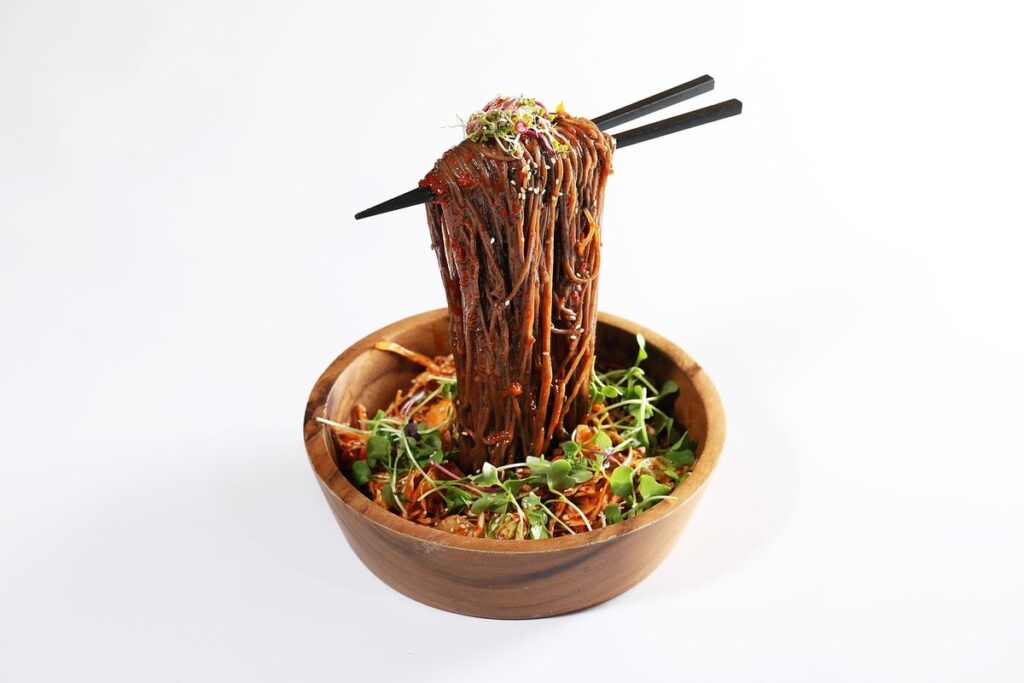
Some popular plant-based alternatives to traditional Korean favorites include tofu-based versions of Japchae (stir-fried glass noodles) and bulgogi (marinated beef). Even more innovative are the use of mushrooms as a substitute for meat in dishes like naengmyeon (cold buckwheat noodles). Many restaurants also now offer meal kits that cater to health-conscious diners, often combining fresh ingredients with easy-to-follow recipes.
Wellness-focused restaurants are another indication of Korea’s growing interest in healthy eating. These establishments often feature trendy dishes made with locally sourced, organic produce and serve as a hub for like-minded individuals to gather and share their passion for healthy living. Some popular chains offer meal plans that cater specifically to health-conscious diners, providing a convenient way to enjoy Korean cuisine while maintaining a balanced diet.
Frequently Asked Questions
Can I make Korean dishes without Gochujang and Doenjang?
Yes, while these fermented pastes are integral to many traditional Korean recipes, there are plenty of other options. You can substitute with soy sauce or miso paste for a similar umami flavor. Experimenting with different combinations will help you find suitable alternatives.
How do I incorporate modern fusion ideas into my own cooking without altering the essence of Korean cuisine?
To balance innovation and tradition, focus on updating flavors rather than completely revamping dishes. Introduce new ingredients while maintaining the core elements that define Korean cuisine. Consider experimenting with fusion techniques like pairing Korean chili flakes with international spices or combining traditional marinades with modern twists.
What if I’m not familiar with Korean ingredients; can I still try making these recipes?
Yes, many Korean ingredients are readily available at Asian markets or online. If you’re new to cooking with Korean ingredients, start by substituting unfamiliar items with what you have on hand. Familiarize yourself with the roles of key components like garlic, ginger, and sesame oil in traditional Korean recipes.
Can I adapt Korean dishes for special dietary needs, such as gluten-free or vegan?
Yes, Korean cuisine is highly adaptable to various dietary requirements. Focus on substituting ingredients that contain common allergens or non-vegetarian products with plant-based alternatives. For instance, replace fish sauce with tamari or use vegetable broth instead of chicken stock.
How do I know if a Korean restaurant serves authentic dishes versus fusion creations?
Look for restaurants serving traditional Korean cuisine and ask locals for recommendations. Pay attention to the presentation and ingredients used in each dish. Authentic Korean restaurants typically focus on preserving cultural heritage rather than creating innovative fusions, although some modern chefs might blend styles.