As Christmas approaches, Europe transforms into a winter wonderland with festive markets popping up in almost every corner. You’ve probably heard about the famous Christkindlmarkt in Berlin or the Vienna Christmas Market, but there are countless other magical destinations waiting to be discovered. For many, visiting European Christmas markets is an integral part of the holiday experience, offering a chance to soak up local traditions, sample delicious food and drinks, and find unique gifts. But with so many options, it can be overwhelming to decide which ones to visit and what to expect. In this guide, we’ll take you on a tour of the best European Christmas markets, exploring their history, highlighting top destinations, and sharing insider tips for making the most of your festive trip. By the end of this article, you’ll know exactly where to go and how to make the most of your Christmas market adventure in Europe.
History and Tradition of European Christmas Markets
The festive history behind Europe’s Christmas markets dates back centuries, with traditions that vary from country to country. From Germany’s Christkindlmarkt to Italy’s Mercatino di Natale, each market has its own unique story and charm.
Origins of the German Christmas Market
The tradition of Christmas markets originated in Germany, where they have a rich history dating back to the 14th century. The first recorded market was held in Dresden in 1434, but it wasn’t until the 18th and 19th centuries that Christmas markets became a staple of German culture. These early markets were often held outdoors, offering local produce, crafts, and handmade goods.
As time passed, Christmas markets evolved to become an integral part of Germany’s festive celebrations. The traditional layout of a market typically includes stalls selling food, drinks, and gifts, as well as entertainment such as music and rides. Many German towns and cities still host their own unique Christmas markets, each with its own character and charm.
The popularity of German Christmas markets soon spread across Europe, with many countries adopting the tradition to celebrate their own winter festivals. Today, visitors can find festive markets in nearly every European country, each offering a unique take on this beloved holiday custom. From Vienna’s grand Rathausplatz market to Berlin’s WeihnachtsZauber Market, there are countless options for those looking to experience the magic of Europe’s Christmas markets.
Cultural Significance of Christmas Markets in Europe
In European countries, Christmas markets serve as a vibrant representation of each nation’s unique cultural heritage. In Germany, for instance, these markets have been an integral part of the country’s tradition since the 14th century, with many towns and cities boasting their own distinct market styles. The Striezelmarkt in Dresden is one such example, featuring intricate wooden stalls and traditional Franconian delicacies.
Similarly, in Austria and Switzerland, Christmas markets are a cherished holiday activity that brings families and friends together. Vienna’s Christkindlmarkt on Rathausplatz, for example, offers an extensive array of handmade crafts, local wines, and sweet pastries, all set amidst the city’s picturesque backdrop. These gatherings not only promote community spirit but also provide a platform for artisans to showcase their skills.
In many European countries, Christmas markets are now considered essential events that foster a sense of belonging among locals and tourists alike. By attending these festive destinations, visitors can experience the rich cultural tapestry of Europe firsthand, sampling local delicacies, browsing handcrafted goods, and engaging with the community in a truly immersive way.
Top Destinations for Christmas Markets in Europe
Looking for a festive holiday experience? Germany, Austria, and France are just a few of the top destinations for Christmas markets in Europe.
1. Berlin’s WeihnachtsZauber Market
Berlin’s WeihnachtsZauber Market is a must-visit destination for Christmas enthusiasts. Located on the historic Museum Island, this market has been a staple of Berlin’s festive scene since 2003. With over 250 stalls and attractions, it’s one of the largest and most popular Christmas markets in Germany.
The market offers a wide range of traditional German delicacies, including glühwein (mulled wine), lebkuchen (gingerbread), and roasted chestnuts. Visitors can also browse through stalls selling handmade crafts, ornaments, and souvenirs. One of the highlights is the charming ice skating rink, where you can enjoy a festive spin under the stars.
Tips for visiting Berlin’s WeihnachtsZauber Market include arriving early to beat the crowds and trying some of the local specialties. Be sure to also explore the surrounding Museum Island, which offers free admission during the market hours. On weekends, you can even take a horse-drawn carriage ride through the streets of Berlin. With its festive atmosphere, delicious food, and unique shopping opportunities, Berlin’s WeihnachtsZauber Market is an unforgettable experience that will get you in the holiday spirit.
2. Vienna’s Christmas Markets on Rathausplatz
Vienna’s Christmas Markets on Rathausplatz are a quintessential winter wonderland experience. Located in front of the grand Vienna City Hall (Rathaus), these markets offer a festive atmosphere that’s equal parts magical and intimate. As you stroll through the cobblestone streets, you’ll be surrounded by twinkling lights, towering Christmas trees, and the sound of carolers filling the air.
The Rathausplatz market features a wide range of food and drink vendors offering traditional Austrian delicacies such as glühwein (mulled wine), punch, and sausages. Be sure to try some local specialties like Wiener Würstel or Apfelstrudel for a taste of Vienna’s rich culinary heritage.
Shopping is also a major draw at this market, with over 150 stalls selling handmade crafts, jewelry, and unique gifts. You’ll find everything from intricately carved wooden ornaments to delicate glassblown trinkets. Don’t miss the opportunity to browse through the various souvenir shops for a taste of Vienna’s festive spirit.
In addition to shopping and dining, visitors can also enjoy an array of entertainment options, including live music performances, face painting, and even ice skating. With so much to see and do, it’s no wonder that Vienna’s Rathausplatz Christmas Market is one of the most popular in Europe.
Planning Your Christmas Market Trip to Europe
Before you start packing for your festive getaway, let’s take a moment to plan out the essentials of your Christmas market trip to Europe. Here are some key considerations to keep in mind as you prepare.
Choosing the Right Destination for You
When selecting a destination for your Christmas market trip to Europe, consider what type of experience you’re looking for. Are you drawn to bustling cities with grand festive displays, or do you prefer smaller towns with cozy, intimate atmospheres? Think about the activities and entertainment options that are important to you – live music, ice skating rinks, or craft workshops?
Consider the size of the market: will a large, sprawling market with hundreds of stalls appeal to you, or would you prefer something more manageable with fewer vendors? Vienna’s Christmas Markets on Rathausplatz, for instance, offer a grand, city-center experience with over 150 booths selling everything from handmade crafts to gourmet food. Alternatively, smaller towns like Rothenburg ob der Tauber in Bavaria provide a charming, village-like setting with just a handful of stalls.
Additionally, think about what you want to see and do outside the market itself – visit famous landmarks, explore local cuisine, or take a leisurely stroll along the Christmas-lit streets. Whatever your preferences, there’s a European Christmas market destination to suit every taste and interest.
When to Visit: Peak Season vs. Shoulder Season
Visit European Christmas markets during peak season (December) for an authentic and lively experience. The festive atmosphere is electric, with twinkling lights, ice skating rinks, and bustling crowds. However, be prepared for large numbers of tourists, higher prices, and longer queues.
Consider visiting during the shoulder season instead – late November or early January. The market stalls are less crowded, allowing you to browse more easily and enjoy a more relaxed atmosphere. Prices may also be lower, as many vendors offer discounts to attract customers during the quieter periods.
Some Christmas markets remain open throughout December, while others close briefly between Christmas and New Year’s Day. Check the specific dates for each market on your itinerary to plan accordingly. If you’re looking for a truly unique experience, consider visiting in late November, when the markets are still setting up and offering exclusive promotions to attract early visitors.
Plan ahead to make the most of your visit, regardless of which season you choose. Book accommodations and popular attractions in advance to avoid availability issues during peak periods.
What to Expect at European Christmas Markets
As you prepare for a magical holiday experience, you’ll want to know what to expect from a traditional European Christmas market, from festive food stalls to twinkling lights.
Traditional Foods and Drinks
At European Christmas markets, you’ll find a wide variety of traditional foods and drinks that are both delicious and steeped in local history. One of the most iconic festive beverages is Glühwein, a warm mulled wine made with red wine, spices, and sugar that’s perfect for sipping on a chilly winter evening.
You can also indulge in a sweet treat like Lebkuchen, a traditional German gingerbread cookie that’s soft, spicy, and utterly addictive. Many market stalls offer samples or slices of this tasty delight, allowing you to taste the rich flavors before buying a whole loaf. Meat-lovers will enjoy Bratwurst, a classic German sausage made from pork and seasonings that’s typically grilled over an open flame.
Some markets may also offer local specialties like roasted chestnuts, hot chocolate, or sweet pastries filled with apples or cherries. Don’t be afraid to try new flavors – many vendors offer small samples or tastings, so you can experience the unique tastes of each region without committing to a full purchase. Just remember to pace yourself: the abundance of festive treats and drinks can be tempting, but don’t overdo it – you’ll want to save room for all the shopping and browsing!
Shopping for Unique Gifts and Souvenirs
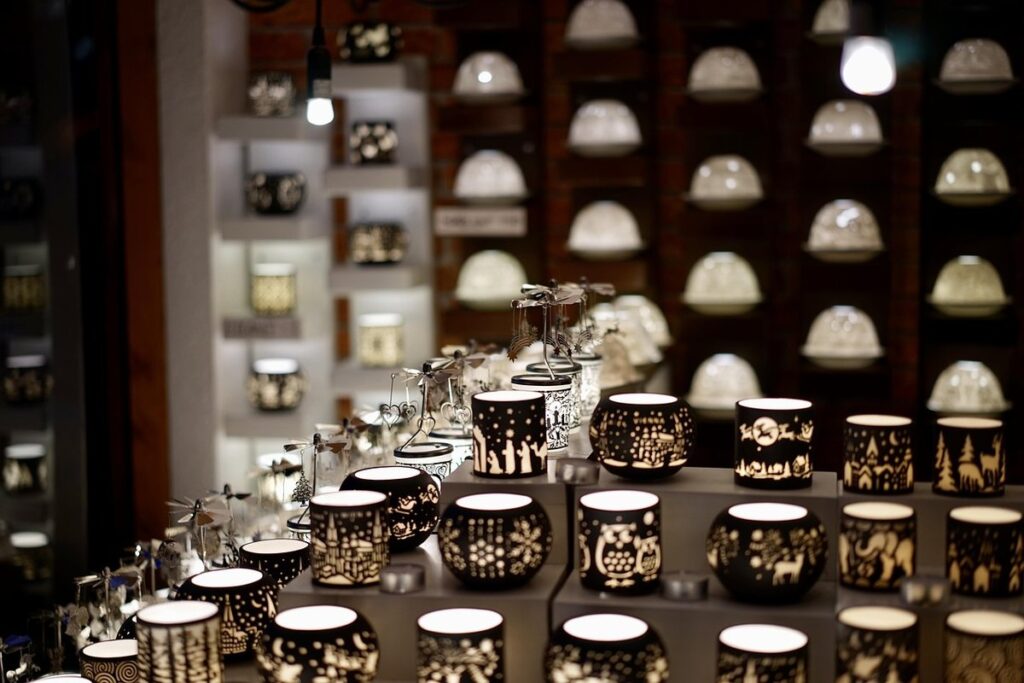
When browsing the stalls at a European Christmas market, you’ll often stumble upon unique gifts and souvenirs that reflect the local culture. Look for handmade crafts, such as intricate wooden carvings or delicate glassblown ornaments, which make thoughtful presents. Many vendors sell locally sourced specialties like smoked meats, artisanal cheeses, or hand-painted ceramics.
To find one-of-a-kind items, explore smaller stalls and chat with vendors to learn about their products. You might discover a local artisan who creates bespoke jewelry or a family-owned business that produces traditional Christmas decorations. Be sure to ask about the materials used and the inspiration behind each item, as this can add an extra layer of meaning to your purchase.
Some popular souvenirs at European Christmas markets include:
- Hand-painted nutcrackers from Germany
- Hand-carved wooden spoons from Poland
- Handmade glass ornaments from the Czech Republic
- Local wines or liqueurs from Italy
When shopping for unique gifts and souvenirs, remember to factor in the cost of shipping if you plan to send items home. Many vendors will happily pack your purchases securely and provide a shipping quote on the spot. By taking the time to browse carefully and engage with local artisans, you’ll find truly special mementos that capture the essence of European Christmas markets.
Tips and Tricks for Visiting European Christmas Markets
As you prepare to immerse yourself in the magic of Europe’s Christmas markets, here are some essential tips and tricks to make your experience even more enjoyable and stress-free. From navigating crowded stalls to avoiding overpriced souvenirs.
Getting There and Around
Traveling to and around European Christmas markets during peak season can be a challenge. To get the most out of your trip, consider flying into a nearby airport rather than the destination city’s own airport. For example, if you’re planning to visit Berlin’s WeihnachtsZauber Market, it might be more convenient to fly into Berlin Brandenburg Airport (BER) rather than Tegel Airport.
Once you arrive, research public transportation options from your accommodation to the market. Many cities offer affordable and efficient bus or train connections that can save you time and money. In Vienna, for instance, the city’s U-Bahn and S-Bahn networks make it easy to get around during peak season.
Crowd management is also crucial when visiting popular markets like Berlin’s WeihnachtsZauber. Arrive early in the morning or later in the evening to avoid the midday rush. If you’re planning to visit multiple markets, consider purchasing a public transportation pass or using ride-sharing services to minimize your time spent traveling between destinations.
It’s essential to plan ahead and research transportation options before your trip to ensure a smooth and enjoyable experience.
Budgeting for Your Trip: Costs and Savings Ideas
Accommodations can be a significant expense when visiting Christmas markets in Europe. Expect to pay around €80-€120 per night for a budget-friendly hotel room, although prices may surge during peak season. To save money, consider staying in a nearby city or town and commuting to the market each day. This approach not only reduces accommodation costs but also allows you to experience local culture beyond the festive atmosphere of the market.
When it comes to food and drink, be prepared for higher prices at the market itself, especially if you’re purchasing specialty items like mulled wine or traditional pastries. Instead, try exploring nearby cafes or restaurants, which often offer more affordable options without sacrificing flavor. For example, a hearty bowl of goulash or a plate of schnitzel might cost €10-€15, compared to €20-€30 at the market.
To estimate costs for activities and attractions, consider purchasing a city pass or Christmas market ticket package, which can often include entry fees and discounts on local experiences. Some markets also offer free admission with a valid public transportation card. Research your destination beforehand and plan accordingly to make the most of your budget without feeling deprived of the festive atmosphere.
Frequently Asked Questions
Can I attend Christmas markets with mobility issues?
Yes, many European cities have adapted their markets to be wheelchair-accessible and provide accommodations for visitors with disabilities. Research the specific market you’re interested in visiting to find out about accessibility features such as ramps, elevators, and accessible toilet facilities.
How can I save money on food and drinks at Christmas markets?
To save money on food and drinks, consider eating a large breakfast or lunch before arriving at the market, so you’re not tempted by expensive snacks. Also, look for stalls offering smaller portions or “mini” versions of popular dishes, which are often cheaper but just as delicious.
What if I want to combine multiple Christmas markets in one trip?
Combining multiple markets can be a great way to experience different cultures and traditions. Consider traveling between markets using public transportation or walkable routes whenever possible. Plan your itinerary carefully to ensure you have enough time for each market, and don’t overpack your schedule.
Can I find unique gifts at Christmas markets that aren’t mass-produced?
Yes, many Christmas market vendors specialize in handmade crafts, local specialties, and one-of-a-kind souvenirs. Look for stalls marked as “handmade” or “local artisans,” and ask the vendors about their products to ensure you’re getting a truly unique gift.