Traditional Chinese cuisine is a rich tapestry of flavors, techniques, and regional specialties that have been shaped by centuries of cultural exchange. From the spicy Sichuan hot pots to the delicate Cantonese dim sum, each dish tells a story about the people who created it. But traditional Chinese food is more than just a culinary tradition – it’s also a reflection of the country’s complex history, geography, and philosophy. The flavors and techniques that define Chinese cuisine have been influenced by Buddhism, Taoism, Confucianism, and the Silk Road trade routes, making it one of the most diverse and nuanced cuisines in the world. In this article, we’ll take a journey through the essential dishes and regional specialties of traditional Chinese food, exploring the cultural influences that make its flavors so unique and fascinating.
The Origins of Chinese Cuisine
Chinese cuisine has a rich history dating back over 3,000 years, influenced by various regions and dynasties that shaped its evolution. Let’s take a closer look at how these early influences contributed to the diversity of traditional Chinese dishes.
Understanding the History of Chinese Cooking
Chinese cuisine has a rich history that spans thousands of years, with its evolution influenced by various regional variations and cultural exchanges. The development of Chinese cooking can be broadly divided into three distinct periods: the Shang Dynasty (16th to 11th centuries BCE), the Zhou Dynasty (11th to 3rd centuries BCE), and the Qin and Han Dynasties (221 BCE to 220 CE). During these early periods, Chinese cuisine was heavily influenced by Confucianism, which emphasized the importance of simplicity, moderation, and seasonality in cooking.
The Silk Road trade routes also played a significant role in shaping Chinese cuisine. As merchants and travelers brought exotic spices, herbs, and ingredients from Central Asia and India, Chinese chefs incorporated these new flavors into their dishes. Regional variations emerged as different provinces developed their own unique cooking styles, often reflecting local ingredients and cultural traditions. For example, Sichuan cuisine is known for its bold use of chili peppers and garlic, while Cantonese cuisine emphasizes fresh seafood and delicate sauces.
Understanding the history of Chinese cooking reveals a complex tapestry of influences, from ancient dynasties to modern-day regional variations. By exploring these historical roots, cooks can gain insights into the cultural significance of traditional Chinese dishes and develop a deeper appreciation for the culinary artistry that has shaped this iconic cuisine.
Key Ingredients in Traditional Chinese Cooking
Soy sauce, ginger, garlic, and sesame oil are some of the most iconic ingredients commonly used in traditional Chinese cooking. These staples contribute to the characteristic flavor profiles of many classic dishes. Soy sauce, for example, adds a savory umami taste that enhances the overall depth of flavors. Ginger is often used in marinades or stir-fries to add warmth and spice.
Garlic, on the other hand, is often sautéed with ginger to create a fragrant paste commonly used as a base for sauces and braising liquids. Sesame oil adds a distinct nutty flavor that’s particularly popular in Northern Chinese cuisine. When cooking with these ingredients, it’s essential to use them judiciously. A small amount of soy sauce can go a long way, while too much garlic or ginger can overpower the other flavors.
In traditional Chinese cooking, freshness and quality are key. Using high-quality soy sauce, fresh ginger, and real garlic will make all the difference in your dishes. You can also experiment with different combinations of these ingredients to create unique flavor profiles that suit your taste preferences.
Regional Chinese Cuisine
From the spicy Szechuan hot pots of western China to the delicate Cantonese dim sum, regional specialties showcase the incredible diversity of traditional Chinese cuisine. Let’s start by exploring these unique flavors and traditions.
Southern Chinese Delights
Southern China is renowned for its rich culinary heritage, with a distinct flavor profile shaped by the region’s subtropical climate and diverse cultural influences. At the heart of Southern Chinese cuisine lie popular dishes like dim sum, roast goose, and wonton noodles – each offering a unique glimpse into the local cooking traditions.
Dim sum, often enjoyed in traditional tea houses or family gatherings, is a quintessential Southern Chinese experience. These bite-sized morsels typically consist of steamed buns filled with various ingredients such as pork, shrimp, or vegetables. Dim sum’s versatility stems from its ability to accommodate different regional flavors and fillings, making it an ideal representation of the region’s culinary diversity.
Another beloved dish is roast goose, often served during special occasions like weddings and family reunions. The bird is typically roasted with a combination of spices, herbs, and oils, resulting in crispy skin and juicy meat. When paired with steamed rice or noodles, roast goose becomes an iconic representation of Southern Chinese cuisine’s harmonious balance between flavors and textures.
Wonton noodles, meanwhile, are a staple in many Southern Chinese households and restaurants. Thin noodles are served with dumplings filled with pork or shrimp, often accompanied by a savory broth. This comforting dish embodies the region’s emphasis on simplicity, freshness, and balanced flavors – a testament to the enduring appeal of traditional Southern Chinese cuisine.
Northern Chinese Flavors
Northern China’s culinary landscape is shaped by its rich history, geography, and cultural influences. The region’s distinct flavors are often associated with bold, savory notes, which are balanced by sweet and sour undertones. One of the most iconic Northern Chinese dishes is Peking duck, a masterclass in layering flavors through precise cooking techniques.
Jiaozi (dumplings) and zhajiangmian (noodles with fermented soybean sauce) are also quintessential Northern Chinese staples. Jiaozi typically feature pork or vegetables wrapped in a thin dough wrapper, often served steamed or pan-fried. Zhajiangmian, on the other hand, showcases a sweet and savory harmony between noodles and the fermented soybean sauce.
To experience these flavors at home, focus on incorporating key ingredients like soy sauce, ginger, and garlic into your cooking repertoire. When making jiaozi, pay attention to the wrapper’s texture and folding technique for an authentic bite. In zhajiangmian, don’t be shy with the fermented soybean sauce – it’s what sets this dish apart from other noodle options.
When exploring Northern Chinese cuisine, remember that regional variations abound within the broader category. From Beijing’s famous roasted meats to Shandong Province’s seafood-rich dishes, each area adds its unique twist to the rich tapestry of Northern Chinese flavors.
Essential Dishes of Traditional Chinese Cuisine
Let’s start with some of China’s most iconic and beloved dishes, including stir-fries, noodle soups, and other mouth-watering staples that showcase the country’s rich culinary heritage.
Stir-Fries and Woks
Stir-fries are a cornerstone of traditional Chinese cooking, requiring a deep understanding of wok technique and ingredient balance. A good stir-fry is all about quick, high-heat cooking, which helps preserve the delicate flavors and textures of ingredients. This is especially true for popular dishes like beef and broccoli or kung pao chicken, where the rapid sautéing prevents overcooking.
When it comes to woks, traditional Chinese cooks favor carbon steel or cast iron pans due to their ability to distribute heat evenly and retain a smoky, caramelized crust on food. These pans are typically seasoned before use, creating a non-stick surface that’s essential for stir-frying. Unlike Western-style frying pans, woks have a large, sloping bottom and a small handle at the top, allowing cooks to toss ingredients with ease.
To master the art of stir-frying, it’s crucial to understand how to balance your ingredients. A good rule of thumb is to use a combination of aromatics (such as garlic and ginger), protein or starch, and colorful vegetables. This harmony creates a dish that’s both flavorful and visually appealing. By mastering the basics of wok technique and ingredient balance, home cooks can create authentic Chinese stir-fries that rival those found in restaurants.
Dumplings and Baozi
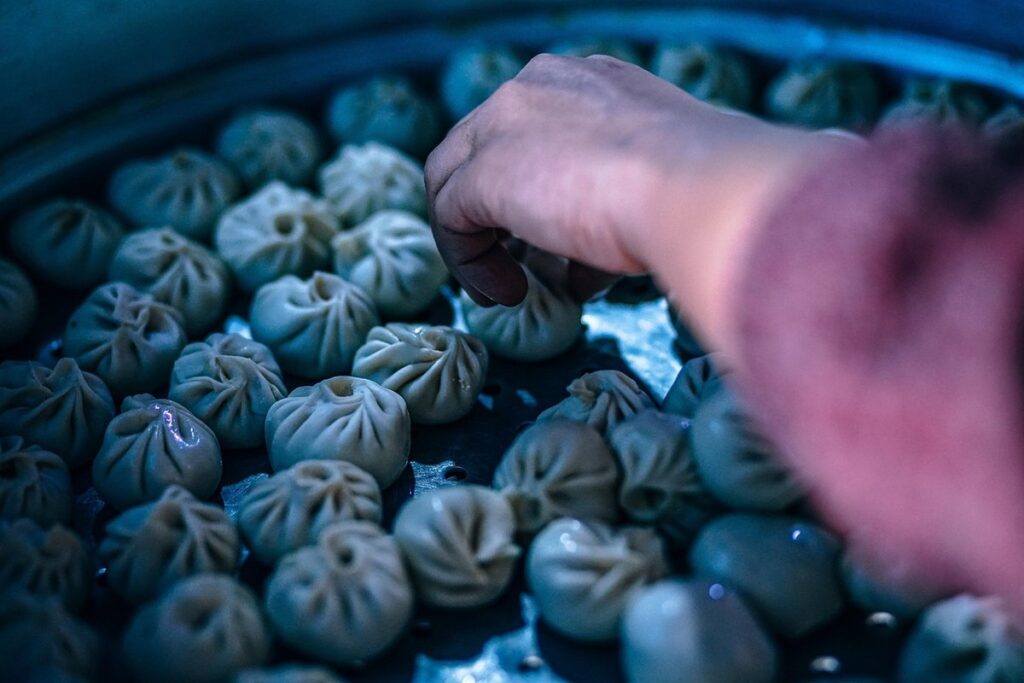
Dumplings and baozi are staples of traditional Chinese cuisine, enjoyed across various regions with diverse fillings and preparation methods. Jiaozi, a type of dumpling, can be pan-fried, steamed, or boiled, while baozi, or steamed buns, typically contain meat or vegetable fillings.
Har gow, a Cantonese-style dim sum, is a type of steamed dumpling wrapped in thin dough and filled with shrimp. Potstickers, another popular variety, are pan-fried on the bottom to create a crispy crust while remaining tender inside. In northern China, jiaozi often contain ground meat and onions, whereas in southern regions, they may be filled with pork or vegetables.
In addition to their fillings, regional differences also manifest in the dough used for baozi. Northern-style baozi typically have thicker, chewier dough, while those from the south are thinner and softer. To try these delicious treats at home, consider experimenting with different fillings and wrappers – many Asian markets now carry a variety of pre-made dumpling wrappers to simplify the process.
Traditional Chinese Desserts
Traditional Chinese desserts are a sweet and delicate reflection of the country’s rich cultural heritage, often infused with subtle flavors and intricate presentation. From classic almond jelly to steamed egg tarts, each dessert offers a unique taste experience.
Sweet Treats in Chinese Cuisine
Tangyuan, zongzi, and fa gao are just a few examples of traditional Chinese desserts that showcase the country’s rich culinary heritage. These sweet treats have been enjoyed for centuries, often during special occasions such as the Dragon Boat Festival and Chinese New Year. One of the most iconic desserts is tangyuan, small glutinous rice balls typically served in a sweet broth or with sugar.
Tangyuan is often associated with the Dragon Boat Festival, where it’s said to represent unity and togetherness. These bite-sized treats are usually made from glutinous rice flour, water, and food coloring, then filled with a sweet filling such as red bean paste or lotus seed paste. Zongzi, on the other hand, is a type of rice cake wrapped in bamboo leaves and steamed to perfection.
Another beloved dessert is fa gao, an almond cake traditionally served during Chinese New Year. Fa gao is made from ground almonds, sugar, and eggs, resulting in a moist and crumbly texture. These sweet treats are not only delicious but also steeped in cultural significance, offering a glimpse into China’s rich history and traditions.
Modern Twists on Classic Desserts
Modern chefs are reinterpreting traditional Chinese desserts by incorporating innovative ingredients and techniques. In cities like Shanghai and Hong Kong, bakers are using matcha green tea to infuse classic almond cakes with a bright, grassy flavor. Others are experimenting with unique flavors such as rose-petal jelly in traditional rice flour pastries.
In addition to new ingredients, chefs are also applying modern cooking methods to age-old desserts. For example, some have started using sous vide machines to precision-cook delicate egg tarts, ensuring a smooth and creamy texture. Others are using molecular gastronomy techniques to create foams and spheres that add a playful twist to classic desserts like mango pudding.
One notable trend is the fusion of traditional Chinese ingredients with international flavors. Chefs in modern restaurants are pairing Sichuan peppercorns with dark chocolate or combining jasmine tea-infused ice cream with crispy sesame brittle. These innovative combinations not only update traditional recipes but also provide new flavor profiles that cater to diverse tastes. By embracing experimentation and creativity, modern chefs are redefining the boundaries of Chinese desserts and creating a fresh wave of sweet treats that reflect the country’s rich cultural heritage.
Regional Street Food in China
From spicy Sichuan hot pots to savory Shanghai noodles, regional street food in China is a flavorful reflection of the country’s diverse cultural heritage. You’ll discover what makes each region’s cuisine unique and delicious.
Snacks from the Streets of Beijing
Beijing’s street food scene is a culinary treasure trove, offering a diverse array of snacks that showcase the city’s unique flavor profile. One popular option is jianbing, a savory crêpe filled with scrambled eggs, vegetables, and sometimes meat or seafood. Typically served as a breakfast item, jianbing vendors can be found at almost every street corner, cooking up these delicious crepes on large griddles.
Another beloved snack in Beijing is zhajiangmian, a noodle dish topped with a savory sauce made from fermented soybeans. This comforting dish is often served at street stalls and markets, where vendors will add various toppings such as diced vegetables or meat to suit individual tastes. For those looking to try these snacks like a local, consider visiting the popular Wangfujing shopping street, where you’ll find numerous street food stalls offering jianbing and zhajiangmian.
When trying these snacks, be sure to balance flavors with a small bowl of vinegar or chili sauce – a common condiment combination that adds depth and heat. Enjoy your snack on the go, as is customary in Beijing’s fast-paced street food culture.
Southern Street Foods
Southern China’s street food scene is a treasure trove of flavors and textures. In cities like Guangzhou and Shenzhen, you’ll find vendors serving up regional specialties that showcase the area’s unique culinary identity. Take oyster omelets, for example – these savory pancakes are made with fresh oysters, eggs, and a hint of sugar. They’re often served with a side of chili sauce or vinegar, adding an extra kick to each bite.
Another iconic Southern snack is stinky tofu, which has gained a cult following worldwide. This fermented soybean product is often deep-fried until crispy on the outside, then topped with a variety of condiments like garlic, ginger, and chili peppers. When consumed fresh from the vendor’s cart, the smell can be overwhelming – but trust us, it’s an acquired taste that’s worth trying.
For those who prefer something more comforting, tea eggs are a staple in Southern Chinese cuisine. Marinated in soy sauce, tea leaves, and spices, these boiled eggs develop a rich, savory flavor that’s both familiar and exotic. Whether you’re exploring the streets of Guangzhou or Shenzhen, be sure to try one (or all) of these snacks to experience the authentic flavors of Southern China’s street food scene.
Traditional Chinese Cooking Techniques
Understanding traditional Chinese cooking techniques is essential for mastering authentic flavors, which often rely on methods passed down through generations of skilled cooks. Let’s explore some key techniques that will elevate your cooking to new heights.
Steaming and Braising
Steaming is a gentle cooking method that helps preserve delicate flavors and nutrients found in ingredients like fish and vegetables. In traditional Chinese cooking, steaming is often used to cook whole fish, such as the iconic Cantonese dish, steamed fish with ginger and scallions. Steaming not only retains moisture but also allows for even heat distribution, resulting in a tender and flaky texture.
Braising, on the other hand, involves cooking ingredients in liquid over low heat for an extended period. This technique is particularly well-suited for tougher cuts of meat like beef or lamb, which become fall-apart tender after hours of slow-cooking. Braising also allows for rich flavor development as the aromatics and spices infuse into the dish.
When braising, it’s essential to use a combination of liquid and aromatics to create a rich and savory sauce. For example, a classic Chinese braised pork belly recipe typically includes soy sauce, sugar, five-spice powder, and Shaoxing wine. By allowing the ingredients to simmer slowly, you can coax out deep flavors and tenderize even the toughest cuts of meat.
Wok Cooking and Stir-Frying Techniques
When it comes to achieving balanced flavors in traditional Chinese cooking, proper wok seasoning and stir-frying techniques play a crucial role. A well-seasoned wok is essential for creating that elusive umami taste, which is often the foundation of many Chinese dishes. This is achieved by heating the wok with oil until it reaches a smoky temperature, allowing it to develop a dark patina.
This process, known as “seasoning” the wok, can take anywhere from several months to a year or more, depending on how frequently you use your wok. To speed up the process, you can also add a small amount of cooking oil and let it heat until it reaches a high smoke point. Regular maintenance is key – simply wiping down the wok with paper towels after each use will help maintain its seasoning.
In terms of stir-frying techniques, it’s essential to balance the flavors by combining ingredients in a specific order. Start with aromatics like ginger and garlic, then add protein and vegetables, finishing with sauces or seasonings. This ensures that the delicate flavors of your ingredients aren’t overpowered. By mastering these basic techniques, you’ll be well on your way to creating authentic-tasting Chinese dishes at home.
Conclusion: Celebrating China’s Culinary Diversity
As we conclude our journey through traditional Chinese foods, it’s essential to acknowledge the incredible diversity that exists within this culinary world. From the spicy Sichuan hot pots to the delicate Cantonese dim sum, each region boasts its unique flavors and cooking techniques. Celebrating this diversity is not only about sampling different dishes but also about understanding the cultural context behind them.
In China’s vast territories, regional specialties have developed over centuries, influenced by climate, geography, and historical trade routes. For instance, the northeastern province of Liaoning is famous for its robust roast duck, while the southeastern province of Guangdong is renowned for its fresh seafood dishes. By exploring these various cuisines, we can appreciate the richness and complexity of Chinese culture.
By embracing China’s culinary diversity, you’ll discover new flavors, cooking methods, and cultural traditions that will enrich your own culinary experiences. Take this newfound knowledge and apply it to your own cooking by experimenting with different regional specialties or hosting a dinner party featuring dishes from various provinces.
Frequently Asked Questions
What’s the best way to incorporate traditional Chinese cooking techniques into my daily meals?
When adopting new cooking methods, start by substituting one or two essential dishes per week. For example, try stir-frying a simple vegetable dish using a wok, and then gradually experiment with more complex recipes. This gradual approach will help you adjust to the flavors and textures of traditional Chinese cuisine.
Can I make authentic Chinese food without access to specialty ingredients like sesame oil or soy sauce?
While these ingredients are staples in traditional Chinese cooking, they can be substituted with alternatives found in most supermarkets. For instance, use vegetable oil instead of sesame oil for stir-fries, and tamari or nama shoyu as a substitute for soy sauce. Be mindful that flavor profiles may differ slightly.
How do I choose the right type of dumpling wrapper for my dish?
The choice of dumpling wrapper depends on the desired texture and cultural authenticity. For example, use thin wonton wrappers for delicate fillings like shrimp or pork, while thicker jiaozi wrappers are better suited for heartier ingredients like beef or lamb.
What if I’m not comfortable using a wok due to its size or difficulty in seasoning?
If you’re new to wok cooking, consider starting with a smaller wok or even a large skillet. For seasoning, try steaming the wok with water and vinegar for 30 minutes before first use. This will help loosen any residue and make seasoning easier.
Can I combine traditional Chinese ingredients with modern flavors or cuisines to create something entirely new?
Experimenting with fusion dishes can be a great way to innovate while still honoring traditional techniques. Try pairing soy sauce with Korean chili flakes (gochugaru) for a spicy kick, or combining the sweetness of sugar with the savory flavor of miso paste. Be mindful that cultural authenticity is key; avoid appropriating traditional Chinese flavors without proper understanding and respect.