Traditional Chinese cuisine is one of the oldest and most diverse culinary traditions in the world, with a history that spans thousands of years. From the spicy Sichuan hot pot to the delicate Cantonese dim sum, regional specialties like Peking duck and Hunan smoked pork, iconic dishes like wonton noodles and stir-fried kung pao chicken have become staples on menus around the globe. But traditional Chinese food is more than just a collection of beloved dishes – it’s also a window into the country’s rich history, culture, and regional identities. In this article, you’ll embark on a comprehensive culinary journey through China’s traditional foods, exploring their evolution over time, regional specialties, and modern trends that are shaping the country’s food scene today. By the end of this journey, you’ll be able to appreciate the depth and richness of traditional Chinese cuisine.
The Origins and History of Chinese Food
Let’s start by taking a journey back in time, tracing the evolution of traditional Chinese cuisine from its humble beginnings to the rich, diverse flavors we know today. From ancient empires to modern-day fusion dishes.
Early Influences on Chinese Cuisine
The early influences on Chinese cuisine were deeply intertwined with the country’s rich spiritual and philosophical heritage. Buddhism, Taoism, and Confucianism played significant roles in shaping traditional cooking techniques and ingredients. For instance, Buddhist monks introduced vegetarianism to China, which led to the development of plant-based dishes like stir-fried vegetables and tofu.
Taoist principles emphasized living in harmony with nature, influencing Chinese cooks to adopt a more mindful approach to food preparation. This is reflected in the use of fresh, seasonal ingredients and minimal processing. Confucian values, meanwhile, stressed the importance of respect for elders and tradition. As a result, Chinese cuisine has long been characterized by its emphasis on family gatherings and communal eating.
The integration of these philosophical influences can be seen in traditional Chinese cooking methods such as steaming and braising. These low-heat techniques allowed cooks to preserve the delicate flavors and textures of ingredients while maintaining their nutritional value. By understanding the historical context that shaped Chinese cuisine, home cooks today can appreciate the cultural significance behind each dish and incorporate these timeless principles into their own cooking practices.
The Evolution of Regional Specialties
Regional specialties emerged in China as a result of historical trade routes, cultural exchange, and geographical adaptations. The Sichuan province’s unique combination of climate and geography led to the development of spicy and numbing flavors, which were used to mask the strong odors of fermented soybeans and other ingredients. This distinct style is characterized by the use of Sichuan peppercorns, chili peppers, and a variety of spices.
In contrast, Cantonese cuisine in the Guangdong province emphasizes delicate flavors and elegant presentation. The region’s coastal location and access to fresh seafood influenced the development of dishes like roast goose and dim sum. Hunan cuisine, from the Xiangjiang River valley, is known for its bold flavors and use of chili peppers, garlic, and ginger.
Shandong cuisine, originating in the Shandong peninsula, focuses on simple yet rich flavors using ingredients like soy sauce, vinegar, and sesame oil. The province’s fertile plains allowed for extensive agriculture, providing a wide range of vegetables and grains that are still used today. These regional specialties not only reflect local tastes but also demonstrate how traditional Chinese cuisine has been shaped by geography, culture, and historical events.
Ingredients and Staples in Traditional Chinese Cooking
Traditional Chinese cooking relies on a variety of staple ingredients, including soy sauce, sesame oil, and rice vinegar, which add depth to many classic dishes. Familiarize yourself with these essential components in traditional Chinese cuisine.
Grains: Rice, Noodles, and Buns
Rice is a staple grain in traditional Chinese cuisine, with various types used depending on the region and dish. Long-grain rice, such as Jasmine and Basmati, is commonly served alongside stir-fries and braises, while short-grain rice, like Glutinous or Sweet Rice, is often used in desserts and as a base for congee. You’ll also find rice flour used to make noodles, dumpling wrappers, and other baked goods.
Noodles come in various shapes and sizes, with Cantonese-style thin noodles being particularly popular. These delicate strands are often paired with light broths and stir-fried with vegetables. Northern Chinese cuisine, on the other hand, favors thicker, chewier noodles like La Mian or Hand-Pulled Noodles, which are typically served in rich, savory sauces.
Buns, or Mantou, are a fundamental component of traditional Chinese breads. These soft, fluffy buns can be steamed or pan-fried and often accompany dim sum dishes. You’ll also find variations like scallion oil buns, sesame seed buns, and even sweet-filled buns like the famous Almond Jelly Buns from southern China.
Proteins: Pork, Chicken, Fish, and Seafood
Pork is a staple protein in traditional Chinese cooking, often used in braised dishes like Dongpo pork and roasted pork belly. Braising is a common method for tenderizing tougher cuts of pork, which are then slow-cooked in a mixture of soy sauce, sugar, and spices to develop rich flavors. In some regions, such as Sichuan, pork is paired with chili peppers and numbing Szechuan peppercorns to create bold and aromatic dishes.
Chicken is another widely used protein, often marinated in soy sauce, Shaoxing wine, and ginger before being stir-fried or roasted. Some Cantonese-style roast chicken recipes feature a sweet and savory glaze made from oyster sauce, hoisin sauce, and sugar. For home cooks, using a simple marinade of soy sauce, five-spice powder, and rice vinegar can produce flavorful results.
Fish and seafood are also integral to traditional Chinese cuisine, with delicate fish dishes like steamed sole or Cantonese-style fried noodles often served at banquets. In some coastal regions, fresh seafood is a staple ingredient in local specialties such as Xiaolongbao-style soup dumplings filled with shrimp and pork. When cooking fish, it’s essential to choose fresh ingredients and not overcook them, as this can result in dry and unpleasant textures.
Cooking Techniques and Methods
Let’s master some essential cooking techniques that will elevate your Chinese dishes, from stir-frying to steaming, to bring out the authentic flavors of traditional Chinese cuisine.
Stewing and Braising
Stewing and braising are slow-cooking techniques that bring out the rich flavors of ingredients in traditional Chinese cuisine. These methods involve cooking food over low heat for an extended period, allowing the connective tissues to break down and the flavors to meld together.
Dongpo pork is a classic example of braising in Chinese cooking. This dish originated in Hangzhou during the Southern Song Dynasty and is named after Su Dongpo, a renowned poet and statesman who was also a skilled cook. The pork belly is slow-cooked in a mixture of soy sauce, Shaoxing wine, and sugar until it’s tender and caramelized.
Wonton soup is another popular dish that relies on braising to infuse the broth with flavor. Thin sheets of dough wrap around a filling of shrimp or pork, which are then simmered in a light broth made with chicken stock, ginger, and soy sauce. The slow-cooking process allows the flavors to meld together, creating a delicate and harmonious balance of tastes.
Both Dongpo pork and Wonton soup demonstrate the importance of slow cooking in traditional Chinese cuisine. By using gentle heat over an extended period, cooks can extract the full depth of flavor from ingredients and create dishes that are both nourishing and delicious.
Stir-Frying and Quick Cooking
Stir-frying is a fundamental technique in traditional Chinese cooking, with a history dating back to the Southern and Northern Dynasties period over 1,500 years ago. It involves quickly cooking ingredients in a wok or large skillet over high heat, often with minimal liquid. This method allows for the preservation of texture and nutrients in vegetables, while also making protein and starches tender.
The benefits of stir-frying are numerous: it’s an energy-efficient way to cook, requiring less fuel than other methods; it’s quick, perfect for busy kitchens; and it’s adaptable, allowing cooks to experiment with a wide range of ingredients. Iconic dishes like Kung Pao chicken owe their flavor and texture to this technique.
To master the art of stir-frying, remember that timing is everything: cook protein and vegetables separately before combining them, and use the right ratio of ingredients to ensure even cooking. Some essential techniques include adding aromatics first (e.g., ginger, garlic), followed by protein, and finally, vegetables. Stir-fry sauces can add depth and umami flavor, but be mindful not to overdo it – a small amount goes a long way.
When stir-frying, use high heat and constant stirring to prevent scorching. Practice with simple recipes like beef and broccoli or vegetable stir-fries before attempting more complex dishes.
Iconic Dishes and Their Significance
As we continue our journey through traditional Chinese cuisine, let’s examine some of the iconic dishes that have played a significant role in shaping China’s culinary identity.
Dim Sum: A Tradition of Small Bites
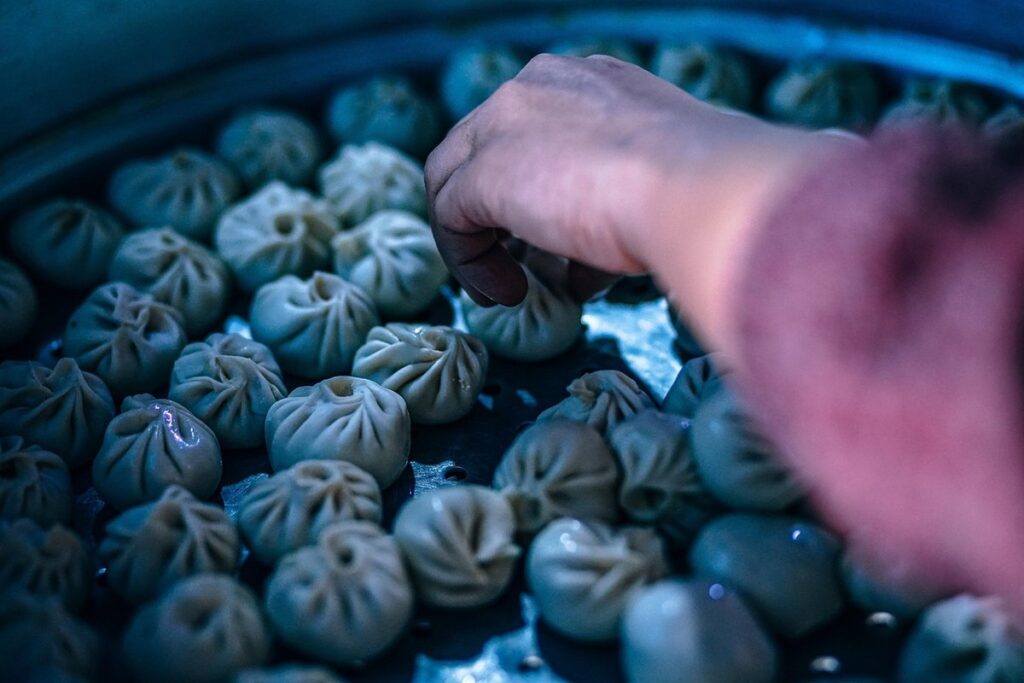
Cantonese dim sum is a beloved tradition that has been enjoyed for centuries. The name “dim sum” literally translates to “touch the heart,” which refers to the way these small, bite-sized dishes bring people together. Origins of dim sum can be traced back to the Canton province, where teahouses would serve small plates of food to accompany tea drinking.
Preparation methods vary depending on the type of dim sum being made. For example, har gow (steamed dumplings) require a delicate touch when wrapping dough around shrimp filling, while siu mai (pork and shrimp dumplings) need to be carefully steamed to achieve the right texture. Chefs often use a combination of traditional techniques, such as steaming and pan-frying, to create a variety of flavors and textures.
Dim sum’s cultural importance extends beyond its delicious taste; it also plays a significant role in social gatherings and special occasions. In Cantonese culture, dim sum is often served during breakfast or brunch, where families and friends come together to share small plates of food. This communal aspect of dim sum is an essential part of the tradition, fostering connections and creating memories around the table.
Wonton Noodles: A Delicate Combination
Wonton noodles are a quintessential Cantonese dish, cherished for its delicate balance of textures and flavors. The combination of thin wontons, typically filled with pork or shrimp, and springy noodles is a masterclass in restraint. Unlike heavier dishes that rely on bold seasonings, wonton noodles rely on the freshness of their ingredients to shine.
The key to making great wonton noodles lies in the quality of the broth. A good Cantonese soup stock, simmered for hours with ginger, garlic, and soy sauce, provides a rich foundation for the dish. Wontons are then poached or boiled until they’re just cooked through, preserving their delicate texture.
When preparing wonton noodles at home, it’s essential to use high-quality ingredients and follow a simple yet nuanced cooking process. Here are some tips: start with fresh wontons and springy noodles; cook the broth from scratch using aromatics like ginger and garlic; and don’t overcook the wontons or noodles. By paying attention to these details, you can create a dish that’s both authentic and delicious.
Regional Specialties and Their Unique Characteristics
As we continue our culinary journey through China, let’s explore some of the region’s most beloved specialties that have developed distinct characteristics over time. From spicy Sichuan dishes to delicate Cantonese soups.
Sichuan Cuisine: Spicy and Numbing
Sichuan cuisine is renowned for its bold and complex flavors, which are largely attributed to the liberal use of chili peppers and Szechuan peppercorns. These two ingredients give Sichuan dishes their signature spicy and numbing characteristics. Chili peppers bring a deep, fiery heat that can vary in intensity depending on the type used. In contrast, Szechuan peppercorns produce a tingling sensation on the tongue, often described as numbing or slightly bitter.
The combination of these two ingredients is not limited to just one dish; rather, it’s a fundamental aspect of Sichuan cooking techniques. Chefs in this region often use chili peppers and Szechuan peppercorns together to create complex flavor profiles that balance heat with depth. For example, Kung Pao chicken relies heavily on the combination of these two ingredients to achieve its signature spicy kick.
When working with Sichuan cuisine, it’s essential to note that the type and amount of chili peppers used can greatly affect the dish’s overall flavor. Some recipes may call for fresh red chilies, while others may use dried or pickled varieties. Similarly, the quantity of Szechuan peppercorns should be carefully balanced to avoid overpowering other ingredients. By understanding how these two key ingredients interact and manipulate their levels accordingly, cooks can unlock the full potential of Sichuan cuisine’s signature flavors.
Cantonese Cuisine: Delicate and Elegant
Cantonese cuisine is renowned for its delicate and elegant flavors, which are often achieved through precise cooking techniques. Steaming is a staple method in Cantonese cooking, allowing the natural sweetness of ingredients to shine through. This technique is particularly evident in dishes like har gow, steamed shrimp dumplings that are wrapped in thin dough wrappers and served with a light soy sauce.
Stir-frying is another essential technique in Cantonese cuisine, where ingredients are quickly cooked in a wok over high heat. The key to successful stir-frying lies in the balance of flavors and textures. A good stir-fry should have a harmonious blend of salty, sweet, and umami notes, as well as a variety of textures from crunchy vegetables to tender meat.
Braising is also employed in Cantonese cooking, particularly for tougher cuts of meat like beef or pork belly. This method involves cooking the meat slowly over low heat, often with a mixture of soy sauce, sugar, and spices. The result is a rich, fall-apart texture that’s both comforting and elegant. By mastering these techniques, home cooks can create authentic Cantonese dishes that showcase the region’s signature delicate yet refined flavors.
Modern Trends and Fusion in Traditional Chinese Cooking
As you explore traditional Chinese cuisine, you’ll notice a fascinating blend of old and new techniques emerging in modern cooking. From innovative fusion dishes to fresh twists on classic recipes, this evolution is revolutionizing the culinary landscape.
The Rise of Modern Chinese Restaurants
Modern Chinese restaurants have undergone a significant transformation in recent years. Gone are the days of bland, over-salted dishes served in dimly lit rooms with red tablecloths. Contemporary chefs are redefining traditional Chinese cuisine by incorporating new flavors and techniques that cater to modern palates.
One key trend is the fusion of East and West, where traditional Chinese ingredients meet international flavors. For example, some restaurants now offer Szechuan pepper-crusted lamb chops or stir-fried squid with Korean chili flakes. This bold experimentation has resulted in dishes that are both familiar and innovative.
In addition to fusion cuisine, modern Chinese restaurants often prioritize presentation and plating. Chefs are no longer content with serving food on plain white plates; instead, they’re using artistic garnishes, colorful sauces, and beautifully arranged ingredients to create visually stunning dishes. This focus on aesthetics not only makes for a more enjoyable dining experience but also encourages diners to engage their senses and appreciate the nuances of each dish.
To experience this new wave of modern Chinese cuisine, look for restaurants that clearly label themselves as “contemporary” or “creative” Chinese. These establishments often have menus that reflect the chefs’ creative flair and willingness to push boundaries.
Fusion Cuisine: East Meets West
Fusion cuisine has become increasingly prominent in modern Chinese cooking, as chefs experiment with combining traditional techniques and ingredients with international flavors and styles. This East-meets-West approach has resulted in innovative dishes that blend the best of both culinary worlds. For example, Szechuan hot pot might incorporate Korean chili flakes or Japanese miso broth for added depth.
Some popular fusion combinations include Chinese-Italian, where stir-fried noodles meet Italian-style tomato sauce; and Chinese-Mexican, where wontons are filled with spicy chorizo. These fusions are not only delicious but also reflect the cultural exchange that has always characterized Chinese cuisine. In fact, many modern Chinese restaurants now offer fusion menus as a way to attract adventurous diners.
When experimenting with fusion cuisine at home, consider starting with simple combinations of flavors and ingredients. Try pairing Chinese soy sauce or oyster sauce with international spices like cumin or coriander. You can also incorporate new ingredients, such as Korean kimchi or Indian curry powder, into traditional Chinese dishes. Remember to balance bold flavors with the delicate nuances of traditional Chinese cooking. By embracing fusion cuisine, you can breathe new life into classic recipes and create exciting, one-of-a-kind dishes that showcase the versatility of traditional Chinese cooking.
Frequently Asked Questions
Can I try making traditional Chinese dishes at home without prior experience?
Yes, with some basic cooking skills and knowledge of ingredients, you can attempt to recreate traditional Chinese dishes at home. Start by experimenting with simple recipes like stir-fries or braises, and gradually move on to more complex dishes as your skills improve. Be mindful of ingredient substitutions and measure carefully to ensure authentic flavors.
How do I choose between Sichuan, Cantonese, and other regional cuisines for a special occasion?
Consider the flavor profiles and cooking techniques associated with each region. If you prefer bold and spicy flavors, Sichuan cuisine might be suitable. For delicate and elegant dishes, Cantonese cuisine is a better fit. Think about your guests’ tastes and dietary restrictions to make an informed decision.
What are some common mistakes beginners make when trying traditional Chinese cooking?
One common mistake is overcooking grains like rice or noodles. To avoid this, monitor cooking times closely and adjust heat levels as needed. Another error is using too much oil for stir-frying, which can result in greasy dishes. Balance your ingredients wisely to achieve the perfect harmony of flavors.
Can I substitute modern Chinese restaurant staples with traditional ingredients and techniques?
Yes, you can modify recipes from contemporary Chinese restaurants by incorporating traditional techniques and ingredients. For example, instead of using store-bought wonton wrappers, try making them from scratch using traditional methods. This will allow you to experience the authentic taste of traditional Chinese cooking.
How do I know if a dish is truly “authentic” or just another interpretation?
Authenticity can be subjective, but look for dishes that use traditional ingredients and cooking techniques passed down through generations. Pay attention to regional specialties and cultural significance to ensure the dish is representative of its origins.