
Bangkok’s Floating Markets are a quintessential Thai experience, offering a glimpse into the country’s rich cultural heritage. For many travelers, visiting these iconic waterways is a must-do activity when exploring Bangkok and Thailand. You’re probably wondering what all the fuss is about – what makes these markets so unique? The answer lies in their history, which dates back to the 19th century when merchants would sell goods from boats to villagers living along the canals of Ayutthaya. Today, you can still experience this traditional trading system at places like Damnoen Saduak and Taling Chan. This article will take you on a journey through the history and significance of Bangkok’s floating markets, as well as provide expert tips on what to buy, eat, and do when visiting these incredible destinations, so by the end, you’ll be equipped with all the knowledge needed to plan an unforgettable trip.
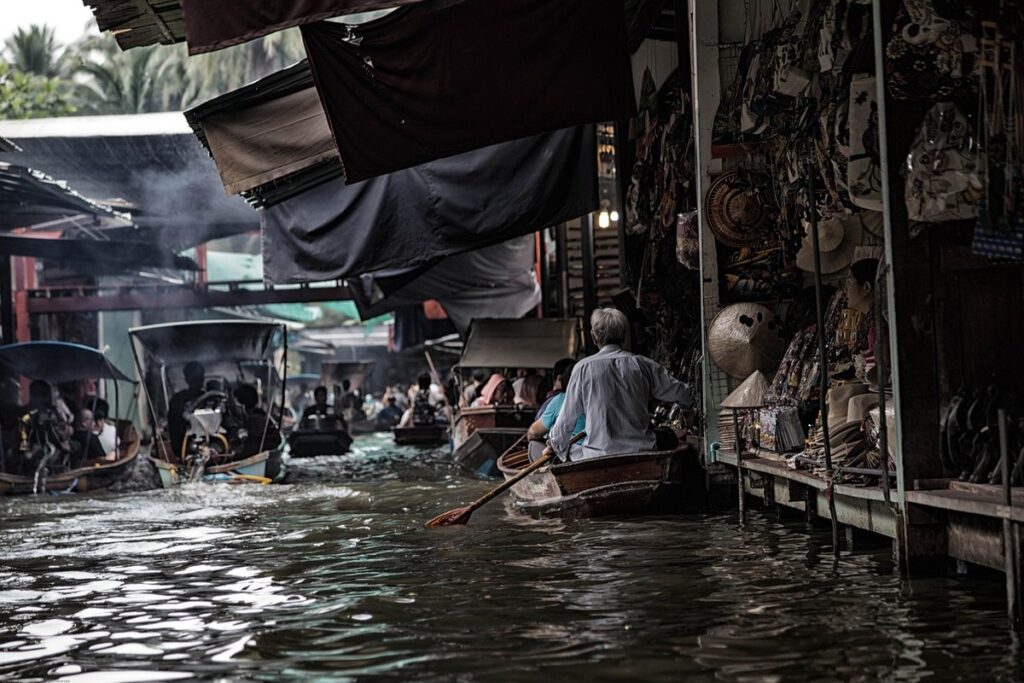
History and Significance of Bangkok Floating Markets
Bangkok’s floating markets have a rich history dating back centuries, shaped by the city’s strategic location on the Chao Phraya River. We’ll explore how these markets became an integral part of Thai culture and economy.
Origins and Evolution of Floating Markets in Bangkok
Floating markets have been a staple of Bangkok’s economy since the 19th century. At that time, the city was expanding rapidly and traders saw an opportunity to connect buyers and sellers from different regions through the waterways. The first floating markets were established along the Chao Phraya River, where merchants would sell goods such as fresh produce, spices, and textiles. As trade increased, so did the number of vendors and stalls, transforming the riverbanks into bustling marketplaces.
The growth of floating markets in Bangkok was closely tied to the city’s economic development. By allowing traders to access a wider customer base, these markets helped stimulate local commerce and contributed to the city’s prosperity. The success of floating markets also led to the creation of new infrastructure, including canals, bridges, and warehouses, which further facilitated trade and commerce in the region.
Over time, the role of floating markets has evolved to adapt to changing economic conditions and consumer preferences. Today, these markets continue to thrive as popular tourist destinations, offering visitors a unique glimpse into Bangkok’s rich history and cultural heritage.
Impact on Local Communities and Culture
Floating markets have been an integral part of Bangkok’s culture and daily life for generations. They provide a platform for locals to showcase their products, connect with customers, and earn a living. The markets also serve as community hubs where people gather to socialize, share news, and enjoy traditional street food.
One notable impact of floating markets on local culture is the preservation of traditional arts and crafts. Many vendors sell handmade goods such as wood carvings, pottery, and woven baskets, which are passed down through generations. These artisanal products not only support local livelihoods but also contribute to the city’s cultural heritage.
The floating markets also play a significant role in promoting community engagement and social cohesion. Vendors often live on-site with their families, creating a sense of extended community among market-goers. This proximity fosters relationships between vendors, customers, and locals, contributing to a vibrant and inclusive atmosphere.
When visiting the floating markets, it’s essential to respect local customs and traditions. Be prepared to haggle, try local delicacies, and engage with vendors in their native language. By doing so, you’ll not only enhance your experience but also support the community that makes these markets thrive.
Best Time to Visit and Getting There
When planning a trip to Bangkok’s iconic floating markets, timing is everything – knowing when to visit can make all the difference in your experience. We’ll cover the best months to avoid crowds and heatwaves, as well as how to get there from Bangkok city center.
When to Visit: Weather, Crowds, and Events
The dry season from November to March is considered the best time to visit Bangkok’s floating markets. This period brings pleasant weather with minimal rainfall and average temperatures ranging from 20-25°C (68-77°F). The dry heat can be intense, so it’s essential to stay hydrated and bring a hat or umbrella for sun protection.
Tourist seasons typically follow the school holidays in Thailand, which fall in April-May and October-November. These periods coincide with the country’s peak tourist season, resulting in larger crowds at the floating markets. If you prefer a more relaxed atmosphere, consider visiting during the shoulder season (April-October), when temperatures are slightly warmer but still pleasant.
Several events take place throughout the year that might interest visitors. The Loy Krathong festival in November is a significant celebration where locals release lanterns onto the waterways. The King’s Cup Regatta in January and February features boat racing competitions, while the Damnoen Saduak floating market hosts a full-moon night market with live music and food stalls during the evenings of every full moon.
How to Get to the Floating Markets: Transportation Options
To reach the floating markets, you have several transportation options from Bangkok city center. One of the most affordable and accessible ways is by bus. The Damnoen Saduak Floating Market, for instance, has a dedicated bus service that departs from the southern bus terminal (Sai Tai Mai) in Bangkok. This journey takes around two hours, depending on traffic.
Another option is to take a minivan or songthaew (red truck), which can be hired at most bus terminals and major intersections in Bangkok. These vehicles are more frequent than buses but may not run as regularly during off-peak seasons. You can also opt for a private boat tour that will take you directly from the city center to the floating markets.
If you prefer a hassle-free experience, consider booking a guided tour with a reputable operator. This way, you’ll be able to skip the crowds and navigate through the markets with ease. Many tours offer transportation from your hotel in Bangkok, making it easy to plan your day.
Must-Visit Floating Markets in Bangkok
Bangkok’s iconic floating markets are a treasure trove of shopping and dining experiences, but which ones to prioritize? Let’s take a look at some must-visit destinations along the Chao Phraya River.
Damnoen Saduak Floating Market: A Classic Experience
Damnoen Saduak Floating Market is a quintessential Bangkok experience. The market is located about 100 kilometers west of Bangkok and has been in operation since the early 20th century. Its unique selling point lies in its traditional approach to commerce, where vendors sell their wares from boats while customers browse from the riverbanks.
The market’s layout is designed for optimal browsing and shopping. Visitors can take a long-tail boat ride along the canal, allowing them to get up close to the vendors and inspect their goods. The experience is further enhanced by the lively atmosphere, with traditional Thai music and delicious street food adding to the ambiance.
Some of the must-try dishes at Damnoen Saduak include spicy tom yum soup, green curry, and fresh coconut water. Visitors can also sample local fruits such as durian and rambutan. When shopping for souvenirs, look out for traditional Thai products like handmade pottery, woodcarvings, and silk fabrics.
To make the most of your visit, consider arriving early in the morning to avoid the crowds. Be sure to bring sunscreen, a hat, and comfortable shoes, as you’ll be spending time walking along the riverbanks and exploring the market stalls.
Amphawa Floating Market: A Local Favorite
Amphawa Floating Market is a hidden gem among Bangkok’s floating markets. While it may not be as large as Damnoen Saduak, Amphawa has a unique charm that draws locals and tourists alike. The market is situated along the Mae Klong River and comes alive in the evening, when vendors set up their stalls on wooden boats.
One of the main attractions at Amphawa is its street food scene. Visitors can sample a variety of Thai dishes, from grilled fish to stir-fried vegetables. Be sure to try some of the local specialties, such as Khanom Buang (Thai crepes) and Khao Niew Mamuang (mango with sticky rice). The market also offers a range of traditional Thai sweets and desserts.
What sets Amphawa apart is its lively atmosphere. Unlike some other floating markets, which can feel touristy and commercialized, Amphawa maintains a strong sense of community. Visitors often mingle with locals, who are happy to share their knowledge and culture. To make the most of your visit, arrive early in the evening and grab a spot near the river. This will give you time to soak up the atmosphere before the crowds arrive.
What to Buy and Eat at Bangkok’s Floating Markets
When visiting Bangkok’s floating markets, it’s essential to know what local specialties to try and unique items to bring back home as souvenirs. From fresh coconuts to handmade crafts, we’ll cover your shopping and dining essentials.
Traditional Thai Products and Souvenirs
At Bangkok’s floating markets, you’ll find a vast array of traditional Thai products and souvenirs to bring home as mementos. One of the standout items is handmade crafts, such as intricately woven baskets, colorful textiles, and ornate wooden carvings. These items are often made using techniques passed down through generations, making each piece a unique and authentic representation of Thai craftsmanship.
Local specialties like fresh coconut husk jewelry, handmade candles, and decorative fans are also widely available. Many vendors specialize in creating these products, which make for great souvenirs or gifts. When shopping for souvenirs, look for items that reflect the region’s rich cultural heritage and traditional techniques.
Some popular souvenir options include:
- Hand-painted ceramic tiles
- Handmade paper products like notebooks and postcards
- Intricately designed wooden masks
- Colorful embroidered clothing and accessories
When purchasing traditional Thai products and souvenirs, be sure to check prices carefully and negotiate politely. Many vendors are willing to haggle, so don’t be afraid to make an offer. By supporting local artisans and small-scale producers, you’ll not only take home unique mementos but also contribute to the preservation of Thailand’s traditional crafts and techniques.
Street Food Heaven: Popular Dishes and Drinks
At Bangkok’s floating markets, you’ll find an incredible array of street food options that showcase the diversity and richness of Thai cuisine. Among the most popular dishes are boat noodles, a comforting and flavorful noodle soup made with thin rice noodles, braised beef or pork, and a variety of herbs.
Khao Soi, a curried noodle dish from northern Thailand, is another favorite among visitors. The rich and slightly sweet curry broth is served over crispy noodles and topped with crispy fried noodles, meat or vegetables, and a sprinkle of fried shallots. For those looking for something lighter, Som Tam (papaya salad) made with shredded green papaya, tomatoes, chilies, and peanuts is a refreshing option.
In terms of drinks, fresh coconut water and Thai iced tea are staple offerings at most floating markets. You can also try the popular street drink, Singha beer-infused ice cream. For dessert, mango sticky rice, a sweet and creamy combination of ripe mango and glutinous rice cooked in coconut milk, is a must-try.
Most vendors accept cash only, so be sure to have some Thai baht on hand when trying these delicious street foods.
Tips for a Stress-Free Visit to Bangkok’s Floating Markets
To make the most of your visit, we’ve put together some essential tips for navigating Bangkok’s bustling floating markets without feeling overwhelmed. From haggling techniques to packing essentials, we’ve got you covered.
Essential Items to Bring and What to Wear
When visiting Bangkok’s floating markets, it’s essential to pack wisely and dress comfortably for a stress-free experience. Start with the basics: sunscreen with a high SPF rating to protect yourself from the intense Thai sun, as well as a wide-brimmed hat or umbrella to shield your face and neck. Wear lightweight, breathable clothing that allows for ease of movement – cotton or linen shirts and pants are great options.
Don’t forget to bring comfortable shoes, preferably water-friendly sandals or sneakers with good grip. You’ll likely be walking on uneven boat platforms and potentially getting wet, so prioritize footwear that can handle the conditions. Additionally, consider packing a lightweight rain jacket or poncho in case of sudden showers. In terms of specific clothing items, pack a few lightweight scarves to keep your shoulders covered when shopping for souvenirs or interacting with vendors.
It’s also a good idea to bring a small backpack or tote bag to carry essentials like water, snacks, and any purchases you make. This will allow you to move freely without worrying about carrying bulky items. By packing smart and dressing comfortably, you’ll be well-prepared to navigate the floating markets and enjoy all they have to offer.
Safety Precautions and Scams to Avoid
When visiting Bangkok’s floating markets, it’s essential to be aware of potential scams and safety concerns. Be cautious of vendors who may offer you a “special deal” on an item that seems too good to be true – they might be using a technique called “reciprocal bargaining,” where they initially quote a high price to negotiate down to something more reasonable, but only if you agree to buy the item.
Avoid carrying large amounts of cash and keep your valuables secure. Pickpocketing and petty theft can occur in crowded areas like floating markets, so be mindful of your belongings and consider using a money belt or a secure bag. You may also encounter vendors who claim their products are ” handmade” or “exclusive” to the market – while some items might genuinely be unique, many others are mass-produced for tourists.
To avoid scams, only purchase from licensed vendors and look for official stamps or logos on products. When eating at street food stalls, choose vendors with a high turnover of customers and opt for dishes that are cooked in front of you. Additionally, be wary of vendors who offer “free” transportation or “exclusive tours” – these may come with hidden costs or ulterior motives.
Conclusion: Preserving Bangkok’s Floating Markets for Future Generations
As we conclude our journey through Bangkok’s floating markets, let’s reflect on what can be done to ensure these iconic waterways remain vibrant and sustainable for generations to come. We’ll discuss strategies for preservation.
Threats to the Floating Markets’ Survival
The floating markets of Bangkok are facing numerous threats to their survival. Urban development is one of the primary concerns, as the city’s rapid expansion and gentrification lead to increased pressure on these waterways. The construction of new buildings, roads, and other infrastructure projects has already resulted in the loss of some market stalls and vendors. For example, the famous Damnoen Saduak Floating Market has seen a significant reduction in its traditional wooden houses and stalls due to urban development.
Pollution is another major threat to the floating markets’ survival. The discharge of untreated sewage and industrial waste into the canals has caused severe water pollution, making it difficult for vendors to sell their products and for tourists to enjoy the experience without health risks. Climate change also poses a significant challenge, as rising temperatures and changing precipitation patterns affect the water levels and quality of the canals.
Additionally, some market vendors are facing financial difficulties due to declining tourism numbers and increased competition from online shopping platforms. To mitigate these challenges, local authorities and community groups must work together to develop sustainable solutions that balance economic development with environmental protection and cultural preservation.
Efforts to Preserve and Promote the Floating Markets
Efforts are underway to preserve and promote Bangkok’s floating markets, recognizing their cultural heritage and economic significance. The Tourism Authority of Thailand (TAT) has launched campaigns to raise awareness about the importance of these markets and encourage sustainable tourism practices.
One initiative is the “Floating Market Revival” project, which aims to restore and revitalize the markets’ traditional architecture and infrastructure. This includes renovating wooden boats and repairing canals, as well as providing training for vendors on eco-friendly business practices.
Additionally, local communities are working together with government agencies and tourism stakeholders to develop guidelines for responsible marketing and promotion of the floating markets. These guidelines focus on preserving the markets’ authenticity while promoting them as a unique tourist attraction.
Efforts are also being made to support small-scale farmers and local artisans who sell their products at the markets. This includes providing training and resources to help them improve their skills and increase their income. By supporting these initiatives, visitors can contribute to the long-term preservation of Bangkok’s floating markets and ensure their continued cultural and economic significance.
Frequently Asked Questions
Can I visit Bangkok’s floating markets with mobility issues?
Yes, some floating markets have adapted to accommodate visitors with mobility issues, offering accessible routes and facilities. For example, Damnoen Saduak Floating Market has wheelchair-accessible pathways and restrooms. However, it’s essential to research the specific market you plan to visit and contact them in advance to confirm accessibility arrangements.
What if I get lost or separated from my group at the floating markets?
Stay calm and look for signs or ask locals for directions. Many floating markets have designated meeting points for groups, so make sure to establish a meeting spot before exploring. You can also consider hiring a private guide or joining a tour group for added support.
How do I avoid buying counterfeit goods at the floating markets?
Be cautious of vendors selling extremely cheap products, as they may be fake or low-quality items. Stick to reputable stalls and look for official certifications or logos. Also, research local prices beforehand to ensure you’re not overpaying for genuine products.
Can I bring my own food and drinks into the floating markets?
While it’s tempting to pack your own snacks, it’s generally best to eat at the market stalls to support local vendors and enjoy the authentic experience. However, if you have specific dietary needs or preferences, consider packing a few items in moderation. Be respectful of other customers and vendors, and avoid littering.
What happens during extreme weather conditions, such as heavy rain or intense heat?
Floating markets often operate regardless of weather conditions, but some may close temporarily due to severe weather. Check the market’s social media or website for updates before visiting. Additionally, be prepared with sunscreen, hats, and light clothing for hot days, and consider bringing a waterproof bag for rainy days.

