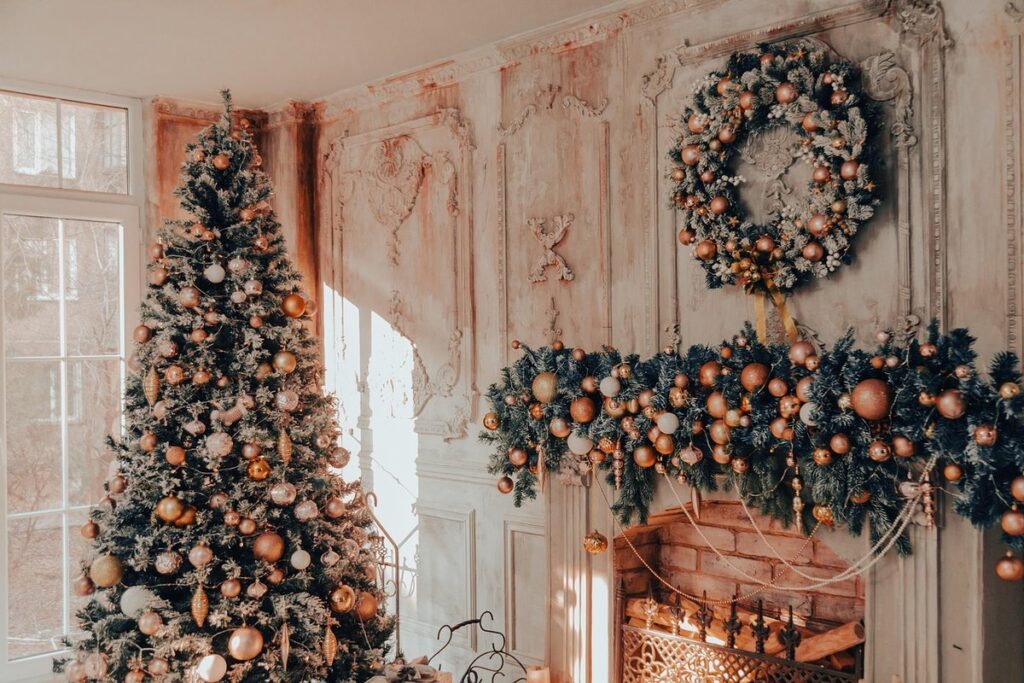
Christmas is often associated with familiar customs like decorating trees, singing carols, and exchanging gifts. But did you know that around the world, people have been celebrating this holiday in some pretty unusual ways? From Europe to the Americas, each region has its own unique traditions that reflect local culture and history. For instance, in Iceland, the Yule Lads bring festive cheer with their mischievous antics, while in Germany, the Christkind is a Christmas gift-bringer who’s often depicted as an angelic figure. These quirky customs may seem strange to outsiders, but they play a vital role in preserving diversity in traditions and showcasing the richness of human experience. In this article, we’ll explore some of these fascinating Christmas weird traditions, uncovering what makes them so special and why they’re worth embracing.

The Origins of Unconventional Celebrations
From ancient festivals to modern-day quirks, we’re tracing the roots of some Christmas traditions that are more unusual than you might expect. Let’s start with a few examples from around the globe.
The Significance of Santa’s Kissing in Spain
In Spain, the traditional image of Santa Claus is not what you’d expect. While many countries associate jolly old Saint Nick with a kiss under the mistletoe, in Spain, it’s actually the Three Wise Men – known as Los Tres Reyes Magos – who are credited with bestowing gifts on children during the Epiphany celebrations. However, there is an interesting twist to this tradition: La Befana, a witch-like figure from Italian folklore, has also found her way into Spanish Christmas customs.
La Befana’s origins date back to ancient Rome and Sicily, where she was revered as a protector of women and children. According to legend, La Befana was tasked with sweeping the streets clean before Epiphany, but instead, she decided to bring gifts to all the children in Italy. Over time, her influence extended beyond Italian borders, including Spain.
While it’s not common for La Befana to be depicted as a kissing figure, in some regions of Spain, particularly Andalusia and Catalonia, her arrival is celebrated with processions, music, and traditional sweets. In these areas, children leave out their shoes on January 5th, the eve of Epiphany, hoping that La Befana will fill them with gifts and treats.
Unique Gift-Giving Practices in Germany
In Germany, gift-giving during the holiday season takes on a unique twist. One peculiar tradition is exchanging pickled vegetables as presents. This may seem unusual to outsiders, but for many Germans, it’s a cherished custom that dates back centuries. The most common pickled vegetable gifts are sauerkraut and red cabbage.
Besides pickles, some Germans also give other unconventional gifts, such as hand-knitted socks made from wool harvested from local sheep. These gifts are often accompanied by handwritten notes or small sketches of the giver’s own artwork. In addition to these homemade presents, some families may exchange traditional German treats like stollen or lebkuchen.
What makes these gift-giving practices even more special is the emphasis on handmade and locally sourced items. By choosing gifts that reflect their region’s culture and traditions, Germans show appreciation for their heritage and community. If you’re interested in adopting this custom, consider making your own pickled vegetables or trying out a traditional German recipe to share with friends and family. Just be sure to check local regulations on homemade food gifts before sharing them.
Strange Customs from Europe
From the festive feast of La Befana in Italy, where gifts are exchanged on January 6th, to the eerie Krampus parades of Austria, European Christmas traditions often blend the bizarre and beautiful. Let’s explore some of these unique customs together.
Wearing Costumes to Celebrate Christmas in Italy
In Italy, January 6th is a significant date, marking the Epiphany and the visit of the Three Wise Men to baby Jesus. On this day, children wake up to find gifts from La Befana, a kindly witch who brings treats and toys to kids. But what’s unique about this tradition is that it’s not just about gifts – it’s also about dressing up as La Befana herself.
In some parts of Italy, especially in the southern region of Calabria, people don elaborate costumes to celebrate the Epiphany. These costumes are often colorful and ornate, featuring warty noses, long beards, and pointy hats. Some towns even hold parades and festivities to mark the occasion. While La Befana is a beloved figure in Italian culture, not all European countries follow this tradition. However, many others have their own unique festive costumes.
In some European cities, you can see people dressed as “Krampus” – a half-goat, half-demon creature who punishes naughty children during the holiday season. In other places, like Poland and Ukraine, men dress up as “Kolęda,” a gift-giving figure with a long white beard and red hat. If you’re planning to visit Europe during the holidays, keep an eye out for these festive costumes – they add a unique touch to the Christmas celebrations in each country.
Eating Unusual Foods for Christmas Dinner in Sweden
In Sweden, Christmas Eve dinner is a time-honored tradition that involves serving some rather unusual dishes. For many Swedes, the centerpiece of the meal is pickled herring, typically served with boiled potatoes and sour cream. This may sound unappetizing to those unfamiliar with it, but for the Swedes, it’s a beloved family tradition passed down through generations.
The tradition of eating pickled herring on Christmas Eve dates back to the 17th century when it was a staple food in Sweden due to its preservation properties. Today, it remains a key part of Swedish Christmas celebrations, with many families making their own pickling solution from scratch.
Other unusual foods that are commonly served on Swedish Christmas dinner tables include gravlax (cured salmon), meatballs, and mulled wine. The key is to balance the strong flavors and textures of these dishes with milder accompaniments like boiled potatoes or lingonberry jam. If you’re looking to try this tradition for yourself, consider starting with a simple recipe for pickled herring and serving it with some traditional Swedish sides.
Bizarre Traditions from the Americas
From the frosty tundras of Canada to the sun-kissed beaches of Brazil, we’re taking a wild ride through Christmas traditions that defy explanation in North and South America. Get ready for some serious holiday weirdness!
The Posada Celebrations in Mexico
Las Posadas, a nine-day celebration in Mexico, commemorates Mary and Joseph’s journey to Bethlehem. The tradition begins on December 16th and ends on Christmas Eve. Each evening, families gather with friends and neighbors to reenact the Holy Family’s search for lodging. They go from house to house, asking for shelter, just as Mary and Joseph did.
The procession is often accompanied by traditional music, candles, and piñatas filled with candies and fruits. Participants carry a statue of the Virgin of Guadalupe or the Holy Family, adding a festive touch to the streets. At each stop, the hosts offer refreshments, prayers, and sometimes even a small nativity scene.
The final evening concludes at a designated church or home, where a large nativity scene is set up. Families gather for a traditional meal, often featuring posole (a hearty soup) or tamales. The celebration culminates in the breaking of piñatas and the distribution of treats to children. By participating in Las Posadas, Mexicans honor their faith while creating a sense of community and festive cheer.
Unique Christmas Foods in the United States
In the United States, unique regional specialties take center stage during Christmas celebrations. The Southwest is no exception, where tamales are a staple of holiday meals. These traditional Mesoamerican dishes typically consist of masa harina filled with meats or cheese, steamed to perfection, and served with a variety of sauces.
New Orleans adds its own twist to the festive table with king cake, a sweet bread that’s often flavored with cinnamon, nutmeg, and cloves. The tradition of eating king cake dates back to medieval Europe, but in New Orleans, it’s become an integral part of Christmas celebrations. Many bakeries and cafes sell their own versions of king cake, some even offering creative flavors like chocolate or raspberry.
In other parts of the country, regional specialties abound. For example, Pacific Northwest residents often enjoy a traditional Christmas dinner featuring Dungeness crab, while those in Louisiana savor boudin balls and crawfish étouffée. When hosting holiday gatherings, consider incorporating these unique regional flavors to add an authentic touch to your celebrations. By doing so, you’ll not only delight your guests with new tastes but also pay homage to the rich cultural heritage of American Christmas traditions.
Unconventional Christmas Decorations
Around the world, some people take creative liberties when it comes to decorating their homes for Christmas. We’ll look at a few unconventional decoration ideas that might just inspire you to think outside the box this holiday season.
Using Natural Elements as Decor in Japan
In Japan, a unique twist on traditional Christmas decorations is the use of natural elements to create a festive atmosphere. Homes are often adorned with pine branches, bamboo, and citrus fruits, which symbolize good luck and longevity. These elements are typically arranged in beautiful arrangements or used as accents in wreaths and centerpieces.
The use of these materials may seem unconventional to Westerners, but it’s rooted in Japanese culture and tradition. For example, the evergreen pine branch represents eternal life and is often used in Shinto ceremonies. Bamboo, with its flexibility and strength, also holds significant meaning in Japanese culture.
To incorporate this unique element into your Christmas decorations, consider adding a few sprigs of fresh rosemary or eucalyptus to your wreath or centerpiece. You can also use citrus fruits like oranges or lemons as a decorative accent. When arranging these natural elements, remember that simplicity is key – let the beauty of the materials speak for themselves rather than over-accessorizing with ornaments and lights.
Creating Festive Lanterns in China
In China, creating festive lanterns is a beloved holiday tradition. During the Christmas season, families and communities come together to craft beautiful paper or metal lanterns, often with intricate designs and patterns. These lanterns are not only decorative but also hold symbolic meaning. They represent the light that guides people through the darkest of times, reflecting the Christian value of hope and redemption.
To make a traditional Chinese lantern, you’ll need some basic materials: colored paper, scissors, glue, and a metal or plastic frame. You can find tutorials online or follow local artisans’ techniques to create unique designs. Some common motifs include dragons, phoenixes, and plum blossoms, which symbolize good luck, prosperity, and beauty.
When creating your lantern, consider adding personal touches that reflect your cultural heritage or interests. For example, you might add a small figurine of the Chinese rabbit, a nod to the 12-year cycle of the zodiac. Alternatively, you could use materials like recycled paper or natural fibers to give your lantern an eco-friendly twist. By making and displaying these festive lanterns, you’ll not only bring joy to yourself but also contribute to a sense of community and cultural exchange during the holiday season.
The Psychology Behind Weird Christmas Traditions
From decorating graves to eating weird foods, many of our favorite Christmas traditions have roots in psychology and a dash of cultural quirkiness. Let’s take a closer look at what drives these offbeat customs.
Understanding the Role of Storytelling
Myths and legends play a significant role in shaping unusual Christmas traditions. In many cultures, these stories are deeply rooted in history and serve as a connection to the past. For instance, the legend of Saint Nicholas has contributed to the widespread practice of gift-giving during Christmas. According to myth, Saint Nicholas was known for secretly leaving gifts for children in need, and this story has been passed down through generations.
In some cultures, myths are used to explain unusual customs. For example, the tradition of eating 12 grapes at midnight on New Year’s Eve in Spain is said to bring good luck. This practice is rooted in a myth that a Spanish countess was given 12 grapes by a king and was told to eat them before midnight to ensure prosperity.
The role of storytelling in perpetuating unusual traditions cannot be overstated. By sharing these myths and legends, families and communities keep their cultural heritage alive. To apply this understanding to your own holiday celebrations, try incorporating stories from your family’s or community’s history into your traditions. This can add a rich layer of meaning to your activities and help you connect with your roots.
Examining the Impact on Cultural Identity
These customs not only provide insight into a community’s history but also reveal its values and sense of self. A closer look at these traditions reveals how they often serve as a way to preserve cultural heritage, even as the world around them changes rapidly. In Italy, for example, the tradition of wearing costumes to celebrate Christmas is a nod to the country’s rich history of festivals and masquerade balls.
Similarly, in Japan, using natural elements like pine branches and bamboo to decorate homes during Christmas reflects the importance placed on balance with nature. This attention to detail not only honors the community’s past but also serves as a reminder of its values. By examining these customs, you can gain a deeper understanding of how cultural identity is shaped by tradition.
When embracing these customs, it’s essential to approach them with respect and an open mind. For instance, if you’re incorporating a new tradition into your holiday celebrations, take the time to learn about its origins and significance. This will not only enrich your experience but also foster greater appreciation for the community that created it. By doing so, you’ll be able to connect with others on a deeper level and truly appreciate the beauty of cultural diversity.
Conclusion: Embracing the Quirks of Christmas
As we come full circle on our journey through weird and wonderful Christmas traditions, it’s time to reflect on what makes these quirks so special. Let’s celebrate the diversity that makes Christmas truly unique.
Celebrating Diversity in Holiday Traditions
Celebrating diversity in holiday traditions is essential to preserving the unique customs that make each culture’s Christmas celebration special. When we acknowledge and respect these differences, we open ourselves up to new ideas and ways of celebrating.
One way to celebrate diversity is by sharing stories about different cultures’ traditions. Invite friends or family over for a potluck dinner where everyone brings a dish inspired by their own cultural heritage. As you share the food and the stories behind it, you’ll notice that your guests are more engaged with each other’s traditions than if they were simply exchanging gifts.
Another way to celebrate diversity is by incorporating different customs into your own celebrations. For example, in Japan, Christmas Eve is a time for couples to exchange gifts, similar to Valentine’s Day in the West. Why not try giving gifts on Christmas Eve this year? Or, in Mexico, Posadas is a nine-day celebration that commemorates the journey of Mary and Joseph. You could set up an Advent calendar with nine small items or treats leading up to Christmas.
It’s also essential to acknowledge that cultural traditions are often tied to history, geography, and social context. What might seem strange or unusual at first may be deeply meaningful and important to a particular culture. By listening to the stories behind these customs, you’ll gain a deeper appreciation for their significance.
To truly celebrate diversity in holiday traditions, try to avoid judgment or comparison. Instead, approach each custom with curiosity and respect. Ask questions, listen actively, and be open to trying new things. By doing so, you’ll not only enrich your own celebrations but also contribute to preserving the unique cultural heritage that makes our world a more interesting place.
Frequently Asked Questions
Can I adapt these unusual traditions for my own family?
Yes, with creativity and flexibility, you can incorporate unique customs into your holiday celebrations to make them more meaningful and memorable. For instance, if you’re interested in the Italian tradition of dressing up as Befana, consider creating a fun costume together as a family or incorporating elements of the celebration into your own festivities.
What’s the best way to balance preserving cultural heritage with modernization?
When adapting unusual traditions, prioritize respect for their original context and significance. You can also introduce new elements that reflect your community’s values and interests while maintaining the essence of the custom. For example, if you’re incorporating a traditional European dish into your holiday meal, consider adding local ingredients or spices to make it more inclusive.
How do I choose which unusual traditions to adopt?
Consider factors like cultural significance, historical context, and personal interest when selecting customs to incorporate into your celebrations. You can also involve your family members in the decision-making process to ensure everyone is on board with the new tradition. Keep an open mind and be willing to adapt or adjust as needed.
Can I combine multiple traditions to create a unique celebration?
Yes, blending different customs can lead to fascinating and innovative holiday experiences. However, it’s essential to maintain respect for each tradition’s core meaning and significance. When combining elements, think about how they might complement or contrast with one another, and be mindful of potential cultural sensitivities.
What if I’m worried that adopting unusual traditions will make my celebration feel insincere?
Focus on the underlying spirit of the custom rather than its specific practices. Emphasize the values, stories, or emotions that drive these unique celebrations, and adapt them to resonate with your own family’s experiences and connections. By doing so, you can create a genuine and meaningful holiday experience that honors cultural diversity.