Cranberry season in Massachusetts is a fleeting yet vibrant spectacle, with the state’s bogs bursting into brilliant crimson every fall. You might be surprised to learn that this tart and tangy fruit is not only a staple of local cuisine but also a model for sustainable agriculture. Each year, thousands of visitors flock to the region’s many cranberry farms to witness the harvesting process firsthand, which involves a unique combination of manual labor and advanced technology. But Massachusetts’ cranberry industry is more than just a picturesque autumnal attraction – it’s also a leader in eco-friendliness. This article will take you on a tour of the best cranberry farms to visit during peak season, highlighting innovative harvesting methods and products that showcase the industry’s commitment to conservation efforts. By the time you finish reading, you’ll know how to make the most of your trip to Massachusetts’ cranberry country.
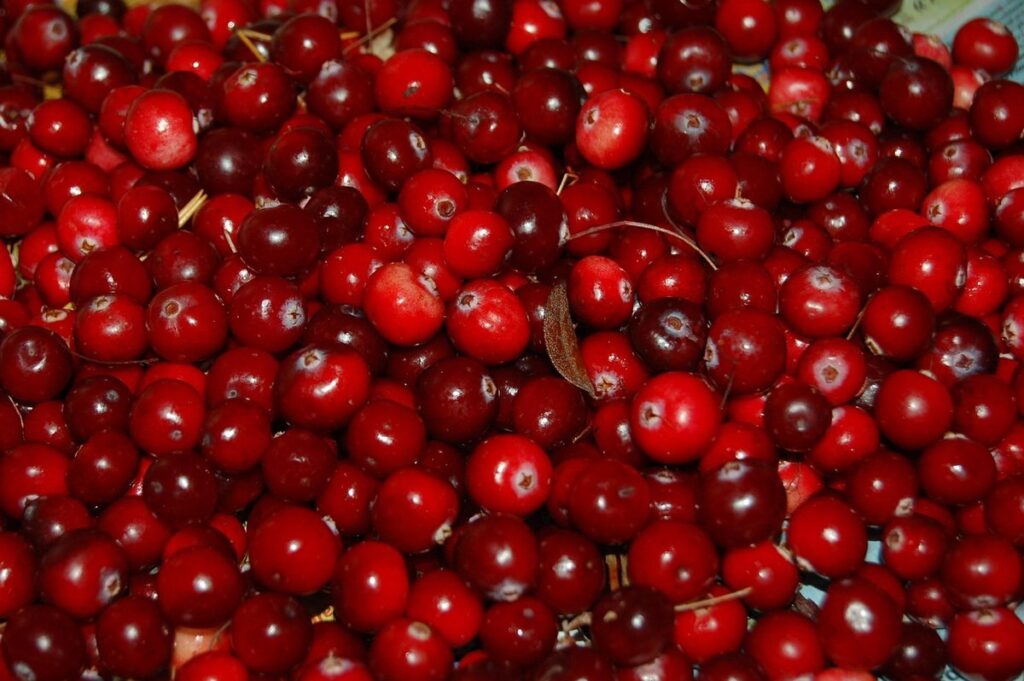
Understanding Cranberry Harvest Timing in Massachusetts
When planning a visit to Massachusetts during cranberry season, understanding the harvest timing is crucial for catching the festivities at their peak. The state’s official cranberry harvest typically takes place from September to November.
Factors Influencing Harvest Dates
Weather patterns play a significant role in determining cranberry harvest dates in Massachusetts. Temperature fluctuations can trigger the ripening process, with most bogs requiring a combination of warm days and cool nights to produce ripe berries. Prolonged periods of drought or excessive rainfall can also impact harvest timing, as cranberries require consistent moisture levels to mature properly.
Soil conditions are another critical factor influencing harvest dates. Cranberry bogs in Massachusetts often have acidic soils with high peat content, which retain water and support the unique growing requirements of cranberry plants. However, soil pH levels that become too alkaline can lead to reduced yields or delayed ripening.
Typically, Massachusetts’ cranberry season runs from mid-October to late November, with most bogs being harvested within a 2-3 week window. Warm temperatures in the days leading up to harvest can cause berries to ripen rapidly, while cooler nights help preserve flavor and quality. Understanding these weather and soil conditions is essential for farmers and growers to plan their harvest schedules accordingly, ensuring optimal yields and fruit quality.
Regional Variations in Harvest Dates
In Massachusetts, cranberry harvest dates vary significantly across different regions due to local climate conditions. Cape Cod, for instance, tends to have a shorter harvest season than other areas, typically lasting around 4-6 weeks. This is because the region’s cooler temperatures and more pronounced diurnal temperature fluctuations can cause berries to ripen quickly.
In contrast, the Plymouth area often has a slightly longer harvest period, usually spanning 6-8 weeks. Wareham, located in the southeastern part of the state, typically falls somewhere in between, with a 5-7 week harvest season. These regional variations are largely influenced by factors such as temperature, precipitation, and sunlight exposure.
The unique microclimates within each region can also impact cranberry growth and development. For example, areas with more abundant sunlight may experience earlier ripening, while regions with higher rainfall may require longer maturation periods. If you’re planning to visit a specific cranberry farm or participate in harvesting activities, it’s essential to be aware of the local harvest schedule and conditions to make the most of your experience.
Cranberry farmers often take these regional variations into account when planning their harvest strategies.
History of Cranberry Farming in Massachusetts
Cranberries have been grown in Massachusetts for over 200 years, and the state’s climate is well-suited to their unique needs. Learn how cranberry farming evolved over time in this region.
Early Settlement and Development
In 1625, English colonist William Bradford introduced cranberries to Plymouth Colony. These early settlers brought with them seeds from Cape Cod, which soon thrived in the wetlands of southeastern Massachusetts. The first recorded commercial cranberry harvest took place in 1654 on Nantucket Island, where the crop became a valuable commodity for trade.
As European settlement expanded throughout the region, cranberries became an integral part of local agriculture. The crop’s adaptability to Massachusetts’ cool, acidic soils and wet climate made it an attractive option for farmers. By the late 18th century, cranberry cultivation had spread to Cape Cod, Martha’s Vineyard, and Nantucket, with many farms focusing on small-scale production.
The early success of cranberries in Massachusetts can be attributed to their ease of cultivation and versatility. They were used not only as a food source but also for medicinal purposes and as a natural dye. As the industry grew, farmers developed innovative harvesting techniques, such as drying and packing methods, which enabled them to export their products further afield.
Growth and Expansion of the Industry
The growth and expansion of cranberry farming in Massachusetts was a gradual process marked by innovation and perseverance. In the late 19th century, cranberry cultivation began to spread throughout the state, with farmers adapting to the region’s unique soil and climate conditions. One significant event that contributed to the industry’s growth was the introduction of new equipment, such as the waterer, which enabled more efficient irrigation and reduced labor costs.
The early 20th century saw the rise of large-scale commercial operations, driven in part by the demand for cranberries during World War I. Farmers began to adopt modern farming techniques, including fertilization and pest control practices that helped increase yields and improve fruit quality. However, this period also posed challenges, such as the impact of Prohibition on cranberry sales and the struggle to adapt to changing market conditions.
Throughout the 20th century, Massachusetts continued to be a major producer of cranberries, with many farms remaining family-owned and operated. Today, the industry faces new challenges, including climate change and water management concerns, but innovative farmers are adapting by incorporating sustainable practices into their operations.
Cranberry Harvesting Methods in Massachusetts
Massachusetts is one of the top cranberry-producing states, and its farmers employ a few distinct methods to harvest this tart treasure. You’ll learn about the different techniques used on local farms here.
Traditional vs. Modern Techniques
Traditional cranberry harvesting methods in Massachusetts have been largely replaced by modern mechanical techniques. Hand-picking was once a common practice, where farmers would carefully pluck ripe berries from the bog floor. This labor-intensive method allowed for greater control over berry quality and reduced damage to the fruit. However, it was time-consuming and prone to physical strain.
In contrast, modern mechanical harvesting uses specialized equipment like water jet machines or rakes to collect cranberries. These machines float on top of the water and gently sweep up berries, minimizing damage and increasing efficiency. Modern machinery can cover larger areas in less time, making it a more practical choice for large-scale commercial operations.
Some smaller farms may still employ traditional hand-picking methods for specific bogs or varieties, but mechanical harvesting has become the industry standard due to its scalability and reduced labor costs. When visiting local cranberry farms, visitors can see both traditional and modern harvesting techniques in action, depending on the farm’s size and production needs.
Equipment and Machinery Used
The equipment and machinery used for cranberry harvesting in Massachusetts are designed to efficiently collect the ripe fruit while minimizing damage. Water wagons, which spray water to loosen berries from the vine, are a crucial component of modern harvesting techniques. These large vehicles can hold up to 10,000 gallons of water and use high-pressure jets to release the berries.
Combines, specifically designed for cranberry harvesting, follow behind the water wagon to collect the loose fruit. These machines have rotating drums that separate the berries from any debris or vegetation. They’re often equipped with sorting mechanisms to remove any unripe or damaged berries.
Other essential equipment includes bog tractors, which transport workers and machinery across the wetland, and cranberry rakes, used for hand-picking berries in areas inaccessible to combines. In recent years, some farms have adopted more mechanized solutions, such as autonomous drones that can detect ripe berries and optimize harvesting routes. However, traditional methods like water flooding and hand-raking are still employed by many smaller operations.
Cranberry Farms to Visit During Peak Season
If you’re looking for a unique experience during peak season, Massachusetts has plenty of cranberry farms that offer tours and tastings. From bogs to festivals, we’ll highlight some must-visit spots for an unforgettable adventure.
Top Recommendations for Tourists and Locals
For a unique and immersive experience, consider visiting the following popular cranberry farms and bogs during peak season (October-November). A few top recommendations for tourists and locals alike include:
- Nickerson State Park in Brewster: This 1,900-acre park offers guided tours of its working cranberry bog, as well as opportunities to pick your own berries.
- New England Cranberry Company in Wareham: Visitors can take a tour of the farm’s modern facilities and learn about the latest harvesting techniques, or try their hand at picking fresh cranberries from the bog.
- Oxbow National Wildlife Refuge in South Sutton: While not traditionally known for its cranberry bogs, this refuge offers guided tours of its wetlands during peak season, providing a glimpse into the natural world of Massachusetts’ cranberry country.
When planning your visit, be sure to check each farm’s website or call ahead to confirm their hours and tour schedules. Some farms may offer special events or activities, such as festivals, harvest dinners, or educational workshops, so it’s worth checking those out as well.
Insider Tips for Visiting Local Farms
When visiting local cranberry farms during peak season, you can expect to see a flurry of activity as farmers and their families work together to harvest the berries. To make the most of your visit, plan to arrive early in the morning when the sun is not too high in the sky. This will help you avoid the heat and crowds that often develop later in the day.
Be sure to dress comfortably for a day outdoors, with sturdy shoes or boots that can handle muddy terrain. Wear layers, as the temperature can fluctuate significantly between the shade of the farm’s buildings and the direct sunlight. Bring water and snacks to keep your energy levels up, especially if you plan to spend several hours at the farm.
As you walk through the fields, be respectful of the farmers’ hard work and ask permission before taking photos or picking berries. Some farms may also offer pick-your-own options, but be sure to check ahead of time as these can fill up quickly. Finally, don’t forget your camera to capture the stunning scenery and perhaps even a few candids with the friendly farm staff.
Cranberry Products and Sales in Massachusetts
Massachusetts is famous for its cranberry bogs, and when it comes to buying local products, many visitors want to know where to shop. We’ll cover the best places to find authentic Massachusetts-made cranberry goodies.
Overview of Commercial Operations
In addition to fresh cranberries, local businesses in Massachusetts offer a wide range of cranberry-based products for consumers. Sauces, juices, and baked goods are staples at many farm stands and markets during peak season. Some popular options include sweetened or unsweetened sauces, cranberry-orange marmalade, and frozen cranberry juice concentrate.
Local bakeries also make use of fresh and dried cranberries in a variety of sweet treats such as muffins, scones, and cookies. Many artisanal producers create unique products like cranberry chutney, cranberry relish, and even cranberry-infused honey. When shopping for local products, consider looking for labels that indicate the product’s origin, such as “Massachusetts-grown” or “made with locally-sourced ingredients.”
Some key items to look out for when purchasing cranberry-based products include:
- Freshness: Check the packaging date and appearance of the product.
- Ingredient list: Be mindful of added sugars, preservatives, and other unwanted ingredients.
- Certifications: Look for labels indicating organic or sustainable practices.
- Provenance: Support local farmers by choosing products that highlight their involvement.
Opportunities for Small-Batch Producers and Artisans
Small-batch producers and artisans can tap into the Massachusetts cranberry market by partnering with local farms, bakeries, and restaurants. The state’s tourism industry also offers opportunities for artisanal products to be showcased at farmers’ markets, craft fairs, and specialty food stores.
The Massachusetts Cranberry Association (MCA) provides resources and support for small-scale producers, including business planning workshops, marketing assistance, and access to wholesale buyers. Additionally, the MCA’s annual Harvest Festival features local artisans selling handmade goods and products made with cranberries.
Producers can also explore value-added product lines such as jams, sauces, and baked goods that incorporate fresh or frozen cranberries. These products can be sold at local retailers or online through farmers’ markets platforms like LocalHarvest.org.
To get started, small-batch producers should research the Massachusetts Department of Agricultural Resources (MDAR) regulations regarding food production and sales. They will also need to obtain any necessary licenses and permits. By leveraging these resources and partnerships, small-scale producers can successfully enter the Massachusetts cranberry market and reach a wider audience.
Conservation Efforts and Sustainable Practices in MA Cranberry Industry
The Massachusetts cranberry industry is committed to reducing its environmental footprint, and several conservation efforts and sustainable practices have been implemented to minimize its impact on the state’s natural resources. You’ll learn about these initiatives here.
Water Management and Wetland Preservation
Water conservation is a crucial aspect of cranberry farming in Massachusetts. Many bogs rely on surface water from nearby ponds, rivers, and lakes to supply irrigation needs during dry spells. To reduce their environmental impact, some farmers are adopting innovative water management techniques. For instance, using floating wetland mats or planting native vegetation along bog edges can help filter out excess nutrients and sediments.
Additionally, conservation efforts focus on preserving the surrounding wetlands that support biodiversity within bogs. Wetlands act as natural buffers against storm surges, maintaining water quality and preventing erosion. Farmers are working with local organizations to restore degraded wetland habitats and reintroduce native species such as pollinators and migratory birds.
Some notable initiatives in this area include the Massachusetts Department of Agricultural Resources’ (MDAR) partnership with cranberry growers to implement best management practices for wetland conservation. These efforts not only protect the environment but also contribute to a healthier ecosystem that supports thriving cranberry crops.
Organic and Integrated Pest Management (IPM) Practices
In Massachusetts’ cranberry industry, sustainable farming practices are crucial for minimizing environmental impact while maintaining crop quality. Organic and Integrated Pest Management (IPM) practices play a significant role in achieving these goals. Organic farming methods eliminate the use of synthetic pesticides, herbicides, and fertilizers, instead relying on natural processes to control pests and diseases.
Cranberry farms employing organic practices often adopt cover cropping, crop rotation, and biological pest control. For example, some farms use beneficial nematodes to control grubs, while others employ ladybugs to manage aphid populations. These methods not only reduce chemical usage but also promote soil health and biodiversity.
IPM practices take a more holistic approach, combining physical, cultural, biological, and chemical controls to minimize pest damage. This might involve using row covers to prevent pests from reaching the crop, adjusting irrigation schedules to avoid disease-prone conditions, or introducing natural predators to control pest populations. By integrating these methods, farmers can reduce their reliance on chemical pesticides while maintaining high yields and quality. Effective IPM requires careful monitoring of pest populations and adapting management strategies accordingly.
Frequently Asked Questions
How Long Does Cranberry Season Typically Last in Massachusetts?
Cranberry season in Massachusetts usually lasts from September to December, with the peak harvesting months being October and November. However, this timeframe can vary depending on weather conditions and regional differences.
What If I Want to Visit a Cranberry Farm But It’s Not Peak Season? Are There Still Activities Available?
Yes, many cranberry farms offer year-round activities such as tours, hiking trails, and educational programs. Some farms also have gift shops or restaurants where you can learn about the industry and purchase local products.
Can Small-Scale Producers Really Make a Profit Selling Cranberry Products Locally, or Is It Just for Large Commercial Operations?
Yes, many small-scale producers are successfully selling cranberry-based products locally, such as jams, sauces, and baked goods. With the right marketing and distribution strategies, it’s possible to make a profit even with smaller quantities.
How Do I Choose Between Organic and Conventionally Grown Cranberries When Shopping Locally? What Are the Key Differences?
When choosing between organic and conventionally grown cranberries, consider your personal preferences and priorities. If you value sustainable farming practices and reduced environmental impact, opt for organic cranberries. If budget is a concern, conventional cranberries may be a more affordable option.
Can I Pick Cranberries Myself at Any of the Farms Mentioned in the Article, or Is That Only for Special Events?
Some farms mentioned in the article do offer pick-your-own cranberry options during peak season, but availability and regulations vary. Be sure to check with each farm directly to confirm their policies and procedures before planning your visit.