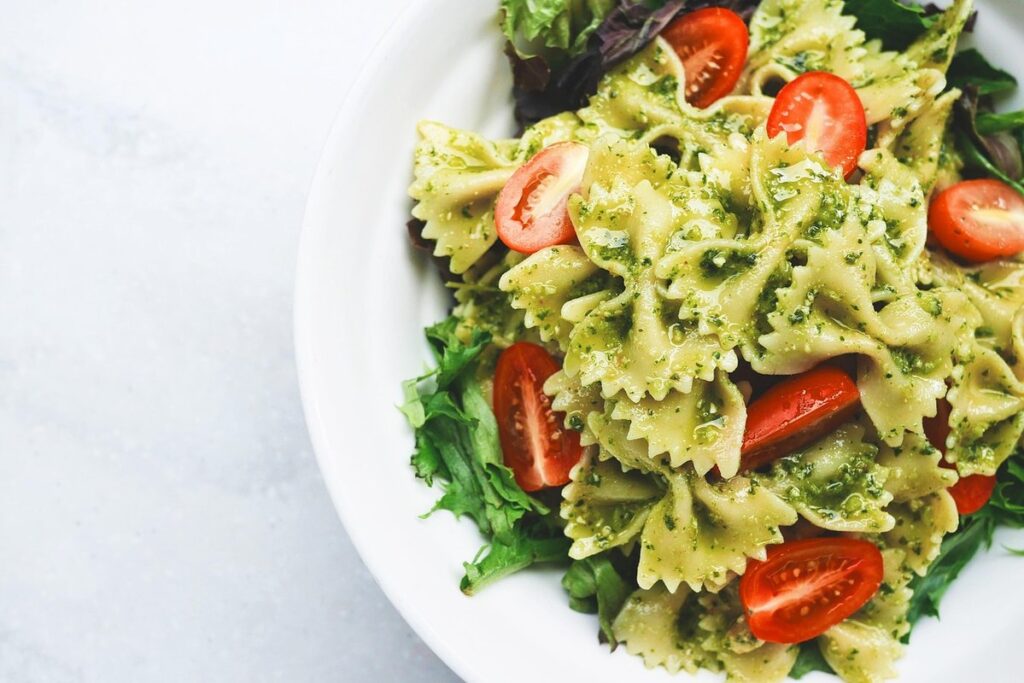
Italian cuisine is often associated with rich flavors, aromatic herbs, and mouthwatering pasta dishes. However, its history and regional specialties are far more complex. From the hearty meat-based stews of Tuscany to the seafood-rich risottos of the Amalfi Coast, authentic Italian cuisine varies greatly from one region to another. Essential ingredients like olive oil, garlic, and Parmesan cheese are staples in many Italian dishes, while cooking techniques such as slow-cooking and braising add depth and complexity to the flavors. But with so much variety and nuance, it can be overwhelming for even experienced cooks to know where to begin or how to navigate authentic Italian cuisine safely. This comprehensive guide aims to demystify the basics of Italian culinary history, regional specialties, essential ingredients, cooking techniques, and food safety, allowing you to confidently prepare a wide range of traditional dishes by the time you finish reading.
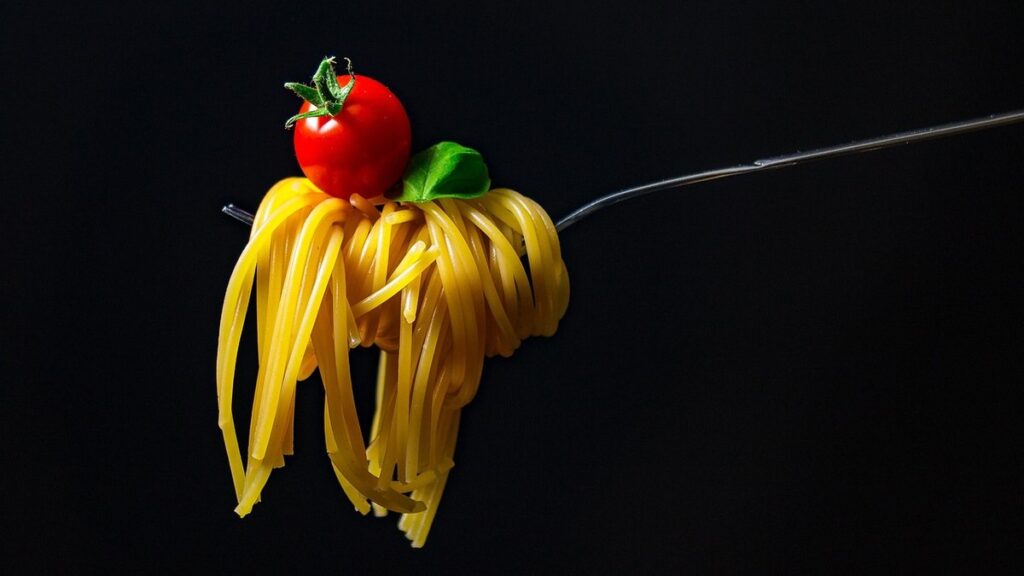
Italian Culinary History
Italian cuisine has a rich and varied history that spans centuries, influenced by regional traditions, medieval trade routes, and the cultural exchange of invaders. Let’s take a culinary journey through time to explore its evolution.
Early Influences and Traditions
Italian cuisine has its roots in ancient Greece and Rome, with many modern-day dishes showing clear influences from these civilizations. The Greeks introduced olives, olive oil, and grapes to Italy, which became staples in Italian cooking. They also brought their love of fish and seafood, particularly mussels, clams, and oysters, which are still popular in coastal regions like Campania and Sicily.
The Romans, on the other hand, adopted many Greek culinary practices but added their own twist. They introduced new ingredients like asparagus, artichokes, and capers, and developed a fondness for hearty meat stews and braises. Roman cuisine also emphasized the importance of seasonality and local ingredients, principles that are still observed in Italian cooking today.
Traditional Italian cooking methods, such as slow-cooking and using wood-fired ovens, were also inherited from the ancient Romans. These techniques allowed for the creation of rich, complex flavors that are characteristic of many Italian dishes. By understanding these historical roots, you can gain a deeper appreciation for the evolution of Italian cuisine and perhaps even try your hand at cooking some traditional Roman or Greek-inspired dishes.
Regional Variations
Italian cuisine is a rich tapestry woven from various regional traditions. Tuscan ribollita, a hearty soup made with vegetables and bread, showcases the region’s emphasis on using up leftover ingredients. In contrast, Neapolitan pizza, with its characteristic thin crust and fresh toppings, highlights the city’s expertise in crafting simple yet flavorful dishes.
Sicilian cannoli, fried pastry shells filled with sweetened ricotta cheese, exemplifies the island’s Arab influence on its cuisine. The use of citrus zest and chocolate chips adds a unique twist to this classic dessert.
Regional ingredients play a significant role in shaping local specialties. For instance, Parmigiano-Reggiano cheese is typically grated over pasta dishes in Emilia-Romagna, while olives are commonly used in sauces throughout the south.
The diversity of regional flavors and techniques can be overwhelming for those new to Italian cuisine. However, embracing this variety is key to truly understanding the country’s rich culinary heritage. By exploring different regions and their unique contributions to the national cuisine, you’ll gain a deeper appreciation for the nuances of Italian cooking.
Essential Ingredients in Italian Cooking
At the heart of Italy’s rich culinary heritage lies a set of fundamental ingredients that every great dish relies on. Let’s take a closer look at these essential components, shall we?
Olive Oil and Herbs
Olive oil and herbs are two fundamental components of Italian cuisine, often used together to add depth and complexity to a dish. Italy’s Mediterranean climate allows for an abundance of fresh herbs such as basil, oregano, and rosemary, which are commonly paired with olive oil to create sauces, marinades, and seasonings.
When it comes to olive oil, Italians have a strong preference for extra virgin olive oil (EVOO), which is extracted from the first pressing of olives. EVOO has a distinct peppery flavor and is often used in raw preparations such as salads and dressings. Some popular varieties of olive oil include Frantoio, Moraiolo, and Pendolino, each with its own unique flavor profile.
To get the most out of your herbs, it’s essential to use them at the right stage of cooking. For example, basil is best added towards the end of cooking to preserve its bright, citrusy flavor. Oregano and rosemary, on the other hand, can be cooked for longer periods without losing their potency. By combining olive oil and herbs in harmony with each other, you’ll unlock a world of flavors that are quintessentially Italian.
Cheese and Dairy Products
Italian cuisine is rich in diverse cheese and dairy products that play a crucial role in its flavor profile. Parmigiano-Reggiano, often grated over pasta dishes like spaghetti carbonara, is a staple in Italian cooking. Its nutty, fruity flavors add depth to various sauces and soups.
Mozzarella di Bufala Campana, produced exclusively from the milk of water buffalo raised in specific regions, is another essential cheese. This semi-soft, white cheese melts beautifully, making it perfect for pizzas like Neapolitan-style margherita. Fresh mozzarella is also used in caprese salads and as a topping for pasta dishes.
Ricotta cheese, made from whey, is often used in sweet and savory recipes alike. It’s a key ingredient in cannoli filling and lasagna. Gorgonzola and other blue cheeses add a pungent flavor to various sauces, while mascarpone cream is used in desserts like tiramisu.
When shopping for Italian cheese and dairy products, look for items labeled with the “Denominazione di Origine Protetta” (DOP) or “Indicazione Geografica Protetta” (IGP) certifications. These labels ensure that products meet specific production standards and come from designated regions.
Regional Specialties
From north to south, Italy’s diverse regions showcase unique flavors and ingredients that are a must-try for any food enthusiast. Let’s start with the rich culinary traditions of Tuscany and Campania.
Northern Italian Cuisine
Northern Italian cuisine is characterized by rich flavors and hearty portions. Risotto alla milanese, a classic from Milan, showcases saffron-infused risotto served with ossobuco – braised veal shanks that fall off the bone. This iconic dish features a gelatinous sauce made from the bones’ marrow, which adds depth to the overall flavor profile.
Osso buco is just one example of the slow-cooked meats that define northern Italian cooking. Braising allows tougher cuts to become tender and absorb flavors. Another popular technique involves using the pan’s own fat to create a rich, unctuous sauce – a process known as “sostegno.” This method requires patience but rewards diners with an intense, satisfying experience.
The region’s emphasis on local ingredients is evident in its use of truffles. While they can be expensive and hard to find, truffle oil or shaved truffles add an unparalleled umami flavor to dishes like risotto or pasta sauces. To incorporate truffles into your cooking, start by investing in a good-quality truffle oil; this will give you the essence of truffles without the hefty price tag. When working with fresh truffles, shave them thinly over hot dishes to avoid overpowering the other flavors.
Southern Italian Cuisine
Southern Italian cuisine is shaped by its coastal location and rich agricultural heritage. Campania, with its stunning coastline, boasts an abundance of fresh seafood, which features prominently in dishes like zuppa di pesce (fish soup) and frittura di mare (mixed fried seafood). In Apulia, the fertile plains yield a bounty of produce, while the surrounding hills provide ample pasture for livestock. This combination of ingredients gives rise to hearty meat ragùs, such as ragù alla pugliese, made with slow-cooked beef, pork, and tomatoes.
The Campanian city of Naples is also famous for its pizza, which originated as a simple flatbread topped with olive oil, garlic, and anchovies. Over time, Neapolitan pizza makers perfected the art of creating crispy crusts topped with fresh ingredients like San Marzano tomatoes, mozzarella cheese, and basil. To experience authentic Southern Italian cuisine, look for restaurants serving traditional dishes made with locally sourced ingredients.
Some popular Southern Italian specialties include:
- Aragosta alla pescatora (lobster cooked in a spicy tomato sauce)
- Pollo alla cacciatora (hunter-style chicken with onions, bell peppers, and tomatoes)
- Caprese salad (a simple yet flavorful combination of fresh mozzarella, tomatoes, and basil)
These dishes showcase the rich flavors and ingredients characteristic of Southern Italian cuisine.
Cooking Techniques in Italian Kitchen
As you delve into Italy’s rich culinary landscape, understanding various cooking techniques is essential for mastering traditional dishes. Let’s explore the fundamental methods that bring Italian cuisine to life.
Pasta Making from Scratch
To make pasta from scratch, you’ll need to create a basic dough using flour, eggs, and water. The traditional Italian ratio is 1:1:1, but feel free to adjust it based on the type of pasta you’re making. For example, pappardelle requires more eggs for its wide sheets. Start by mixing dry ingredients like “00” flour or all-purpose flour with a pinch of salt in a large bowl.
Next, create a well in the center and crack 1-2 eggs into it, depending on your recipe. Gradually pour in water while using a fork to incorporate the ingredients. As you mix, switch to a wooden spoon or stand mixer with a dough hook attachment for a smoother consistency.
Now, knead the dough for about 10 minutes until it becomes elastic and smooth. You can also let it rest for 30 minutes before kneading again if needed. Divide the dough into manageable portions for various pasta shapes, such as spaghetti, fettuccine, or rigatoni. Roll each piece through a pasta machine or roll by hand to achieve your desired thickness.
Use a sharp tool or a pastry cutter to cut the pasta into uniform lengths and shapes. For more intricate designs like tortellini or ravioli, use a ravioli cutter or shape by hand with a gentle touch.
Traditional Pizza Making
Neapolitan pizza-making is a centuries-old tradition that requires precise attention to detail and high-quality ingredients. The dough, for example, must be made from type “00” flour, water, yeast, salt, and extra-virgin olive oil. This specific combination allows the dough to rise quickly without becoming too dense or tough.
Proper cooking methods are just as crucial as ingredient selection. Traditional Neapolitan pizzas are cooked in a wood-fired oven at temperatures reaching up to 1000°F (538°C) for just two minutes on each side. This high heat, combined with the short cooking time, results in a crispy crust that’s still slightly chewy.
To achieve this delicate balance, pizzaiolos (pizza makers) must constantly monitor temperature and cooking time. They also need to ensure the dough is at room temperature before shaping it into balls for stretching and topping. A perfectly cooked Neapolitan pizza should have a golden-brown crust with a slight char, a soft center, and a delicate balance of flavors from its toppings.
In a wood-fired oven, the Maillard reaction – a chemical reaction between amino acids and reducing sugars – occurs rapidly, enhancing the flavor and aroma of the pizza. This process is what sets traditional Neapolitan pizzas apart from others and makes them truly unique.
Italian Cuisine Around the World
As we venture beyond Italy’s borders, you’ll discover how its beloved cuisine has adapted and thrived in diverse corners of the globe. From Japan to Brazil, each region puts its unique spin on Italian favorites.
Global Influences on Italian Cooking
Italian cuisine has long been shaped by its global connections. One notable example is the Sicilian arancini, a rice ball snack that originated from Arab influence during the Norman Conquest of 1091. These fried balls are filled with meat ragù and mozzarella cheese, reflecting both Arabic and Italian traditions.
In recent years, international flavors have influenced modern-day Italian cooking, particularly in urban areas like Milan and Rome. Chefs often incorporate elements such as Korean kimchi or Indian spices to create fusion dishes that blend the familiar with the new. Some restaurants even offer Japanese-Italian fusion dishes like sushi risotto or teriyaki pasta.
The city of Trieste, located on Italy’s northeastern border with Slovenia, has a unique culinary identity shaped by its proximity to Central Europe. The local cuisine features dishes like goulash and strudel, which have been adapted from traditional Hungarian and Austrian recipes.
When experimenting with international flavors in your own Italian cooking, consider the following key elements:
- Choose ingredients that complement existing Italian staples
- Balance bold flavors with classic simplicity
- Respect the essence of each dish by avoiding over-embellishment
Authenticity in Modern Italian Restaurants
When it comes to authenticity in modern Italian restaurants, there’s a fine line between honoring tradition and reinventing the wheel. A truly authentic Italian restaurant should be rooted in the country’s rich culinary heritage, with dishes that reflect the flavors, ingredients, and techniques of Italy’s diverse regions.
To maintain authenticity, chefs often look to traditional recipes as inspiration, but also experiment with modern twists to keep menus fresh and exciting. For instance, a chef might update a classic pasta dish like carbonara by using farm-to-table eggs from local producers or substituting traditional guanciale with plant-based alternatives. This approach not only respects the original recipe but also reflects the evolving tastes of contemporary diners.
However, authenticity can also be compromised when restaurants rely too heavily on gimmicks or stereotypes. A few red-checkered tablecloths and a ” Bella Vita” sign don’t automatically make an Italian restaurant authentic. True authenticity comes from using high-quality ingredients, mastering traditional cooking techniques, and showcasing regional specialties with pride. By striking the right balance between tradition and innovation, modern Italian restaurants can create unique dining experiences that honor Italy’s culinary legacy while also appealing to diverse palates.
Food Safety and Quality Control
To truly experience Italy’s rich culinary heritage, it’s essential to understand how local food producers prioritize food safety and maintain exceptional quality control standards. From farm-to-table practices to strict regulations, we’ll take a closer look at these crucial elements.
Food Handling and Storage Practices
In Italian cuisine, proper food handling and storage practices are crucial to maintaining the quality of ingredients and ensuring food safety. Cleaning equipment thoroughly is essential; it’s recommended to wash utensils, pots, and pans with soap and warm water after each use, and sanitize them by soaking in a solution of water and bleach. Regularly sanitizing surfaces, such as countertops and tables, is also vital.
When storing leftovers, Italian cooks typically follow the “first in, first out” rule: using the oldest items before they spoil. Leftovers are usually stored in airtight containers to maintain freshness, and refrigerated at a consistent temperature below 40°F (4°C). It’s common for households to have a designated area for food storage, often a pantry or cupboard with shelves for organized storage.
Food handlers should also prioritize proper hand hygiene: washing hands frequently with soap and water before handling food, especially after touching raw meat, poultry, or seafood. Clean gloves can be used when preparing raw ingredients, but it’s essential to change them regularly to prevent cross-contamination. By following these simple guidelines, Italian cooks can ensure the quality of their ingredients and maintain a safe kitchen environment.
Seasonal Ingredients and Sustainability
In Italian cuisine, using seasonal ingredients is not just a matter of flavor and freshness – it’s also crucial for reducing waste and promoting sustainability. The country’s rich culinary heritage has long been tied to the changing seasons, with traditional dishes often featuring produce that’s readily available at a particular time of year.
Consider the classic springtime dish of asparagus and prosciutto in Italy. This pairing is not only delicious but also reflective of the seasonality of ingredients. Asparagus is typically harvested from February to June, making it a prime choice for early spring menus. By using seasonal ingredients like these, Italian cooks can minimize their carbon footprint while showcasing the best flavors of the time.
When shopping for seasonal produce in Italy, look for local markets and farmers’ stands that display the “produzione locale” or “made in [region]” labels. These signs indicate that the product was grown or raised within a specific region, reducing transportation emissions and supporting local agriculture. By embracing seasonal ingredients, you can not only cook with more intention but also connect with Italy’s rich culinary traditions. Some key seasonal ingredients to explore include wild fennel (anise) in spring, eggplant in summer, and porcini mushrooms in autumn.
Conclusion
Italy’s diverse cuisine is a reflection of its rich history and cultural heritage. The country’s varied regions have contributed to a unique gastronomic identity, shaped by local ingredients, traditions, and influences from neighboring countries. From the seafood-rich dishes of the Amalfi Coast to the hearty meat-based meals of Tuscany, each region offers a distinct culinary experience.
Exploring Italy’s cuisine is not just about trying new flavors; it’s also about understanding the country’s history, culture, and people. By immersing yourself in local food traditions, you’ll gain a deeper appreciation for the land, its people, and their way of life. So, go ahead and indulge in a plate of spaghetti carbonara or risotto alla milanese – but don’t forget to appreciate the story behind each dish. Whether you’re a seasoned traveler or just starting your Italian culinary journey, remember that every bite is a taste of Italy’s rich history and culture.
Frequently Asked Questions
How can I incorporate seasonal ingredients into my Italian cooking without breaking the bank?
You don’t need to spend a fortune on seasonal ingredients to cook authentic Italian dishes. Visit your local farmer’s market or join a community-supported agriculture (CSA) program to source fresh, locally grown produce at an affordable price. Plan your meals around what’s in season and adjust recipes accordingly. For example, use winter squash instead of summer tomatoes in a pasta sauce.
Can I make authentic Neapolitan pizza at home without a wood-fired oven?
Yes. While a wood-fired oven is traditional for Neapolitan pizza, you can achieve similar results with a domestic oven or even a grill. Invest in a pizza stone and cook the dough at high temperatures (500°F/260°C) to replicate the crispy crust and smoky flavor of a wood-fired oven.
What are some common mistakes home cooks make when cooking Italian pasta dishes?
One common mistake is overcooking the pasta, which can lead to mushy textures. To avoid this, cook pasta al dente, then reserve it separately from the sauce to prevent over-saturation. Also, be mindful of ingredient proportions and use high-quality ingredients like authentic Italian olive oil and fresh herbs.
How do I balance the flavors in a traditional Italian ragù without adding too much salt?
Yes, you can achieve rich flavor in an Italian ragù without excessive salt. Use aromatics like onions, carrots, and celery to add depth, then rely on tomato paste or reduced tomatoes for natural sweetness. Balance acidity with red wine or vinegar, and finish the dish with a drizzle of extra-virgin olive oil.
Can I substitute regular cheese for Parmigiano-Reggiano in Italian recipes?
No, while you can use other types of cheese as substitutes, Parmigiano-Reggiano is irreplaceable due to its unique flavor profile. It’s worth investing in this high-quality cheese to achieve authentic Italian flavors. If you’re on a budget or prefer alternatives, try mixing grated mozzarella with a small amount of Parmesan for a similar taste and texture.